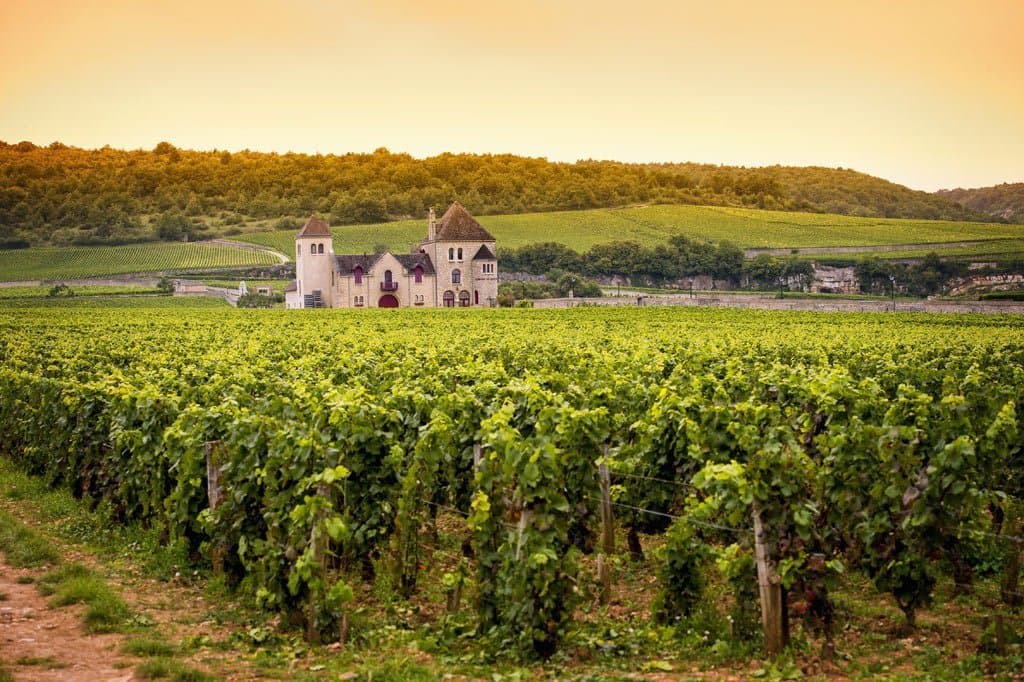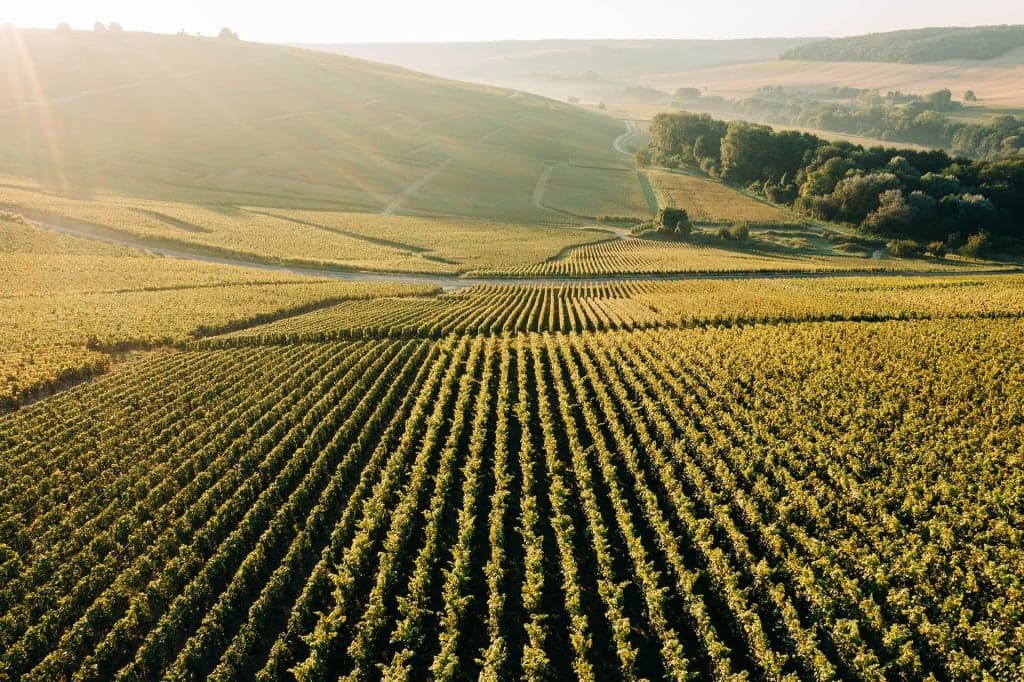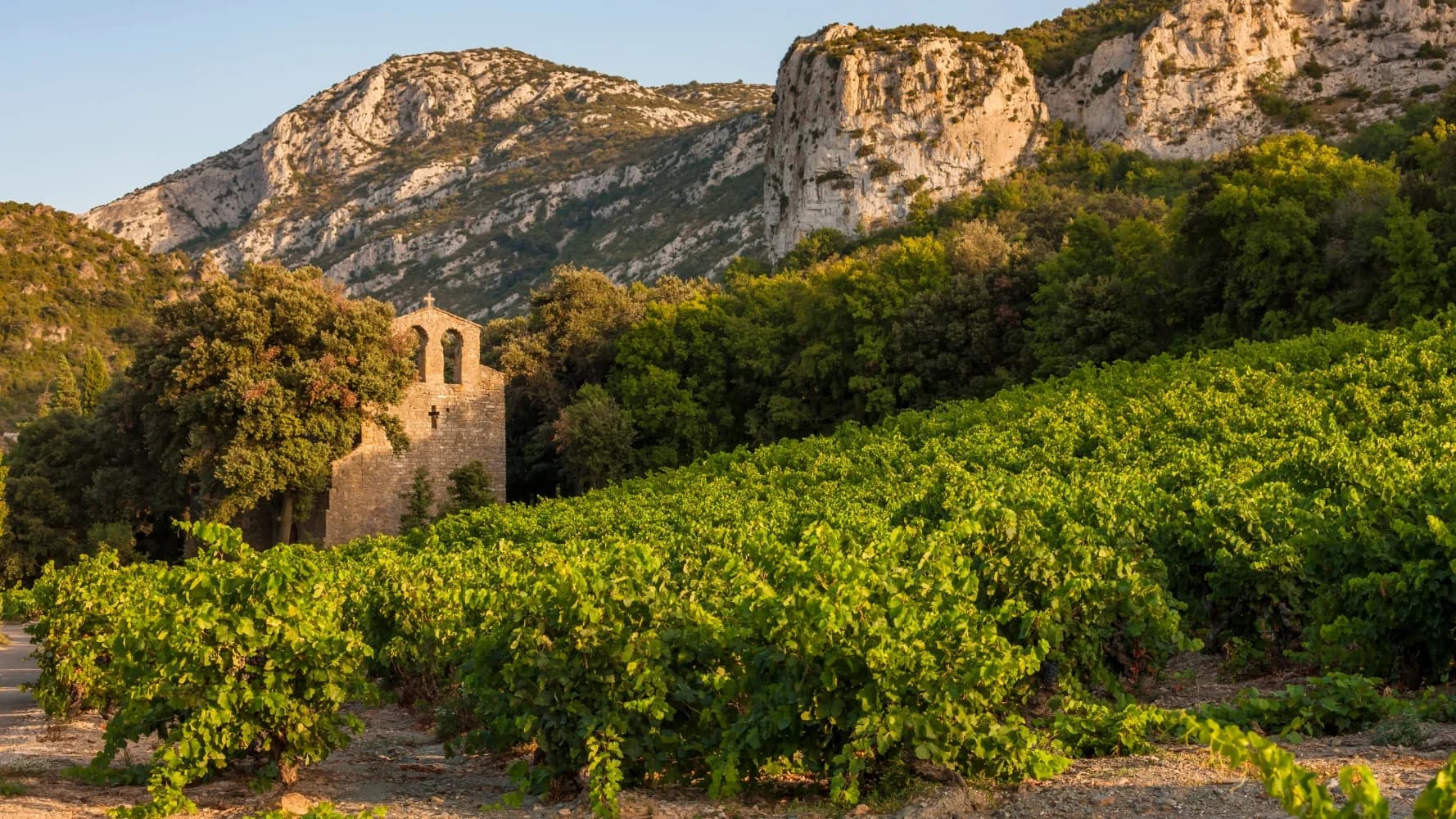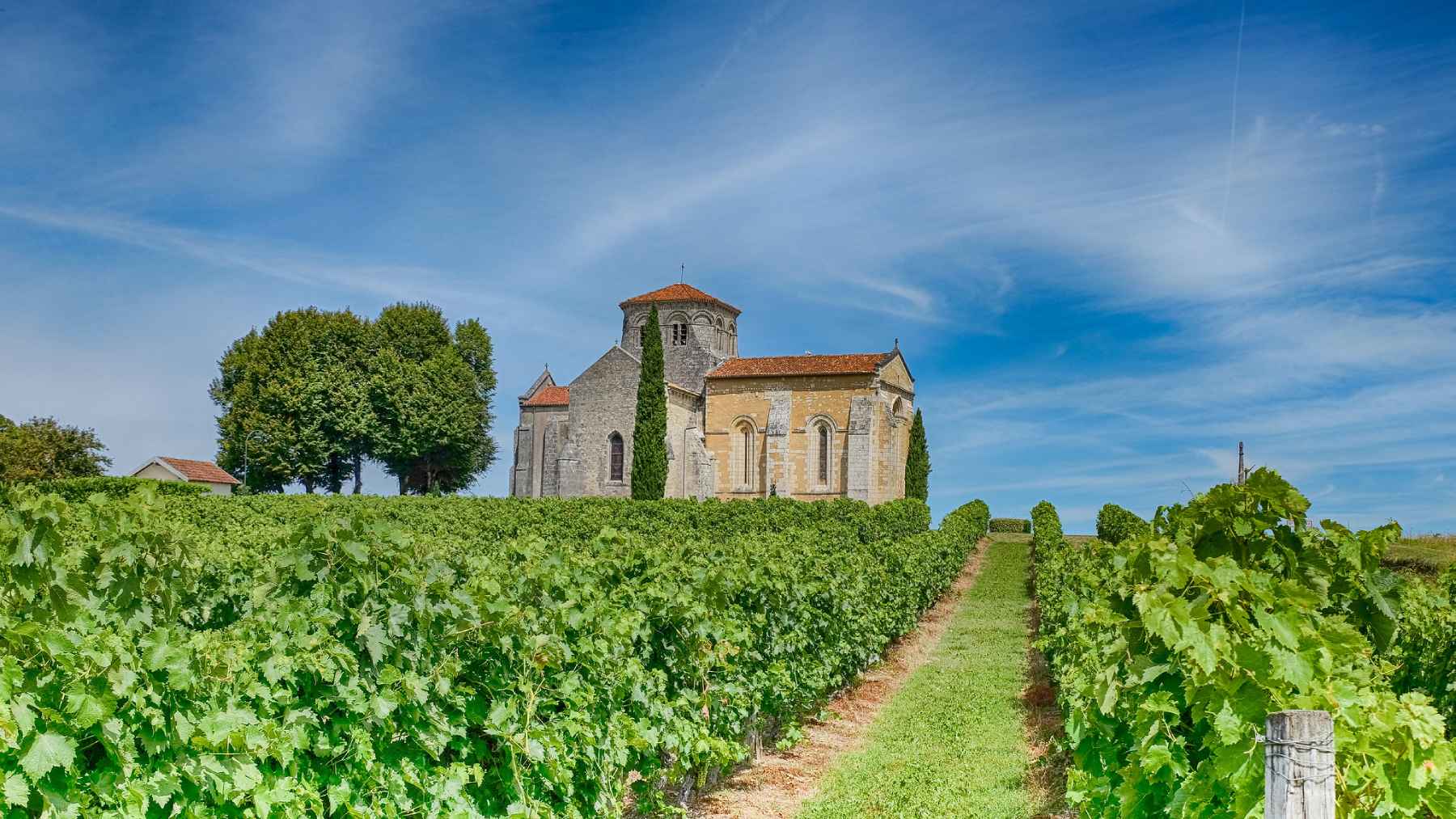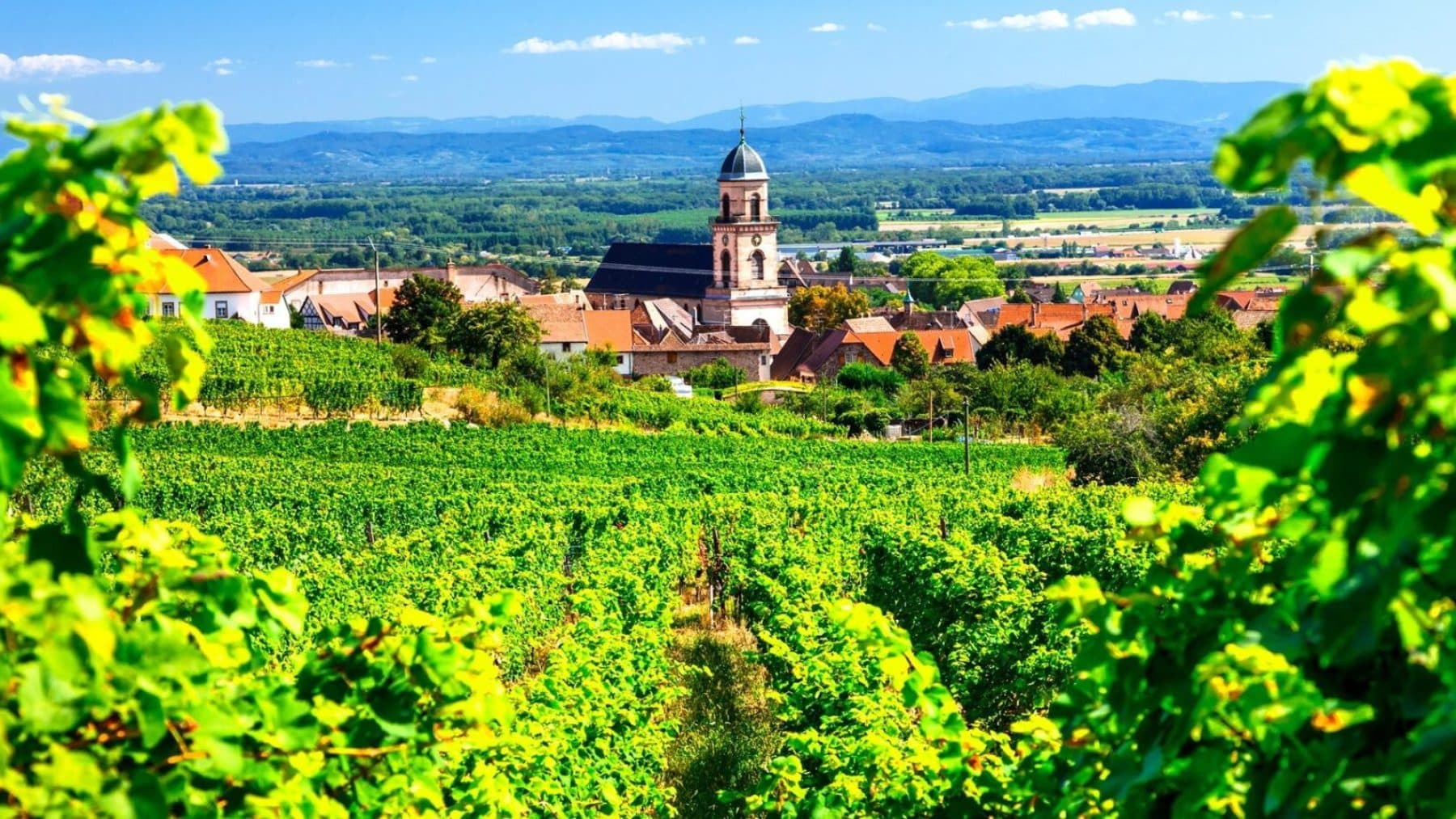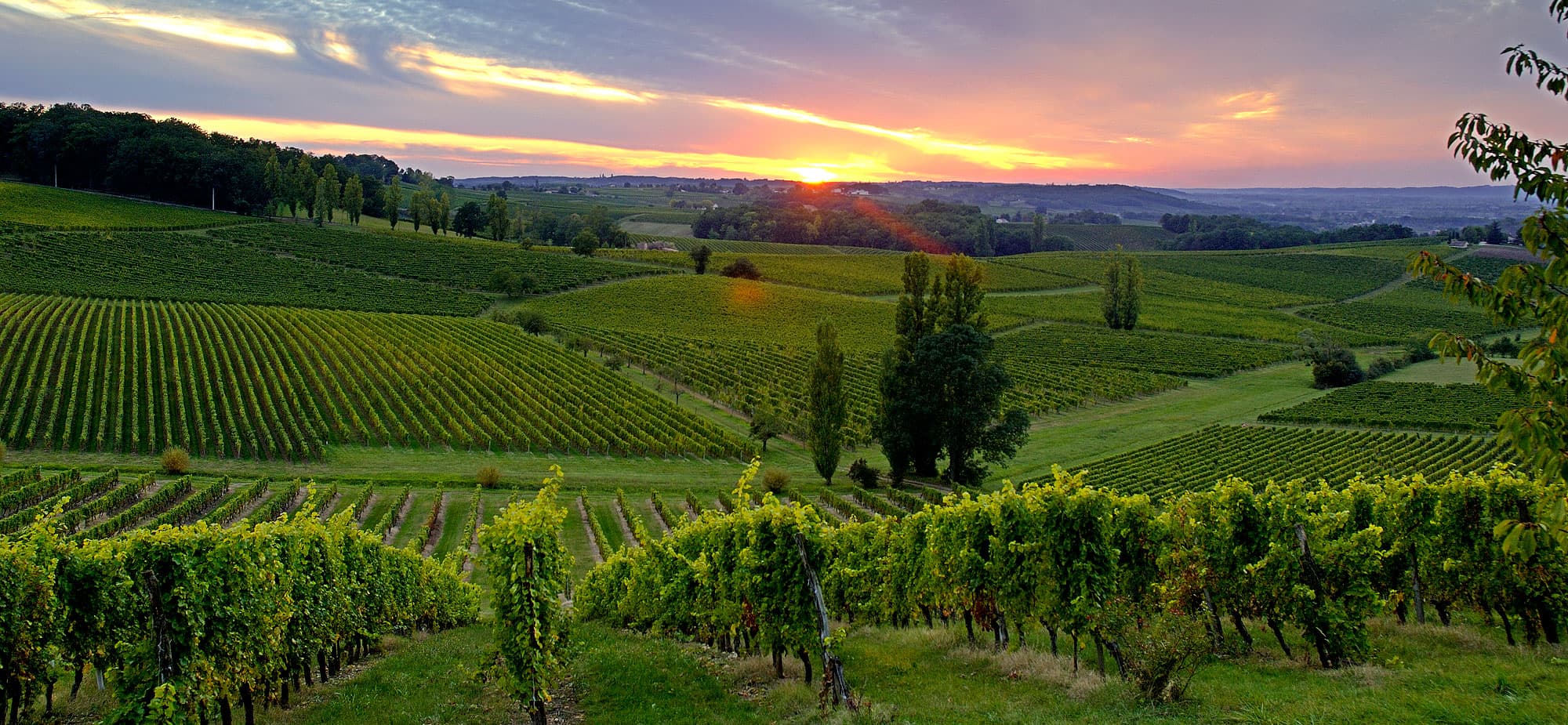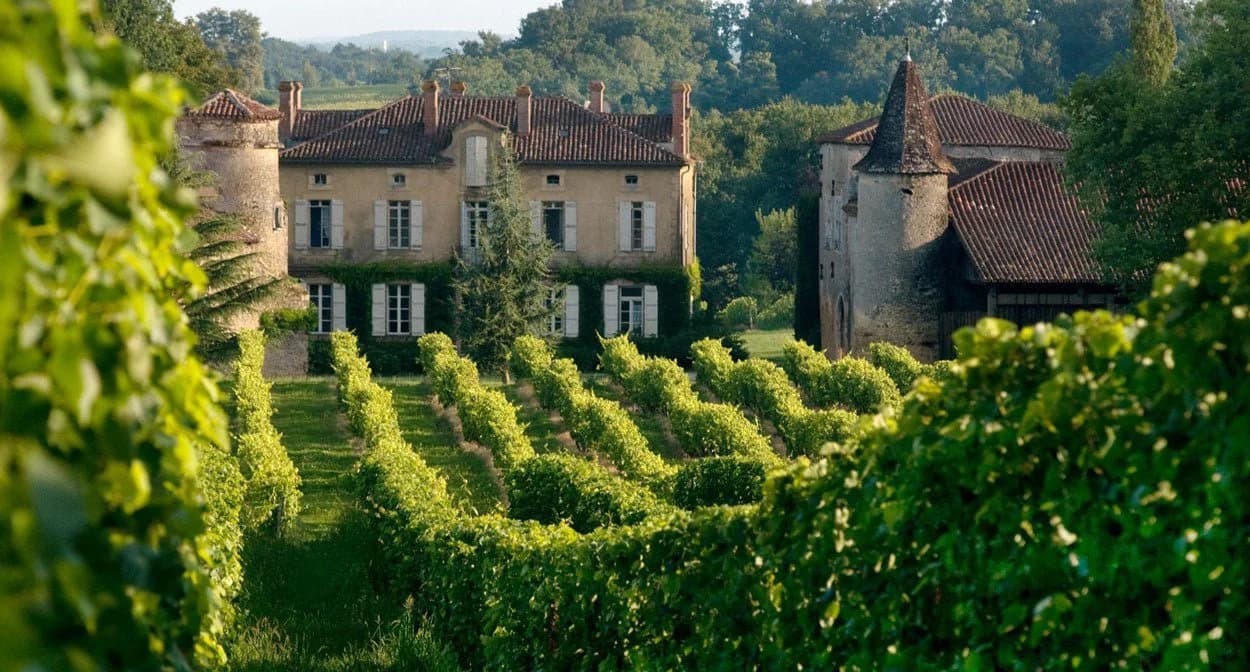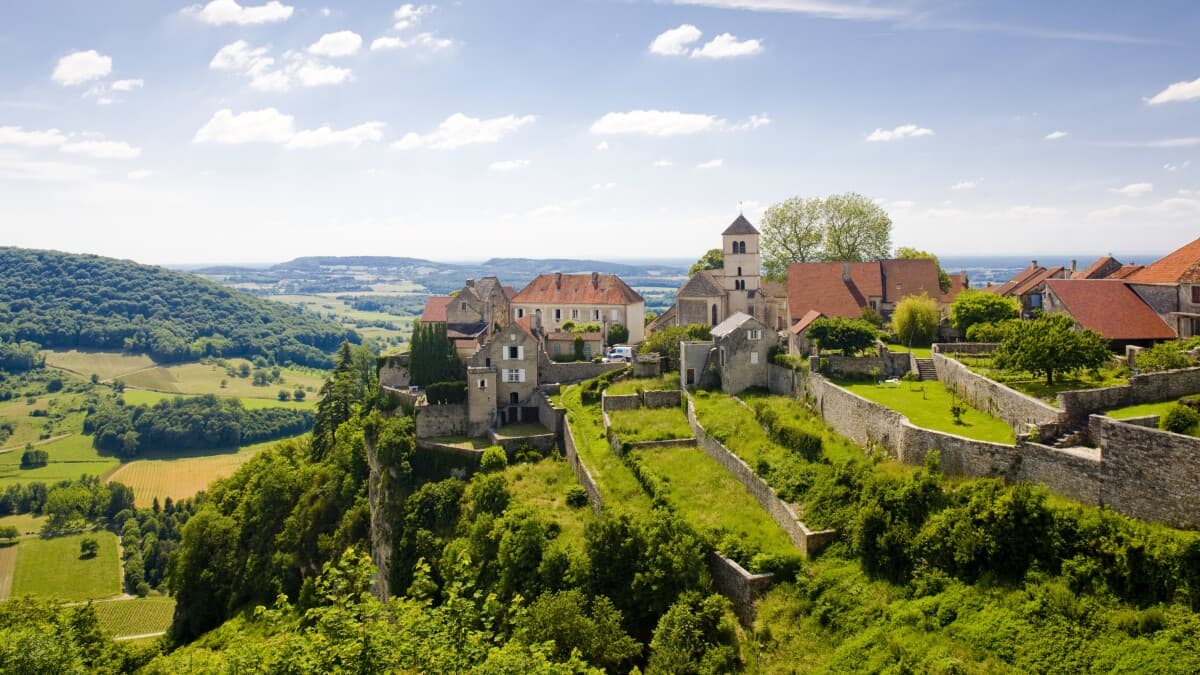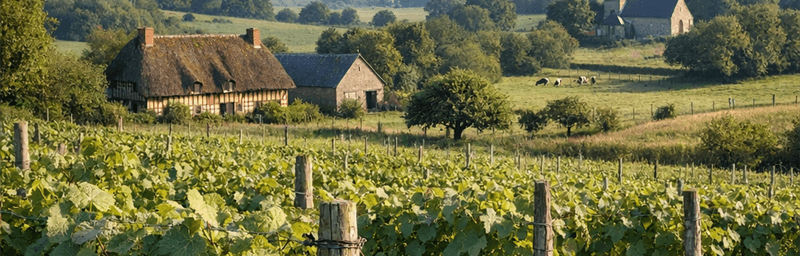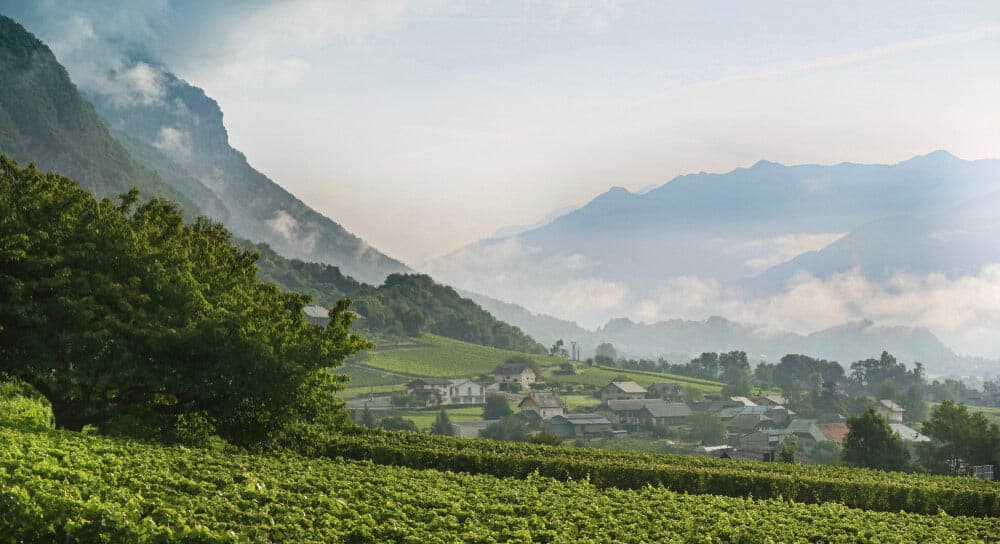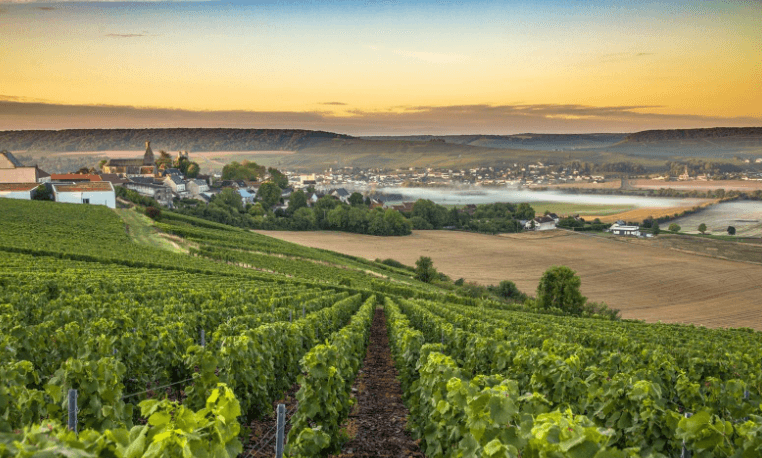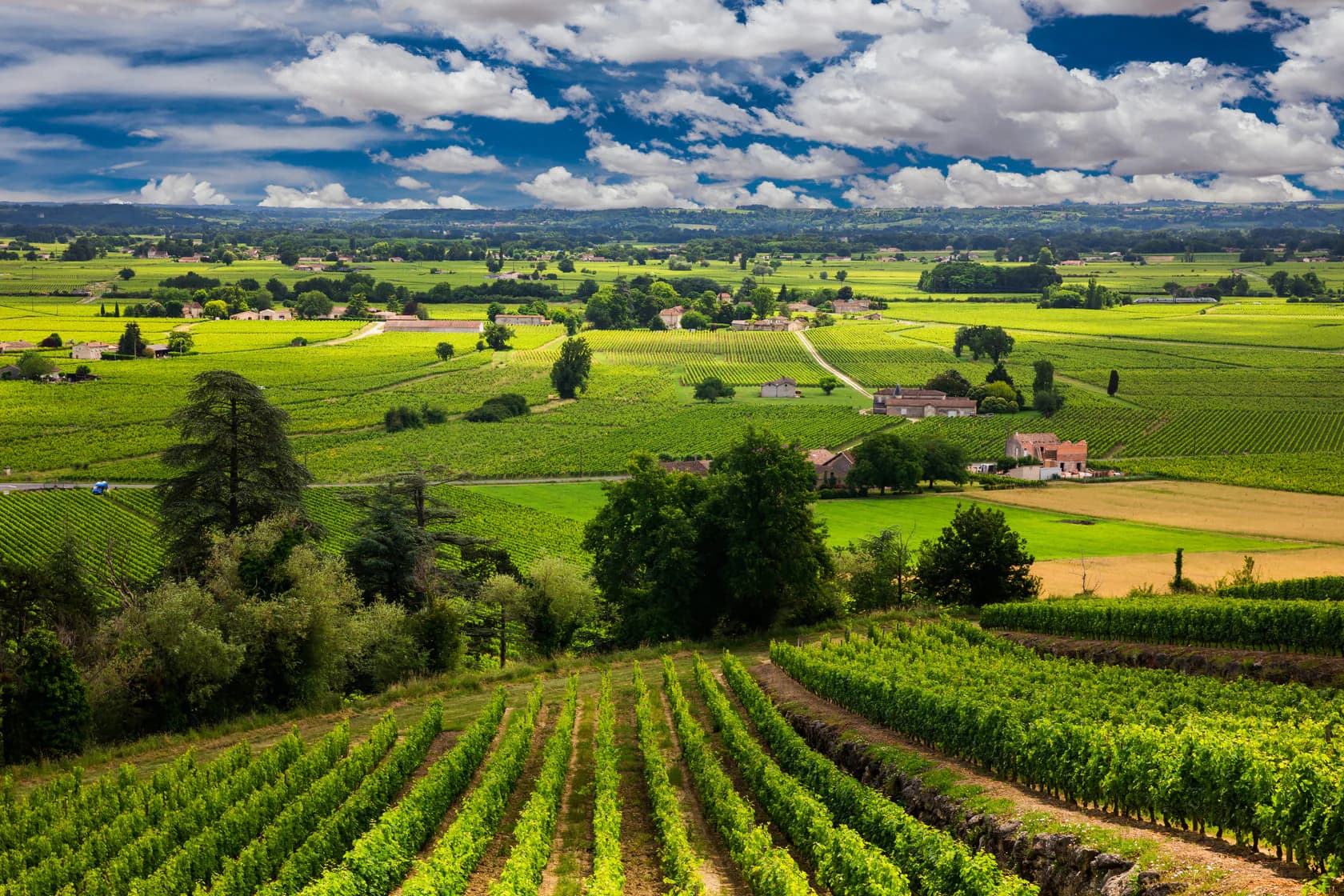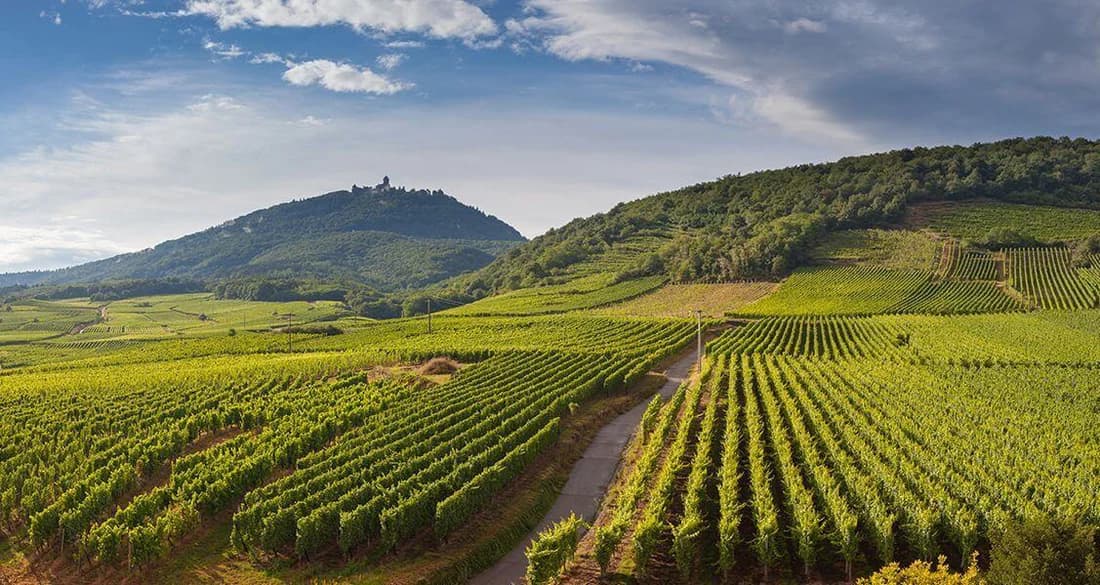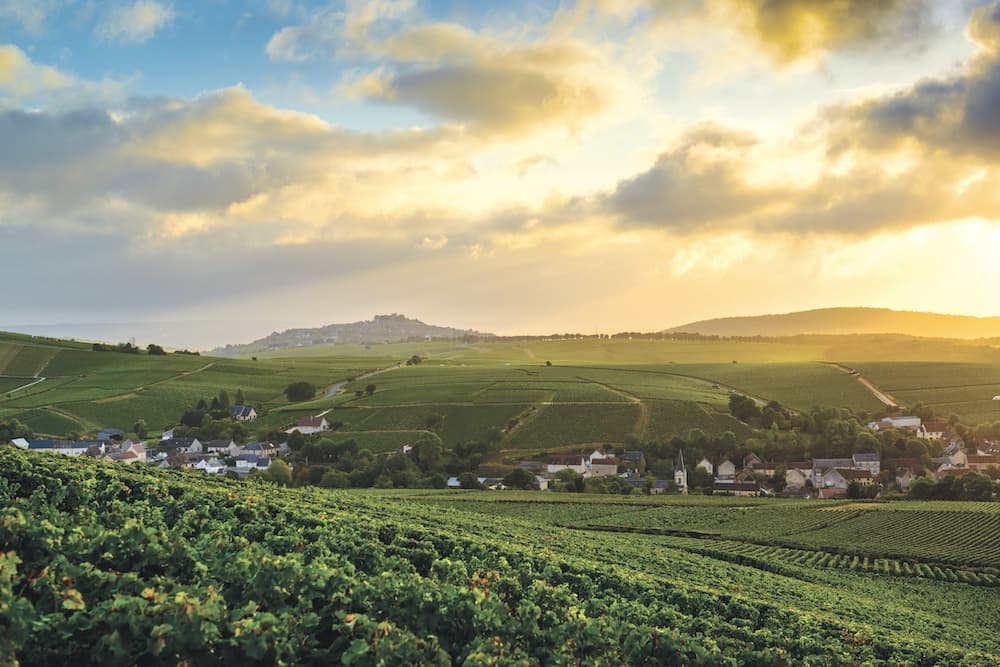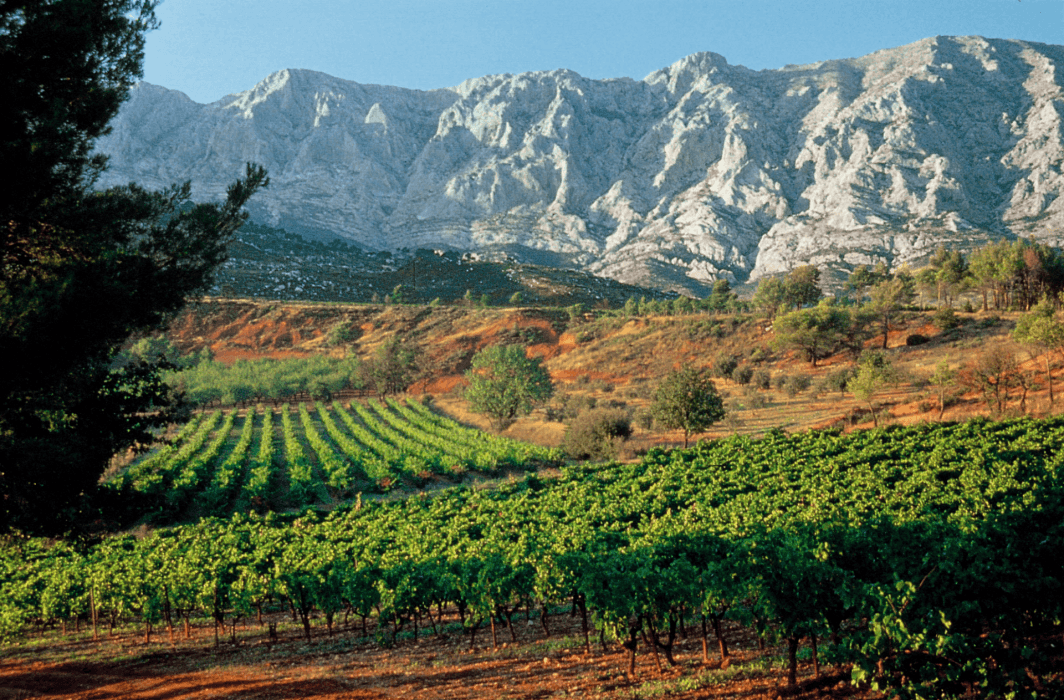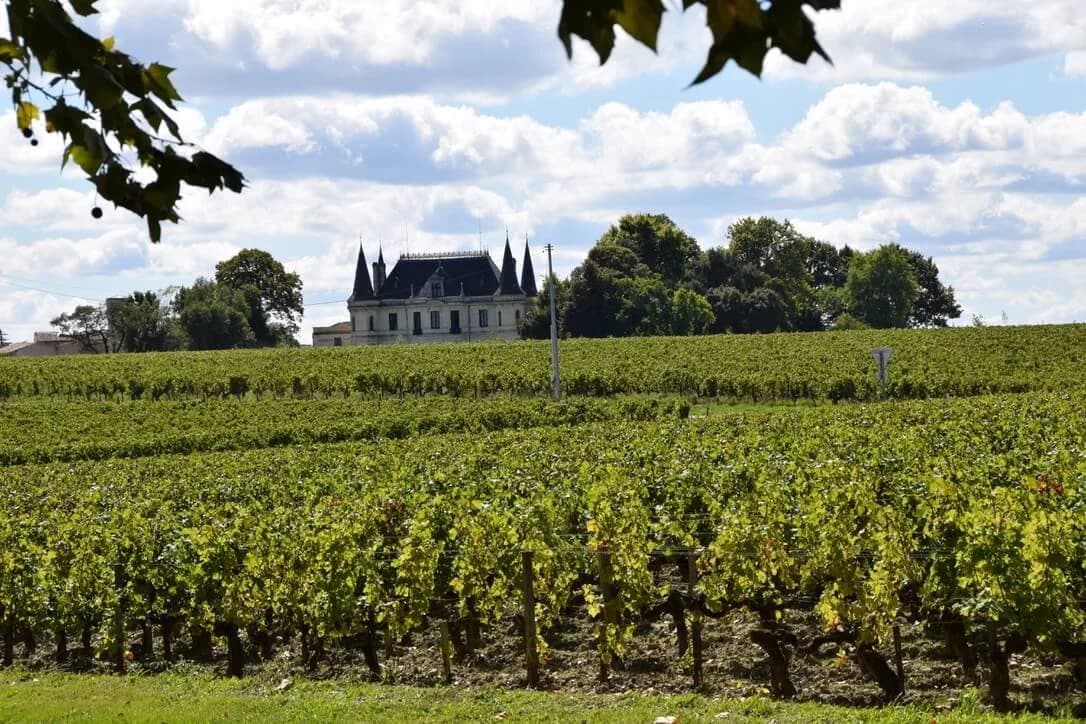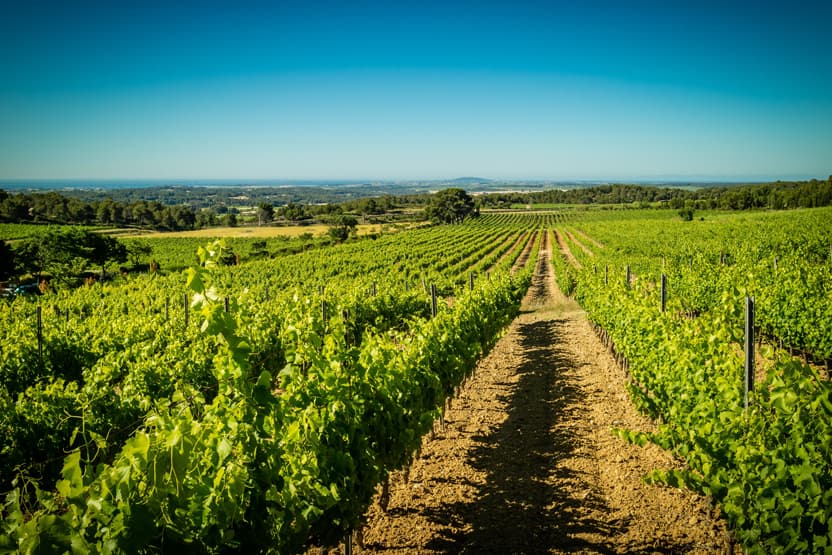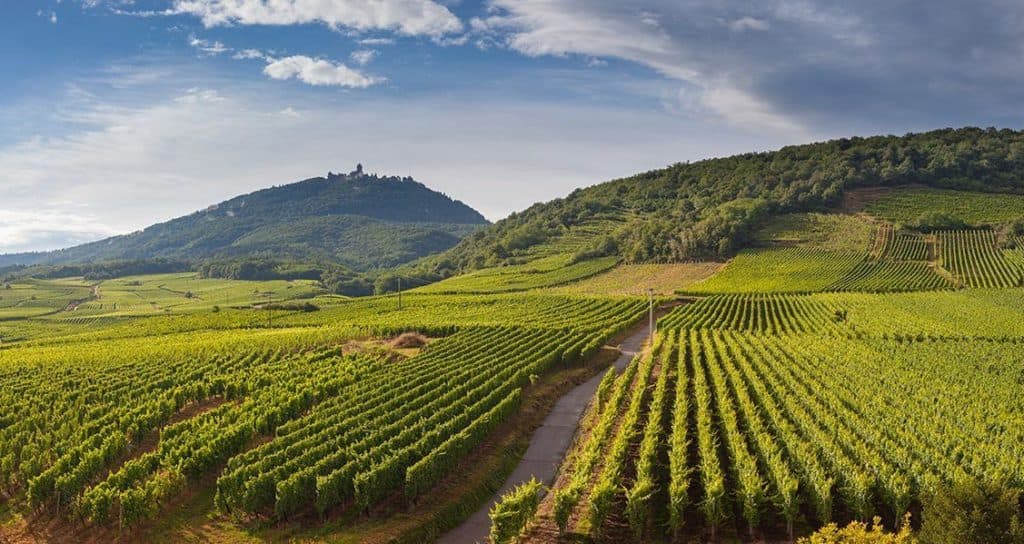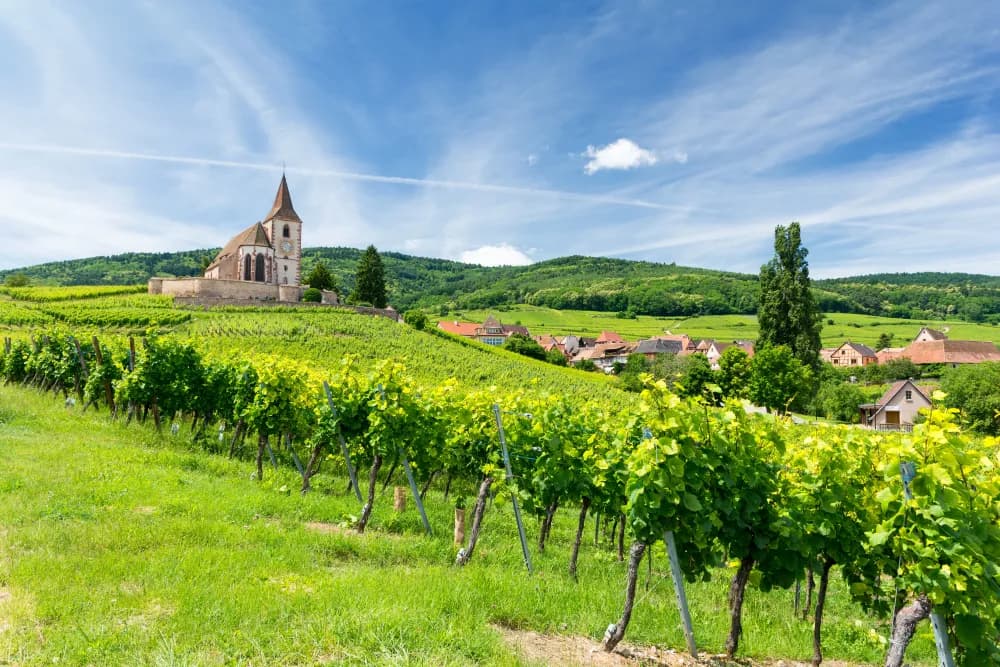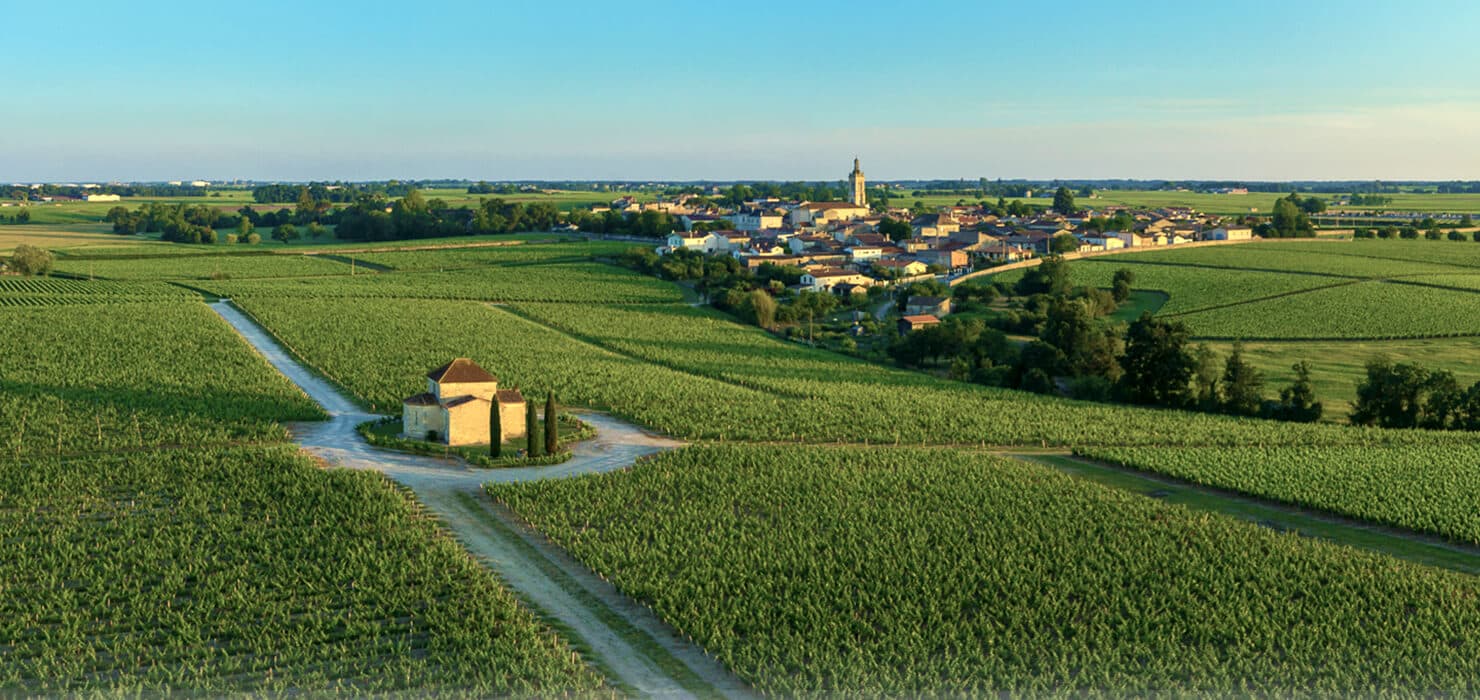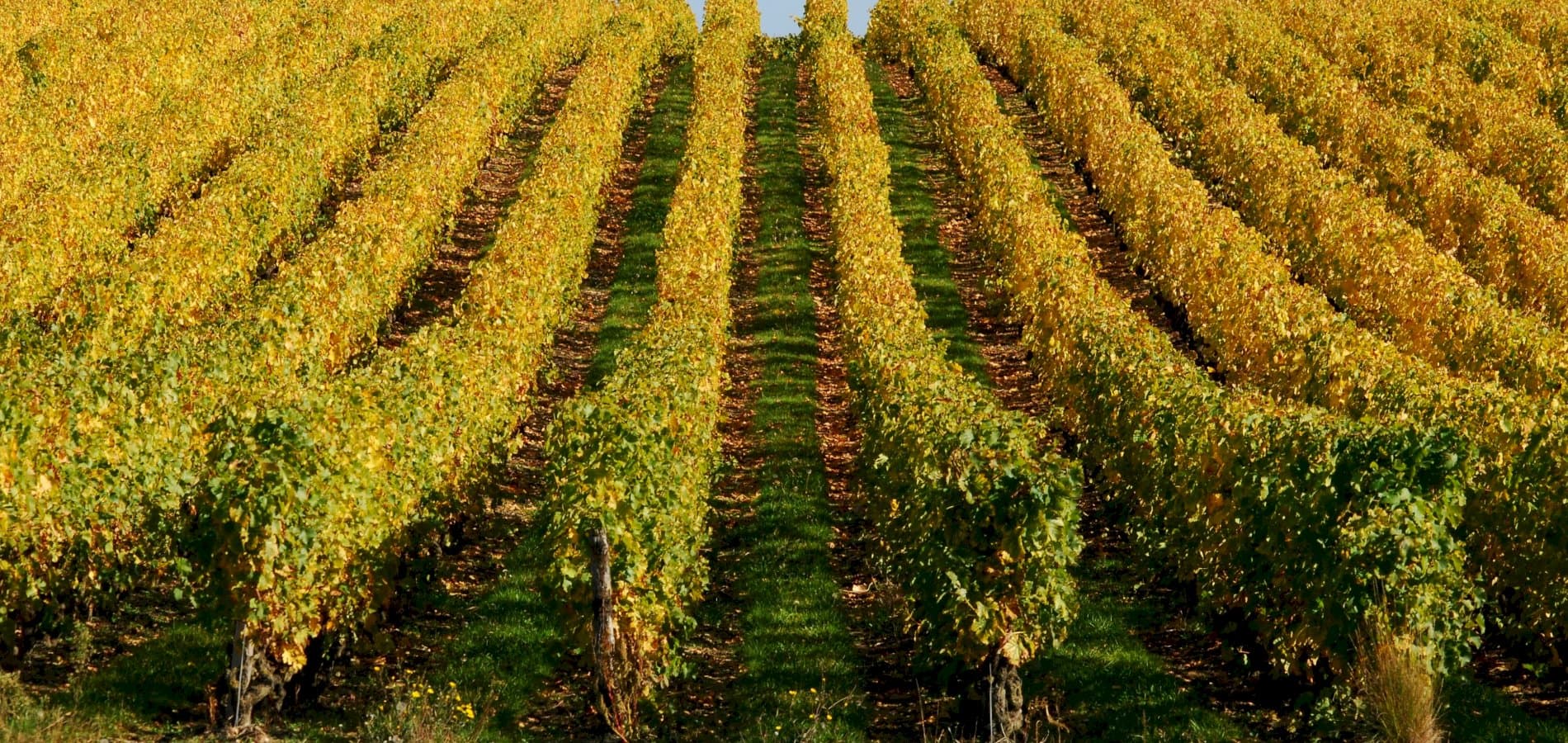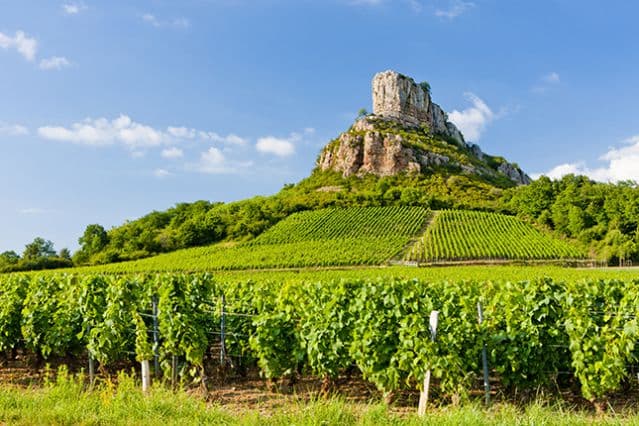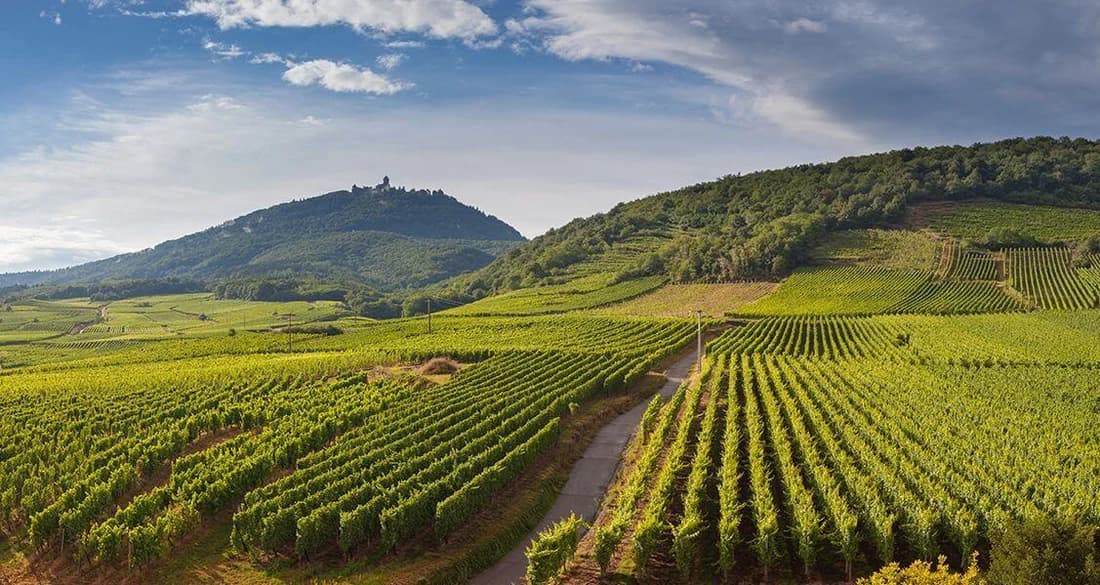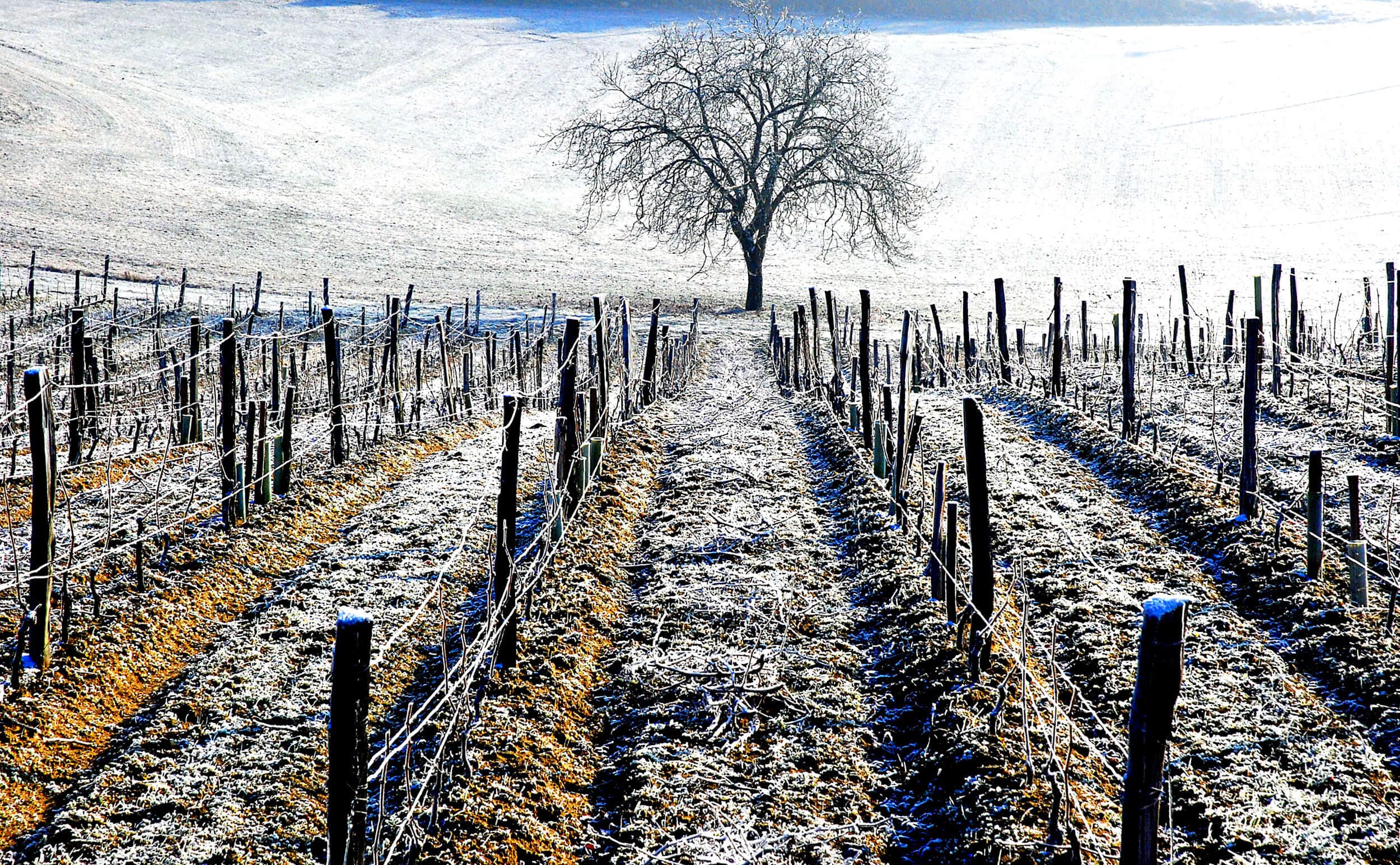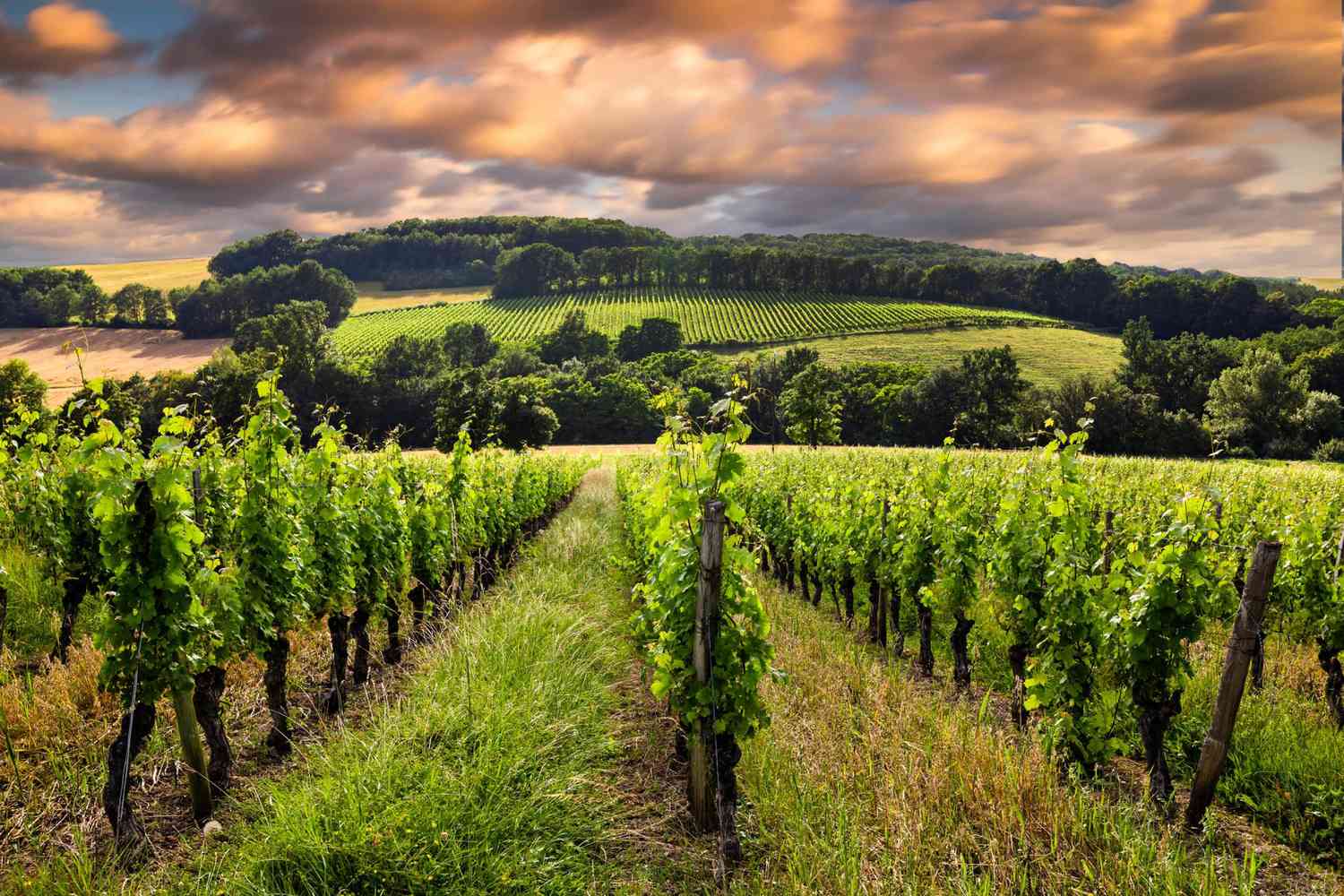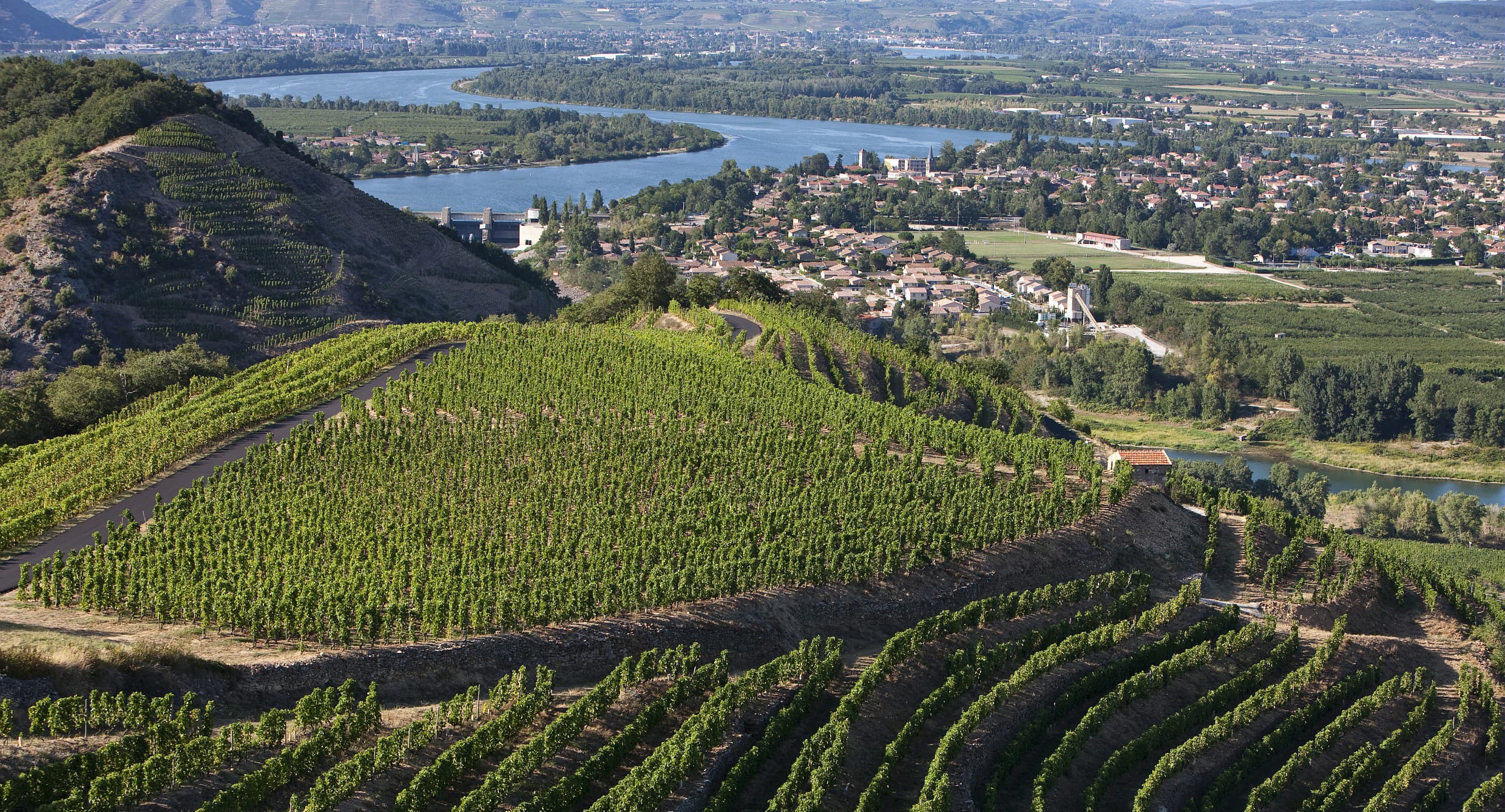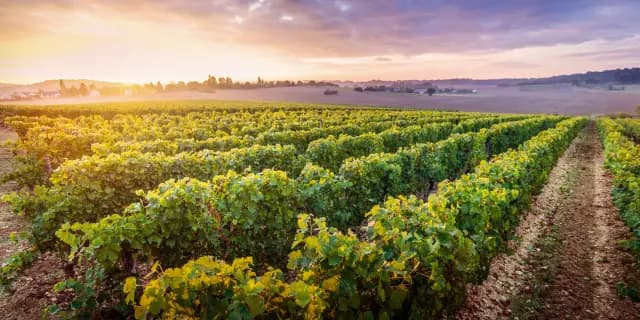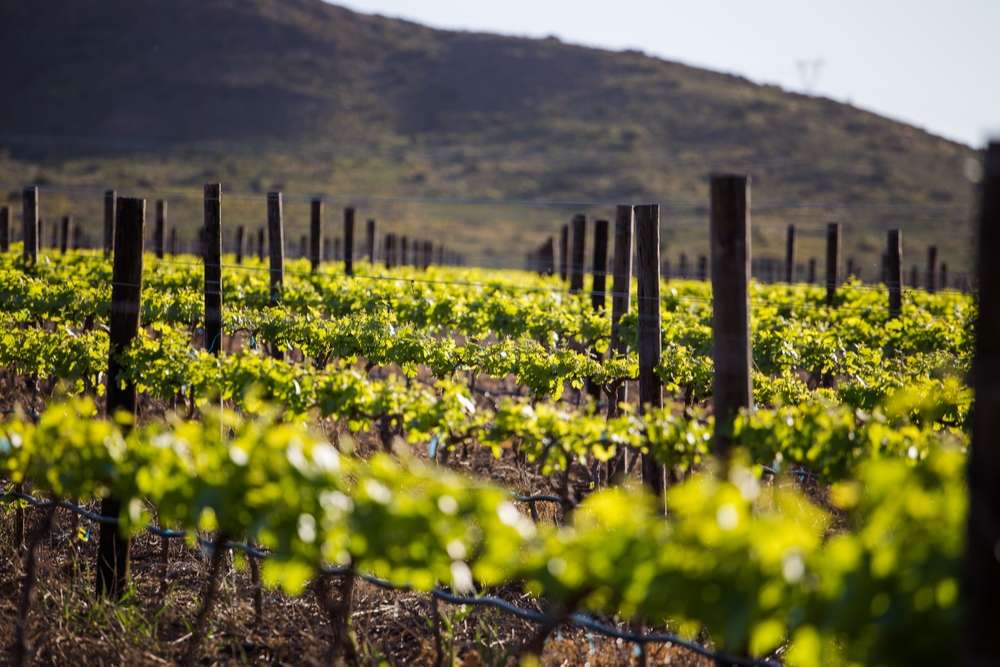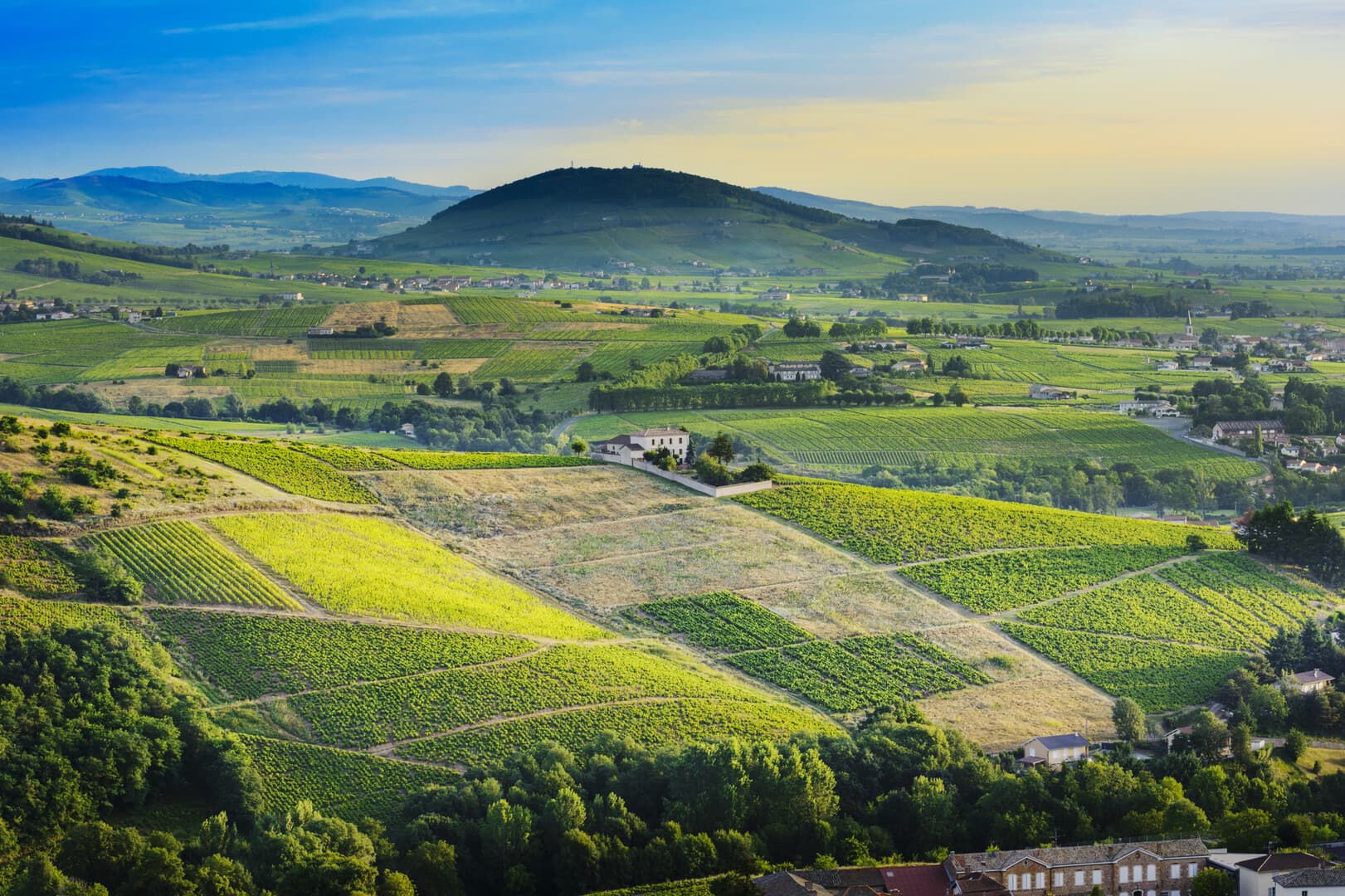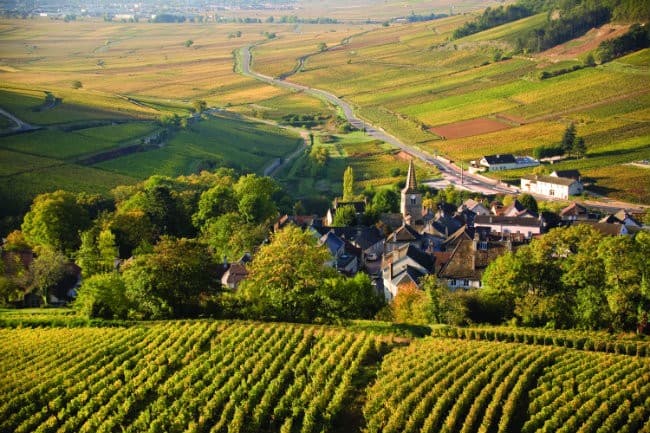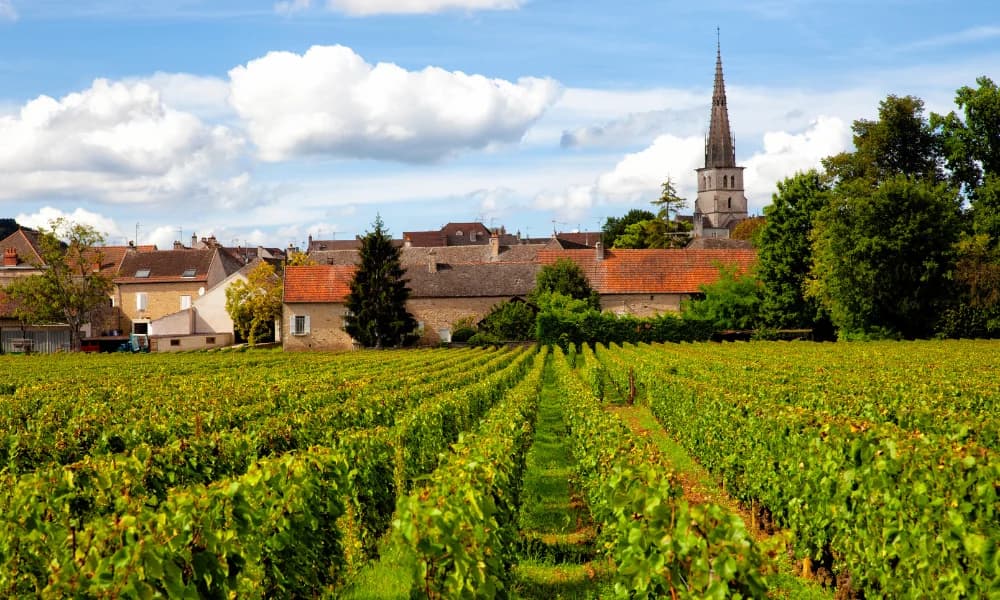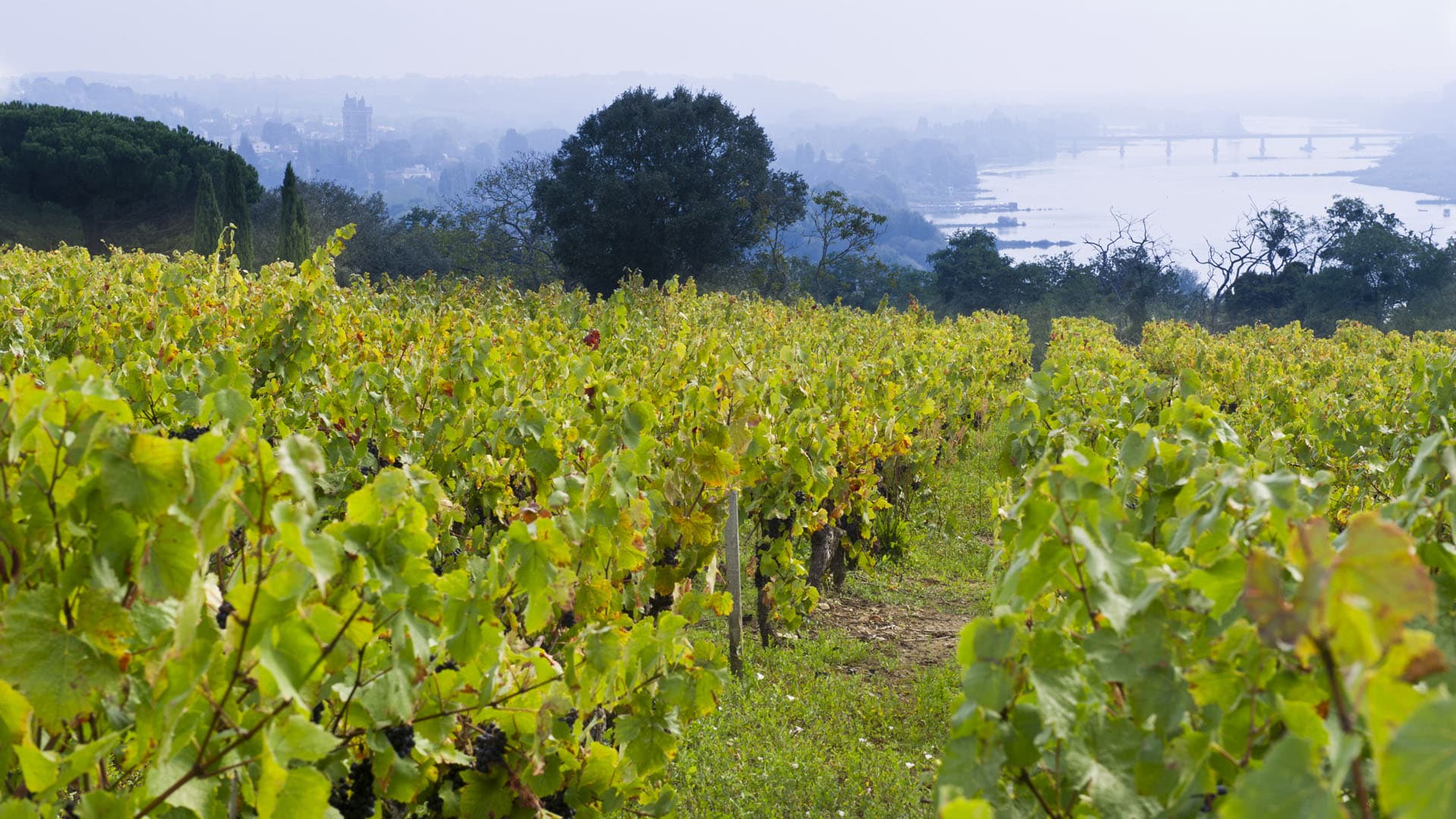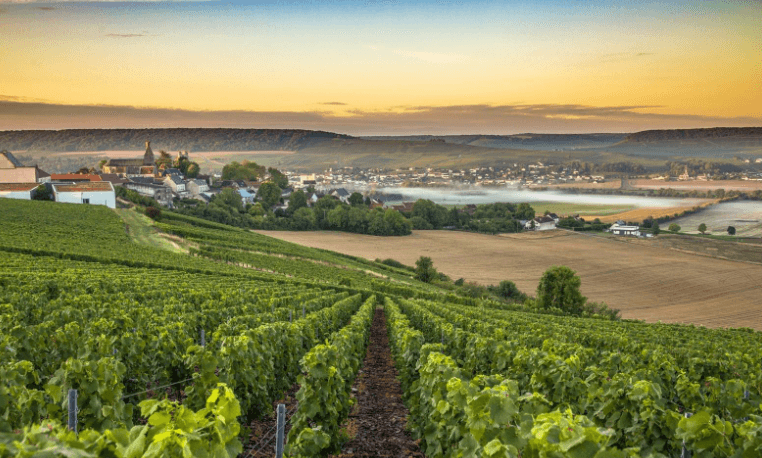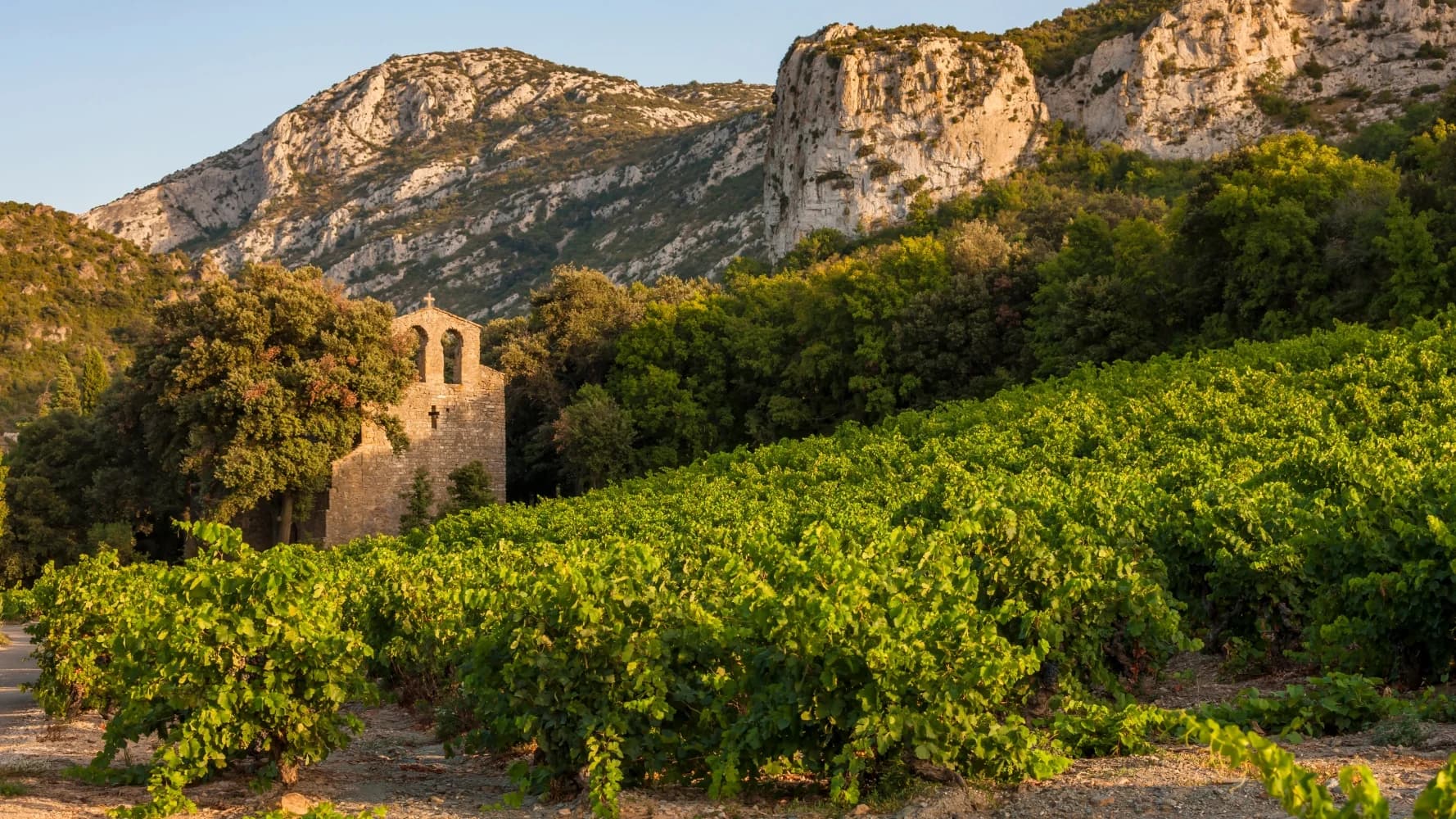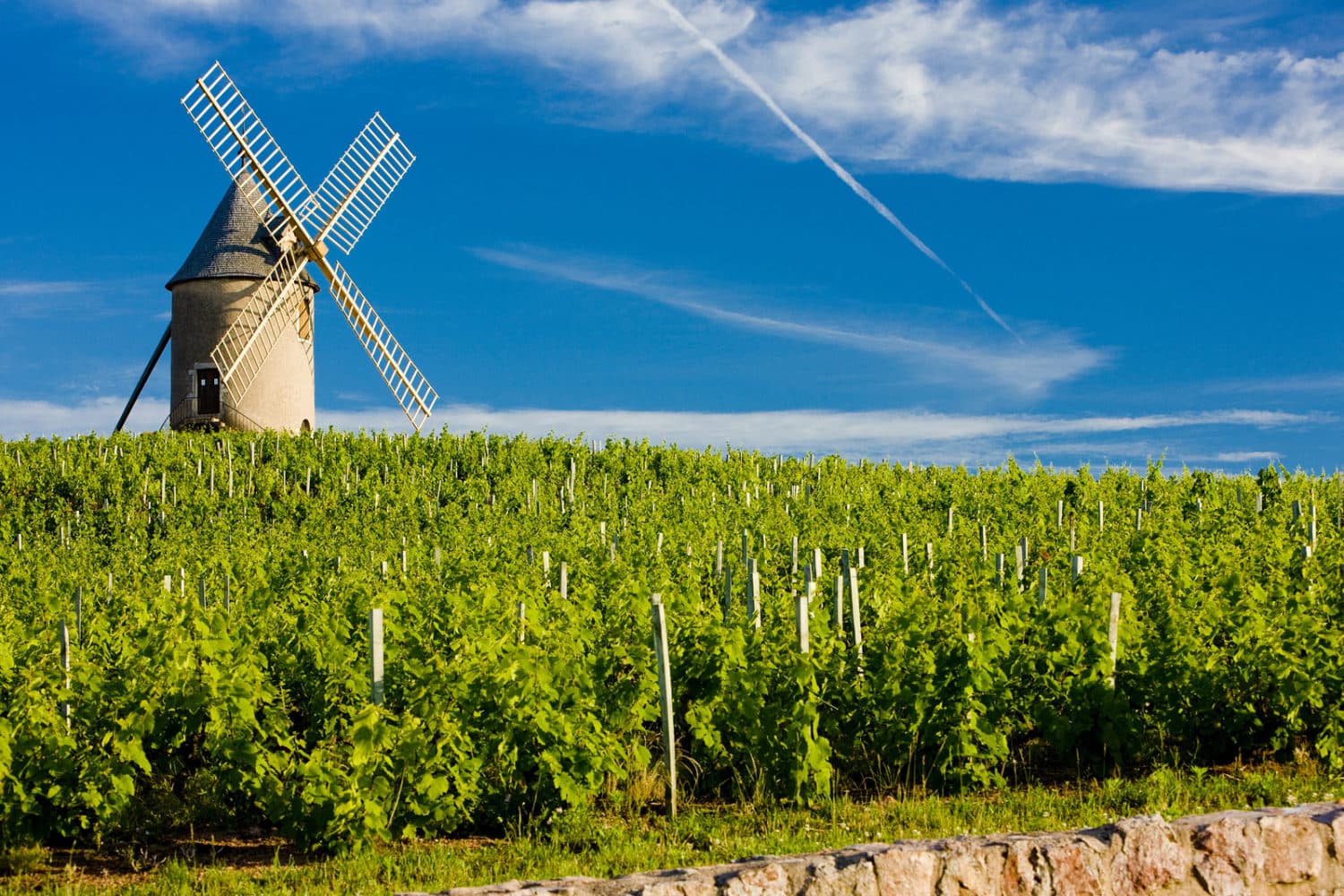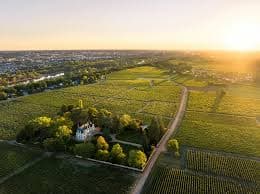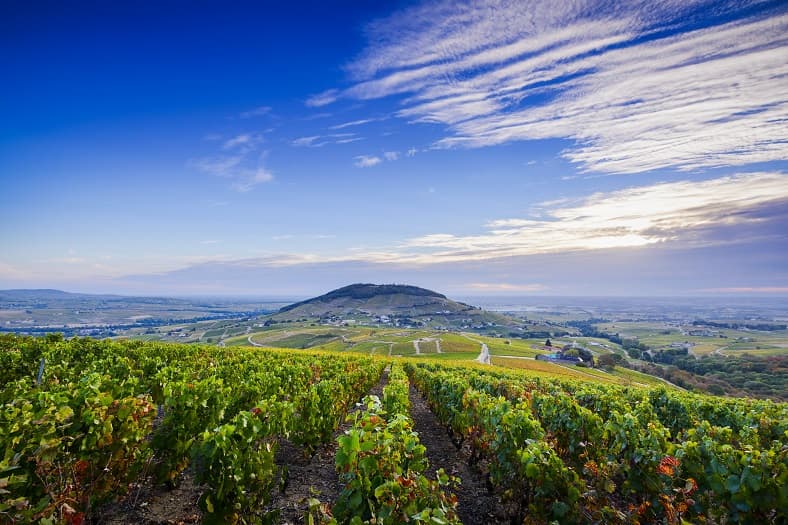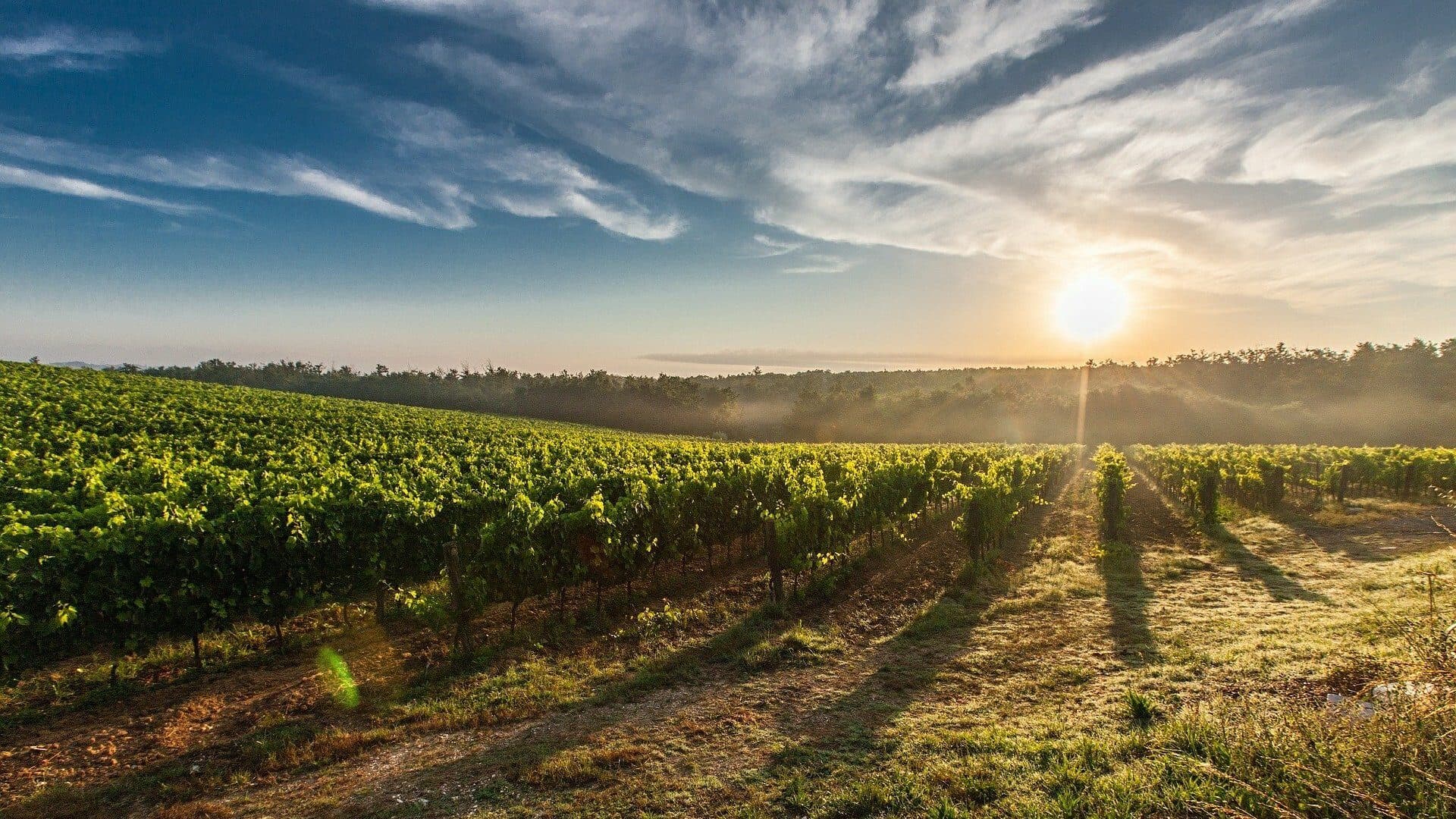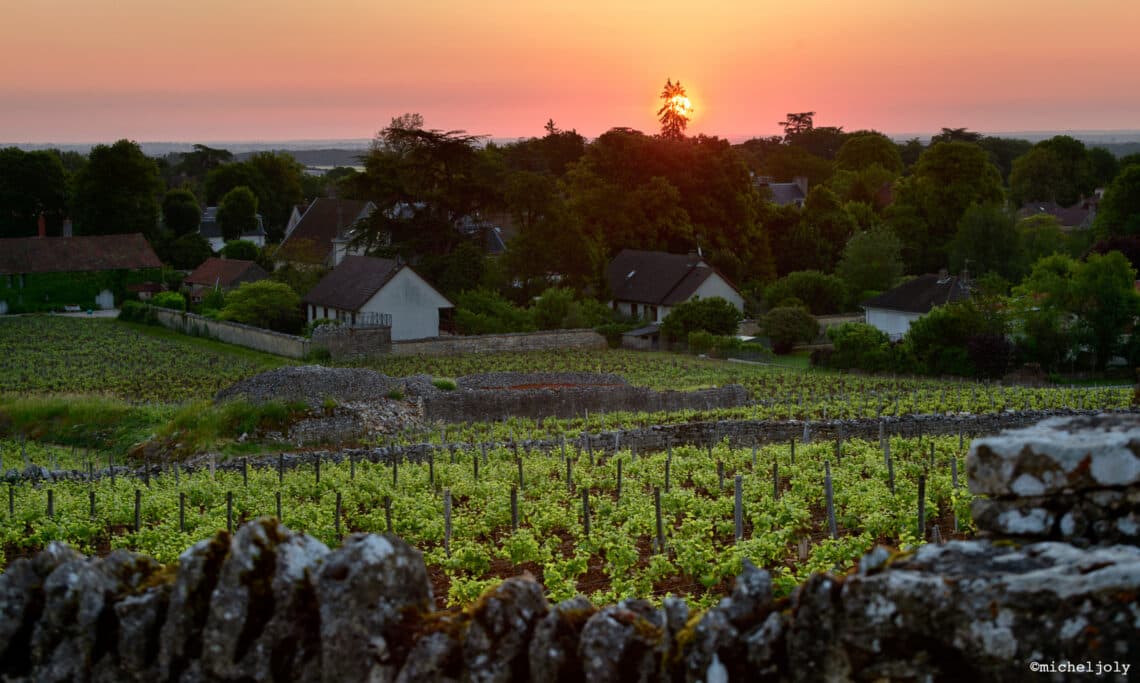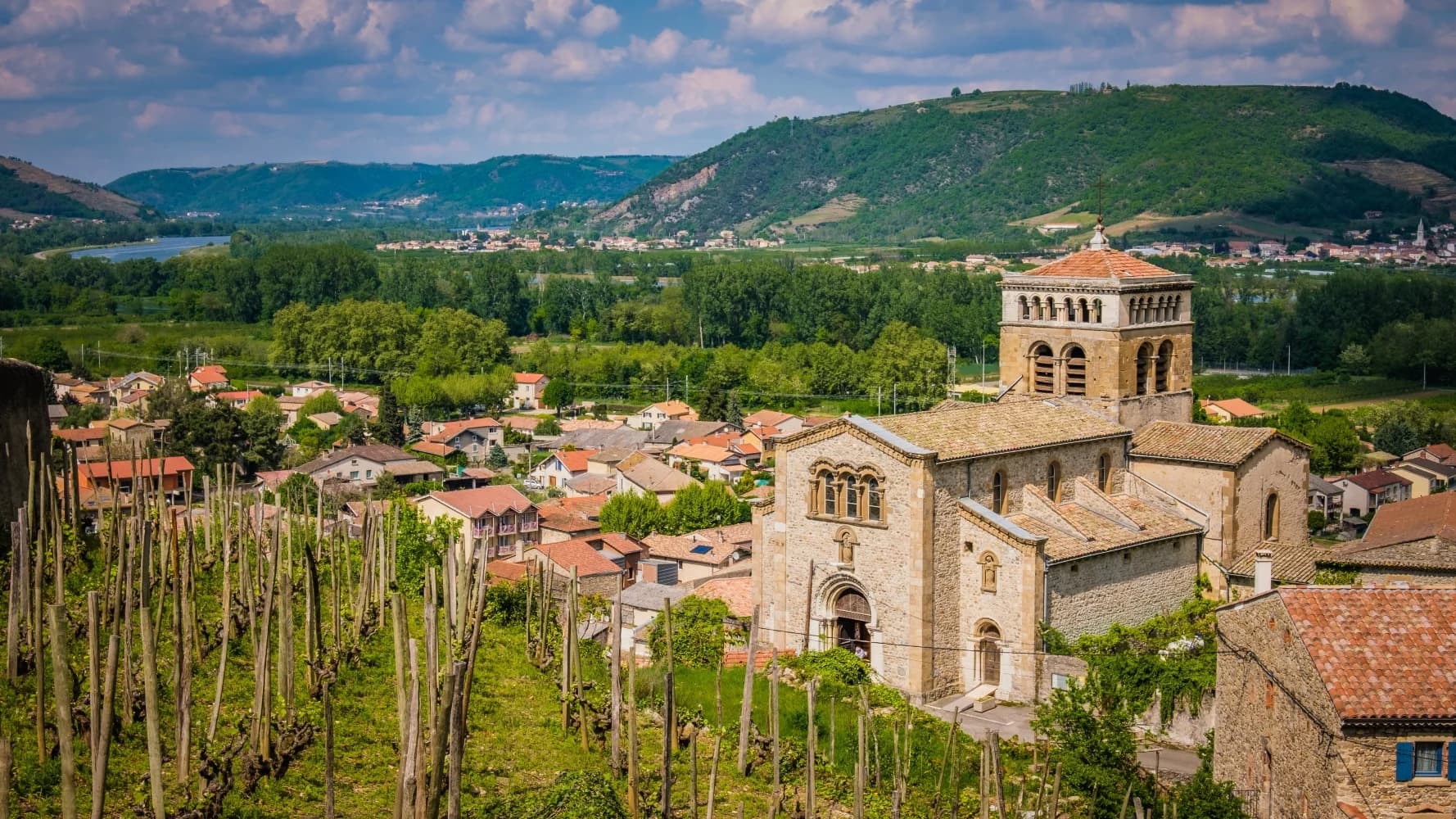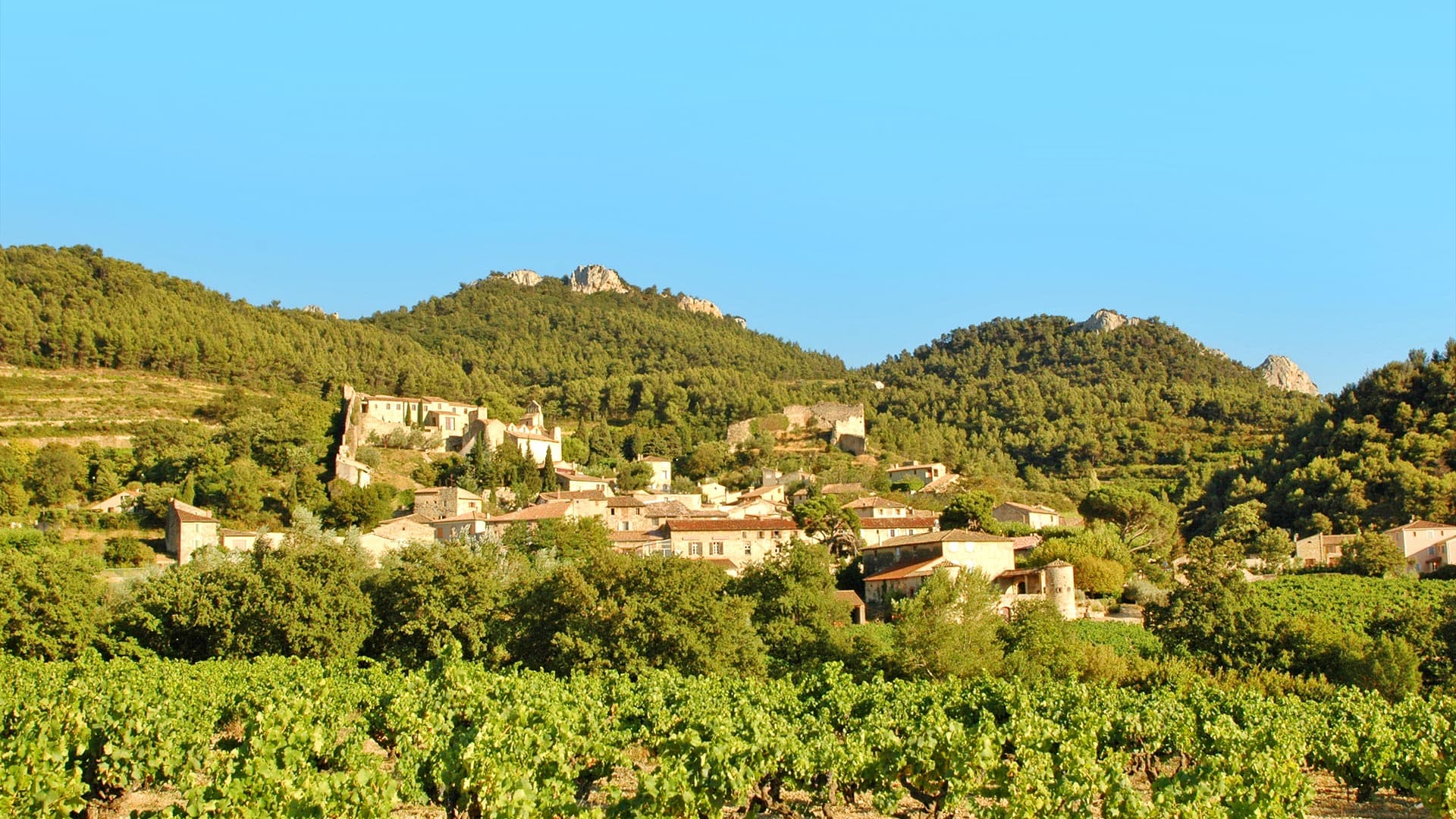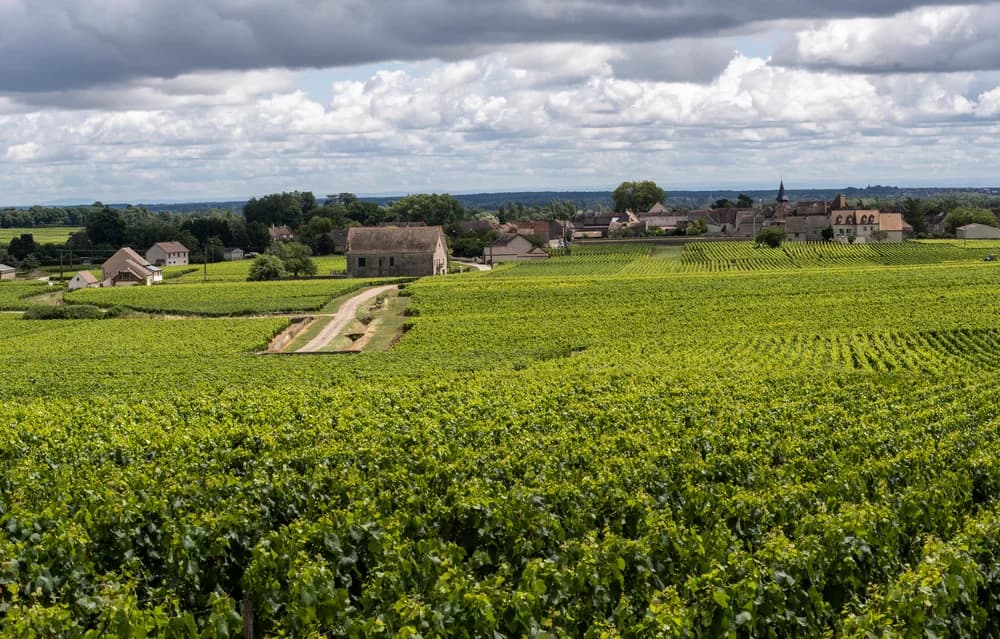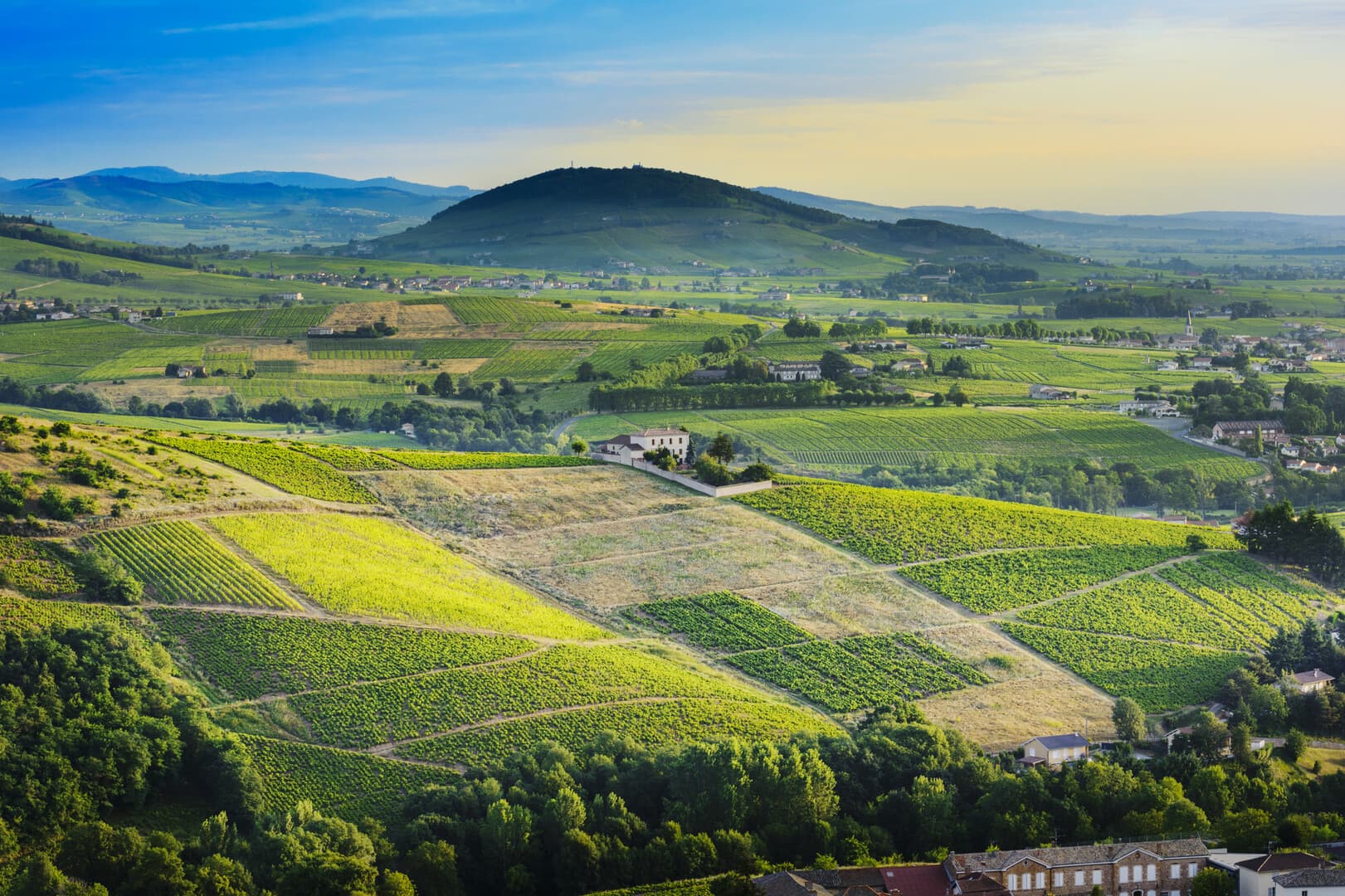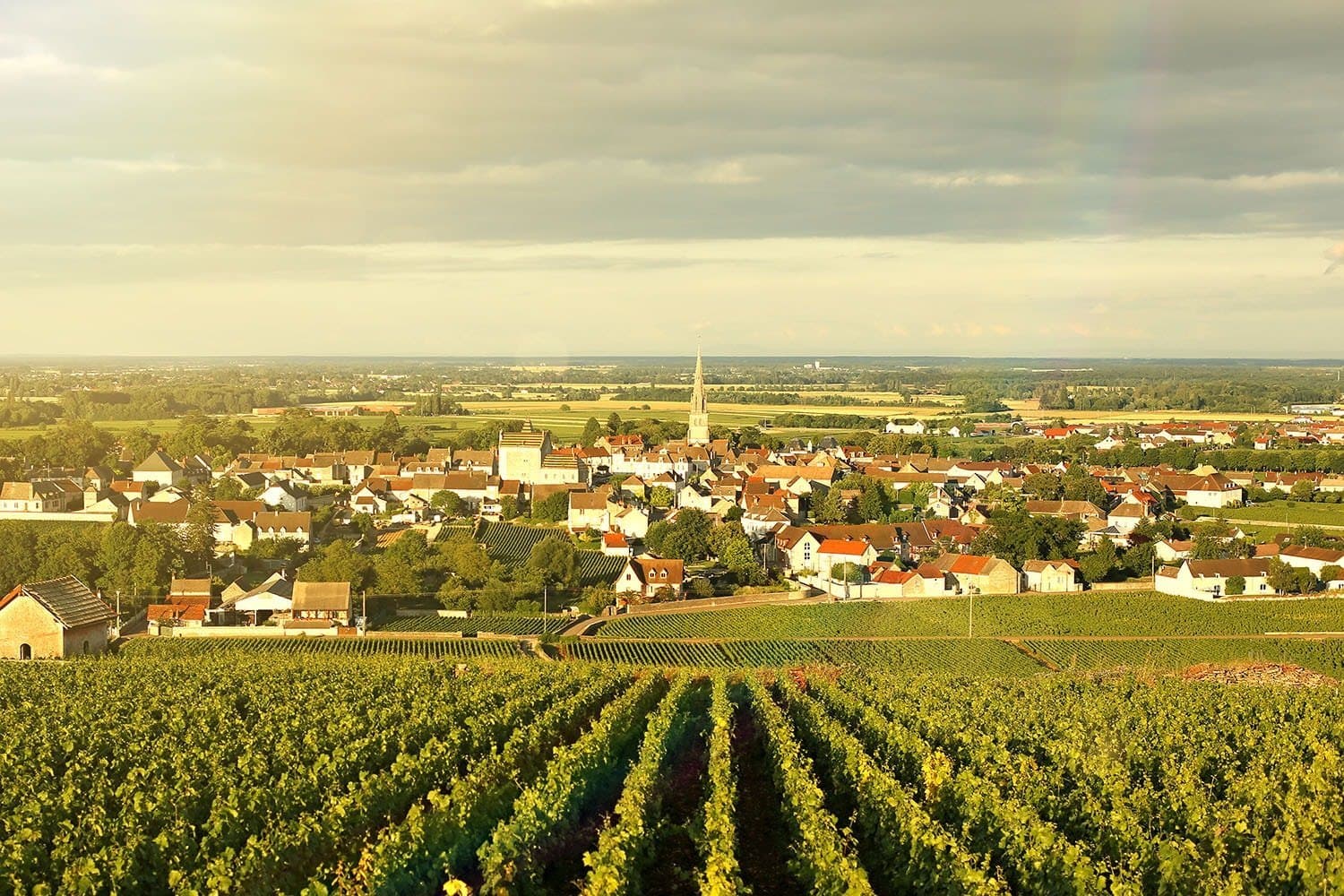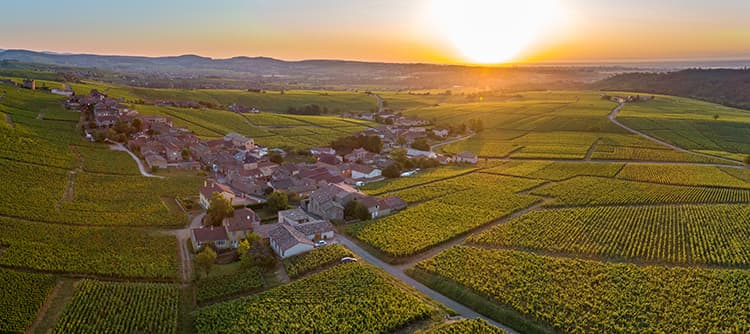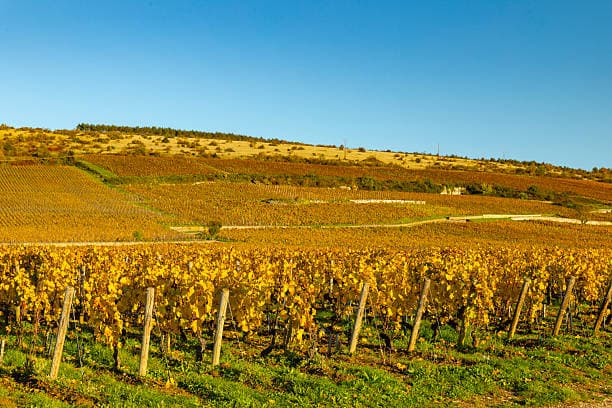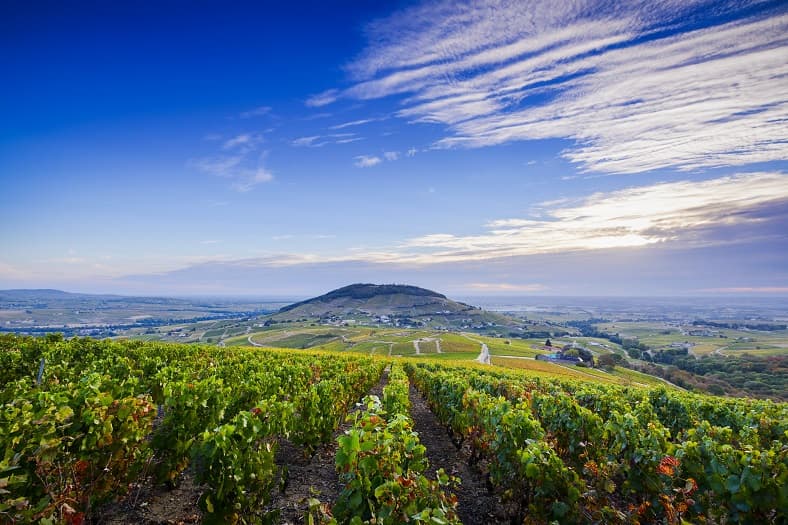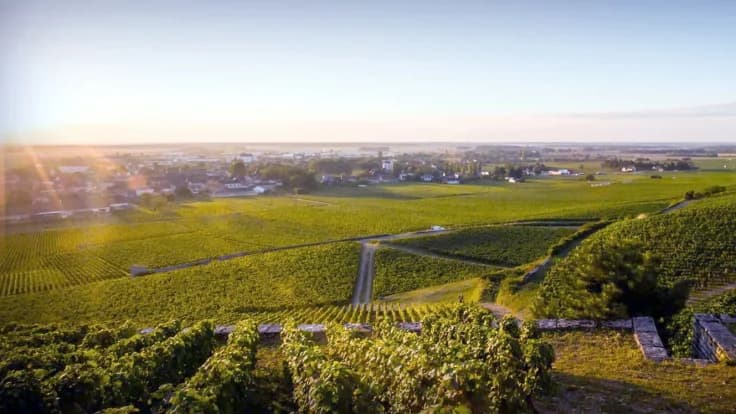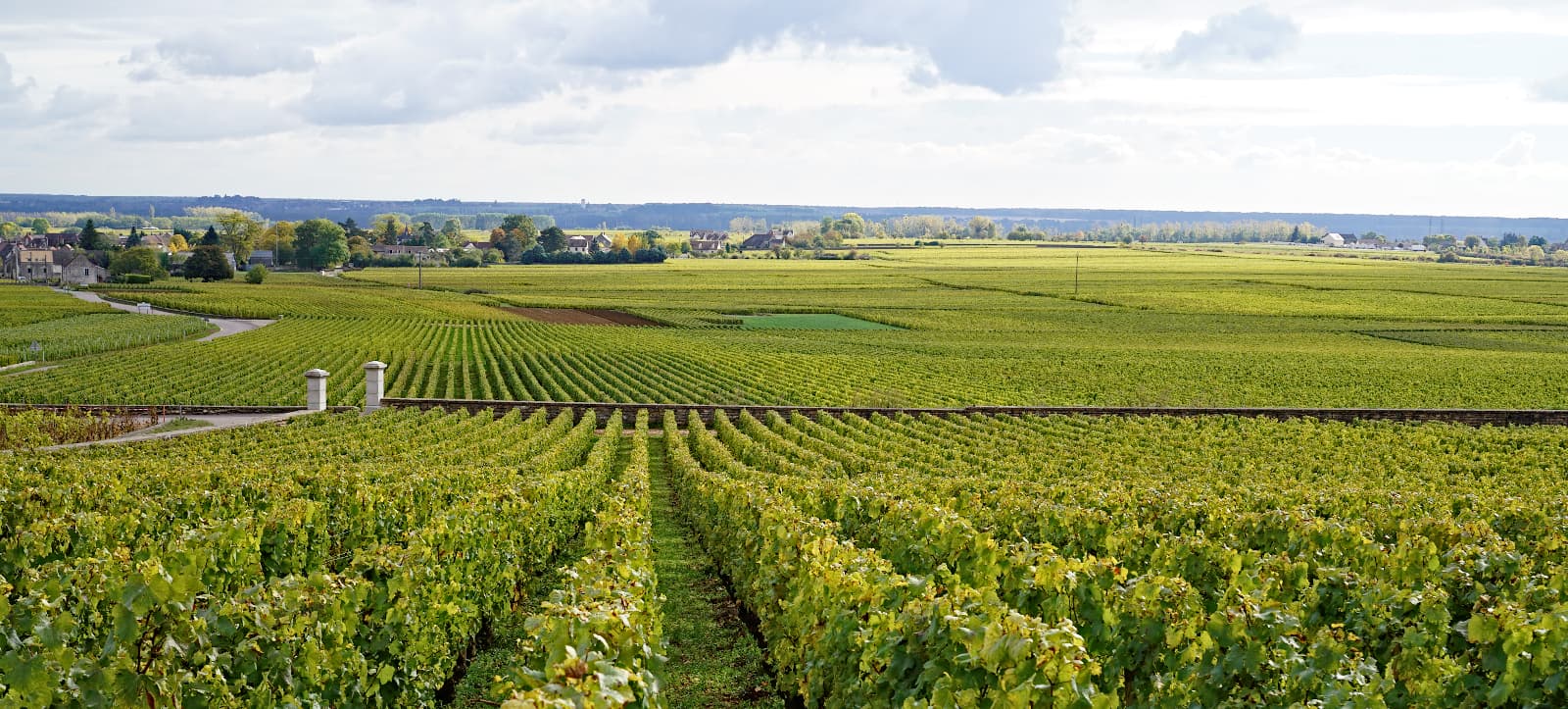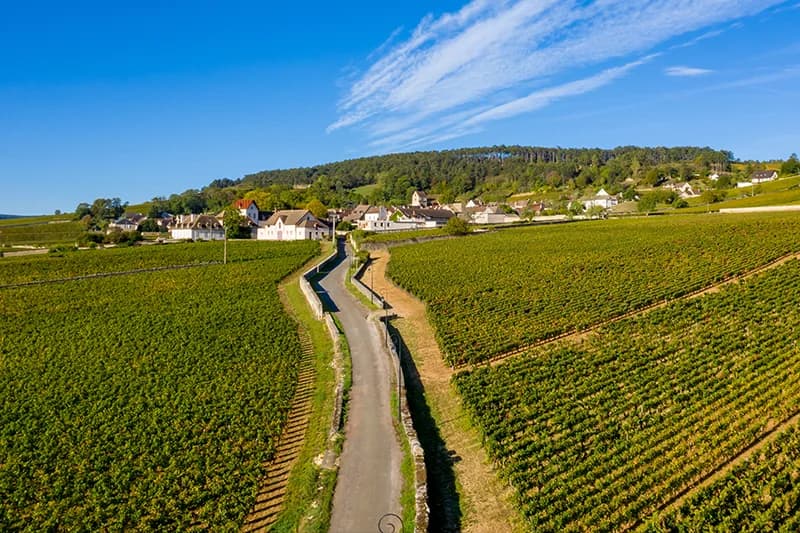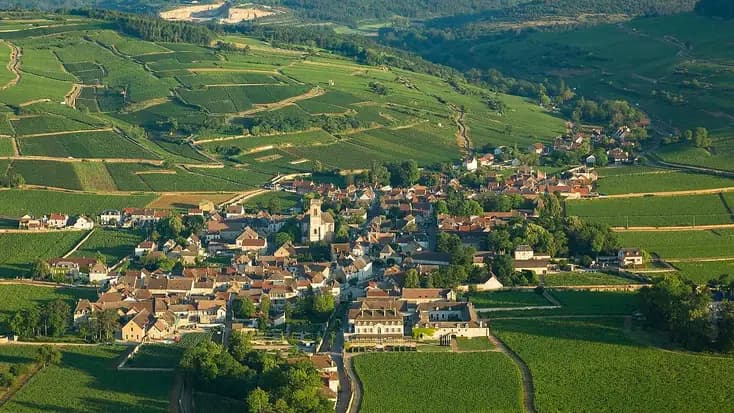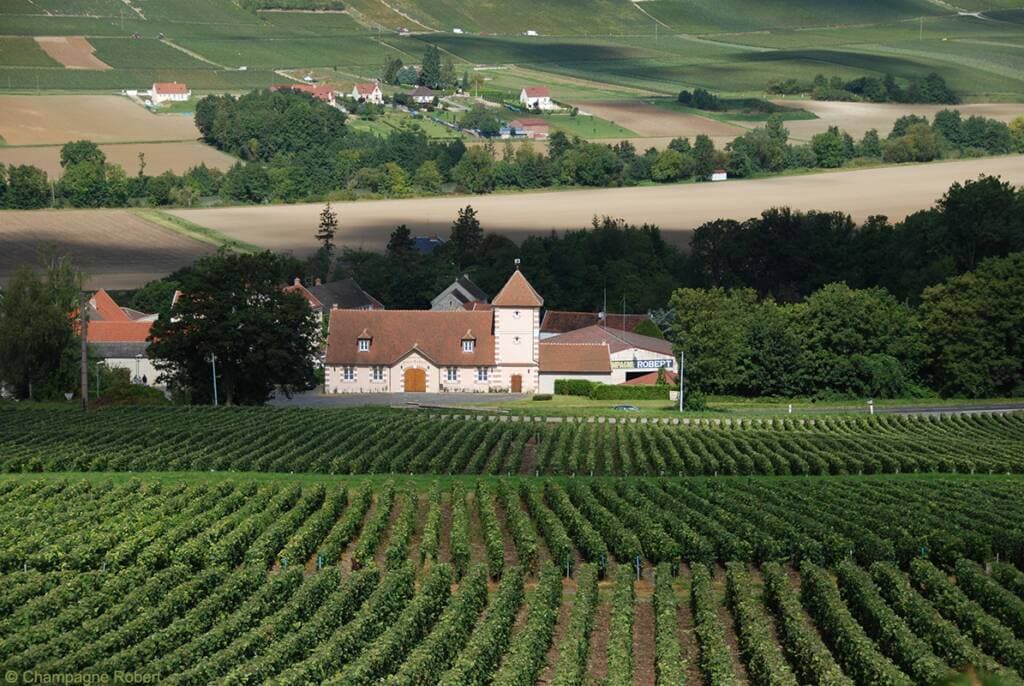
France stands as the epitome of wine and spirits excellence, boasting revered regions like Bordeaux and Burgundy, and the effervescent allure of Champagne. With esteemed producers such as Maison Louis Jadot and Domaine Faiveley, our selection of 4,845 products captures the diverse elegance of French terroirs, from the aromatic whites of Alsace to the rich Armagnac of Gascony. Whether it's the refined Cognacs of Charente or the artisanal spirits of Brittany, France's legacy in viniculture and distillation is unparalleled.
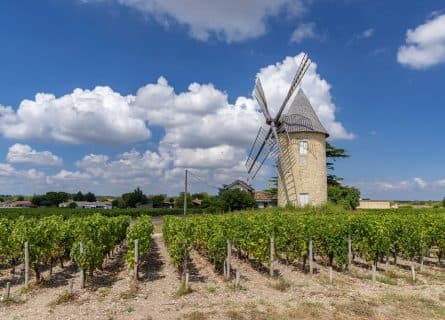
France stands as a beacon of excellence in the world of wine and spirits, offering a rich tapestry of flavors and traditions. From the prestigious vineyards of Bordeaux and Burgundy to the effervescent allure of Champagne, each region brings its own unique character to the table. Bordeaux, known for its robust reds, showcases grape varieties like Cabernet Sauvignon and Merlot, while Burgundy is celebrated for its exquisite Pinot Noir and Chardonnay. The Champagne region, synonymous with celebration, produces sparkling wines that are the epitome of elegance.
In addition to its renowned wines, France is also a powerhouse in the spirits world. Cognac, from the Charente region, is a luxurious brandy that captivates with its rich, complex flavors. Armagnac, hailing from Southwest France, offers a more rustic and earthy profile, perfect for connoisseurs seeking depth and character. Brittany and Normandy contribute to the spirits scene with their production of fine ciders and Calvados, an apple brandy that pairs beautifully with a variety of dishes.
Producers like Maison Louis Jadot, Moët & Chandon, and Hennessy exemplify the craftsmanship and dedication that define French wine and spirits. Whether you're indulging in a glass of Gérard Bertrand's Languedoc-Roussillon wines or savoring the refined notes of Rémy Martin Cognac, France offers a sensory journey that is both diverse and delightful.
Pairing French wine and spirits with food is an art form in itself. Bordeaux wines complement hearty dishes like beef bourguignon, while a crisp Loire Valley white wine is perfect with seafood. Champagne's versatility makes it a delightful match for everything from oysters to creamy cheeses. For spirits, a glass of Cognac or Armagnac is a sublime end to a meal, especially when paired with rich desserts or a fine cigar.
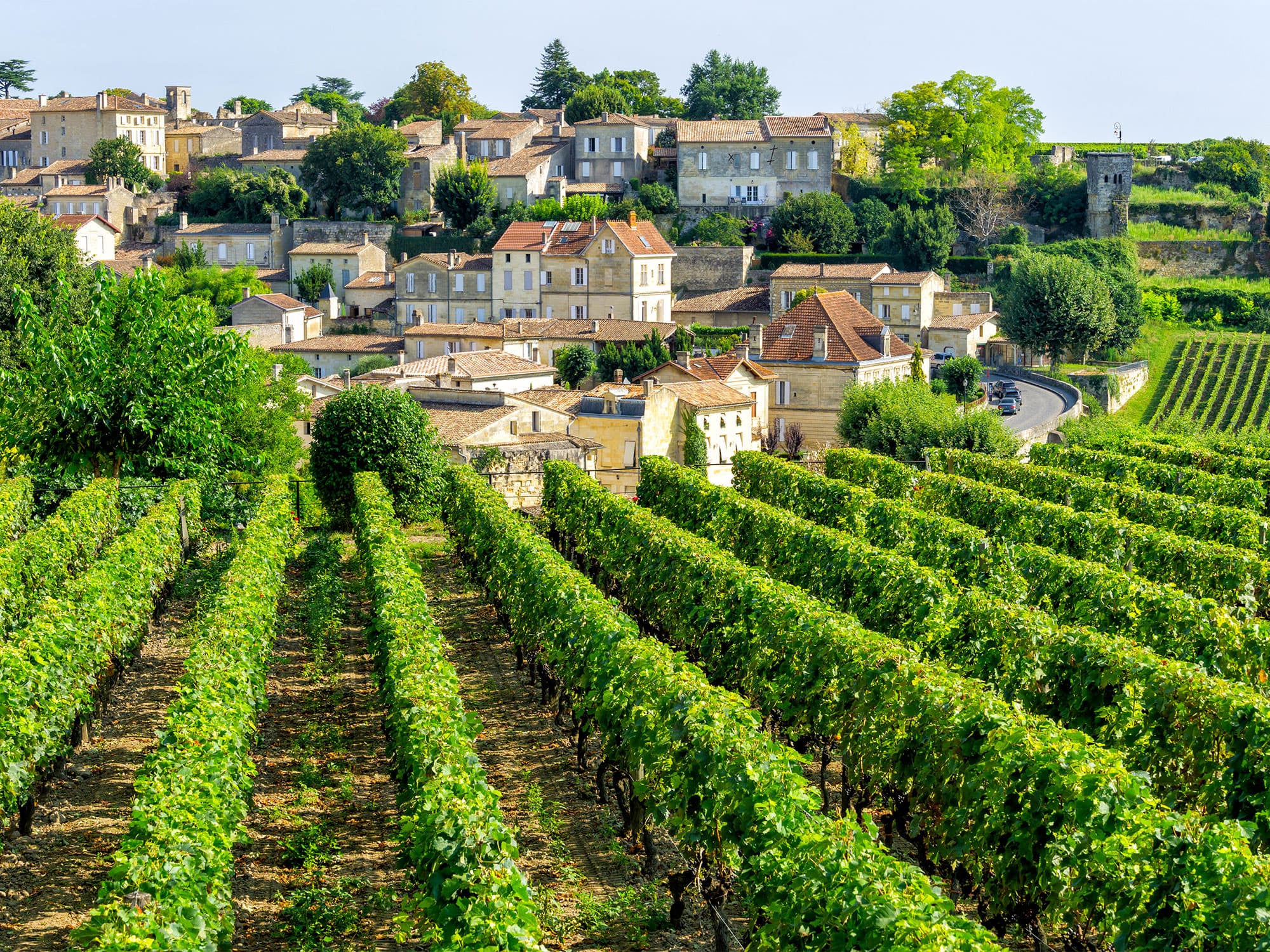
Wine Regions of France
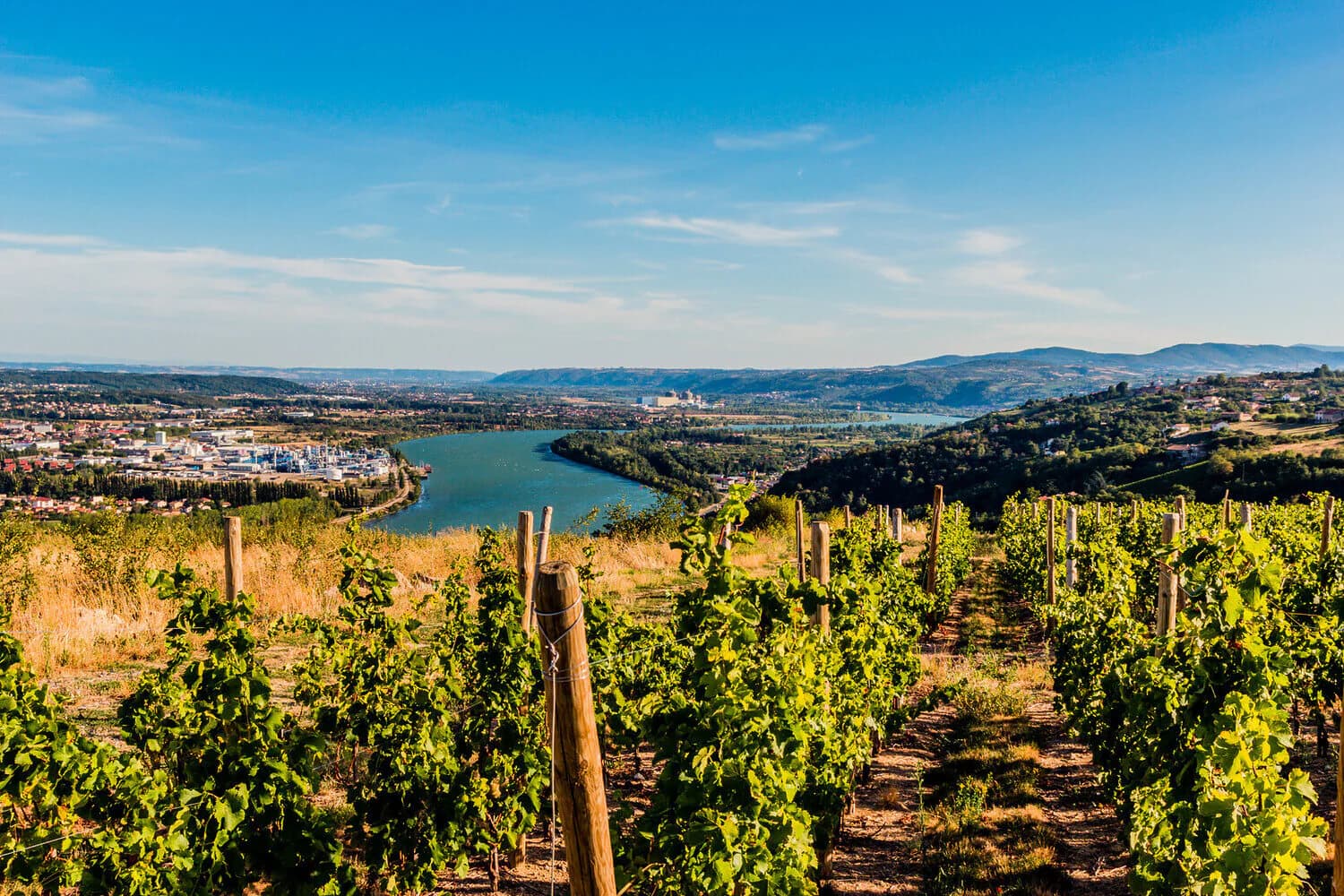
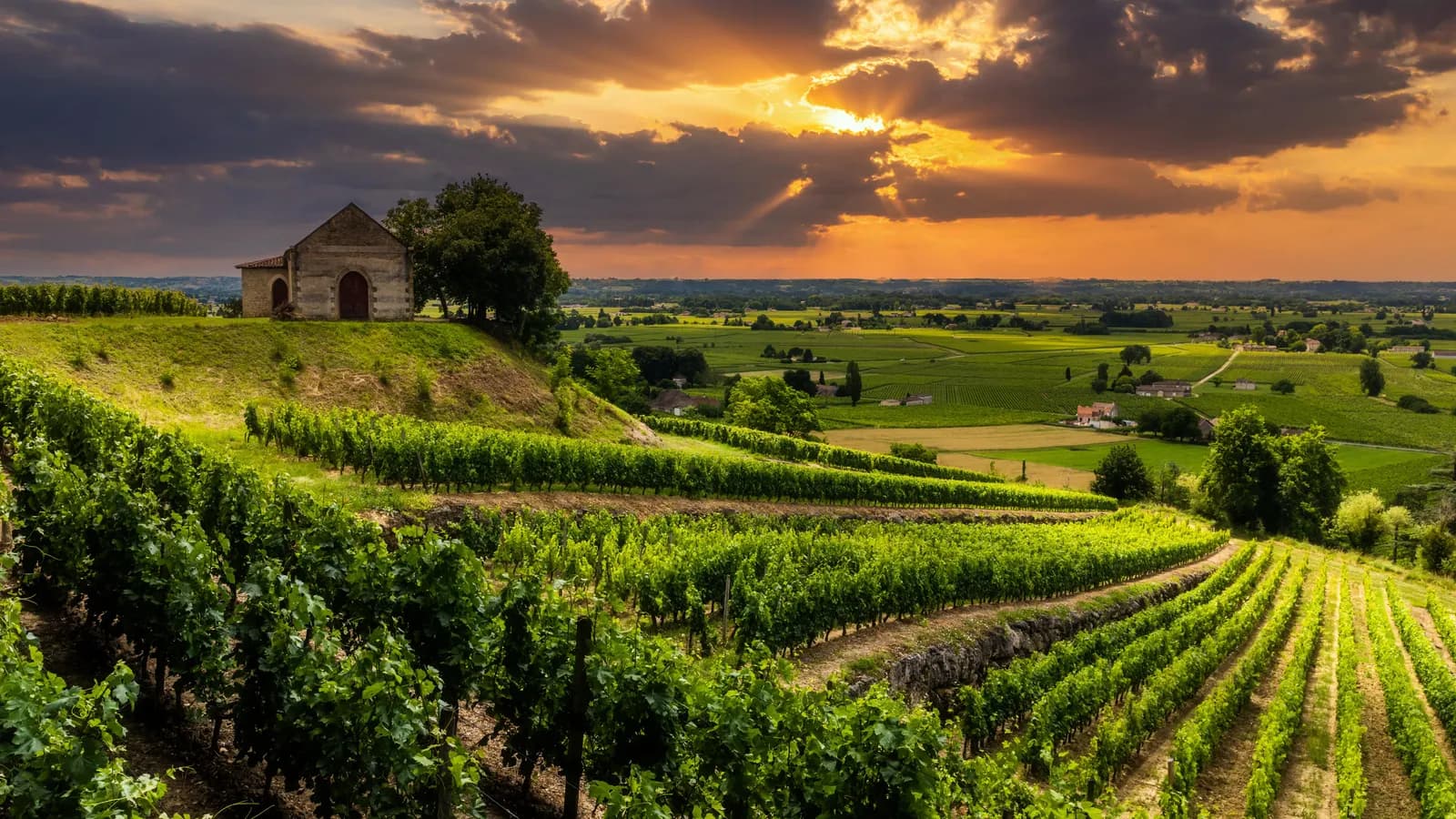
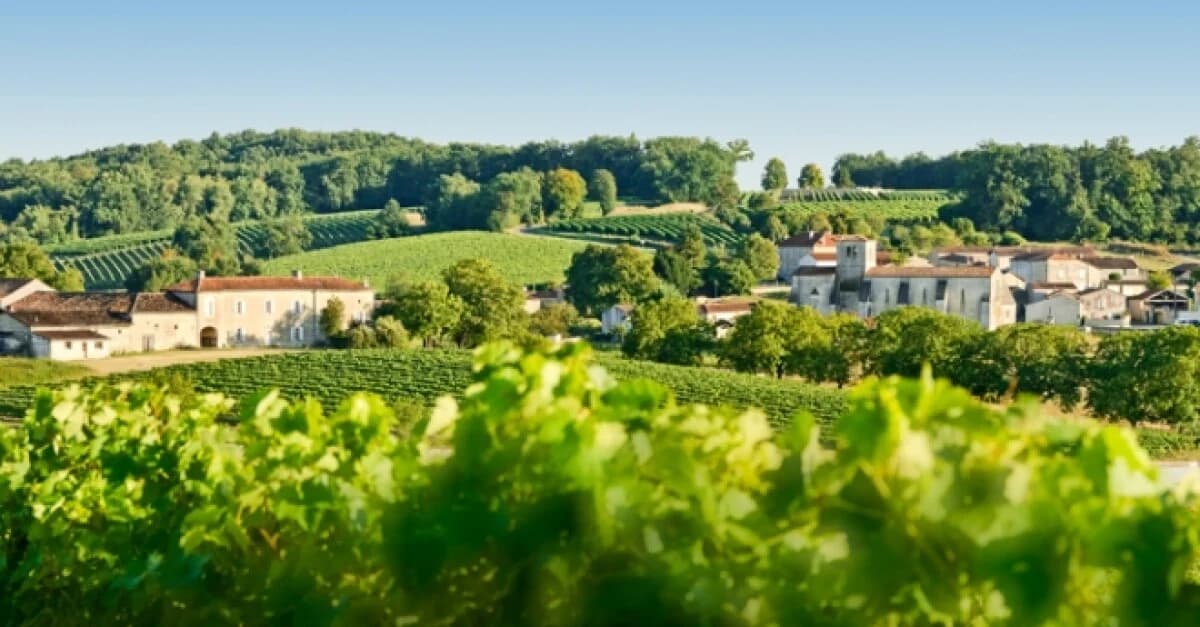
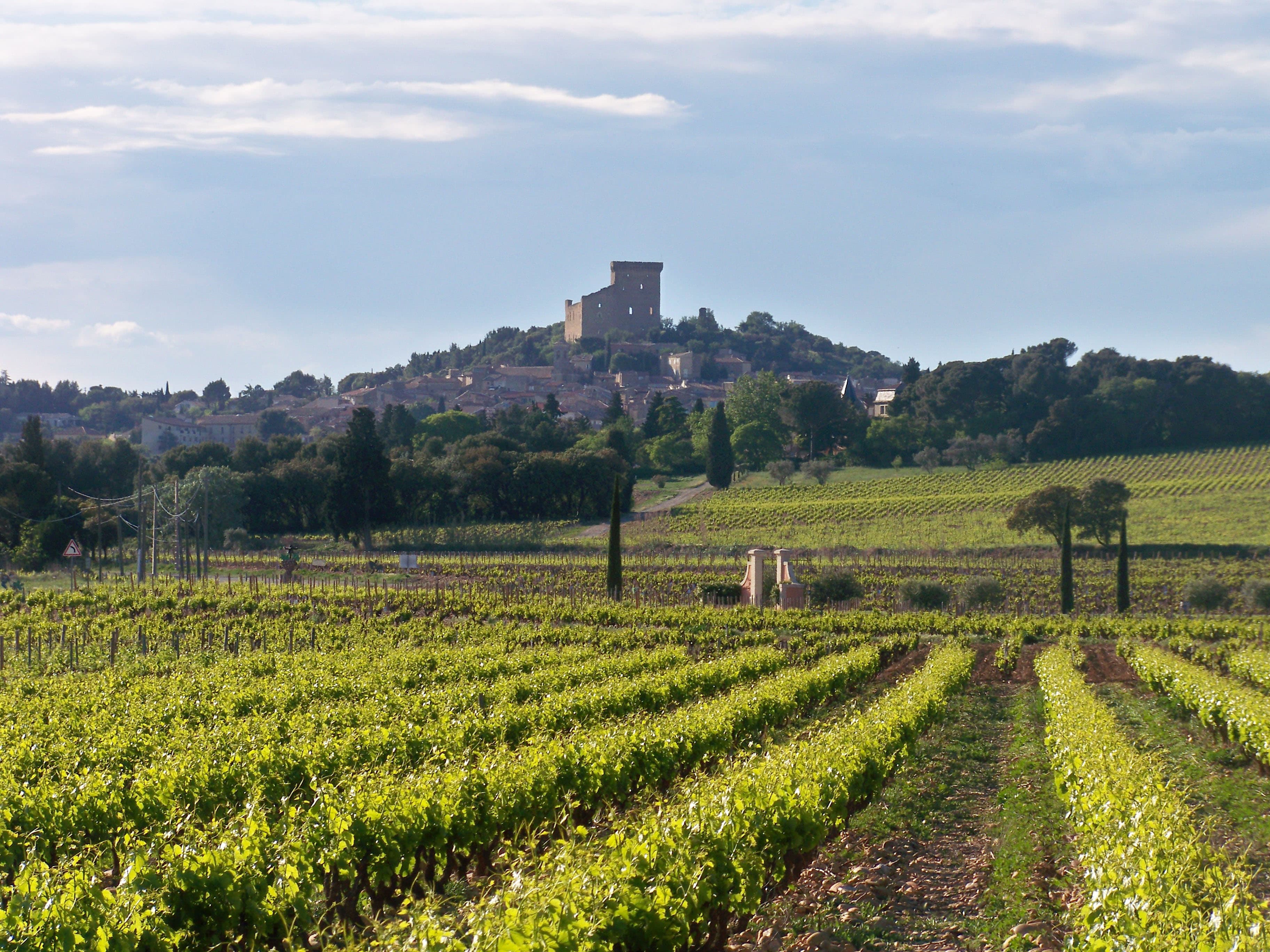
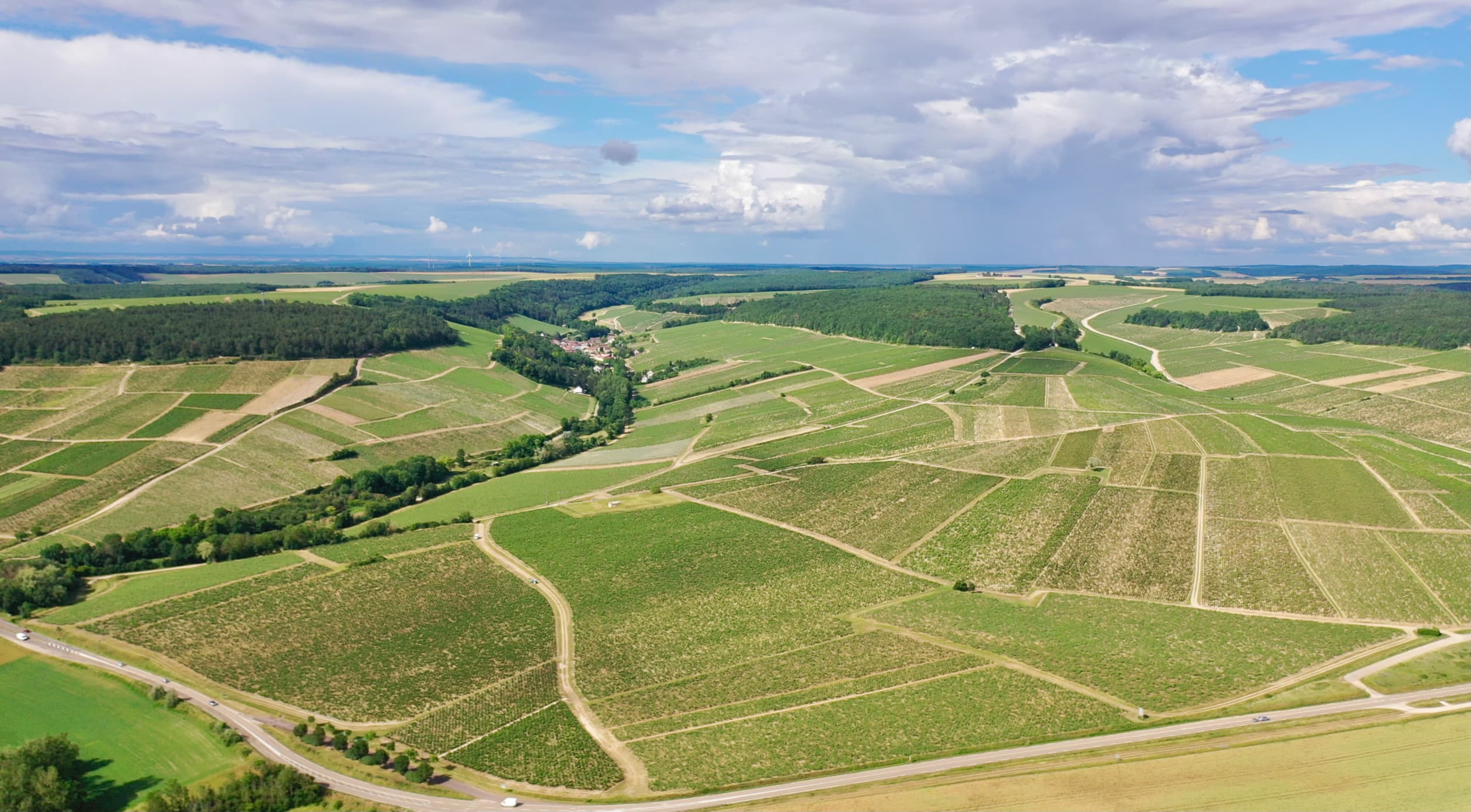
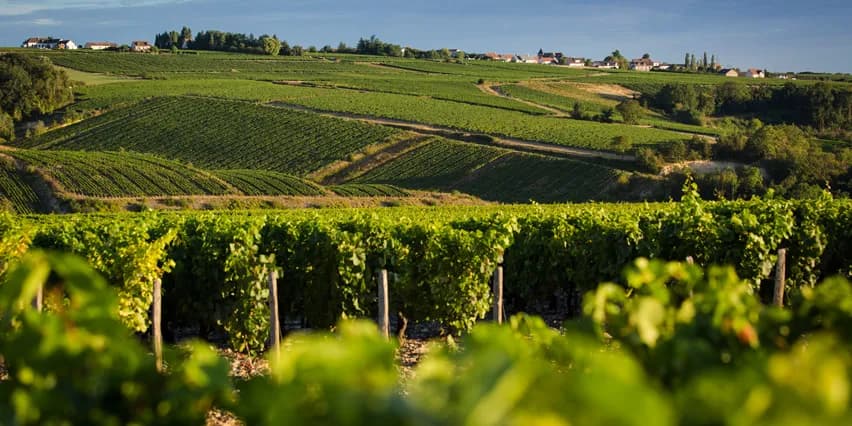
France's wine regions are legendary, each offering distinct characteristics and flavors. Bordeaux is famed for its full-bodied reds, while Burgundy is the heartland of Pinot Noir and Chardonnay. Champagne, synonymous with luxury, produces the world's most celebrated sparkling wines. The Loire Valley offers a diverse range of whites and reds, and Provence is known for its refreshing rosés. Alsace brings aromatic whites to the table, and the Rhone Valley is celebrated for its robust reds and whites.
Spirits from France
France's spirits heritage is rich and varied. Cognac, from the Charente region, is a world-renowned brandy known for its smooth, complex flavors. Armagnac, produced in Southwest France, offers a more rustic and earthy profile. Brittany and Normandy are famous for their ciders and Calvados, an apple brandy with a distinctive taste. These regions highlight the diversity and depth of French spirits.
Climate & Terroir
France's diverse climate and geography play a crucial role in shaping its wine and spirits. The temperate climate of Bordeaux and the continental climate of Burgundy allow for the cultivation of a wide range of grape varieties. The Champagne region's cool climate is ideal for producing sparkling wines, while the Mediterranean climate of Provence is perfect for rosé. The varied climates across regions like Alsace, the Loire Valley, and the Rhone Valley contribute to the diversity and complexity of French wines and spirits.
History of France Wine & Spirits
France's winemaking and spirits history is a tapestry woven over centuries. The Romans introduced viticulture to the region, and by the Middle Ages, monasteries were cultivating vineyards across the country. The Bordeaux wine trade flourished in the 17th century, establishing France as a global wine powerhouse. The Champagne method was perfected in the 18th century, revolutionizing sparkling wine production. Cognac and Armagnac have been crafted since the 14th century, with distillation techniques refined over time. Today, France remains a leader in both wine and spirits, celebrated for its commitment to quality and tradition.
Frequently Asked Questions
What are the best French wines to buy?
France is renowned for its diverse wine regions, each producing distinct styles. Bordeaux and Burgundy are famous for their red wines, while Champagne is celebrated for its sparkling wines. For white wines, the Loire Valley and Alsace are highly regarded.
What is the difference between Champagne and other sparkling wines?
Champagne is a sparkling wine that must be produced in the Champagne region of France using specific methods. Other sparkling wines, like Crémant, may be made in different regions of France but cannot be labeled as Champagne. The traditional method, or 'méthode champenoise,' is a key factor in Champagne's unique quality.
How do I choose a good French Bordeaux wine?
When selecting a Bordeaux, consider the sub-region, such as Médoc or Saint-Émilion, which indicates the style and grape blend. Bordeaux wines are typically blends of Cabernet Sauvignon, Merlot, and other varietals. Vintage year can also impact quality, with some years being more favorable due to weather conditions.
What are the key characteristics of French Burgundy wines?
Burgundy wines are primarily made from Pinot Noir for reds and Chardonnay for whites. The region is known for its terroir-driven wines, meaning the soil and climate greatly influence the flavor profile. Burgundy wines are often described as elegant and complex, with a focus on expressing the vineyard's unique characteristics.
Are there any famous French spirits I should try?
Cognac and Armagnac are two of France's most famous spirits, both types of brandy with distinct production regions and methods. Cognac is typically smoother and more refined, while Armagnac is known for its robust and rustic character. Both offer a range of flavors depending on age and blend.