-
Capital Spirits Logo

FOR THE THIRSTY

Raise a glass with us #Cheers

FacebookInstagramTikTokYouTube
concierge@capitalspirits.com
AboutLocationsEventsTrack OrderPrivacy PolicyTerms & ConditionsShipping PolicyReturn Policy
VisaMastercardAmerican ExpressApple PayGoogle Pay
Powered by Stripe
© 2026 Capital Spirits. All rights reserved.
APPELLATION

Bourgogne Wine Selection

Bourgogne is defined by its strict AOC regulations, ensuring wines of exceptional quality and character. This appellation produces both red and white wines, primarily from Pinot Noir and Chardonnay, offering a diverse range of flavors.

Collections/Countries/France/Burgundy/Bourgogne

About Bourgogne

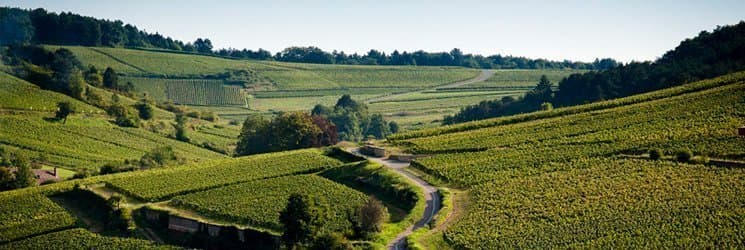
Bourgogne, synonymous with excellence in winemaking, is a region that captivates wine enthusiasts with its storied history and diverse terroirs. The appellation is renowned for its strict AOC regulations, which ensure that every bottle meets high standards of quality. Bourgogne primarily produces red wines from Pinot Noir and white wines from Chardonnay, each offering a unique expression of the region's terroir. The flavor profiles of Bourgogne wines are as varied as the landscapes they come from. Pinot Noir wines are celebrated for their elegance, with notes of red berries, earth, and spice, while Chardonnay wines are known for their complexity, featuring flavors of citrus, apple, and minerality. Notable producers such as Maison Louis Jadot, Domaine Faiveley, and Olivier Leflaive craft wines that are both accessible and collectible, catering to a range of palates and budgets. Prices for Bourgogne wines can vary significantly, with entry-level bottles offering excellent value and premium selections commanding higher prices due to their limited production and aging potential. Whether you are seeking the best Bourgogne wines for a special occasion or looking to expand your collection, this region offers something for every wine lover. Choose Bourgogne for its unparalleled quality, rich history, and the promise of a truly memorable wine experience.

Regulations & Standards

Bourgogne's AOC regulations are among the most stringent in the world, ensuring that wines meet high standards of quality and authenticity. These regulations dictate grape varieties, yield limits, and winemaking practices. For instance, red Bourgogne must be made primarily from Pinot Noir, while white Bourgogne is predominantly Chardonnay. The appellation also enforces strict guidelines on vineyard management and wine production to preserve the integrity and reputation of Bourgogne wines.

Grape Varieties

Bourgogne is predominantly known for its Pinot Noir and Chardonnay grapes. Pinot Noir thrives in the region's varied climates and soils, producing red wines with a delicate balance of fruit, acidity, and tannins. Chardonnay, on the other hand, is the cornerstone of Bourgogne's white wines, offering a spectrum of flavors from crisp and mineral-driven to rich and buttery. These varieties are perfectly suited to Bourgogne's terroir, allowing winemakers to craft wines that express the unique characteristics of each vineyard.

Soil Composition

The soils of Bourgogne are incredibly diverse, with limestone and marl being predominant. These soils contribute to the minerality and structure of the wines, particularly in Chardonnay. The presence of clay in certain areas enhances the richness and depth of Pinot Noir. This complex soil composition allows for a wide range of wine styles, each reflecting the unique terroir of its origin.

Climate Characteristics

Bourgogne experiences a continental climate, characterized by cold winters and warm summers. This climate is ideal for the slow ripening of grapes, allowing them to develop complex flavors and maintain balanced acidity. The region's varied microclimates further contribute to the diversity of wine styles, with cooler areas producing more delicate wines and warmer zones yielding richer, more robust expressions.

Production Standards

Winemaking in Bourgogne adheres to traditional methods, often involving manual harvesting and minimal intervention to preserve the natural expression of the grapes. Fermentation typically takes place in oak barrels, which can vary in size and age, influencing the wine's flavor and texture. The focus is on crafting wines that reflect the unique terroir of each vineyard, with an emphasis on quality over quantity.

On this page

  • About Bourgogne
  • Regulations & Standards
  • Grape Varieties
  • Soil Composition
  • Climate Characteristics
  • Production Standards

Frequently Asked Questions

What are the main types of wine produced in Bourgogne?
Bourgogne, also known as Burgundy, is renowned for its Pinot Noir and Chardonnay wines. These varietals are the primary focus, with Pinot Noir producing elegant red wines and Chardonnay offering a range of white wines from crisp and mineral to rich and buttery.
How does Bourgogne wine differ from Bordeaux wine?
Bourgogne wines are primarily made from single grape varieties, Pinot Noir for reds and Chardonnay for whites, while Bordeaux wines are typically blends. Bourgogne wines are known for their subtlety and complexity, often reflecting the specific terroir of their vineyard sites.
What is the best way to store Bourgogne wine?
Bourgogne wines should be stored in a cool, dark place with a stable temperature, ideally between 10-15°C (50-59°F). They should be laid on their side to keep the cork moist, which helps to preserve the wine's quality over time.
What food pairs well with Bourgogne wine?
Pinot Noir from Bourgogne pairs well with dishes like roasted chicken, duck, and mushroom-based dishes, while Chardonnay complements seafood, creamy sauces, and poultry. The wine's acidity and complexity make it versatile for pairing with a variety of cuisines.
How can I identify authentic Bourgogne wine?
Authentic Bourgogne wines will have the appellation 'Bourgogne' or a specific village name on the label, along with the grape variety. Look for the AOC (Appellation d'Origine Contrôlée) designation, which ensures the wine meets strict regional production standards.