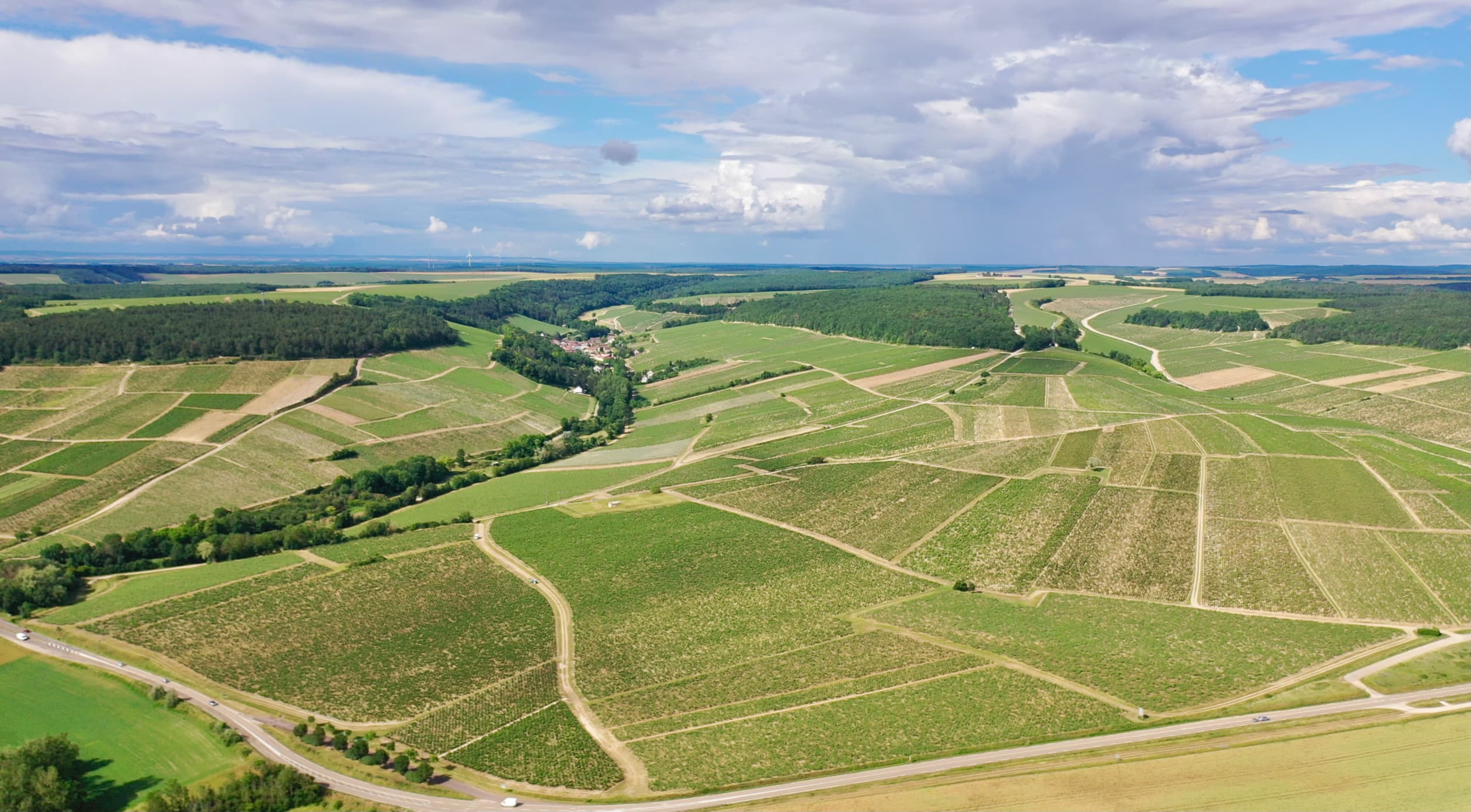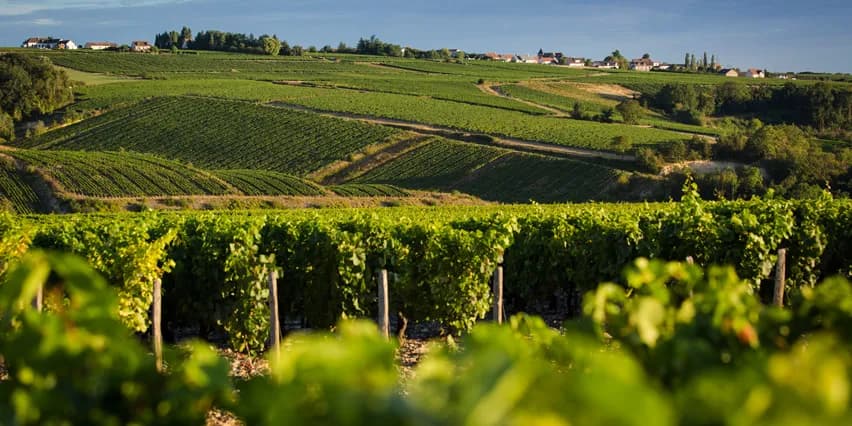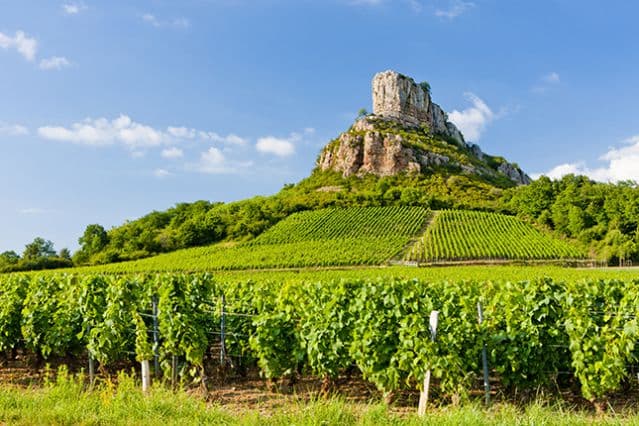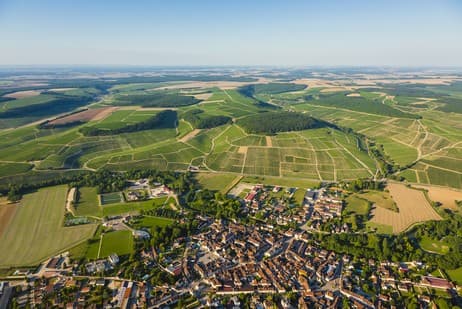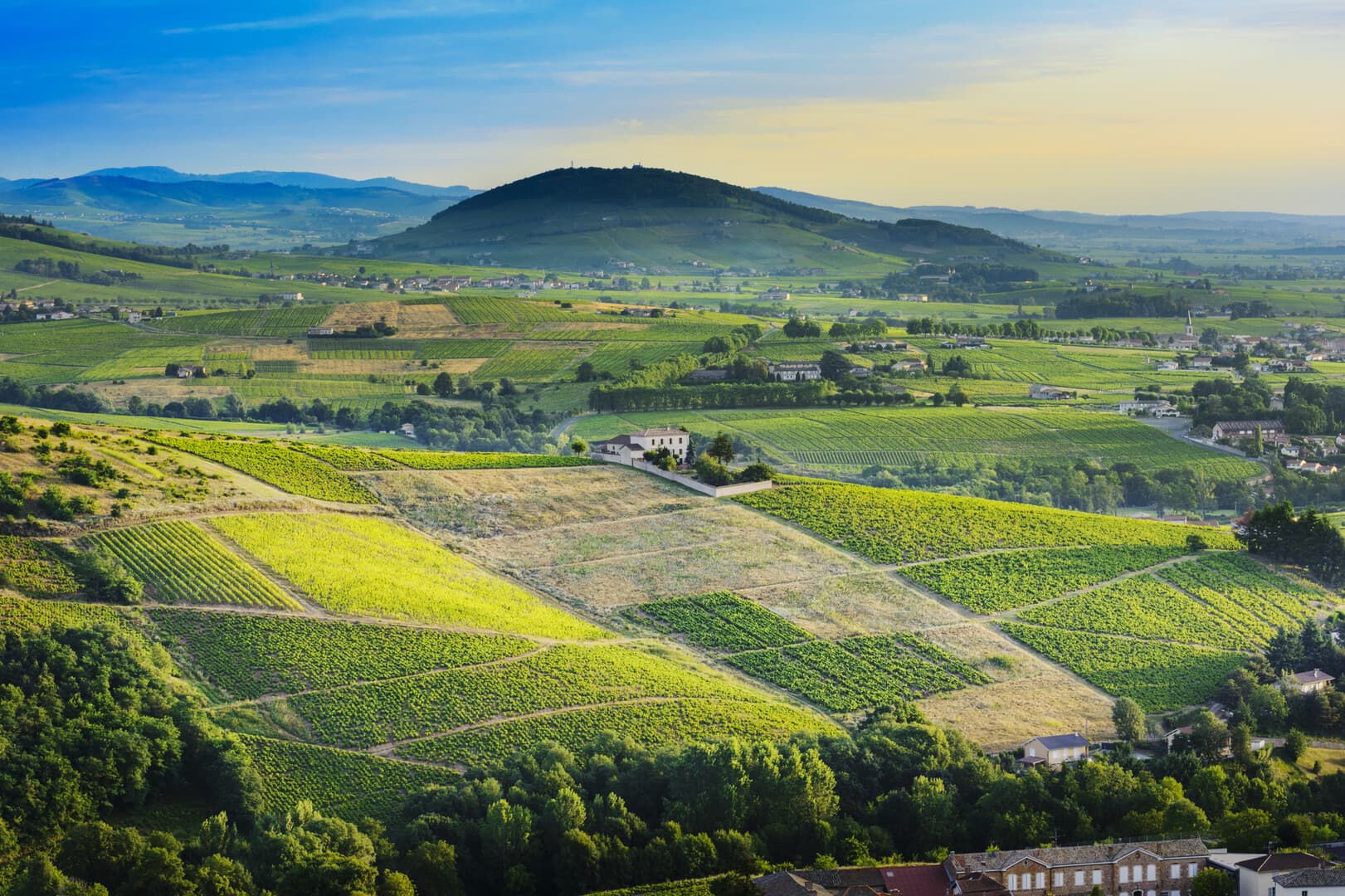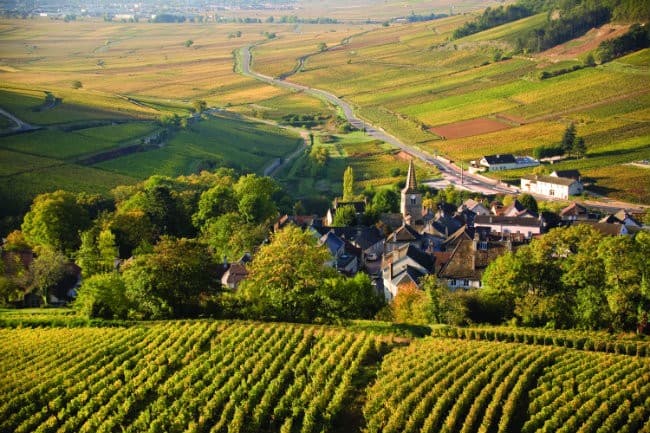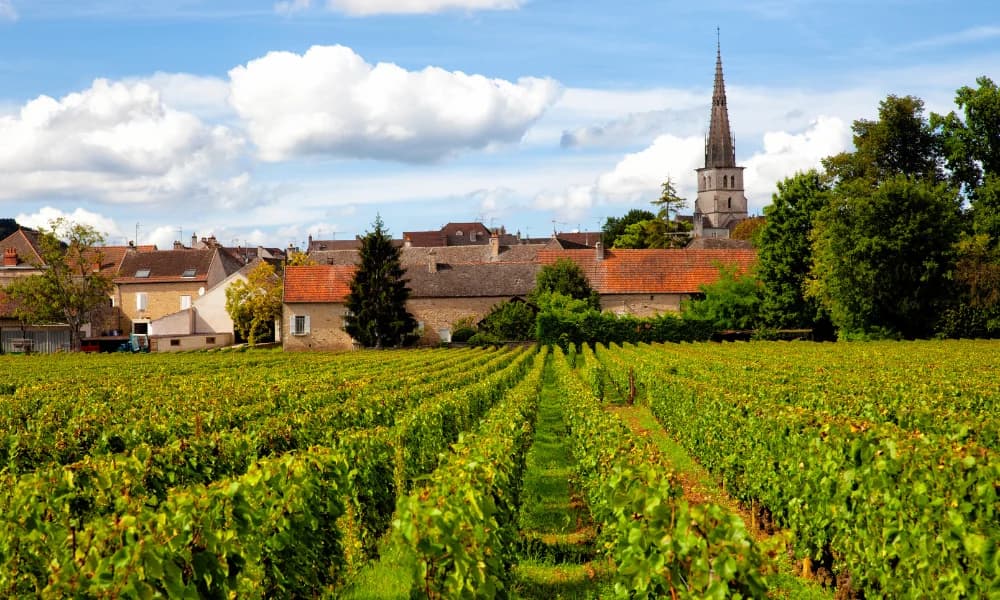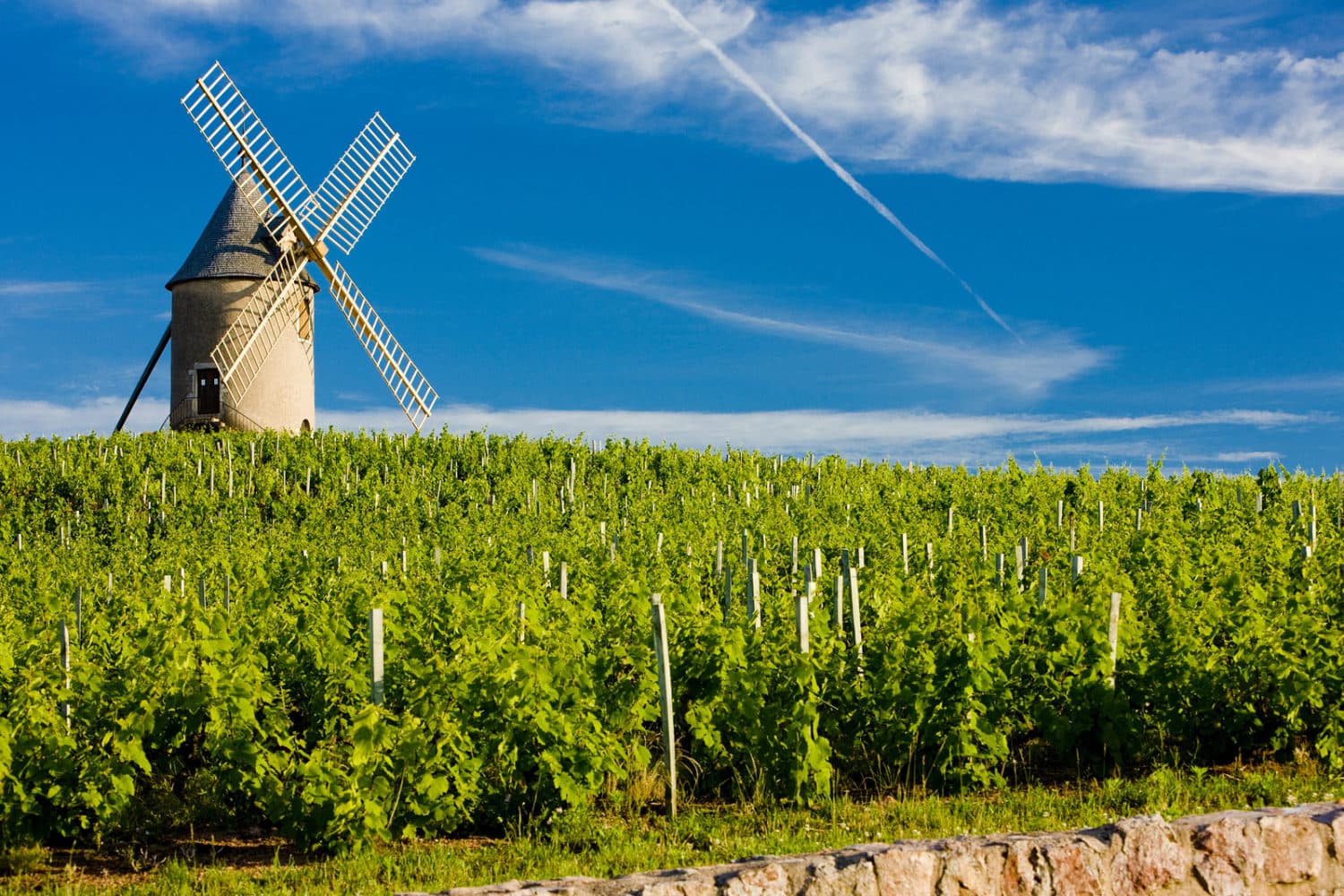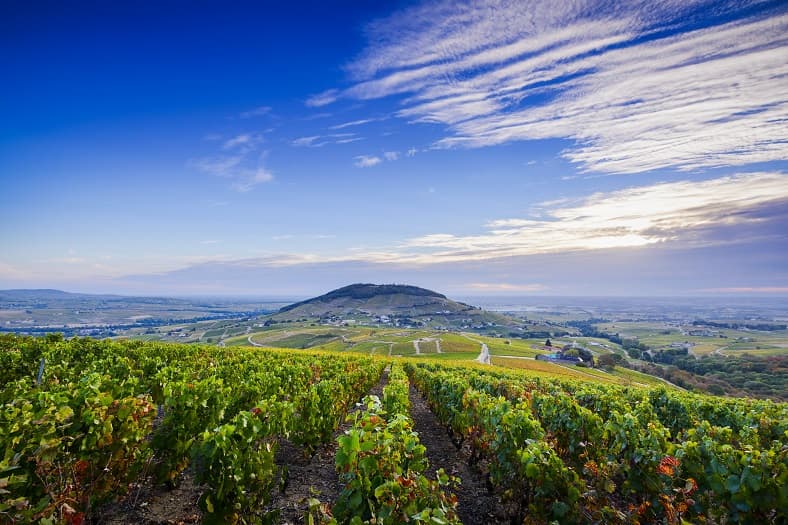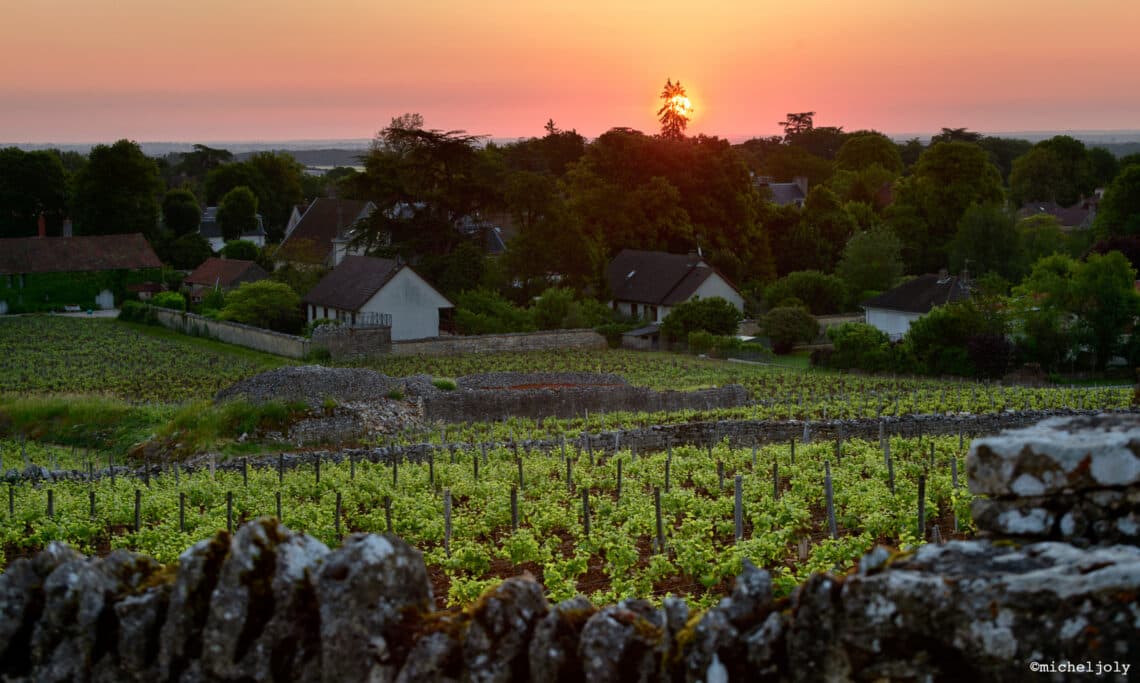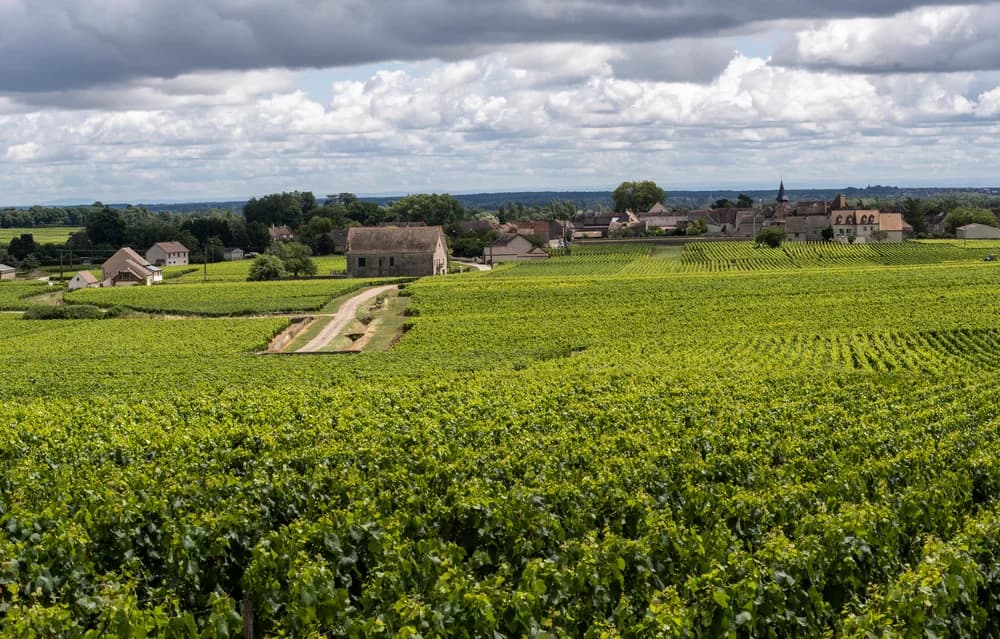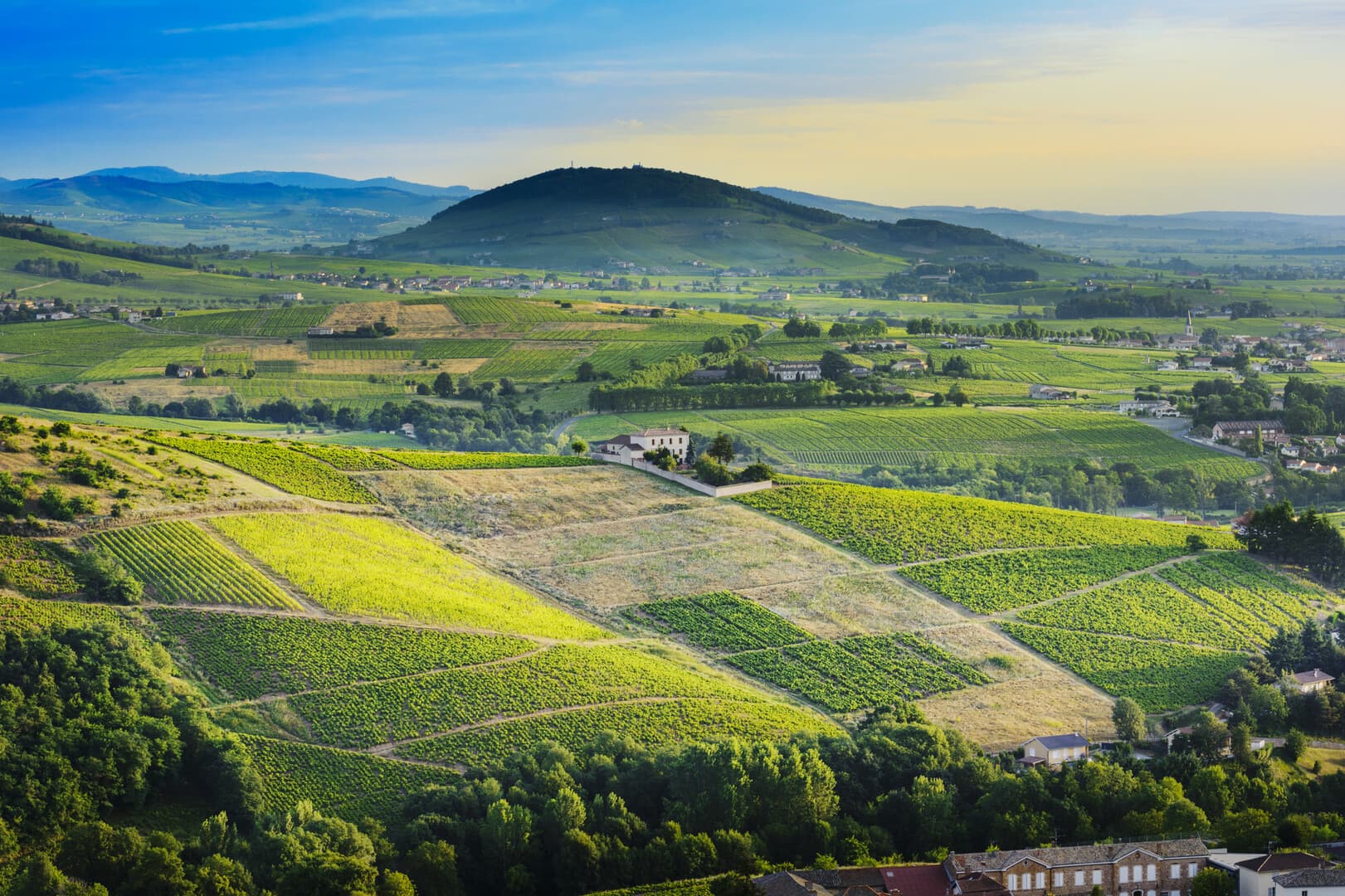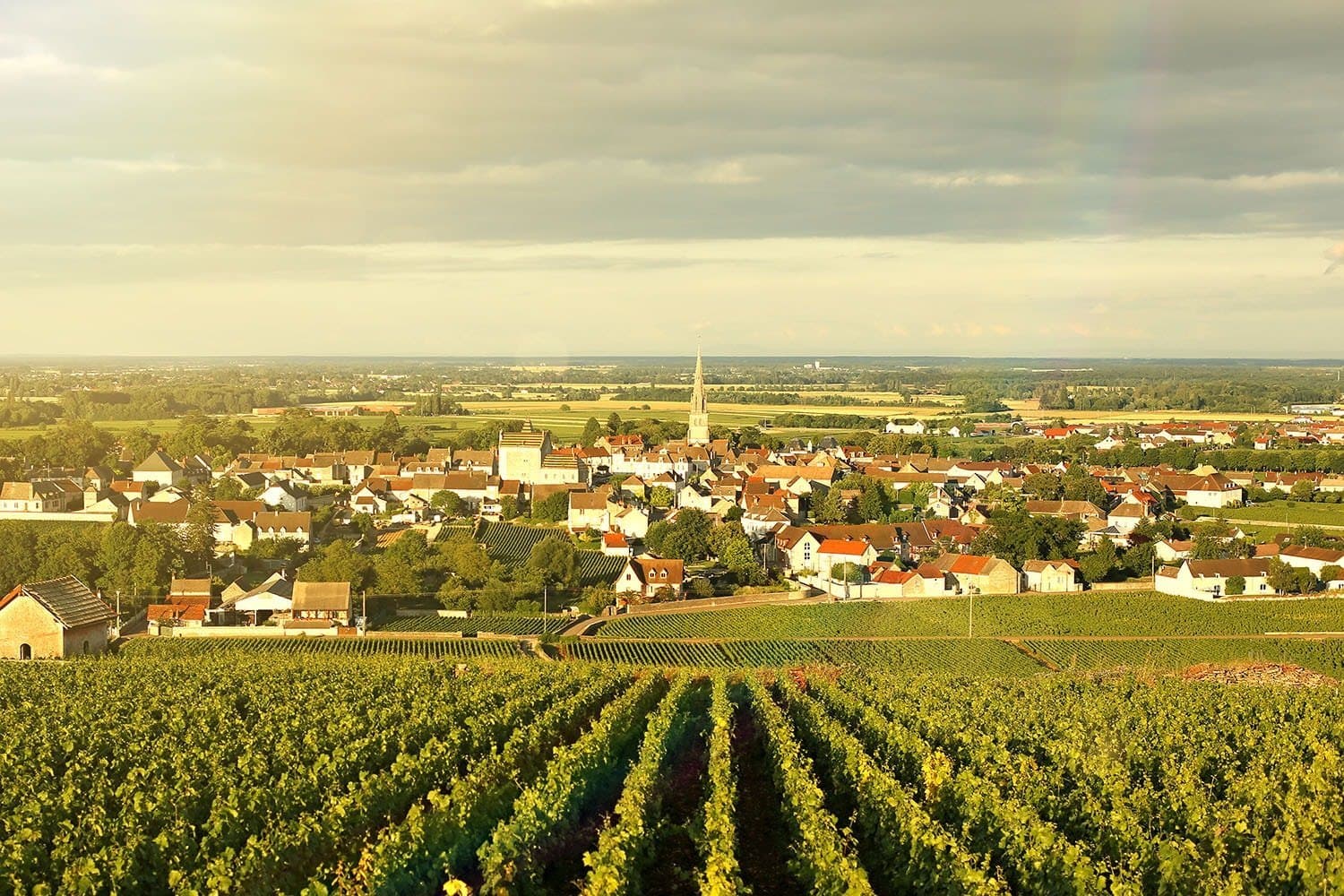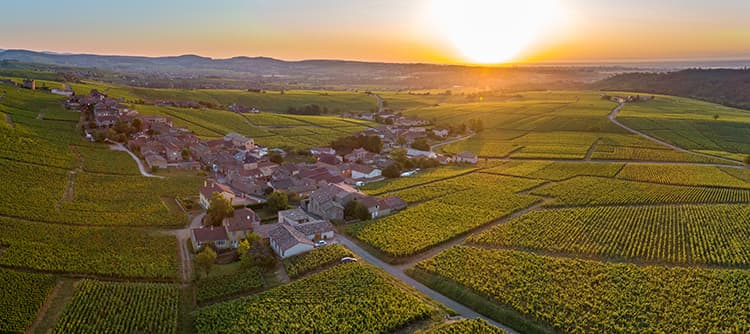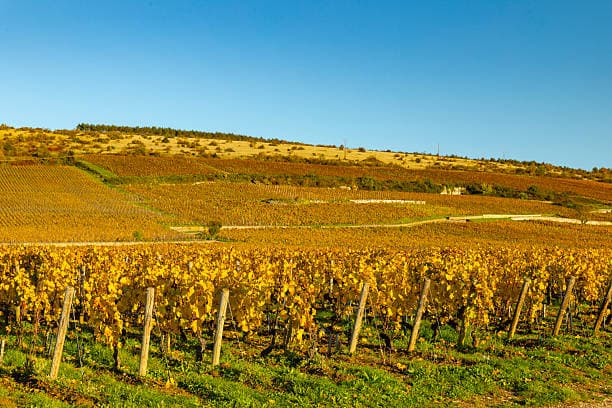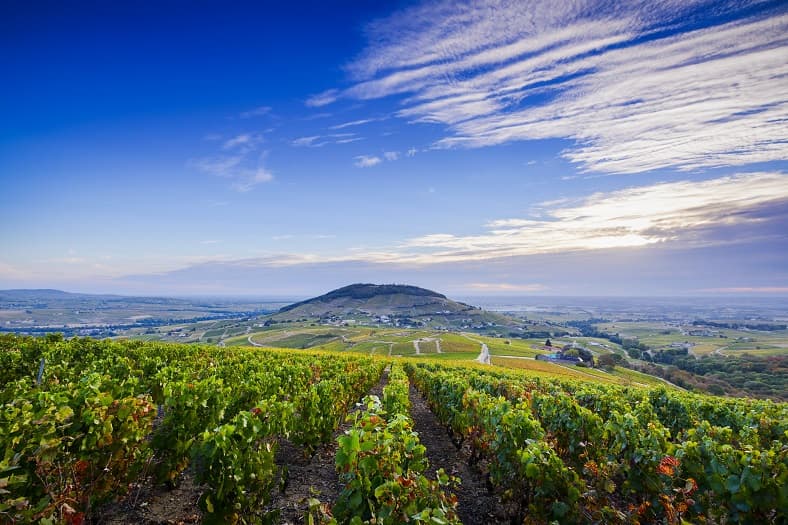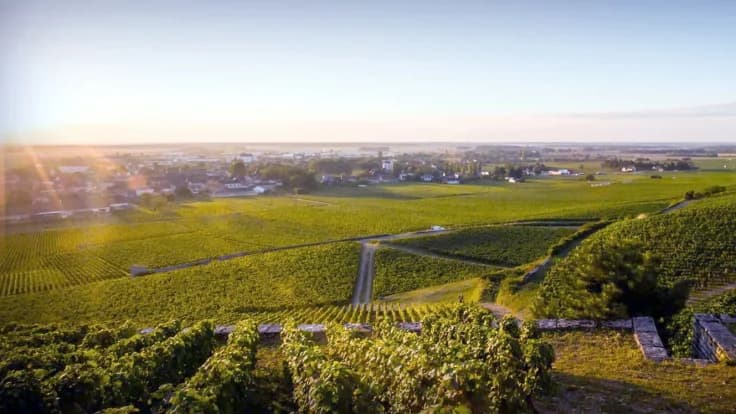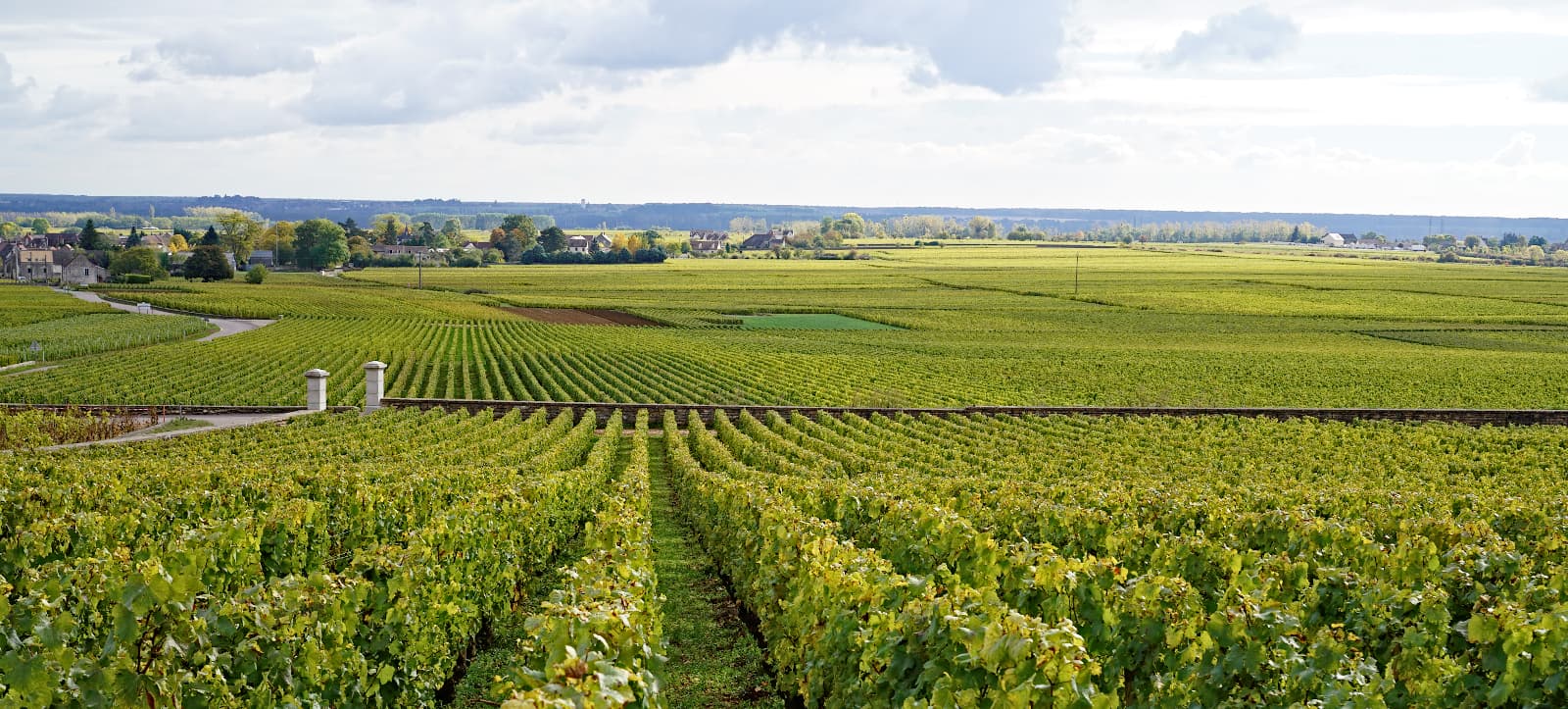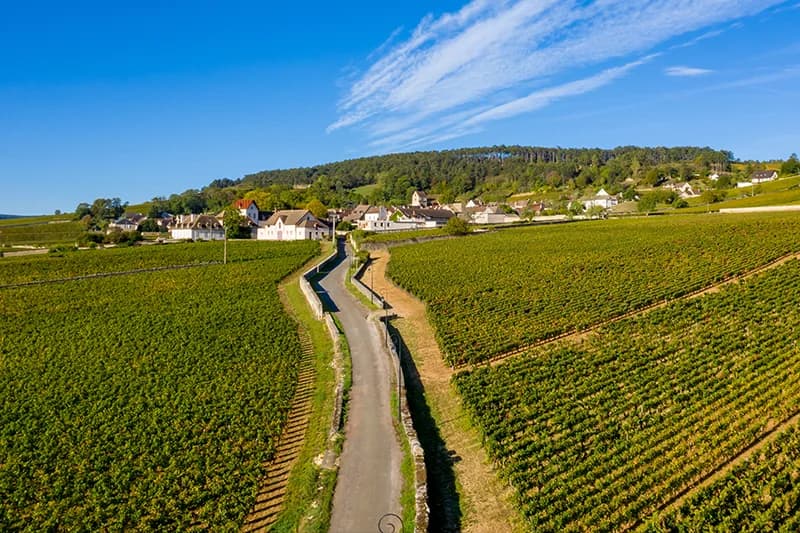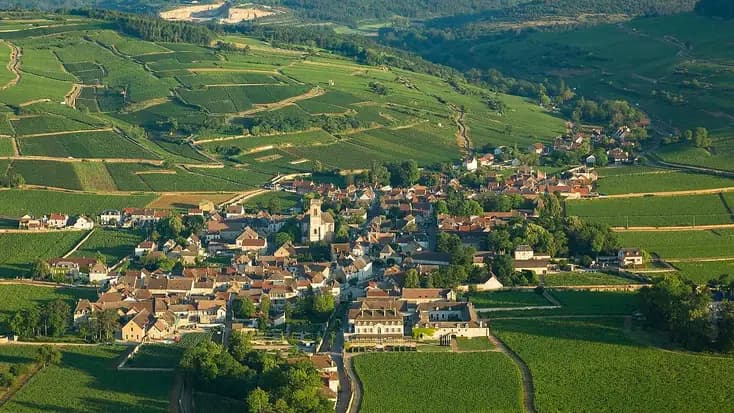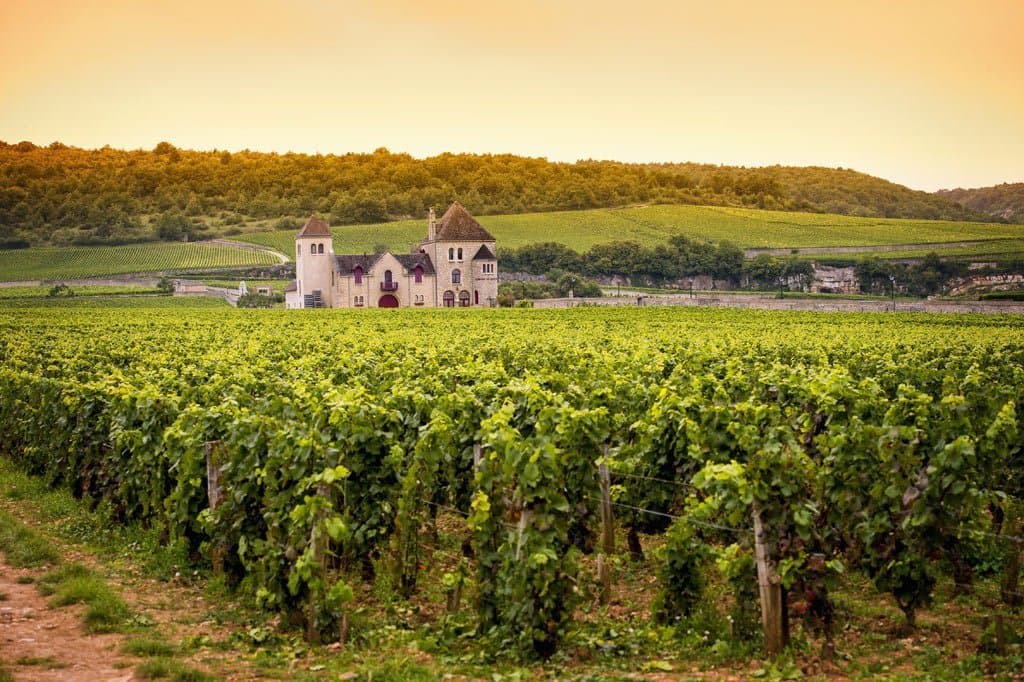
Burgundy's limestone-rich slopes produce Pinot Noir and Chardonnay of unmatched precision and elegance. This region's terroir is a cornerstone of its world-renowned wine reputation.
Burgundy, a jewel in the crown of French viticulture, is famed for its limestone-rich soils that impart a distinct minerality to its wines. The region is synonymous with Pinot Noir and Chardonnay, producing wines that are celebrated for their elegance and complexity. Burgundy's wines are a reflection of its diverse terroir, with each sub-region offering unique expressions. From the structured reds of the Côte de Nuits to the refined whites of Chablis, Burgundy's offerings are as varied as they are exquisite.
Our selection includes esteemed producers such as Maison Louis Jadot, Domaine Faiveley, and Joseph Drouhin, each bringing their own heritage and expertise to the table. These producers, along with others like Bouchard Père & Fils and Olivier Leflaive, craft wines that are a testament to Burgundy's storied winemaking traditions.
For wine enthusiasts, Burgundy represents a journey through history and terroir, offering wines that are perfect for both collectors and casual drinkers. Whether you're seeking a bottle for a special occasion or to expand your collection, Burgundy's wines promise a sensory experience unlike any other.
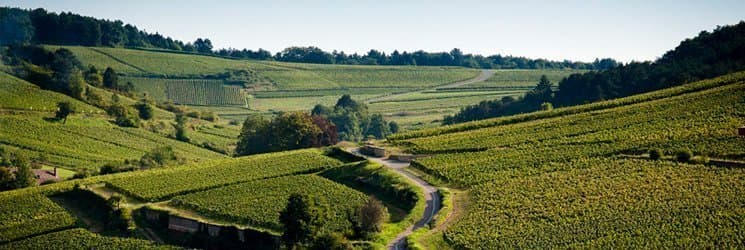
Climate & Terroir of Burgundy
Burgundy's climate is continental, characterized by cold winters and warm summers, which are ideal for viticulture. The region's soils, predominantly limestone and marl, are crucial in defining the character of its wines. These soils provide excellent drainage and contribute to the minerality and complexity found in Burgundy wines. The varied topography, with its rolling hills and diverse microclimates, allows for a wide range of wine styles, from the robust reds of the Côte de Nuits to the crisp whites of Chablis.
Winemaking Traditions
Burgundy's winemaking traditions are steeped in history, with a focus on terroir-driven wines. The region is known for its meticulous vineyard management and small-scale production, emphasizing quality over quantity. Winemakers in Burgundy often employ traditional methods, such as hand-harvesting and natural fermentation, to preserve the purity and expression of the grapes. The use of oak barrels for aging is common, adding complexity and depth to the wines. These time-honored practices have been passed down through generations, ensuring that Burgundy's wines remain true to their roots.
Notable Producers in Burgundy
Burgundy is home to some of the most prestigious wine producers in the world. Maison Louis Jadot and Domaine Faiveley are renowned for their commitment to quality and tradition. Joseph Drouhin and Bouchard Père & Fils offer a range of wines that showcase the diversity of Burgundy's terroirs. Olivier Leflaive and Maison Albert Bichot are celebrated for their elegant Chardonnays, while Domaine William Fèvre is a standout in Chablis. Each producer brings a unique perspective to Burgundy's rich winemaking heritage.
Food Pairings
Burgundy wines are incredibly versatile when it comes to food pairings. The region's Pinot Noir pairs beautifully with dishes like roasted duck, lamb, and earthy mushroom risottos. Chardonnay from Burgundy is a perfect match for seafood, particularly oysters and scallops, as well as creamy poultry dishes. For a classic pairing, try a glass of Burgundy wine with a selection of French cheeses, such as Époisses or Comté, to enhance the wine's nuanced flavors.
History of Burgundy
The history of winemaking in Burgundy dates back to Roman times, with the region gaining prominence during the Middle Ages under the influence of monastic orders. The Cistercian and Benedictine monks played a pivotal role in developing Burgundy's vineyards, meticulously mapping out the terroir and establishing the concept of 'climats'—specific vineyard plots known for their unique characteristics. Over the centuries, Burgundy has maintained its reputation for producing some of the world's finest wines, with a focus on quality and tradition. Today, Burgundy continues to be a benchmark for excellence in winemaking, attracting wine lovers and collectors from around the globe.
Frequently Asked Questions
What are the main types of wine produced in Burgundy?
Burgundy is renowned for its Pinot Noir and Chardonnay wines. These grape varieties thrive in the region's unique terroir, producing some of the world's most sought-after wines.
What makes Burgundy wine unique compared to other regions?
Burgundy's uniqueness lies in its terroir, which includes a combination of climate, soil, and topography. This results in wines with exceptional complexity and depth, often reflecting the specific vineyard or 'climat' they come from.
How can I identify a high-quality Burgundy wine?
High-quality Burgundy wines often come from Premier Cru or Grand Cru vineyards. Look for these classifications on the label, as they indicate wines from the best plots with superior aging potential.
What is the difference between Burgundy and Bordeaux wines?
Burgundy wines primarily focus on single varietals like Pinot Noir and Chardonnay, while Bordeaux wines are typically blends of grapes like Cabernet Sauvignon and Merlot. Additionally, Burgundy wines emphasize terroir and vineyard specificity, whereas Bordeaux wines often highlight the skill of the winemaker.
When is the best time to drink Burgundy wine?
The best time to drink Burgundy wine depends on the vintage and classification. Generally, village-level wines can be enjoyed within a few years of release, while Premier Cru and Grand Cru wines benefit from aging, often reaching their peak 10-20 years after the vintage.