-
Capital Spirits Logo

FOR THE THIRSTY

Raise a glass with us #Cheers

FacebookInstagramTikTokYouTube
concierge@capitalspirits.com
AboutLocationsEventsTrack OrderPrivacy PolicyTerms & ConditionsShipping PolicyReturn Policy
VisaMastercardAmerican ExpressApple PayGoogle Pay
Powered by Stripe
© 2026 Capital Spirits. All rights reserved.
APPELLATION

Meursault Wine

Meursault is distinguished by its rich, full-bodied Chardonnay wines, characterized by notes of ripe stone fruits, nuts, and a hint of butter. This appellation in Burgundy is celebrated for its complex, age-worthy whites.

Collections/Countries/France/Burgundy/Meursault

About Meursault

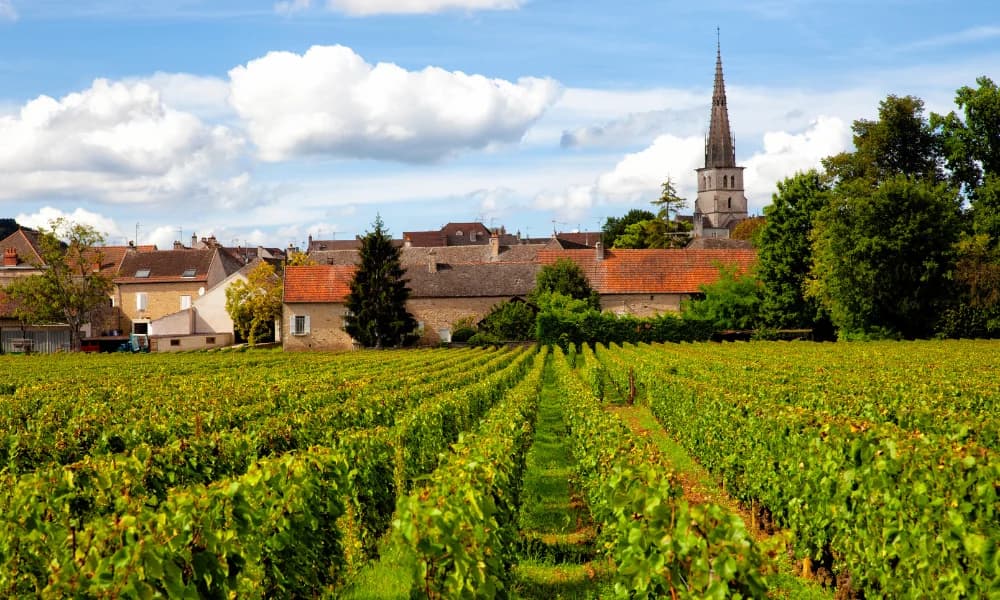
Meursault, located in the heart of Burgundy's Côte de Beaune, is synonymous with exceptional white wines made predominantly from Chardonnay. Known for their richness and complexity, Meursault wines offer flavors of ripe stone fruits, hazelnuts, and a characteristic buttery texture, often with a mineral undertone. The appellation's wines are crafted under strict AOC regulations, ensuring quality and authenticity. Prominent producers like Olivier Leflaive, Domaine Buisson-Charles, and Joseph Drouhin are renowned for their meticulous winemaking, contributing to Meursault's esteemed reputation. These wines typically range from accessible, everyday bottles to premium, age-worthy selections, catering to various budgets and preferences. When selecting a Meursault, consider the balance of fruit, acidity, and oak influence, which can vary depending on the producer's style. Whether you're seeking the best Meursault wines for a special occasion or exploring this appellation for the first time, the wines of Meursault promise a memorable experience. Buyers often search for 'best Meursault wines' or 'Meursault wine guide' to navigate the diverse offerings. The allure of Meursault lies in its ability to pair beautifully with a variety of dishes, making it a versatile choice for wine enthusiasts.

Regulations & Standards

Meursault wines are produced under strict AOC regulations, which dictate the use of Chardonnay as the primary grape variety. The appellation requires specific vineyard practices, including controlled yields and designated harvest times, to maintain quality. Meursault wines must adhere to aging requirements, often involving oak barrel maturation, to develop their characteristic complexity and depth. These regulations ensure that each bottle of Meursault reflects the appellation's esteemed reputation for excellence.

Grape Varieties

Meursault is primarily known for its Chardonnay wines, which thrive in the region's limestone-rich soils. The Chardonnay grape is celebrated for its ability to express the terroir of Meursault, resulting in wines with a unique combination of richness and minerality. While Chardonnay is the dominant variety, a small amount of Pinot Noir is also cultivated, though it is less common. The region's climate and soil composition create ideal conditions for Chardonnay, allowing it to develop complex flavors and a distinctive character.

Soil Composition

The soils of Meursault are predominantly composed of limestone and marl, which are ideal for growing Chardonnay. These soils contribute to the wines' minerality and structure, allowing the grapes to develop a balance of acidity and richness. The presence of clay in certain areas adds to the body and texture of the wines, enhancing their complexity and ageability. This unique soil composition is a key factor in the distinctive profile of Meursault wines.

Climate Characteristics

Meursault benefits from a continental climate with warm summers and cool winters, which is typical of the Burgundy region. This climate allows for a long growing season, enabling the grapes to achieve optimal ripeness while retaining acidity. The diurnal temperature variation, with warm days and cool nights, helps to preserve the aromatic qualities of the Chardonnay grapes. This climate contributes to the development of the rich, full-bodied character that Meursault wines are known for.

Production Standards

Winemaking in Meursault often involves fermentation and aging in oak barrels, which contributes to the wines' distinctive buttery and nutty flavors. The use of new and old oak varies by producer, influencing the wine's texture and complexity. Malolactic fermentation is commonly employed to soften acidity and enhance the creamy mouthfeel. These traditional techniques are integral to the production of Meursault's renowned white wines.

On this page

  • About Meursault
  • Regulations & Standards
  • Grape Varieties
  • Soil Composition
  • Climate Characteristics
  • Production Standards

Frequently Asked Questions

What type of wine is Meursault known for?
Meursault is renowned for its white wines made predominantly from Chardonnay grapes. These wines are celebrated for their rich, full-bodied character and notes of butter, nuts, and stone fruits.
How does Meursault wine taste?
Meursault wines are typically rich and creamy with flavors of ripe apple, pear, and citrus, complemented by hints of vanilla and almond from oak aging. They often have a balanced acidity and a long, elegant finish.
What food pairs well with Meursault wine?
Meursault wines pair excellently with rich seafood dishes, such as lobster or scallops, and creamy poultry dishes. They also complement cheeses like Brie and Camembert.
How long can you age a bottle of Meursault wine?
High-quality Meursault wines can be aged for 10 to 15 years or more, developing greater complexity and depth over time. However, they are also enjoyable when consumed younger, within 3 to 5 years of vintage.
What is the price range for Meursault wines?
The price of Meursault wines can vary significantly, typically ranging from $50 to over $200 per bottle, depending on the producer and vintage. Premier Cru wines and those from renowned producers tend to be at the higher end of the spectrum.