-
Capital Spirits Logo

FOR THE THIRSTY

Raise a glass with us #Cheers

FacebookInstagramTikTokYouTube
concierge@capitalspirits.com
AboutLocationsEventsTrack OrderPrivacy PolicyTerms & ConditionsShipping PolicyReturn Policy
VisaMastercardAmerican ExpressApple PayGoogle Pay
Powered by Stripe
© 2026 Capital Spirits. All rights reserved.
APPELLATION

Beaujolais Wine

Beaujolais is defined by its Gamay grape, producing vibrant, fruit-forward wines with a unique expression of the region's granite soils. Known for its light body and fresh acidity, Beaujolais offers a distinctive wine experience.

Collections/Countries/France/Burgundy/Beaujolais

About Beaujolais

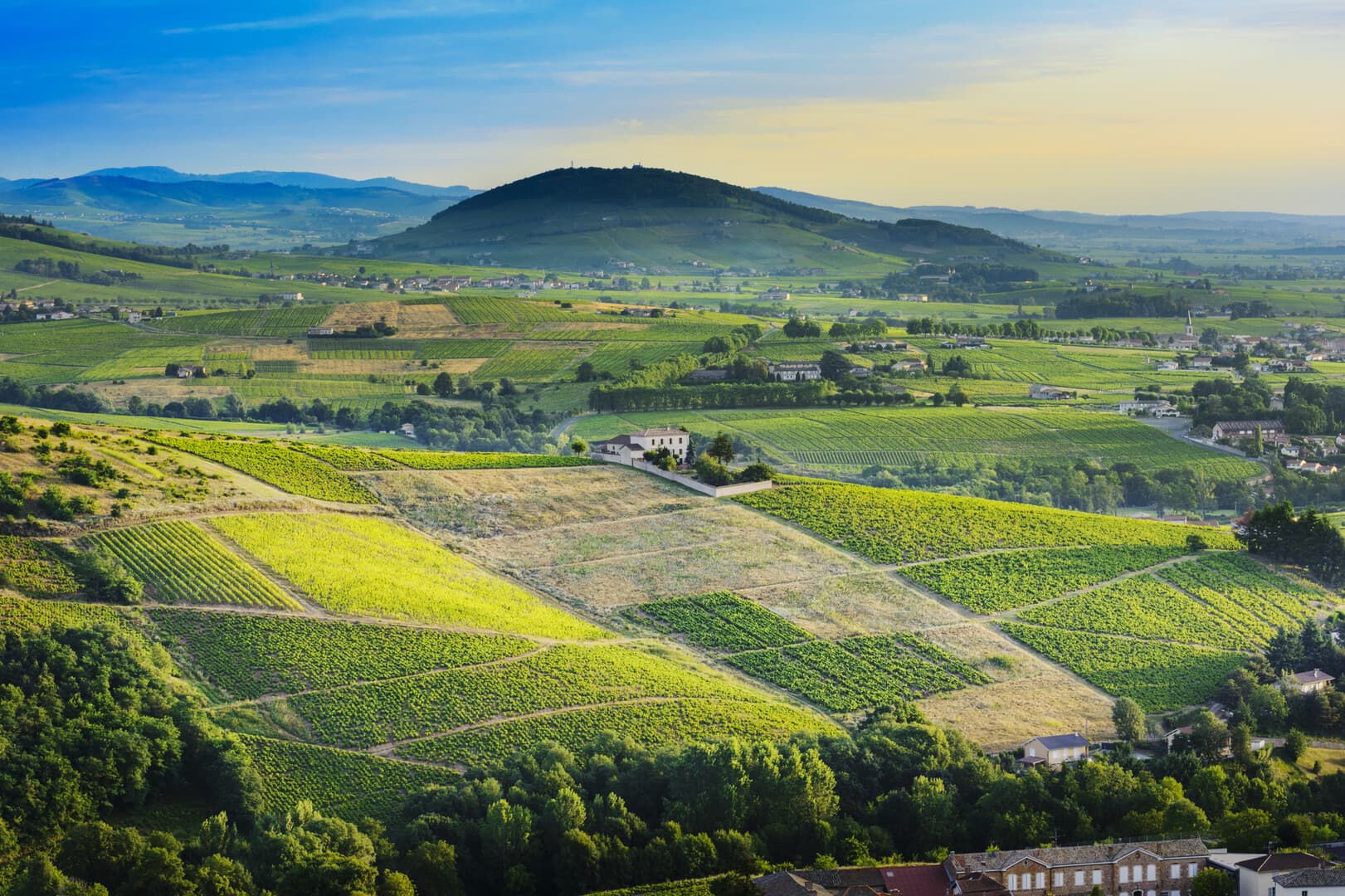
Beaujolais, a renowned appellation in Burgundy, France, is celebrated for its vibrant and fruit-forward wines primarily crafted from the Gamay grape. This region's wines are characterized by their light body, fresh acidity, and expressive fruit flavors, making them a favorite among wine enthusiasts seeking approachable yet complex wines. The granite-rich soils of Beaujolais contribute to the unique minerality and finesse of its wines, distinguishing them from other Burgundy offerings. The appellation is home to esteemed producers such as Domaine Dupeuble, Georges Descombes, and Maison Louis Jadot, each bringing their own interpretation of Beaujolais' terroir. Whether you're exploring entry-level Beaujolais or the more structured Beaujolais Crus, there's a wine for every palate and occasion. Beaujolais wines are versatile, pairing well with a variety of dishes from charcuterie to roasted poultry, making them a delightful choice for both casual and formal dining. The price range for Beaujolais wines is broad, with affordable options for everyday enjoyment and premium selections for special occasions. For those looking to buy Beaujolais wine, understanding the region's unique characteristics and producer landscape is key. Whether you're a seasoned collector or a curious newcomer, Beaujolais offers a captivating wine experience that is both accessible and rewarding.

Regulations & Standards

Beaujolais wines are governed by strict AOC regulations that ensure quality and authenticity. The region is divided into several appellations, including Beaujolais AOC, Beaujolais Villages AOC, and the ten Beaujolais Crus, each with specific rules regarding grape varieties, yield limits, and winemaking practices. For instance, Beaujolais Nouveau, a popular early-release wine, must be made from Gamay and is released on the third Thursday of November following the harvest. The Crus, such as Morgon and Fleurie, have additional regulations to maintain their distinct characteristics.

Grape Varieties

The Beaujolais region is predominantly planted with the Gamay grape, which thrives in the area's granite and schist soils. Known for its thin skin and high acidity, Gamay produces wines that are light in body yet rich in vibrant fruit flavors such as cherry, raspberry, and cranberry. While Gamay is the star, small amounts of Chardonnay are also cultivated, particularly in the Beaujolais Blanc wines, offering a different expression with notes of citrus and green apple.

Soil Composition

Beaujolais is characterized by its diverse soil composition, predominantly granite and schist, which are particularly favorable for the Gamay grape. These soils contribute to the mineral-driven profile of the wines, enhancing their freshness and complexity. In the northern part of the region, the presence of clay and limestone adds depth and structure, especially in the Beaujolais Crus, where wines tend to have more concentration and aging potential.

Climate Characteristics

The climate of Beaujolais is semi-continental with influences from both the Mediterranean and Atlantic, providing warm summers and mild winters. This climate allows for a long growing season, which is ideal for the Gamay grape to develop its characteristic fruit-forward profile. The region's varied microclimates, influenced by its hilly terrain, contribute to the diversity of wine styles, from the light and fruity Beaujolais Nouveau to the more structured and age-worthy Beaujolais Crus.

Production Standards

Winemaking in Beaujolais often involves carbonic maceration, a technique that enhances the fruitiness and freshness of the wines. This method involves fermenting whole grape clusters in a carbon dioxide-rich environment, resulting in wines with vibrant fruit aromas and soft tannins. Traditional fermentation methods are also employed, especially for the Beaujolais Crus, where winemakers aim to highlight the terroir and aging potential of the wines.

On this page

  • About Beaujolais
  • Regulations & Standards
  • Grape Varieties
  • Soil Composition
  • Climate Characteristics
  • Production Standards

Frequently Asked Questions

What is Beaujolais wine known for?
Beaujolais wine is known for its light-bodied, fruity profile, primarily made from the Gamay grape. It often features flavors of red berries, cherries, and sometimes banana, with a refreshing acidity.
When is Beaujolais Nouveau released?
Beaujolais Nouveau is released annually on the third Thursday of November. This tradition celebrates the first wine of the harvest and is enjoyed for its fresh and fruity character.
How should I serve Beaujolais wine?
Beaujolais wine is best served slightly chilled, around 12-14°C (54-57°F), to enhance its fruity and refreshing qualities. It pairs well with a variety of foods, including poultry, charcuterie, and light cheeses.
What is the difference between Beaujolais and Beaujolais Villages?
Beaujolais Villages wines come from a more specific area within the Beaujolais region and are generally considered to have more complexity and depth than basic Beaujolais. They often offer a richer flavor profile and can be a good step up in quality.
How long can I age Beaujolais wine?
While most Beaujolais wines are meant to be enjoyed young, particularly Beaujolais Nouveau, some Beaujolais Villages and Cru Beaujolais can benefit from short-term aging. These higher-quality wines can develop more complexity over 3-5 years.