-
Capital Spirits Logo

FOR THE THIRSTY

Raise a glass with us #Cheers

FacebookInstagramTikTokYouTube
concierge@capitalspirits.com
AboutLocationsEventsTrack OrderPrivacy PolicyTerms & ConditionsShipping PolicyReturn Policy
VisaMastercardAmerican ExpressApple PayGoogle Pay
Powered by Stripe
© 2026 Capital Spirits. All rights reserved.
APPELLATION

Beaujolais-Villages Wine

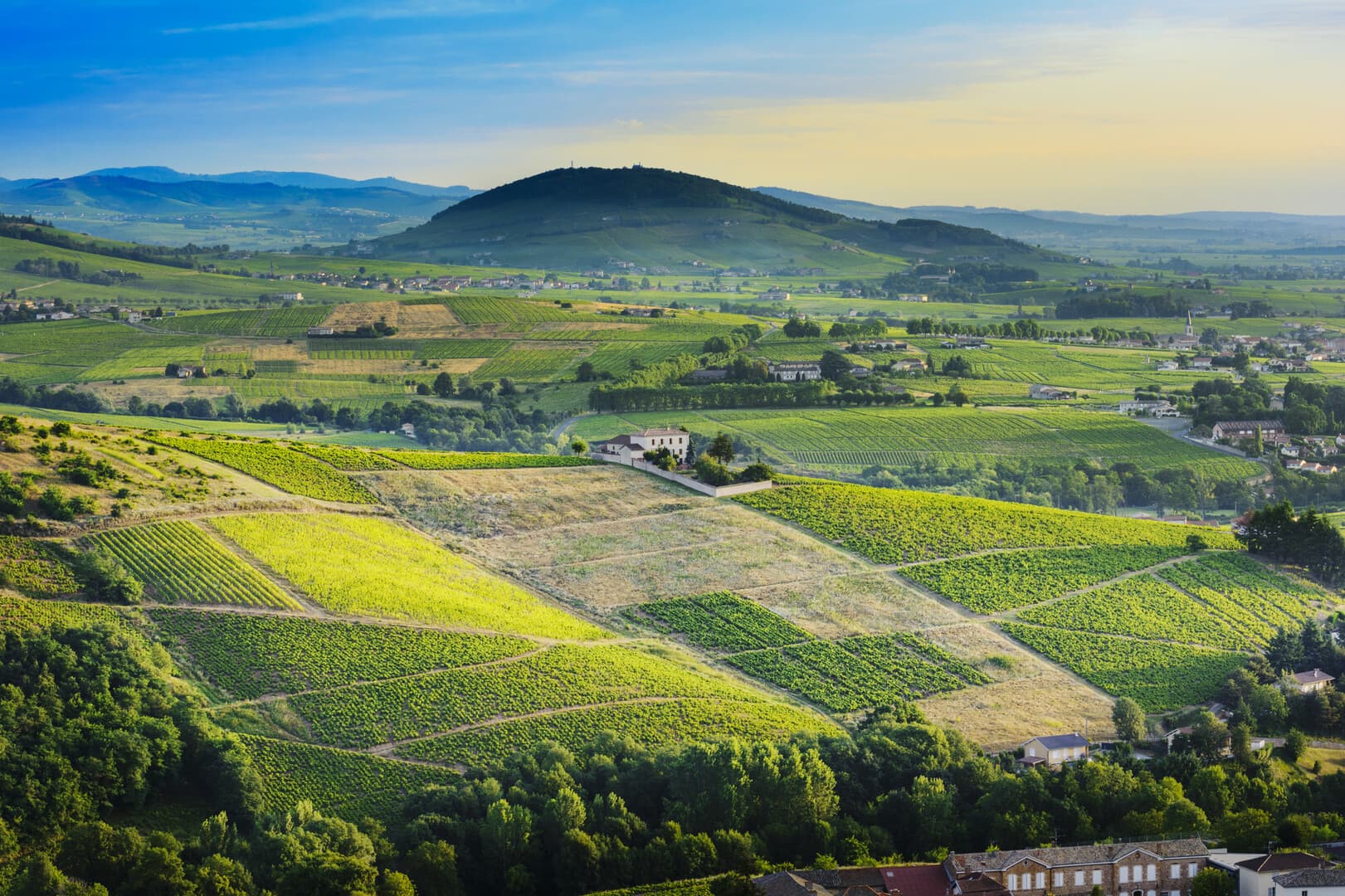
Beaujolais-Villages wines are crafted primarily from the Gamay grape, offering vibrant fruit flavors and refreshing acidity. This appellation, nestled in Burgundy, benefits from granite-rich soils that enhance the wine's minerality.

Collections/Countries/France/Burgundy/Beaujolais-Villages

About Beaujolais-Villages

Beaujolais-Villages, a distinguished appellation within Burgundy, is celebrated for its vibrant and approachable wines made predominantly from the Gamay grape. These wines are known for their bright red fruit flavors, such as cherry and raspberry, complemented by refreshing acidity and a hint of minerality. The granite-rich soils of the region contribute to the distinctive character of Beaujolais-Villages wines, enhancing their aromatic complexity and depth. The appellation encompasses several villages, each contributing to the diversity of styles found within Beaujolais-Villages. Notable producers such as Michel Tête, Georges Duboeuf, and Domaine de la Madone are renowned for crafting wines that capture the essence of the region. These producers, along with others like Maison Louis Jadot and Domaine des Marrans, offer a range of wines that cater to both everyday enjoyment and more discerning palates. Beaujolais-Villages wines typically fall within an accessible price range, making them an excellent choice for those seeking quality and value. From entry-level bottles perfect for casual sipping to more refined offerings that showcase the complexity of the terroir, there is a Beaujolais-Villages wine for every occasion. When searching for the best Beaujolais-Villages wines, consider the reputation of the producer and the specific characteristics of the vintage. The wines are versatile and food-friendly, pairing well with a variety of dishes from charcuterie and cheese to roasted poultry and grilled vegetables. Choosing Beaujolais-Villages means embracing a wine that is both rooted in tradition and celebrated for its lively, fruit-forward profile. Whether you're a seasoned wine enthusiast or a newcomer to the world of Burgundy wines, Beaujolais-Villages offers a delightful exploration of flavors and styles.

Regulations & Standards

The Beaujolais-Villages appellation is governed by strict AOC regulations that ensure the quality and authenticity of its wines. These regulations stipulate that wines must be made primarily from the Gamay grape, with a minimum alcohol content of 10%. The maximum yield is set at 50 hectoliters per hectare to maintain concentration and quality. Beaujolais-Villages wines can be released as early as the third Thursday of November following the harvest, although many producers choose to age their wines longer to enhance complexity. The appellation covers 38 villages, each contributing unique characteristics to the wines produced.

Grape Varieties

Beaujolais-Villages wines are predominantly made from the Gamay grape, a variety known for its thin skin and low tannin levels, which contribute to the wine's light body and vibrant fruit flavors. Gamay thrives in the granite-rich soils of Beaujolais, where it develops bright red fruit characteristics such as cherry, raspberry, and strawberry. The grape's natural acidity adds a refreshing quality to the wines, making them highly drinkable and versatile. While Gamay is the primary grape, small amounts of Chardonnay and Aligoté are permitted in the region, though they are rarely used in Beaujolais-Villages wines.

Soil Composition

The soils of Beaujolais-Villages are predominantly granite-based, which is ideal for the cultivation of the Gamay grape. These granite soils provide excellent drainage and contribute to the mineral complexity of the wines. The presence of schist and clay in certain areas adds further nuance, allowing for a range of expressions within the appellation. This unique soil composition enhances the aromatic profile of the wines, imparting a subtle minerality that complements the vibrant fruit flavors.

Climate Characteristics

Beaujolais-Villages benefits from a semi-continental climate, characterized by warm summers and cold winters. This climate is moderated by the influence of the Saône River, which helps to maintain a balance between ripeness and acidity in the grapes. The region experiences ample sunshine during the growing season, promoting the development of ripe fruit flavors, while cool nights preserve the natural acidity of the Gamay grape. This climatic balance is essential for producing the fresh and lively wines that Beaujolais-Villages is known for.

Production Standards

Winemaking in Beaujolais-Villages often involves carbonic maceration, a technique that enhances the fruity and floral aromas of the Gamay grape. This method involves fermenting whole grape clusters in a carbon dioxide-rich environment, resulting in wines with low tannins and vibrant fruit flavors. Traditional fermentation methods are also employed, allowing for a range of styles within the appellation. The focus on minimal intervention and respect for the terroir is a hallmark of Beaujolais-Villages winemaking.

On this page

  • About Beaujolais-Villages
  • Regulations & Standards
  • Grape Varieties
  • Soil Composition
  • Climate Characteristics
  • Production Standards

Frequently Asked Questions

What is Beaujolais-Villages wine?
Beaujolais-Villages is a French wine appellation located in the Beaujolais region of Burgundy. It produces red wines primarily from the Gamay grape, known for their vibrant fruit flavors and light to medium body.
How does Beaujolais-Villages differ from Beaujolais Nouveau?
Beaujolais-Villages wines are typically more structured and complex than Beaujolais Nouveau, which is a young, fruity wine released shortly after harvest. Beaujolais-Villages wines are often aged longer and sourced from higher-quality vineyards within the Beaujolais region.
What food pairs well with Beaujolais-Villages wine?
Beaujolais-Villages wines pair well with a variety of foods, including roasted poultry, charcuterie, and mild cheeses. Their bright acidity and fruit-forward profile complement both rich and lighter dishes.
What is the best way to serve Beaujolais-Villages wine?
Beaujolais-Villages wine is best served slightly chilled, around 55-60°F (13-15°C), to enhance its fresh fruit flavors. It is recommended to use a standard red wine glass to allow the wine to breathe and express its aromatic profile.
How long can I store Beaujolais-Villages wine?
Beaujolais-Villages wines are generally meant to be enjoyed young, within 2-3 years of the vintage. However, some higher-quality bottles can develop more complexity with a few additional years of aging.