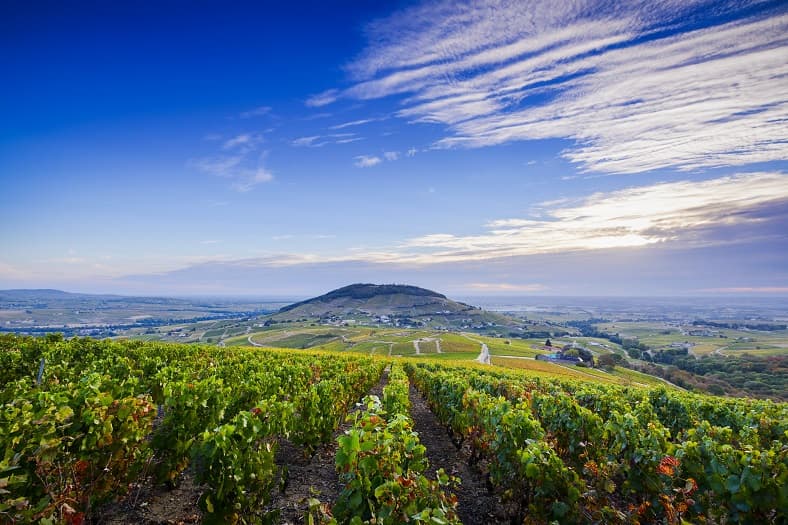
APPELLATION

Fleurie Wine from Beaujolais

Fleurie is characterized by its elegant, floral Gamay wines, crafted on the granite-rich slopes of Beaujolais. Known for their aromatic finesse and silky texture, these wines are a quintessential expression of the region.

About Fleurie

Fleurie, one of the ten crus of Beaujolais, is celebrated for its elegant and aromatic Gamay wines. Situated in the northern part of Beaujolais, Fleurie benefits from granite-rich soils and a temperate climate that contribute to the distinct floral and silky character of its wines. The appellation's wines are known for their vibrant red fruit aromas, such as raspberry and cherry, complemented by floral notes of violets and peonies. This unique profile makes Fleurie wines a favorite among those seeking a refined and approachable red. Key producers like Domaine Grégoire Hoppenot and Jean Foillard exemplify the quality and diversity of Fleurie wines. Domaine Grégoire Hoppenot is renowned for its meticulous vineyard practices and expressive wines, while Jean Foillard is celebrated for his traditional winemaking approach, producing wines with depth and complexity. Prices for Fleurie wines range from accessible entry-level bottles to premium offerings, providing options for both casual drinkers and serious collectors. Choosing Fleurie means embracing a wine that offers both elegance and versatility. Whether you're exploring the best Fleurie wines or seeking a comprehensive Fleurie wine guide, this appellation promises wines that are perfect for any occasion. With their balance of fruit, floral notes, and smooth tannins, Fleurie wines are an excellent choice for those looking to buy Fleurie and experience the essence of Beaujolais.

Regulations & Standards

Fleurie wines must adhere to strict AOC regulations to ensure quality and authenticity. The appellation mandates that wines are made exclusively from the Gamay grape, with a minimum alcohol content of 10.5%. Vineyards are typically planted at altitudes ranging from 220 to 450 meters, with a focus on sustainable viticulture practices. The wines must undergo a minimum aging period before release, allowing them to develop their characteristic floral and fruit-driven profiles. These regulations ensure that Fleurie wines maintain their reputation for elegance and finesse.

Grape Varieties

Fleurie is exclusively dedicated to the Gamay grape, a variety that thrives in the granite-rich soils of the region. Gamay is known for its thin skin and high acidity, which contribute to the light-bodied, aromatic wines characteristic of Fleurie. The grape's natural propensity for producing vibrant red fruit flavors, such as cherry and raspberry, is enhanced by the terroir, resulting in wines with a distinctive floral bouquet. The focus on Gamay allows producers to craft wines that are both expressive and elegant, capturing the essence of the Beaujolais region.

Soil Composition

The soils of Fleurie are predominantly composed of pink granite, which is particularly well-suited to the Gamay grape. This granite-rich terrain provides excellent drainage, encouraging deep root growth and promoting the development of concentrated flavors in the grapes. The mineral-rich soils impart a subtle minerality to the wines, enhancing their complexity and structure. This unique soil composition is a defining factor in the aromatic finesse and silky texture that Fleurie wines are renowned for.

Climate Characteristics

Fleurie enjoys a temperate climate with warm summers and mild winters, ideal for the cultivation of Gamay. The region benefits from a mix of continental and Mediterranean influences, providing ample sunlight and moderate rainfall. This climate allows for a long growing season, enabling the grapes to ripen fully while retaining their natural acidity. The combination of climate and terroir results in wines that are both vibrant and balanced, with a freshness that is characteristic of the best Fleurie wines.

Production Standards

Winemaking in Fleurie often emphasizes traditional techniques, with many producers opting for whole-cluster fermentation to enhance the aromatic complexity of the wines. The use of natural yeasts and minimal intervention in the cellar is common, allowing the true expression of the terroir to shine through. Aging is typically done in stainless steel or neutral oak to preserve the freshness and purity of the fruit flavors, resulting in wines that are both approachable and age-worthy.

Frequently Asked Questions

What type of wine is Fleurie known for?
Fleurie is renowned for producing red wines made from the Gamay grape. These wines are typically light to medium-bodied with floral and fruity notes, often described as having aromas of violets and red berries.
How should I serve Fleurie wine?
Fleurie wines are best served slightly chilled, around 12-14°C (54-57°F). This temperature enhances their fresh and fruity characteristics, making them a delightful choice for pairing with a variety of dishes.
What foods pair well with Fleurie wine?
Fleurie wines pair well with a range of foods, including poultry, charcuterie, and soft cheeses. Their light and fruity profile also complements vegetarian dishes and lighter meats like pork or veal.
How long can I age a bottle of Fleurie wine?
While Fleurie wines are often enjoyed young for their fresh and vibrant flavors, they can also be aged for up to 5-7 years. Aging can add complexity and depth, bringing out more earthy and spicy notes.
What distinguishes Fleurie wines from other Beaujolais wines?
Fleurie wines are distinguished by their elegance and floral bouquet, often considered among the most refined of the Beaujolais Crus. They are known for their silky texture and balance, making them a popular choice for those seeking a more delicate expression of Gamay.