-
Capital Spirits Logo

FOR THE THIRSTY

Raise a glass with us #Cheers

FacebookInstagramTikTokYouTube
concierge@capitalspirits.com
AboutLocationsEventsTrack OrderPrivacy PolicyTerms & ConditionsShipping PolicyReturn Policy
VisaMastercardAmerican ExpressApple PayGoogle Pay
Powered by Stripe
© 2026 Capital Spirits. All rights reserved.
APPELLATION

Chablis Grand Cru Wines

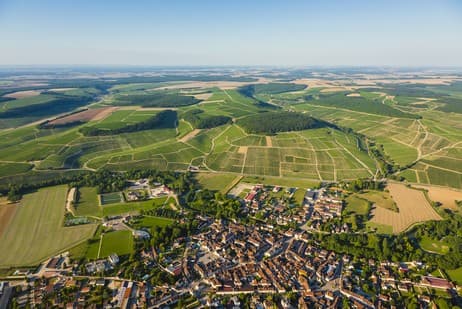
Chablis Grand Cru is defined by its exclusive use of Chardonnay, grown on Kimmeridgian limestone soils. This unique terroir imparts a distinct minerality and complexity, making it a sought-after choice for wine connoisseurs.

Collections/Countries/France/Burgundy/Chablis Grand Cru

About Chablis Grand Cru

Chablis Grand Cru represents the pinnacle of Chardonnay production in the northernmost part of Burgundy, France. This prestigious appellation is renowned for its unique terroir, characterized by Kimmeridgian limestone soils that impart a distinctive minerality to the wines. The exclusive use of Chardonnay grapes in Chablis Grand Cru results in wines that are celebrated for their purity, precision, and complexity. The flavor profile of Chablis Grand Cru wines is marked by vibrant acidity, flinty minerality, and notes of citrus, green apple, and white flowers. These wines often exhibit a remarkable balance between richness and freshness, making them a favorite among discerning wine enthusiasts. Prominent producers within this appellation include Domaine Laroche, Domaine William Fèvre, and Maison Louis Jadot, each offering a unique expression of Chablis Grand Cru's terroir. Prices for these wines can range from accessible entry-level bottles to more premium offerings, reflecting the quality and reputation of the producer. When choosing a Chablis Grand Cru, buyers should consider the producer's style and the specific vineyard site, as these factors significantly influence the wine's character. Whether you're a seasoned collector or a new enthusiast, Chablis Grand Cru offers a compelling experience that embodies the elegance and complexity of Burgundy's finest Chardonnays.

Regulations & Standards

Chablis Grand Cru wines are subject to strict AOC regulations that ensure their quality and authenticity. The appellation mandates that only Chardonnay grapes can be used, and the vineyards must be located within the designated Grand Cru sites. These sites are situated on south-facing slopes, which provide optimal sun exposure for ripening. The wines must meet specific minimum alcohol levels and are often aged in oak barrels to enhance their complexity. These regulations are designed to preserve the traditional winemaking practices and distinctive characteristics that define Chablis Grand Cru.

Grape Varieties

Chablis Grand Cru is exclusively made from Chardonnay, a grape variety that thrives in the cool climate and limestone-rich soils of the region. This varietal is known for its ability to express the unique characteristics of its terroir, making it ideal for the mineral-driven style of Chablis. Chardonnay in Chablis Grand Cru is typically harvested at optimal ripeness to maintain its natural acidity and freshness, resulting in wines that are both elegant and age-worthy. The purity of Chardonnay in this appellation allows the wines to showcase a range of flavors from citrus and green apple to more complex notes of flint and white flowers.

Soil Composition

The soils of Chablis Grand Cru are predominantly Kimmeridgian limestone, a geological formation that dates back to the Jurassic period. This soil type is rich in marine fossils, which contribute to the distinctive minerality and flinty character of the wines. The limestone content aids in water retention and drainage, providing ideal growing conditions for Chardonnay. This unique soil composition is a defining feature of Chablis Grand Cru, influencing the wine's texture and enhancing its ability to age gracefully.

Climate Characteristics

Chablis Grand Cru benefits from a cool continental climate, characterized by cold winters and warm summers. This climate is crucial for maintaining the high acidity levels that are a hallmark of Chablis wines. The diurnal temperature variation helps to preserve the aromatic complexity and freshness of the Chardonnay grapes. The cool climate also extends the growing season, allowing for the gradual development of flavors and the retention of natural acidity, which are essential for the balance and longevity of Chablis Grand Cru wines.

Production Standards

Winemaking in Chablis Grand Cru often involves careful vineyard management and minimal intervention in the cellar to preserve the purity of the Chardonnay. Many producers employ traditional techniques such as fermentation in stainless steel or oak barrels, depending on the desired style. The use of oak is typically restrained to avoid overpowering the wine's natural minerality. Extended aging on lees is common, adding texture and depth to the wines. These production standards ensure that Chablis Grand Cru wines maintain their elegance and age-worthiness.

On this page

  • About Chablis Grand Cru
  • Regulations & Standards
  • Grape Varieties
  • Soil Composition
  • Climate Characteristics
  • Production Standards

Frequently Asked Questions

What makes Chablis Grand Cru different from other Chablis wines?
Chablis Grand Cru is the highest classification within the Chablis wine region, known for its exceptional quality and complexity. It is produced from seven designated climats, each offering unique characteristics, and is typically more full-bodied and age-worthy compared to other Chablis wines.
How should I serve Chablis Grand Cru wine?
Chablis Grand Cru should be served chilled, ideally between 50-54°F (10-12°C), to enhance its crispness and minerality. It is best enjoyed in a white wine glass to allow its aromas and flavors to fully develop.
What food pairs well with Chablis Grand Cru?
Chablis Grand Cru pairs excellently with seafood, particularly oysters, lobster, and scallops, due to its minerality and acidity. It also complements creamy dishes, poultry, and soft cheeses like Brie or Camembert.
How long can I age a bottle of Chablis Grand Cru?
Chablis Grand Cru wines have excellent aging potential, often improving over 10 to 15 years or more. With proper storage conditions, they develop more complex flavors and aromas, making them a rewarding choice for collectors.
What are the key characteristics of Chablis Grand Cru wine?
Chablis Grand Cru wines are known for their pronounced minerality, vibrant acidity, and flavors of citrus, green apple, and sometimes floral or honeyed notes. They often have a rich, full-bodied texture and a long, elegant finish.