-
Capital Spirits Logo

FOR THE THIRSTY

Raise a glass with us #Cheers

FacebookInstagramTikTokYouTube
concierge@capitalspirits.com
AboutLocationsEventsTrack OrderPrivacy PolicyTerms & ConditionsShipping PolicyReturn Policy
VisaMastercardAmerican ExpressApple PayGoogle Pay
Powered by Stripe
© 2026 Capital Spirits. All rights reserved.
APPELLATION

Chassagne-Montrachet Wine

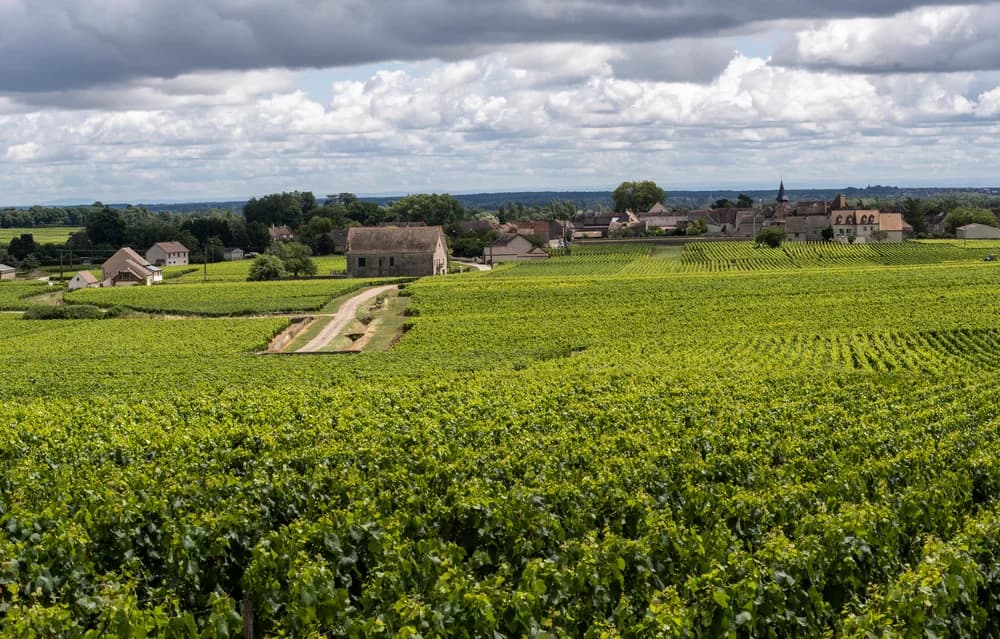
Chassagne-Montrachet's limestone-rich soils and cool climate produce some of Burgundy's most elegant Chardonnay and Pinot Noir. Esteemed producers like Domaine Jean-Noël Gagnard and Maison Louis Jadot craft wines that reflect this terroir's unique character.

Collections/Countries/France/Burgundy/Chassagne-Montrachet

About Chassagne-Montrachet

Chassagne-Montrachet, nestled in the southern part of the Côte de Beaune in Burgundy, is renowned for its exceptional white wines, predominantly made from Chardonnay, and its elegant reds from Pinot Noir. The appellation's limestone-rich soils and the cool, continental climate contribute to the wines' refined minerality and balanced acidity. Esteemed producers such as Domaine Jean-Noël Gagnard and Maison Louis Jadot are celebrated for their meticulous craftsmanship, producing wines that are both expressive and age-worthy. Chassagne-Montrachet wines are characterized by their complexity and depth, with white wines often displaying notes of citrus, white flowers, and hazelnuts, while the reds offer aromas of red berries, earth, and subtle spice. These wines are versatile, pairing beautifully with a range of dishes from seafood and poultry to richer fare like creamy cheeses and mushroom risotto. In terms of pricing, Chassagne-Montrachet offers a spectrum from accessible village-level wines to prestigious Premier Cru and Grand Cru selections, providing options for both everyday enjoyment and special occasions. For those seeking the best Chassagne-Montrachet wines, look for offerings from top producers like Domaine Blain-Gagnard and Joseph Drouhin, known for their dedication to quality and terroir expression. Choosing Chassagne-Montrachet means investing in a wine that embodies the elegance and tradition of Burgundy, making it a must-have for any serious wine collector or enthusiast.

Regulations & Standards

Chassagne-Montrachet wines must adhere to strict AOC regulations, which dictate grape varieties, yield limits, and production methods to ensure quality. Chardonnay and Pinot Noir are the only permitted grape varieties, with specific guidelines on vine density and pruning techniques. The appellation's wines are classified into village, Premier Cru, and Grand Cru levels, with Premier Cru sites requiring additional scrutiny and often more stringent yield restrictions. These regulations are designed to preserve the integrity and reputation of Chassagne-Montrachet wines, ensuring they meet the high standards expected of Burgundy.

Grape Varieties

Chassagne-Montrachet is primarily known for its Chardonnay, which thrives in the region's limestone-rich soils, producing wines with remarkable minerality and finesse. The appellation also permits Pinot Noir, which is cultivated in smaller quantities but yields elegant and aromatic red wines. These two grape varieties are emblematic of Burgundy and are subject to strict regulations to maintain the appellation's high quality standards. Chardonnay from Chassagne-Montrachet often exhibits flavors of citrus, white flowers, and hazelnuts, while Pinot Noir offers red berry, earth, and spice notes.

Soil Composition

The soils of Chassagne-Montrachet are predominantly limestone-based, with marl and clay components, which are ideal for Chardonnay. This composition contributes to the wines' minerality and structure. The presence of limestone is particularly significant, as it helps retain moisture and provides essential nutrients, allowing the vines to develop deep root systems. This terroir imparts a distinct elegance and complexity to the wines, making them highly sought after by connoisseurs.

Climate Characteristics

Chassagne-Montrachet benefits from a cool, continental climate, characterized by warm summers and cold winters. This climate is crucial for the slow and even ripening of grapes, preserving acidity and enhancing the aromatic profile of the wines. The region's microclimates, influenced by its varied topography, allow for subtle differences in wine expression, contributing to the diversity and complexity of Chassagne-Montrachet wines. The cool nights help maintain freshness and balance, essential for the longevity and aging potential of these wines.

Production Standards

Winemaking in Chassagne-Montrachet emphasizes traditional methods, with a focus on expressing the unique terroir of the region. Fermentation typically occurs in oak barrels, with careful management of new oak to avoid overpowering the wine's natural flavors. Lees stirring (bâtonnage) is often employed to enhance texture and complexity in white wines. The use of natural yeasts and minimal intervention in the cellar are common practices, allowing the true character of the grapes and the terroir to shine through in the finished wines.

On this page

  • About Chassagne-Montrachet
  • Regulations & Standards
  • Grape Varieties
  • Soil Composition
  • Climate Characteristics
  • Production Standards

Frequently Asked Questions

What type of wine is Chassagne-Montrachet known for?
Chassagne-Montrachet is renowned for its exceptional white wines made primarily from Chardonnay grapes. The region also produces high-quality red wines from Pinot Noir, but it is the white wines that are most celebrated for their complexity and elegance.
How does Chassagne-Montrachet wine taste?
Chassagne-Montrachet white wines typically exhibit flavors of ripe apple, citrus, and stone fruits, often with a rich, creamy texture and notes of hazelnut and minerality. The red wines are known for their red berry flavors, subtle earthiness, and silky tannins.
What is the best food pairing for Chassagne-Montrachet wine?
Chassagne-Montrachet white wines pair excellently with seafood, poultry, and dishes with creamy sauces due to their richness and acidity. The red wines complement roasted meats, game, and mushroom-based dishes, enhancing their flavors with the wine's depth and structure.
How should Chassagne-Montrachet wine be served?
Chassagne-Montrachet white wines are best served chilled, around 50-54°F (10-12°C), to enhance their aromatic complexity and freshness. The red wines should be served slightly cooler than room temperature, around 60-64°F (15-18°C), to bring out their delicate flavors and aromas.
What is the aging potential of Chassagne-Montrachet wines?
Chassagne-Montrachet white wines, especially those from premier and grand cru vineyards, can age beautifully for 10-15 years or more, developing greater complexity over time. The red wines also have good aging potential, often improving over 5-10 years, depending on the vintage and vineyard.