-
Capital Spirits Logo

FOR THE THIRSTY

Raise a glass with us #Cheers

FacebookInstagramTikTokYouTube
concierge@capitalspirits.com
AboutLocationsEventsTrack OrderPrivacy PolicyTerms & ConditionsShipping PolicyReturn Policy
VisaMastercardAmerican ExpressApple PayGoogle Pay
Powered by Stripe
© 2026 Capital Spirits. All rights reserved.
APPELLATION

Morgon Wine

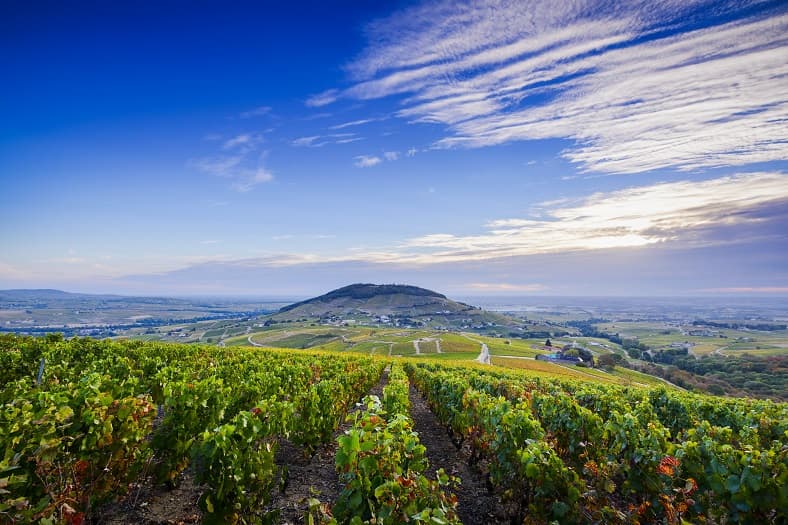
Morgon is distinguished by its robust expression of Gamay, thriving on the granite-rich soils of Beaujolais. Known for its deep, structured wines, Morgon offers a unique taste of terroir.

Collections/Countries/France/Burgundy/Morgon

About Morgon

Morgon, one of the ten crus of Beaujolais, is renowned for its ability to produce wines with remarkable depth and complexity. The appellation's primary grape, Gamay, finds its most profound expression here, thanks to the region's unique granite-rich soils. These soils impart a distinctive minerality and structure to the wines, setting Morgon apart from other Beaujolais crus. The wines of Morgon are celebrated for their ability to age, often developing complex flavors reminiscent of Pinot Noir, with notes of cherry, plum, and earthy undertones. Key producers such as Louis Claude Desvignes and Jean-Marc Burgaud craft wines that embody the essence of Morgon, offering both entry-level and premium options to suit a range of palates and budgets. When searching for the best Morgon wines, buyers often look for those with a balance of fruit and acidity, capable of aging gracefully. The price range for Morgon wines can vary, with everyday options available for those new to the region, and more premium selections for collectors and connoisseurs. Choosing Morgon means embracing a wine that offers both immediate pleasure and the potential for aging, making it a versatile choice for any wine enthusiast. Whether you're looking to buy Morgon for a special occasion or to expand your collection, this appellation provides a unique taste of Beaujolais terroir.

Regulations & Standards

Morgon wines must adhere to strict AOC regulations, ensuring quality and authenticity. The wines are required to be made exclusively from the Gamay grape, with a minimum alcohol content of 10%. Morgon is unique among Beaujolais crus for its ability to age, and wines from this appellation often benefit from several years of cellaring. The regulations also dictate specific vineyard practices and yield limits to maintain the high standards expected of Morgon wines.

Grape Varieties

Morgon is exclusively produced from the Gamay grape, which thrives in the Beaujolais region. This variety is known for its thin skin and high acidity, producing wines that are light-bodied yet full of vibrant fruit flavors. In Morgon, Gamay achieves a depth and complexity that is often compared to Pinot Noir, with the ability to age and develop over time. The granite soils of the region contribute to the grape's expression, enhancing its mineral character and providing a structured backbone to the wines.

Soil Composition

The soils of Morgon are predominantly composed of decomposed granite, known locally as 'roches pourries' or 'rotten rocks'. This unique soil composition is crucial in shaping the character of Morgon wines, imparting a distinct minerality and enhancing the natural acidity of the Gamay grape. The granite soils also contribute to the wine's ability to age, providing a firm structure that supports the development of complex flavors over time.

Climate Characteristics

Morgon benefits from a semi-continental climate, with warm summers and cool winters. This climate is ideal for the Gamay grape, allowing it to ripen fully while retaining its natural acidity. The variation in temperature between day and night helps to preserve the aromatic intensity of the wines, resulting in a balance of fruit and freshness. The climate, combined with the region's granite soils, ensures that Morgon wines are both expressive and age-worthy.

Production Standards

Winemaking in Morgon often involves traditional methods, with many producers opting for whole-cluster fermentation to enhance the wine's complexity and structure. The use of oak varies, with some winemakers choosing to age their wines in oak barrels to add depth and texture, while others prefer to highlight the pure fruit character of the Gamay grape. The focus is on creating wines that reflect the unique terroir of Morgon, balancing fruit, acidity, and minerality.

On this page

  • About Morgon
  • Regulations & Standards
  • Grape Varieties
  • Soil Composition
  • Climate Characteristics
  • Production Standards

Frequently Asked Questions

What type of wine is Morgon known for?
Morgon is renowned for its red wines made from the Gamay grape. These wines are known for their rich, fruity flavors with notes of cherry, peach, and plum, often developing earthy and spicy characteristics as they age.
How does Morgon wine compare to other Beaujolais wines?
Morgon wines are typically more robust and structured compared to other Beaujolais wines. They have the potential to age well, developing complex flavors over time, which distinguishes them from the lighter, more youthful Beaujolais Nouveau.
What food pairs well with Morgon wine?
Morgon wines pair excellently with roasted meats, charcuterie, and earthy dishes like mushroom risotto. Their acidity and fruitiness also complement cheeses such as Brie and Camembert.
How long can Morgon wine be aged?
Morgon wines can be aged for 5 to 10 years, with some exceptional vintages lasting even longer. Aging allows the wine to develop more complex flavors and aromas, enhancing its earthy and spicy notes.
What is the best way to serve Morgon wine?
Morgon wine is best served slightly below room temperature, around 14-16°C (57-61°F). Decanting the wine for about 30 minutes before serving can help to open up its aromas and flavors.