-
Capital Spirits Logo

FOR THE THIRSTY

Raise a glass with us #Cheers

FacebookInstagramTikTokYouTube
concierge@capitalspirits.com
AboutLocationsEventsTrack OrderPrivacy PolicyTerms & ConditionsShipping PolicyReturn Policy
VisaMastercardAmerican ExpressApple PayGoogle Pay
Powered by Stripe
© 2026 Capital Spirits. All rights reserved.
APPELLATION

Cotes de Provence Wine

Cotes de Provence is defined by its diverse terroir and Mediterranean climate, producing elegant rosés and complex reds. Discover wines from renowned producers like Château d'Esclans and Miraval.

Collections/Countries/France/Provence/Cotes de Provence

About Cotes de Provence

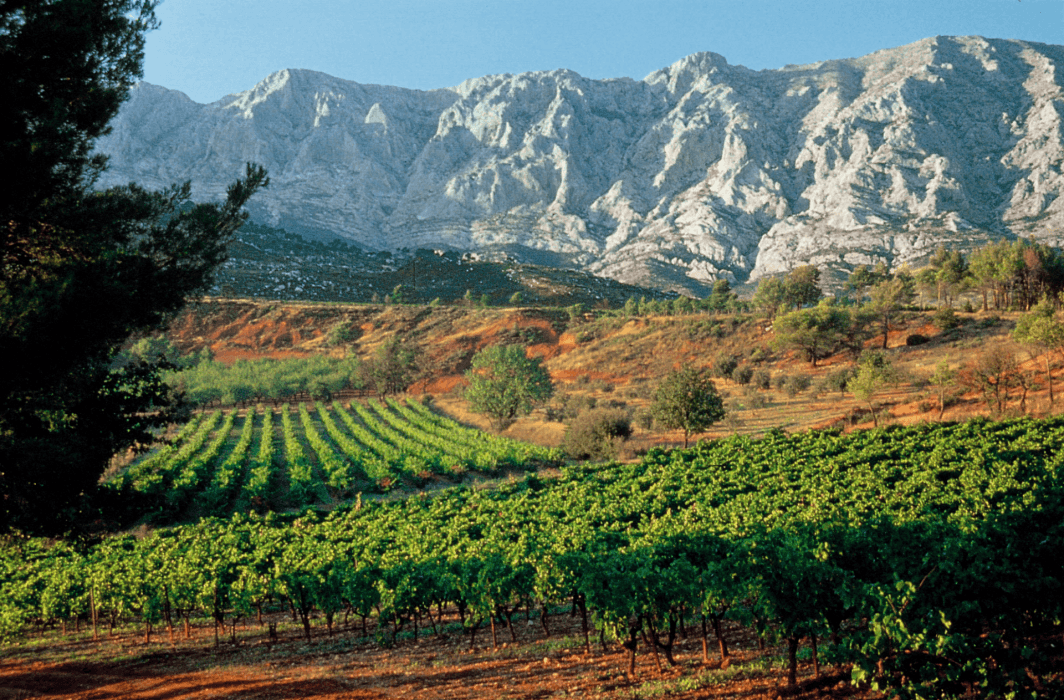
Cotes de Provence, the largest appellation in Provence, is celebrated for its exceptional rosé wines, which account for the majority of its production. The region's Mediterranean climate, with abundant sunshine and cooling sea breezes, creates ideal conditions for grape growing. This appellation is home to a variety of soils, including limestone, schist, and clay, which contribute to the complexity and minerality of the wines. The dominant grape varieties in Cotes de Provence include Grenache, Cinsault, Syrah, and Mourvèdre, each bringing unique characteristics to the blends. Grenache offers ripe fruit flavors and body, while Cinsault adds freshness and aromatic finesse. Syrah contributes structure and spice, and Mourvèdre imparts depth and complexity. Renowned producers such as Château d'Esclans, known for its Whispering Angel rosé, and Miraval, co-owned by the Perrin family and Hollywood stars, exemplify the quality and prestige of Cotes de Provence wines. Other notable estates include Château Minuty and Domaines Ott, both recognized for their elegant and expressive wines. Cotes de Provence wines range from accessible, everyday bottles to premium selections, offering something for every palate and budget. Whether you're seeking the best Cotes de Provence wines for a summer gathering or a refined option for a special occasion, this appellation delivers. Choosing Cotes de Provence means embracing wines that are not only a testament to the region's winemaking heritage but also a reflection of its vibrant culture and stunning landscapes. Explore our curated selection and experience the allure of Provence in every glass.

Regulations & Standards

Cotes de Provence wines must adhere to strict AOC regulations to ensure quality and authenticity. Rosé wines, which dominate production, must be made using the saignée or direct press methods, ensuring a delicate color and flavor profile. The appellation mandates specific grape varieties, with Grenache, Cinsault, Syrah, and Mourvèdre being prominent. Yields are controlled to maintain quality, and wines must meet minimum alcohol levels. These regulations help maintain the reputation of Cotes de Provence as a leading producer of high-quality rosé wines.

Grape Varieties

Cotes de Provence primarily features Grenache, Cinsault, Syrah, and Mourvèdre. Grenache is valued for its ripe fruit flavors and contributes body to the wines. Cinsault is often used for its aromatic qualities and freshness, making it a key component in rosé blends. Syrah adds structure and spicy notes, while Mourvèdre provides depth and complexity. These varieties thrive in the Mediterranean climate, benefiting from the ample sunshine and cooling sea breezes that define the region.

Soil Composition

The soils of Cotes de Provence are varied, with limestone, schist, and clay being predominant. Limestone soils are known for imparting minerality and freshness to the wines, while schist contributes to the intensity and depth of flavor. Clay soils retain moisture, which is beneficial during the hot summer months, helping to maintain vine health and grape quality. This diversity in soil types allows for a wide range of wine styles and expressions.

Climate Characteristics

Cotes de Provence enjoys a classic Mediterranean climate, characterized by hot, dry summers and mild, wet winters. The region benefits from over 3,000 hours of sunshine annually, which aids in the full ripening of grapes. The Mistral wind, a strong, dry northwesterly wind, helps to keep the vineyards healthy by reducing humidity and preventing disease. These climatic conditions contribute to the vibrant acidity and aromatic intensity of the wines.

Production Standards

Winemaking in Cotes de Provence emphasizes minimal intervention to preserve the natural expression of the terroir. Rosé wines are typically produced using the saignée method, which involves bleeding off juice from red wine fermentation, or direct pressing of red grapes. Temperature-controlled fermentation is common to retain freshness and aromatic intensity. The use of stainless steel tanks is prevalent, although some producers may incorporate oak aging for added complexity in their premium offerings.

On this page

  • About Cotes de Provence
  • Regulations & Standards
  • Grape Varieties
  • Soil Composition
  • Climate Characteristics
  • Production Standards

Frequently Asked Questions

What types of wine are produced in Cotes de Provence?
Cotes de Provence is renowned for its rosé wines, which make up about 90% of the region's production. The appellation also produces red and white wines, though in smaller quantities.
What are the main grape varieties used in Cotes de Provence rosé?
The primary grape varieties used in Cotes de Provence rosé include Grenache, Cinsault, Syrah, Mourvèdre, and Tibouren. These grapes contribute to the wine's distinctive pale color and aromatic profile.
What food pairs well with Cotes de Provence rosé?
Cotes de Provence rosé pairs well with a variety of dishes, including Mediterranean cuisine, seafood, salads, and grilled meats. Its crisp acidity and light body complement both light and flavorful foods.
How should Cotes de Provence rosé be served?
Cotes de Provence rosé is best served chilled, typically between 8-10°C (46-50°F). This temperature enhances its refreshing qualities and allows its delicate flavors to shine.
What is the typical flavor profile of Cotes de Provence rosé?
Cotes de Provence rosé is known for its fresh and fruity flavor profile, often featuring notes of red berries, citrus, and sometimes floral or herbal undertones. It is typically dry with a crisp finish, making it a popular choice for warm weather.