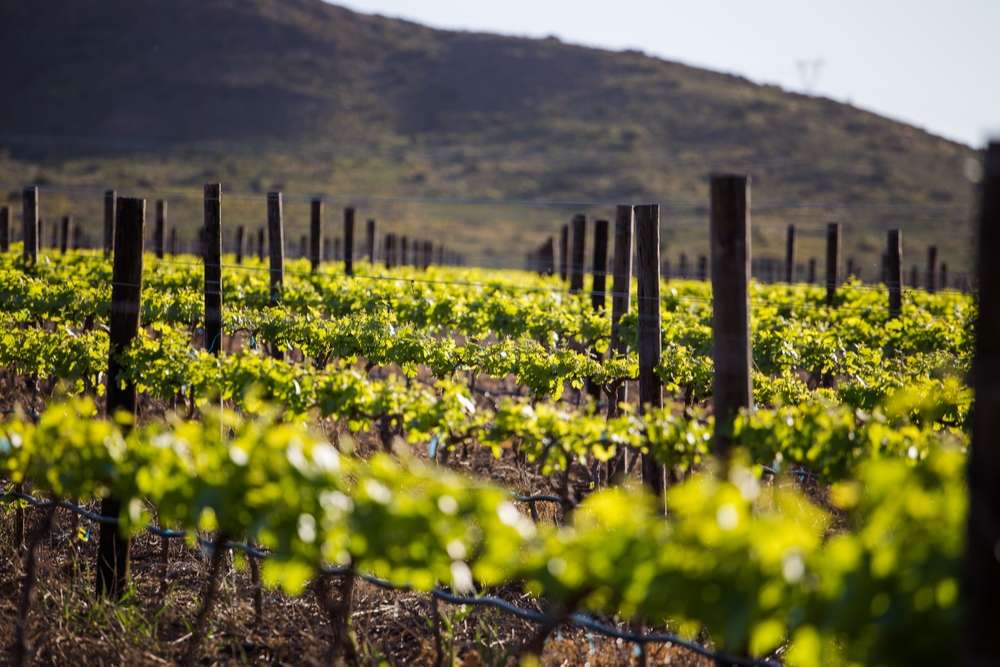
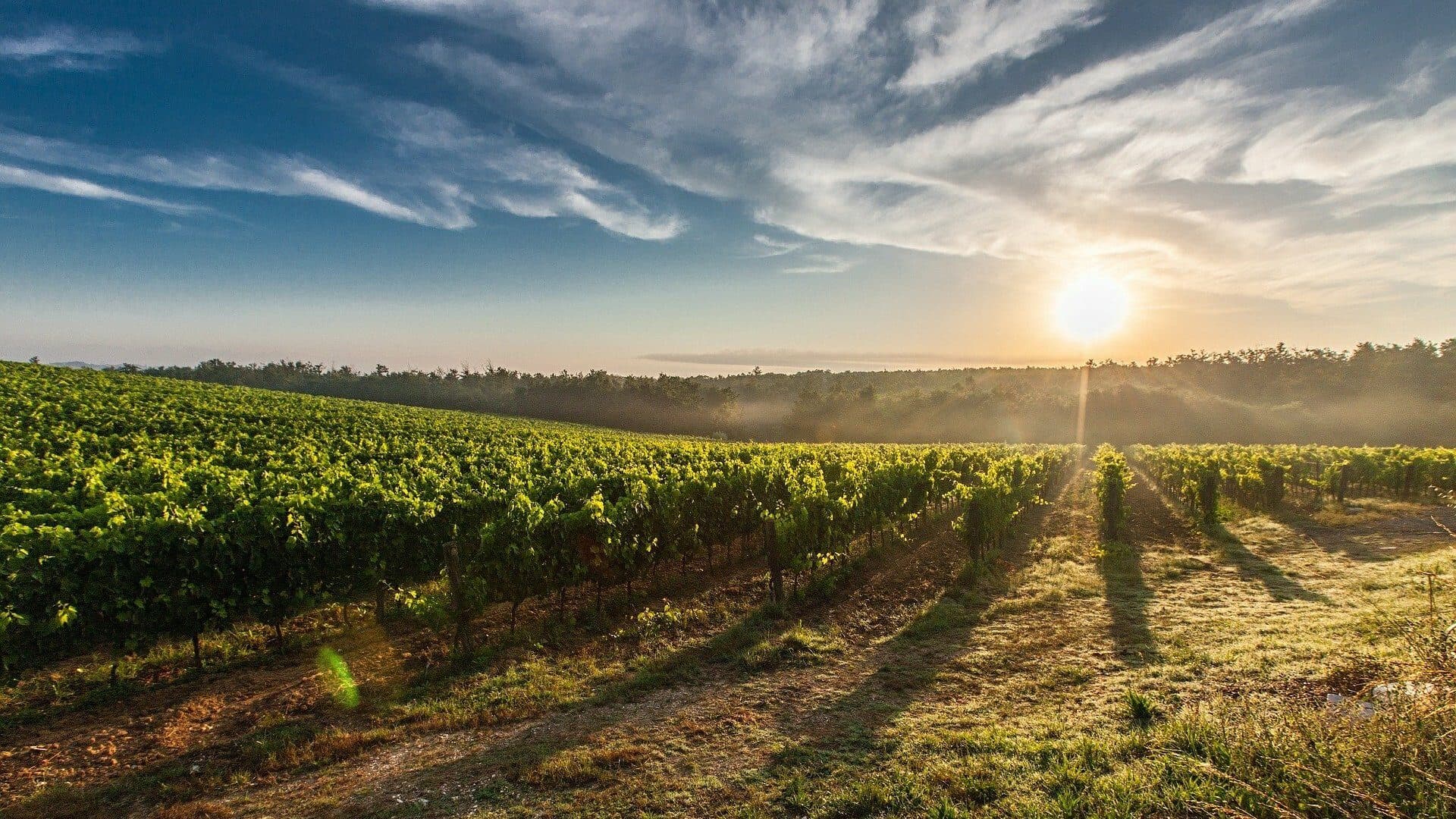
Provence's sun-soaked vineyards, nestled between the Mediterranean Sea and the rugged terrain of the inland, are the birthplace of some of the world's most exquisite rosés. This region's unique climate and calcareous soils create wines with vibrant acidity and delicate flavors.
Provence, with its sun-drenched landscapes and proximity to the Mediterranean, is synonymous with the production of world-class rosé wines. The region's unique terroir, characterized by calcareous soils and a warm, sunny climate, imparts a distinct freshness and minerality to its wines. Among the dominant grape varieties, Grenache, Cinsault, and Mourvèdre stand out, contributing to the region's signature pale pink wines that are both refreshing and complex.
Provence is home to esteemed producers such as Château d'Esclans, known for its Whispering Angel, and Domaines Ott, whose wines are celebrated for their elegance and finesse. These producers, along with Peyrassol and Château Minuty, exemplify the region's dedication to quality and tradition.
For wine enthusiasts, Provence offers a sensory journey through wines that capture the essence of the Mediterranean lifestyle. Whether you're savoring a glass on a warm summer evening or pairing it with a meal, Provence wines offer a versatile and delightful experience. Explore our selection to discover the charm and sophistication of Provence's finest offerings.
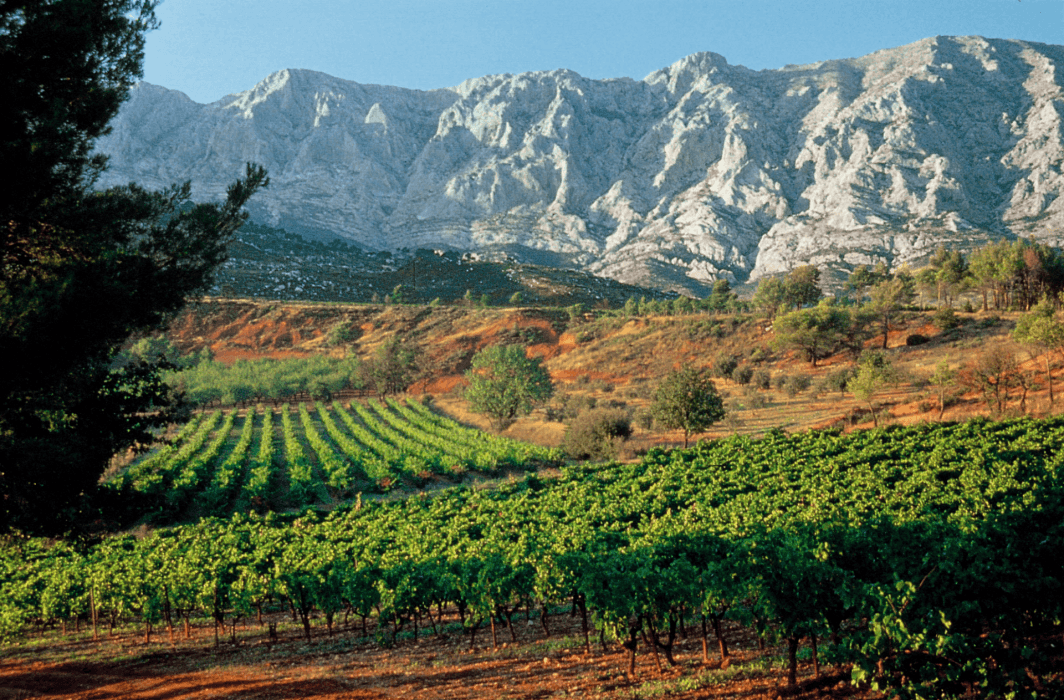
Climate & Terroir of Provence
Provence's climate is predominantly Mediterranean, characterized by hot, dry summers and mild, wet winters. This climate, combined with the region's diverse topography of rolling hills and coastal plains, creates ideal conditions for viticulture. The calcareous soils, rich in limestone, contribute to the wines' crisp acidity and minerality. The Mistral wind, a defining feature of the region, helps to cool the vineyards and reduce humidity, ensuring healthy grape development.
Winemaking Traditions
Winemaking in Provence dates back over 2,600 years, making it one of the oldest wine-producing regions in France. The region is renowned for its rosé wines, which are crafted using a blend of traditional grape varieties like Grenache, Cinsault, and Syrah. The saignée method, where juice is 'bled' from the grape must, is a common technique used to produce the region's signature pale pink wines. This method, along with careful temperature control during fermentation, helps to preserve the delicate aromas and flavors that Provence wines are known for.
Notable Producers in Provence
Provence boasts a rich tapestry of esteemed wine producers. Château d'Esclans, famous for its Whispering Angel, and Domaines Ott are leaders in crafting elegant rosés. Château Minuty and Peyrassol are also celebrated for their commitment to quality and tradition. Other notable names include Miraval, Famille Perrin, and Figuière, each contributing to the region's reputation for excellence. These producers embody the spirit and dedication that define Provence's winemaking landscape.
Food Pairings
Provence wines, particularly its rosés, are incredibly versatile and pair beautifully with a variety of dishes. Their crisp acidity and delicate fruit flavors complement Mediterranean cuisine, such as grilled seafood, fresh salads, and ratatouille. These wines also pair well with light appetizers, charcuterie, and soft cheeses, making them a perfect choice for alfresco dining and summer gatherings.
History of Provence
The history of winemaking in Provence is as rich and varied as the region itself. With origins dating back to 600 BC, when the ancient Greeks founded the city of Massalia (modern-day Marseille), Provence is one of France's oldest wine regions. Over the centuries, the region has been influenced by various cultures, including the Romans, who expanded viticulture throughout the area. In the Middle Ages, monastic communities further developed the vineyards, laying the groundwork for the region's modern wine industry. Today, Provence is celebrated for its innovation and dedication to quality, with rosé wines at the forefront of its global reputation.
Frequently Asked Questions
What is Provence rosé wine known for?
Provence rosé is renowned for its pale pink color, light body, and refreshing taste. It typically features notes of red berries, citrus, and sometimes a hint of floral or herbal undertones, making it perfect for warm weather and pairing with Mediterranean cuisine.
Which grape varieties are commonly used in Provence wines?
Provence wines often use grape varieties such as Grenache, Cinsault, Syrah, Mourvèdre, and Tibouren for rosé and red wines. For white wines, Rolle (also known as Vermentino) and Ugni Blanc are popular choices.
What are the main wine regions within Provence?
The main wine regions in Provence include Côtes de Provence, Bandol, and Coteaux d'Aix-en-Provence. Each region has its own unique terroir and style, with Bandol being particularly famous for its robust red wines made from Mourvèdre.
How should I serve Provence rosé wine?
Provence rosé is best served chilled, ideally between 45-55°F (7-13°C). It pairs well with a variety of dishes, including seafood, salads, and light appetizers, making it a versatile choice for many occasions.
What is the best time of year to buy Provence rosé?
Provence rosé is typically released in the spring following the harvest, making it freshest and most vibrant when purchased in the spring and summer months. However, it can be enjoyed year-round, especially if stored properly in a cool, dark place.