-
Capital Spirits Logo

FOR THE THIRSTY

Raise a glass with us #Cheers

FacebookInstagramTikTokYouTube
concierge@capitalspirits.com
AboutLocationsEventsTrack OrderPrivacy PolicyTerms & ConditionsShipping PolicyReturn Policy
VisaMastercardAmerican ExpressApple PayGoogle Pay
Powered by Stripe
© 2026 Capital Spirits. All rights reserved.
APPELLATION

Cotes du Rhone Wines

Cotes du Rhone wines are defined by their diverse blend of Grenache, Syrah, and Mourvèdre, offering a rich tapestry of flavors. This appellation is a cornerstone of the Rhone Valley, producing wines that balance fruit, spice, and earthiness.

Collections/Countries/France/Rhone Valley/Cotes du Rhone

About Cotes du Rhone

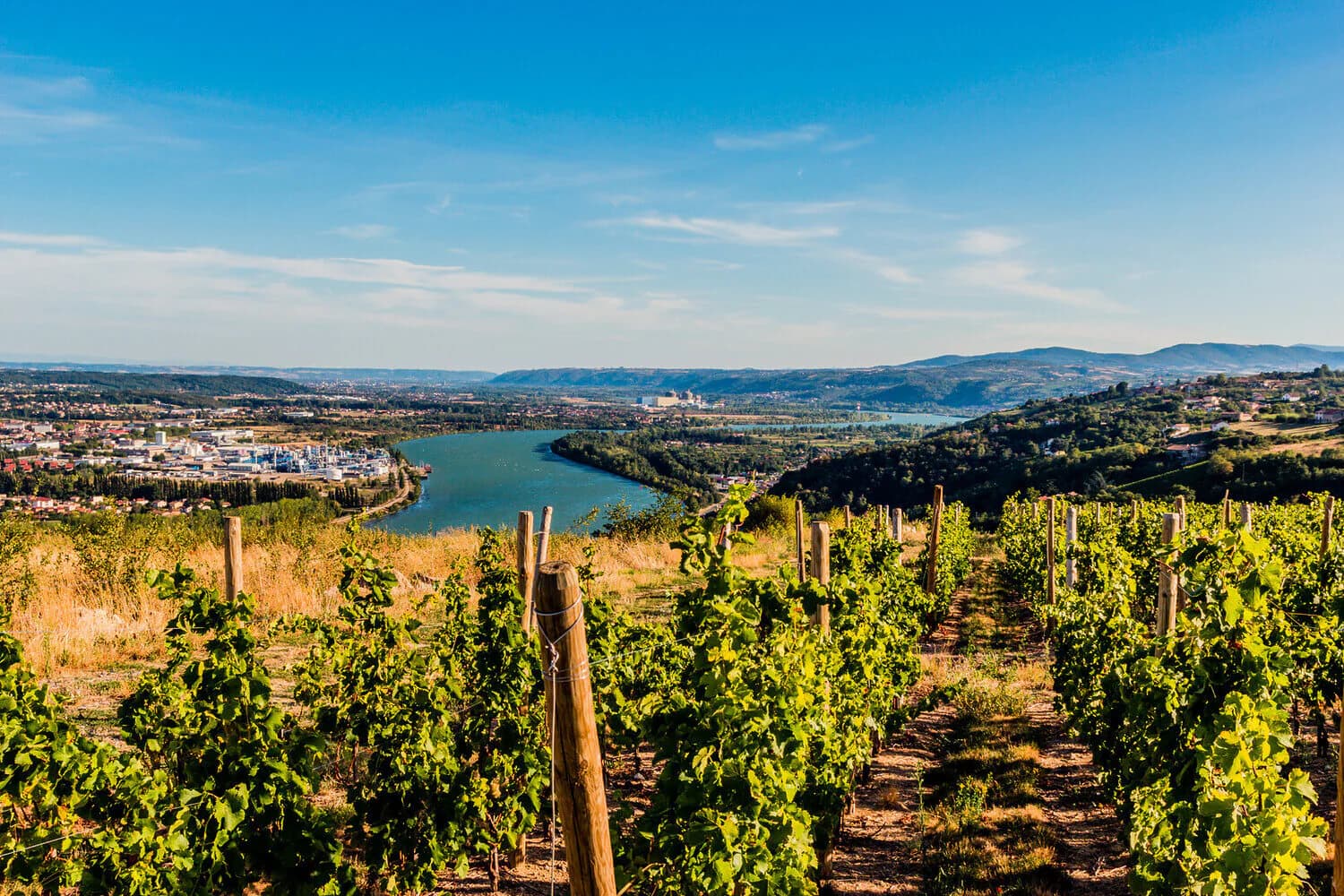
Cotes du Rhone, a pivotal appellation in the Rhone Valley, is celebrated for its versatile and approachable wines. Dominated by Grenache, Syrah, and Mourvèdre, these wines offer a harmonious blend of fruit, spice, and earthiness, appealing to both casual drinkers and connoisseurs. Producers like E. Guigal, Famille Perrin, and Jean-Luc Colombo craft wines that reflect the region's unique terroir, characterized by its varied soils and Mediterranean climate. The Cotes du Rhone appellation encompasses a wide range of styles, from everyday drinking wines to more complex and structured offerings. Entry-level wines provide excellent value, while premium selections from renowned producers offer depth and aging potential. Buyers seeking the best Cotes du Rhone wines should look for those with balanced acidity and a robust flavor profile, often featuring notes of red and black fruits, herbs, and pepper. Choosing Cotes du Rhone means embracing a wine tradition that combines quality, diversity, and accessibility. Whether you're exploring the offerings of Domaine de la Janasse or the esteemed Château De Beaucastel, the wines of Cotes du Rhone promise a journey through the heart of French viticulture.

Regulations & Standards

Cotes du Rhone wines must adhere to specific AOC regulations, which dictate grape varieties, yield limits, and production methods. Red wines must comprise at least 40% Grenache, with Syrah and Mourvèdre often included to enhance complexity. The maximum yield is set to ensure quality, and wines must meet minimum alcohol levels to reflect the ripeness and concentration typical of the region. These regulations ensure that Cotes du Rhone wines maintain their distinctive character and quality.

Grape Varieties

Cotes du Rhone wines primarily feature Grenache, Syrah, and Mourvèdre, which are the cornerstone of the region's red blends. Grenache contributes ripe fruit flavors and body, while Syrah adds structure, color, and spice. Mourvèdre brings complexity and tannins, enhancing the wine's aging potential. Other permitted varieties include Carignan and Cinsault, which can add additional layers of flavor and aroma. For white wines, Viognier, Marsanne, and Roussanne are commonly used, offering floral and stone fruit notes.

Soil Composition

The soils of Cotes du Rhone are diverse, ranging from rocky, limestone-rich terrains to sandy and clay-laden areas. This variety allows for a wide expression of terroir in the wines. The rocky soils, particularly in the northern parts, help retain heat and promote ripening, while the clay and sand in the south contribute to the wines' richness and depth. These soil types play a crucial role in shaping the character and complexity of Cotes du Rhone wines.

Climate Characteristics

Cotes du Rhone benefits from a Mediterranean climate, characterized by hot, dry summers and mild, wet winters. The Mistral wind, a defining feature of the region, helps to cool the vineyards and reduce humidity, minimizing the risk of disease. This climate allows for optimal ripening of grapes, resulting in wines with concentrated flavors and balanced acidity. The consistent sunshine and warmth contribute to the development of rich, ripe fruit characteristics in the wines.

Production Standards

Winemaking in Cotes du Rhone often involves traditional techniques such as whole-cluster fermentation and aging in large oak foudres to preserve the wines' natural fruit and spice characteristics. Many producers, like M. Chapoutier and Domaine André Brunel, focus on minimal intervention to allow the terroir to shine through. This approach results in wines that are both expressive and true to their origins.

On this page

  • About Cotes du Rhone
  • Regulations & Standards
  • Grape Varieties
  • Soil Composition
  • Climate Characteristics
  • Production Standards

Frequently Asked Questions

What types of wine does Cotes du Rhone produce?
Cotes du Rhone primarily produces red wines, which make up about 95% of its production. The region also produces white and rosé wines, with Grenache, Syrah, and Mourvèdre being the dominant grape varieties for reds.
What food pairs well with Cotes du Rhone wine?
Cotes du Rhone red wines pair well with grilled meats, stews, and hearty dishes due to their robust flavors. The white wines complement seafood, poultry, and creamy cheeses, while rosés are versatile and can be enjoyed with salads, light appetizers, and Mediterranean cuisine.
How should I serve Cotes du Rhone wine?
Red Cotes du Rhone wines are best served slightly below room temperature, around 60-65°F (15-18°C). White and rosé wines should be chilled and served at 50-55°F (10-13°C) to enhance their refreshing qualities.
What is the price range for Cotes du Rhone wines?
Cotes du Rhone wines are known for their excellent value, with prices typically ranging from $10 to $30 per bottle. Higher-end selections, especially from specific villages or with special designations, can cost more.
How long can I age Cotes du Rhone wine?
While many Cotes du Rhone wines are crafted for early consumption, some higher-quality reds, particularly those from Cotes du Rhone Villages or specific crus, can age well for 5 to 10 years. Aging potential depends on the vintage and producer, so it's best to check specific recommendations for each bottle.