-
Capital Spirits Logo

FOR THE THIRSTY

Raise a glass with us #Cheers

FacebookInstagramTikTokYouTube
concierge@capitalspirits.com
AboutLocationsEventsTrack OrderPrivacy PolicyTerms & ConditionsShipping PolicyReturn Policy
VisaMastercardAmerican ExpressApple PayGoogle Pay
Powered by Stripe
© 2026 Capital Spirits. All rights reserved.
APPELLATION

Margaux Wine

Margaux is distinguished by its elegant, perfumed wines, primarily crafted from Cabernet Sauvignon. This Bordeaux appellation is known for its finesse and complexity.

Collections/Countries/France/Bordeaux/Margaux

About Margaux

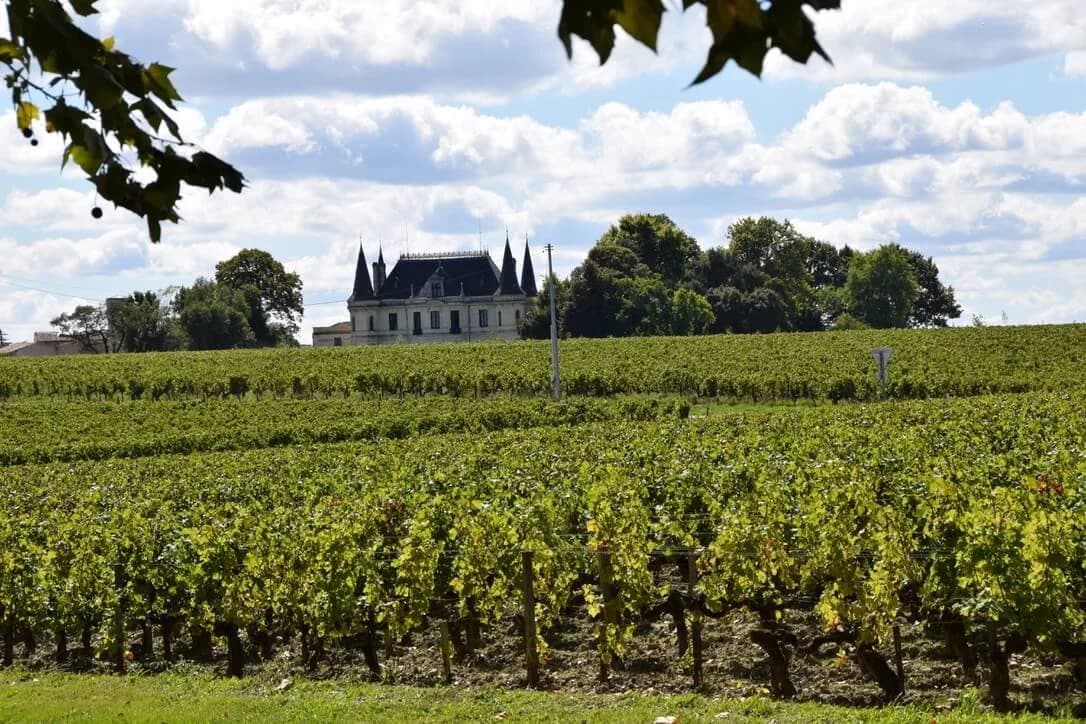
Margaux, located in the Médoc region of Bordeaux, is renowned for producing some of the most elegant and perfumed wines in the world. The appellation's wines are predominantly made from Cabernet Sauvignon, often blended with Merlot and other Bordeaux varieties, resulting in a harmonious balance of power and finesse. Margaux wines are celebrated for their aromatic complexity, featuring notes of blackcurrant, violet, and cedar, with a silky texture and refined tannins. The producer landscape in Margaux includes illustrious names such as Château Margaux, Château Palmer, and Château Brane-Cantenac. These estates are known for their meticulous winemaking practices and commitment to quality, offering wines that are both age-worthy and expressive of their terroir. Entry-level Margaux wines provide an accessible introduction to the appellation's style, while premium offerings from top producers deliver profound depth and longevity. When considering the best Margaux wines to buy, look for those that showcase the appellation's signature elegance and complexity. Whether you're seeking a bottle for immediate enjoyment or one to cellar, Margaux offers a range of options to suit various preferences and budgets. Choose Margaux for its unparalleled expression of Bordeaux's classic style, where tradition meets innovation in every bottle.

Regulations & Standards

Margaux wines must adhere to strict AOC regulations, which dictate grape varieties, yield limits, and aging requirements. The appellation mandates that wines must be made primarily from Cabernet Sauvignon, with Merlot, Cabernet Franc, Petit Verdot, and Malbec as supplementary varieties. Maximum yields are set to ensure concentration and quality. Additionally, Margaux wines must be aged for a minimum of 18 months before release, allowing the wines to develop complexity and integrate their tannins.

Grape Varieties

Margaux wines are primarily composed of Cabernet Sauvignon, which thrives in the region's gravelly soils. This variety contributes structure and blackcurrant flavors to the wines. Merlot is the second most important grape, adding softness and ripe fruit characteristics. Other permitted varieties include Cabernet Franc, Petit Verdot, and Malbec, which are used in smaller proportions to enhance complexity and aromatic profile. The blend of these varieties results in wines that are both powerful and elegant, with the capacity to age gracefully.

Soil Composition

The soils of Margaux are predominantly gravelly, with varying depths of gravel over limestone and clay subsoils. This composition is ideal for Cabernet Sauvignon, as the gravel provides excellent drainage and heat retention, promoting optimal ripening. The diversity of soil types within the appellation allows for subtle variations in wine style and character, contributing to the complexity and finesse that Margaux wines are known for.

Climate Characteristics

Margaux benefits from a temperate maritime climate, influenced by its proximity to the Atlantic Ocean and the Gironde estuary. This climate provides moderate temperatures, with warm summers and mild winters, allowing for a long growing season. The consistent rainfall ensures that vines have sufficient water, while the gravelly soils prevent waterlogging. These conditions contribute to the development of ripe, balanced fruit, essential for the production of high-quality wines.

Production Standards

Winemaking in Margaux is characterized by traditional techniques combined with modern innovations. Grapes are typically hand-harvested to ensure optimal ripeness and quality. Fermentation occurs in temperature-controlled stainless steel or concrete vats, allowing precise control over the process. Aging takes place in French oak barrels, with the proportion of new oak varying by producer, to impart structure and subtle oak flavors without overwhelming the wine's inherent elegance.

On this page

  • About Margaux
  • Regulations & Standards
  • Grape Varieties
  • Soil Composition
  • Climate Characteristics
  • Production Standards

Frequently Asked Questions

What is Margaux wine known for?
Margaux wines are renowned for their elegance, complexity, and aromatic finesse. They typically exhibit notes of blackcurrant, violet, and cedar, with a silky texture and well-integrated tannins.
How much does a bottle of Margaux wine cost?
The price of Margaux wines can vary significantly, ranging from around $50 for entry-level bottles to several thousand dollars for prestigious vintages from top châteaux. The cost often reflects the wine's vintage, producer, and overall quality.
What food pairs well with Margaux wine?
Margaux wines pair excellently with red meats, such as lamb or beef, and game dishes. They also complement rich sauces and dishes featuring mushrooms or truffles, enhancing the wine's complex flavors.
How long can I cellar Margaux wine?
Margaux wines are known for their aging potential, with many able to be cellared for 10 to 30 years or more, depending on the vintage and producer. Proper storage conditions, such as a cool, dark place with consistent temperature and humidity, are essential for optimal aging.
What grape varieties are used in Margaux wine?
Margaux wines are predominantly made from Cabernet Sauvignon, often blended with Merlot, Cabernet Franc, and Petit Verdot. This blend contributes to the wine's structure, complexity, and ability to age gracefully.