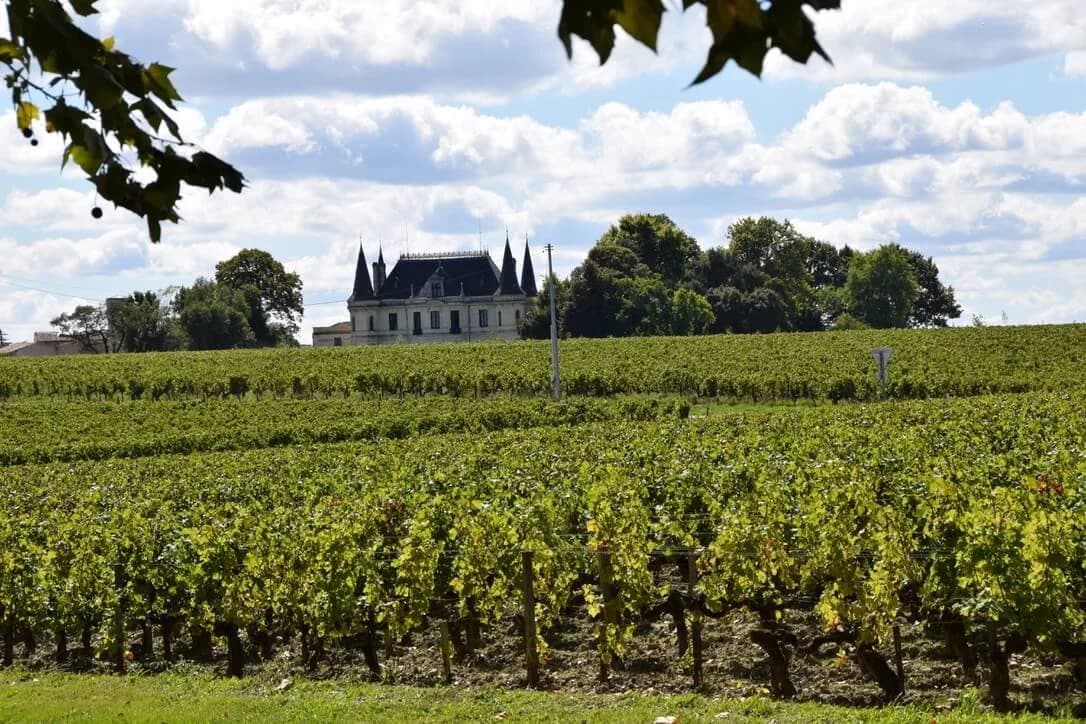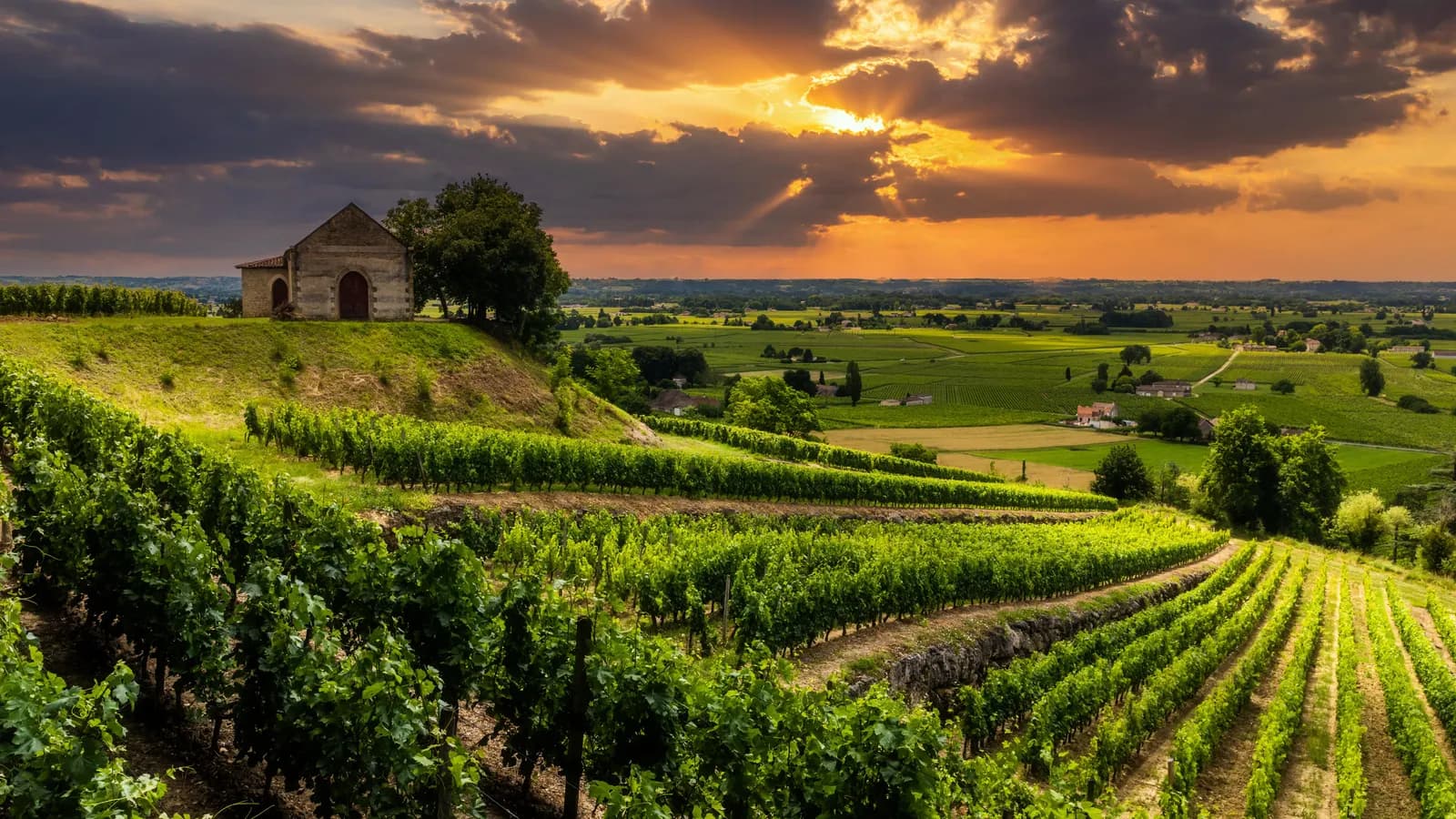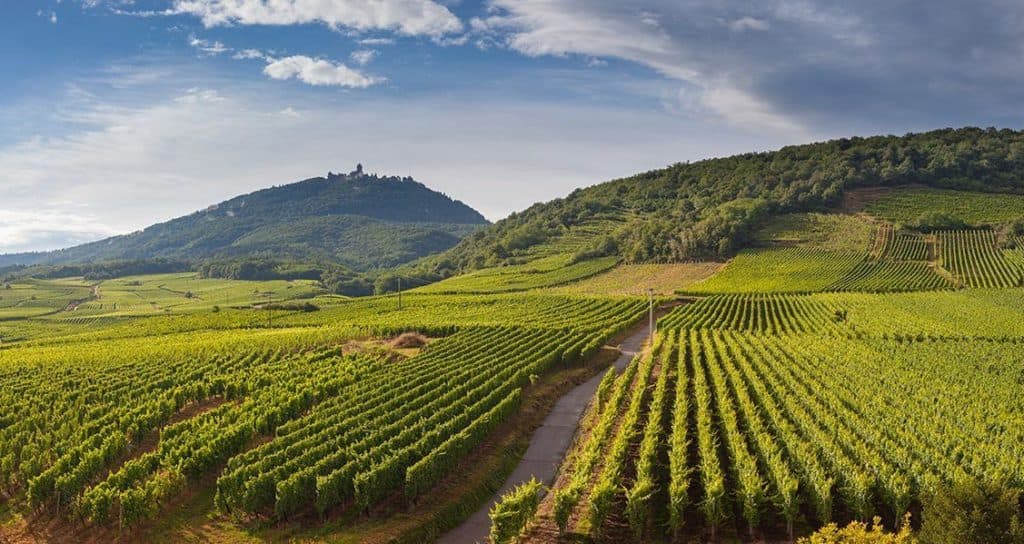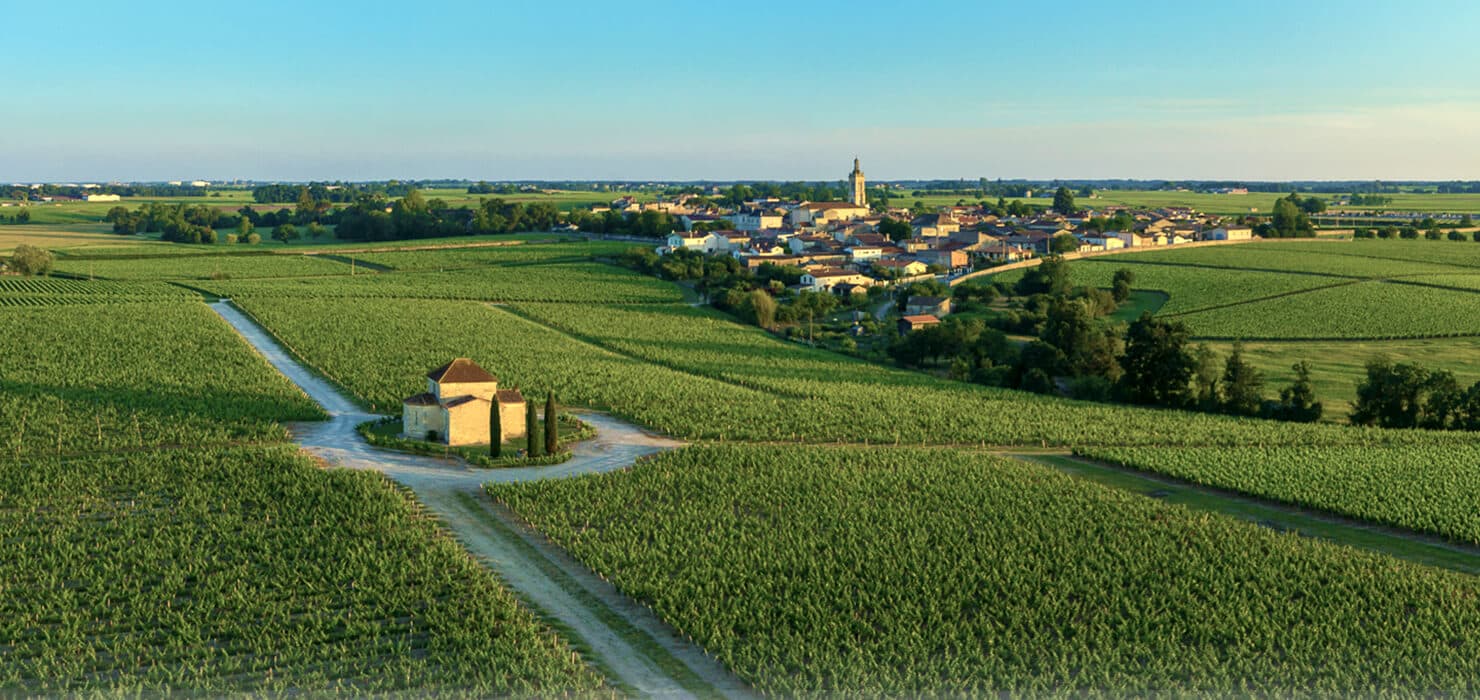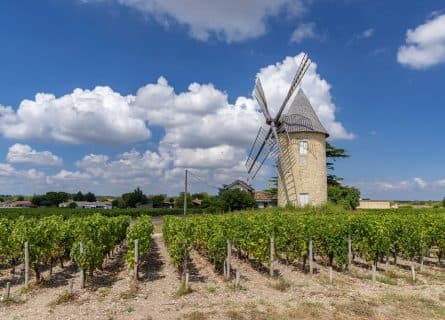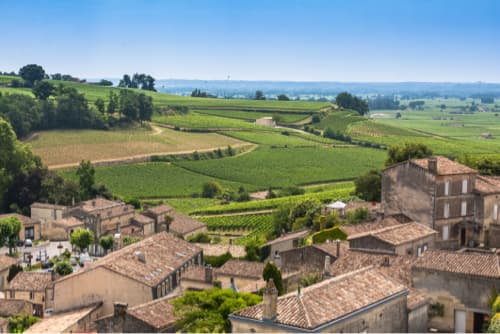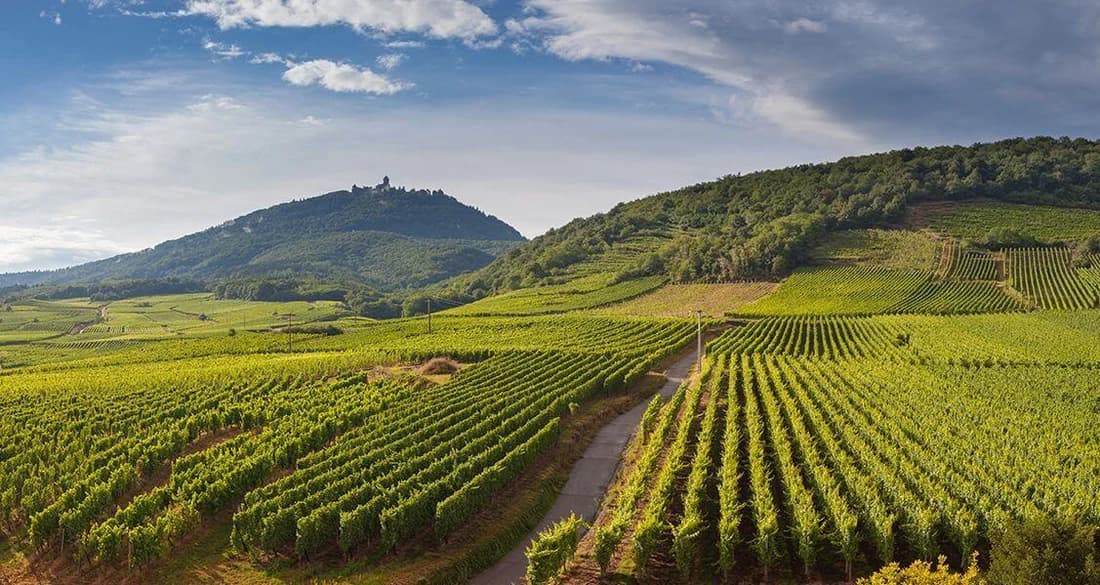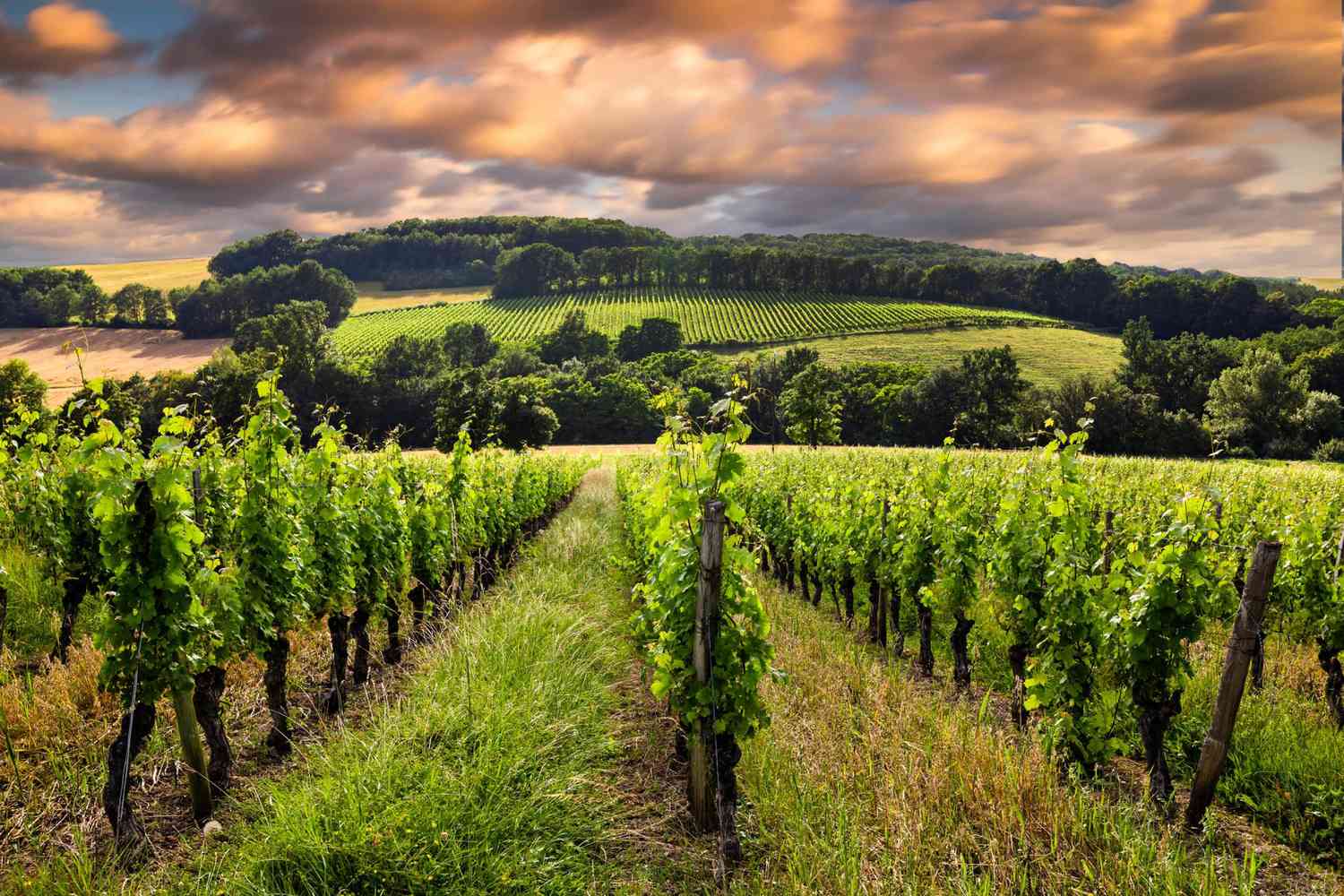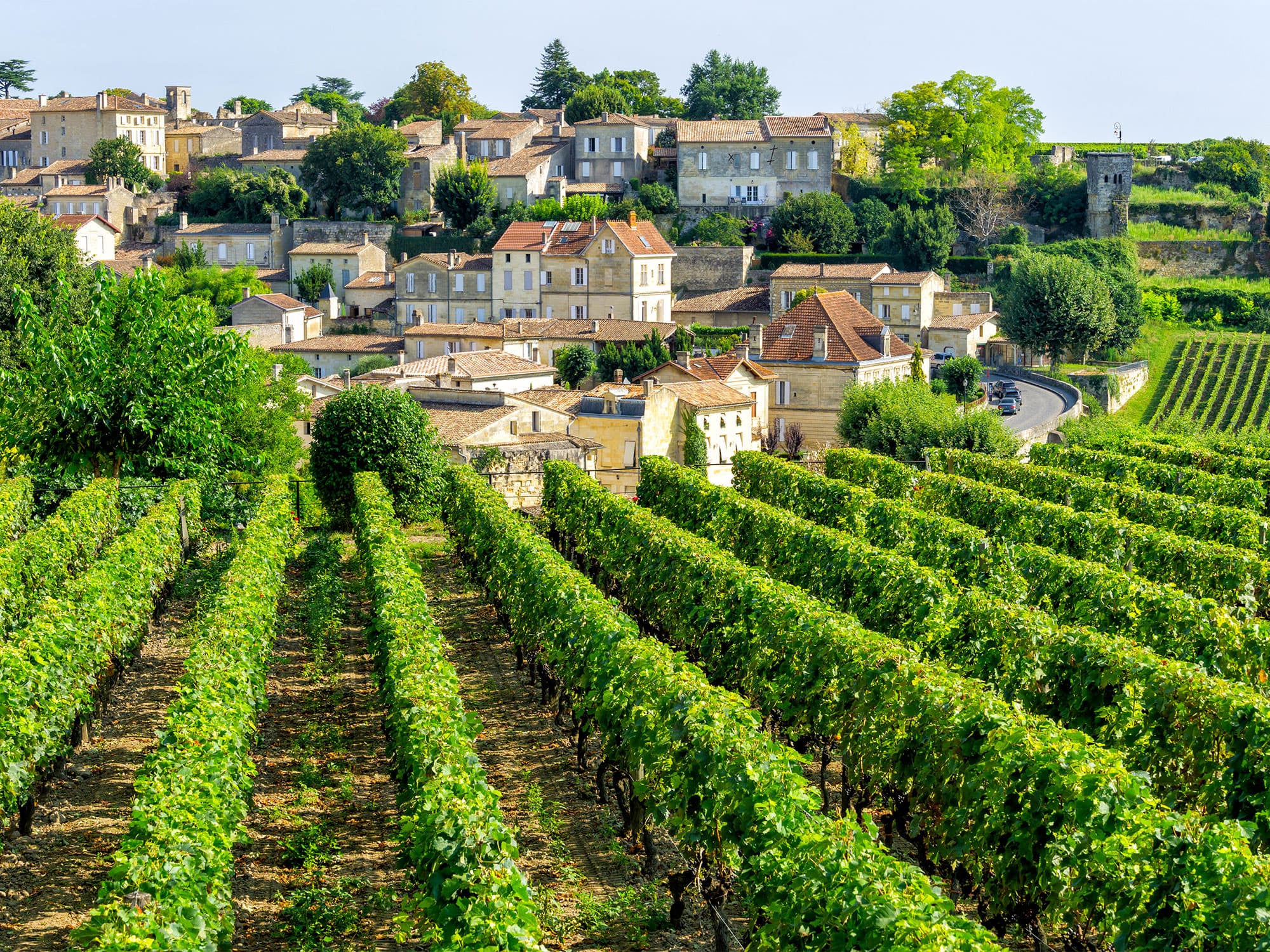
Bordeaux's gravelly soils and maritime climate create the ideal conditions for producing world-class Cabernet Sauvignon and Merlot blends. This region is home to legendary estates like Château Lafite Rothschild and Château d'Yquem, offering wines of unparalleled elegance and complexity.
Bordeaux stands as a beacon of excellence in the wine world, renowned for its exquisite blends primarily composed of Cabernet Sauvignon and Merlot. The region's unique gravelly soils and maritime climate contribute to the creation of wines that are both structured and elegant. Bordeaux is divided into several sub-regions, each with its own distinct character, but all share a commitment to quality and tradition.
The producers we feature, such as Château Lafite Rothschild and Château d'Yquem, are synonymous with luxury and heritage. Château Lafite Rothschild, for example, is celebrated for its powerful and refined red wines, while Château d'Yquem is revered for its opulent and long-lived Sauternes.
Bordeaux wines are known for their deep flavors of blackcurrant, plum, and earthy notes, often complemented by hints of tobacco and cedar. These wines are perfect for aging, allowing their complex profiles to evolve over time. Whether you're a seasoned collector or a new enthusiast, Bordeaux offers a captivating journey through some of the finest wines in the world.
Climate & Terroir of Bordeaux
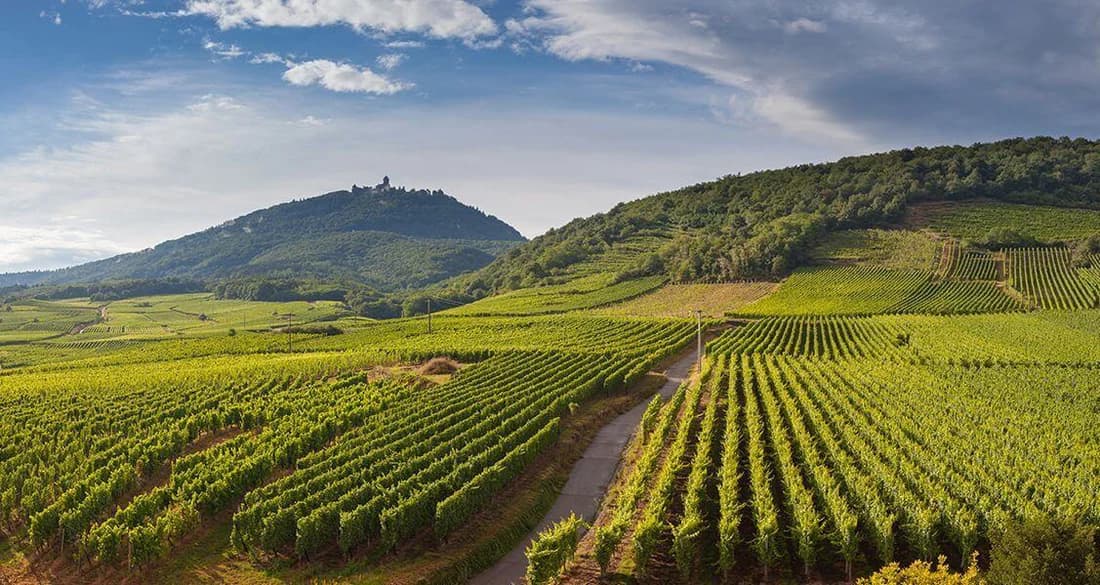
Bordeaux's climate is heavily influenced by its proximity to the Atlantic Ocean, providing a maritime climate that ensures mild winters and warm summers. The region's diverse soils, ranging from gravelly banks to clay and limestone, play a crucial role in the character of its wines. The gravelly soils, particularly in the Médoc, are ideal for Cabernet Sauvignon, allowing for excellent drainage and heat retention, which contribute to the grape's ripening process. Meanwhile, the clay and limestone soils found in areas like Saint-Émilion are perfect for Merlot, offering a different expression of Bordeaux's rich terroir.
Winemaking Traditions
Bordeaux's winemaking traditions are steeped in history and precision. The region is known for its meticulous blending practices, where winemakers skillfully combine different grape varieties to achieve balance and complexity. This tradition of blending, particularly the use of Cabernet Sauvignon, Merlot, and Cabernet Franc, is a hallmark of Bordeaux wines. Aging in oak barrels is another critical aspect, with many producers opting for French oak to impart subtle flavors and enhance the wine's structure. Bordeaux's commitment to quality is evident in its classification systems, which recognize the excellence of its top estates.
Notable Producers in Bordeaux
Bordeaux is home to some of the most prestigious wine producers in the world. Our selection includes renowned names such as Château Lafite Rothschild, known for its elegant and powerful red wines, and Château d'Yquem, famed for its luxurious Sauternes. Other notable producers include Château Lynch-Bages, Château Pichon Longueville Comtesse de Lalande, and Château Mouton Rothschild, each offering a unique expression of Bordeaux's rich winemaking heritage. These producers are celebrated for their commitment to quality and their ability to craft wines that stand the test of time.
Food Pairings
Bordeaux wines are incredibly versatile when it comes to food pairings. The robust reds, with their rich tannins and complex flavors, are a perfect match for hearty dishes like grilled lamb, beef stew, or roasted duck. The sweet Sauternes, such as those from Château d'Yquem, pair beautifully with foie gras, blue cheese, or even a simple dessert like tarte tatin. Whether you're enjoying a casual meal or a gourmet feast, Bordeaux wines elevate the dining experience.
History of Bordeaux
The history of Bordeaux winemaking dates back to Roman times, but it truly flourished in the 12th century when the region came under English rule. This period marked the beginning of Bordeaux's export-driven wine trade. The 1855 Classification, commissioned by Napoleon III, further solidified Bordeaux's reputation by ranking its top estates, many of which remain iconic today. Over the centuries, Bordeaux has maintained its status as a leader in the wine world, continually innovating while honoring its rich traditions. The region's commitment to quality and excellence has made it a benchmark for fine wine globally.
Frequently Asked Questions
What are the best Bordeaux wines to buy?
Bordeaux is renowned for its red blends, particularly those from the Médoc, Saint-Émilion, and Pomerol regions. Look for wines from prestigious châteaux such as Château Margaux, Château Latour, and Château Pétrus for top-quality options.
What is the difference between Left Bank and Right Bank Bordeaux wines?
Left Bank Bordeaux wines, primarily from the Médoc and Graves regions, are typically Cabernet Sauvignon-dominant, offering structured and tannic profiles. Right Bank wines, from areas like Saint-Émilion and Pomerol, are usually Merlot-dominant, providing softer and fruitier characteristics.
How should I store Bordeaux wine?
Bordeaux wines should be stored in a cool, dark place with a consistent temperature, ideally between 55-59°F (13-15°C). Ensure the bottles are lying on their sides to keep the cork moist and prevent air from entering.
What food pairs well with Bordeaux wine?
Bordeaux wines pair excellently with rich meats such as beef, lamb, and duck. For white Bordeaux, consider pairing with seafood or poultry dishes, while Sauternes, a sweet Bordeaux wine, complements desserts and blue cheeses.
How long can I age Bordeaux wine?
The aging potential of Bordeaux wine depends on the specific wine and vintage, but many high-quality Bordeaux reds can age for 10-20 years or more. Whites and sweet wines like Sauternes also have excellent aging potential, often improving over decades.