-
Capital Spirits Logo

FOR THE THIRSTY

Raise a glass with us #Cheers

FacebookInstagramTikTokYouTube
concierge@capitalspirits.com
AboutLocationsEventsTrack OrderPrivacy PolicyTerms & ConditionsShipping PolicyReturn Policy
VisaMastercardAmerican ExpressApple PayGoogle Pay
Powered by Stripe
© 2026 Capital Spirits. All rights reserved.
APPELLATION

Saint-Emilion Wine

Saint-Emilion's Merlot-dominant blends are crafted under strict AOC regulations, offering rich, velvety wines with a complex bouquet. Explore our selection from top producers like Château Cheval Blanc and Château Angélus.

Collections/Countries/France/Bordeaux/Saint-Emilion

About Saint-Emilion

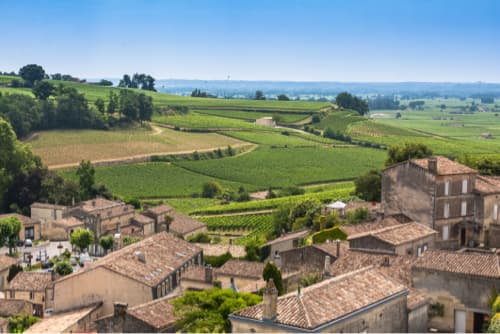
Saint-Emilion, a prestigious appellation in Bordeaux, is celebrated for its Merlot-dominant blends that offer a rich tapestry of flavors and textures. The wines from this region are renowned for their velvety tannins, deep fruit character, and complex aromatic profiles. Key producers such as Château Cheval Blanc and Château Angélus exemplify the quality and tradition of Saint-Emilion winemaking. The appellation's unique terroir, characterized by its limestone plateau and varied soils, contributes to the distinctive style of its wines. The climate, with its warm summers and mild winters, allows for optimal ripening of the grapes, resulting in wines that are both powerful and elegant. Saint-Emilion wines range from accessible, everyday bottles to highly sought-after, premium offerings. This diversity makes it an appealing choice for both casual wine drinkers and serious collectors. When searching for the best Saint-Emilion wines, consider the balance of fruit, acidity, and tannin, as well as the reputation of the producer. For those looking to buy Saint-Emilion wine, our selection offers a range of options to suit different tastes and budgets. Whether you're seeking a bottle for a special occasion or to enjoy with a meal, Saint-Emilion provides a versatile and rewarding wine experience.

Regulations & Standards

Saint-Emilion wines are produced under strict AOC (Appellation d'Origine Contrôlée) regulations, which ensure quality and authenticity. The appellation mandates specific grape varieties, primarily Merlot and Cabernet Franc, with precise proportions allowed in blends. Additionally, there are rules regarding vineyard practices, including vine density and yield limits, to maintain high standards. Aging requirements stipulate that wines must mature for a minimum period before release, allowing them to develop their characteristic complexity and depth.

Grape Varieties

Saint-Emilion is predominantly known for its Merlot-based blends, which often include Cabernet Franc and, to a lesser extent, Cabernet Sauvignon. Merlot thrives in the clay and limestone soils of the region, providing the wines with a rich, plummy character and soft tannins. Cabernet Franc adds structure and aromatic complexity, contributing floral and spice notes. The combination of these varieties results in wines that are both approachable in their youth and capable of aging gracefully, developing additional layers of flavor over time.

Soil Composition

The soils of Saint-Emilion are diverse, with a notable presence of limestone, clay, and gravel. The limestone plateau, in particular, is prized for its ability to retain moisture and regulate temperature, providing ideal conditions for vine growth. Clay soils contribute to the richness and depth of the wines, enhancing the body and tannin structure. Gravelly areas, meanwhile, offer excellent drainage, promoting healthy vine development and contributing to the elegance and finesse of the wines.

Climate Characteristics

Saint-Emilion benefits from a temperate maritime climate, influenced by the nearby Atlantic Ocean. This climate provides warm, sunny summers and mild winters, which are ideal for grape growing. The consistent rainfall throughout the year ensures that vines have sufficient water, while the warm temperatures during the growing season promote optimal ripening of the grapes. This climate balance allows for the development of complex flavors and aromas, resulting in wines that are both powerful and refined.

Production Standards

Winemaking in Saint-Emilion adheres to traditional methods, emphasizing quality and expression of terroir. Grapes are typically hand-harvested to ensure optimal ripeness and selection. Fermentation often occurs in temperature-controlled stainless steel or concrete vats, preserving the purity of fruit flavors. Aging is commonly done in French oak barrels, which impart subtle vanilla and spice notes, enhancing the wine's complexity. These meticulous practices contribute to the distinctive style and high quality of Saint-Emilion wines.

On this page

  • About Saint-Emilion
  • Regulations & Standards
  • Grape Varieties
  • Soil Composition
  • Climate Characteristics
  • Production Standards

Frequently Asked Questions

What type of wine is Saint-Emilion known for?
Saint-Emilion is renowned for its red wines, primarily made from Merlot and Cabernet Franc grapes. These wines are celebrated for their rich, velvety texture and complex flavors, often featuring notes of dark fruit, spice, and earthy undertones.
How does Saint-Emilion wine differ from other Bordeaux wines?
Saint-Emilion wines typically have a higher proportion of Merlot, which gives them a softer, rounder profile compared to the more Cabernet Sauvignon-dominant wines of the Médoc. This results in wines that are often more approachable in their youth, with a lush, fruit-forward character.
What is the aging potential of Saint-Emilion wines?
Saint-Emilion wines, especially those from top estates, have excellent aging potential, often improving over 10 to 20 years or more. The robust structure and balanced tannins allow these wines to develop greater complexity and depth with age.
What food pairs well with Saint-Emilion wine?
Saint-Emilion wines pair beautifully with a variety of dishes, including roasted meats, lamb, and rich stews. Their earthy and fruity profile also complements mushroom-based dishes and aged cheeses.
What are the classifications of Saint-Emilion wines?
Saint-Emilion wines are classified into three main categories: Grand Cru, Grand Cru Classé, and Premier Grand Cru Classé, with the latter being the highest designation. These classifications are based on the quality of the vineyard and the wine, with periodic re-evaluations to maintain standards.