-
Capital Spirits Logo

FOR THE THIRSTY

Raise a glass with us #Cheers

FacebookInstagramTikTokYouTube
concierge@capitalspirits.com
AboutLocationsEventsTrack OrderPrivacy PolicyTerms & ConditionsShipping PolicyReturn Policy
VisaMastercardAmerican ExpressApple PayGoogle Pay
Powered by Stripe
© 2026 Capital Spirits. All rights reserved.
APPELLATION

Bordeaux Wine Selection

Bordeaux's strict AOC regulations ensure wines of exceptional quality and character. Known for its red blends, Bordeaux offers a diverse range of styles from producers like Château Briot and Mouton Cadet.

Collections/Countries/France/Bordeaux/Bordeaux

About Bordeaux

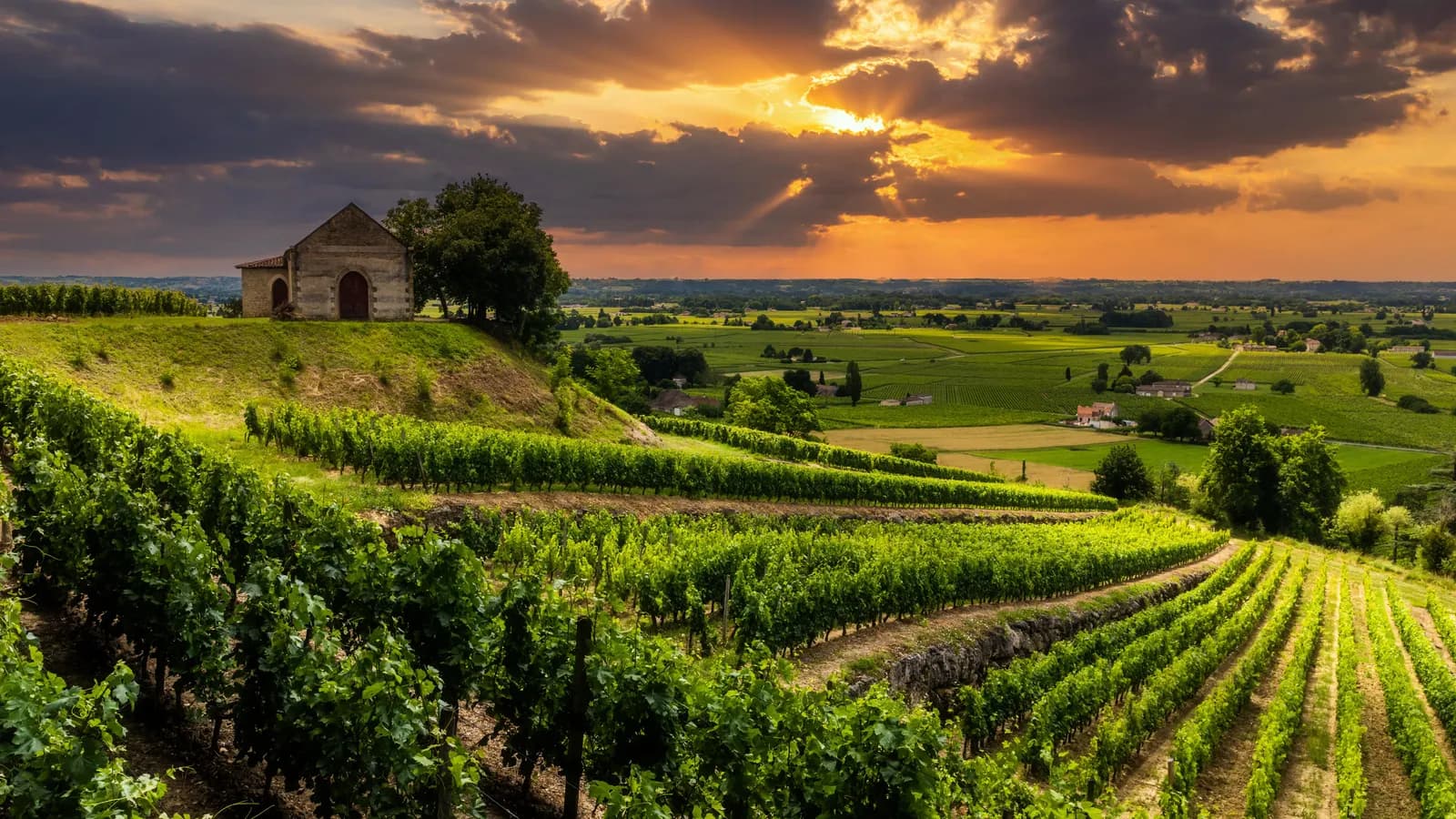
Bordeaux, a prestigious wine appellation in France, is synonymous with quality and tradition. Defined by its strict AOC regulations, Bordeaux wines are crafted with precision, ensuring a unique expression of terroir. The region is renowned for its red blends, primarily composed of Cabernet Sauvignon, Merlot, and Cabernet Franc, which offer a harmonious balance of fruit, tannins, and acidity. Bordeaux's white wines, often made from Sauvignon Blanc and Sémillon, are equally esteemed for their crispness and complexity. The producer landscape in Bordeaux is diverse, featuring esteemed names such as Château Briot - Ducourt, Mouton Cadet - Baron Philippe De Rothschild, and Château Cos d'Estournel. These producers, among others like Château de Parenchère and Château Thieuley, offer wines that range from accessible entry-level bottles to premium, age-worthy selections. When buying Bordeaux, expect a spectrum of flavors from rich, dark fruits and earthy notes in reds to citrus and floral nuances in whites. The best Bordeaux wines are often characterized by their elegance, structure, and potential for aging. Price-wise, Bordeaux caters to all budgets. From affordable options by producers like Château Saint-Sulpice to luxurious offerings from Domaines Barons de Rothschild Lafite, there's a Bordeaux wine for every palate and occasion. Choosing Bordeaux means embracing a wine region that marries tradition with innovation, offering wines that are both timeless and contemporary. Whether you're a seasoned collector or a curious newcomer, Bordeaux's wines promise a rewarding experience.

Regulations & Standards

Bordeaux's AOC regulations are among the most stringent in the wine world, ensuring high quality and authenticity. Red Bordeaux wines must be made from specific grape varieties, primarily Cabernet Sauvignon, Merlot, and Cabernet Franc. White Bordeaux wines typically use Sauvignon Blanc and Sémillon. Aging requirements vary, with many red wines needing at least 12 months in oak barrels. These regulations maintain Bordeaux's reputation for producing wines of depth, complexity, and longevity.

Grape Varieties

Bordeaux is famed for its red blends, primarily featuring Cabernet Sauvignon, Merlot, and Cabernet Franc. These grapes thrive in Bordeaux's varied terroirs, with Cabernet Sauvignon often dominating in the gravelly soils of the Left Bank, while Merlot finds its strength in the clay-rich soils of the Right Bank. Other permitted red varieties include Petit Verdot, Malbec, and Carménère, though they are used in smaller quantities. For white wines, Sauvignon Blanc and Sémillon are the stars, often blended to create both dry and sweet wines, with Muscadelle adding aromatic complexity.

Soil Composition

Bordeaux's diverse soils play a crucial role in the character of its wines. The Left Bank, including areas like Médoc and Graves, is known for its gravelly soils that provide excellent drainage, ideal for Cabernet Sauvignon. The Right Bank, including regions such as Saint-Émilion and Pomerol, features clay and limestone soils, which retain moisture and are well-suited for Merlot. These varied soil types contribute to the distinctive styles and flavors of Bordeaux wines, from the structured and tannic to the lush and fruit-forward.

Climate Characteristics

Bordeaux benefits from a temperate maritime climate, influenced by the nearby Atlantic Ocean. This climate provides moderate temperatures and ample rainfall, contributing to the region's long growing season. The Gironde estuary and its tributaries further moderate temperatures, reducing the risk of frost and allowing grapes to ripen fully. This climate supports the development of complex flavors and balanced acidity in Bordeaux wines, making them suitable for aging.

Production Standards

Winemaking in Bordeaux is characterized by meticulous attention to detail and adherence to traditional methods. Red wines often undergo extended maceration to extract color and tannins, followed by aging in oak barrels, which imparts additional complexity. White wines may be fermented in stainless steel or oak, depending on the desired style. The use of modern technology alongside traditional techniques ensures that Bordeaux wines maintain their esteemed quality and character.

On this page

  • About Bordeaux
  • Regulations & Standards
  • Grape Varieties
  • Soil Composition
  • Climate Characteristics
  • Production Standards

Frequently Asked Questions

What types of wine are produced in Bordeaux?
Bordeaux is renowned for its red, white, and sweet wines. The region is particularly famous for its red blends, primarily made from Cabernet Sauvignon, Merlot, and Cabernet Franc. White wines from Bordeaux are often blends of Sauvignon Blanc and Sémillon, while the region's sweet wines, such as those from Sauternes, are prized for their rich, honeyed flavors.
What are the best Bordeaux wine vintages to buy?
Some of the best Bordeaux vintages in recent history include 2000, 2005, 2009, 2010, 2015, and 2016. These years are noted for their exceptional growing conditions, resulting in wines with great balance, complexity, and aging potential. However, it's essential to consider the specific appellation and producer, as quality can vary.
How should I store Bordeaux wine for optimal aging?
Bordeaux wines should be stored in a cool, dark place with a consistent temperature, ideally between 55°F and 59°F (13°C to 15°C). The bottles should be laid on their sides to keep the cork moist, preventing it from drying out and allowing air to enter. Proper humidity levels, around 70%, are also crucial to maintain the integrity of the cork and labels.
What food pairs well with Bordeaux wine?
Red Bordeaux wines pair excellently with red meats, such as beef or lamb, and hearty dishes like stews or roasted vegetables. White Bordeaux wines complement seafood, poultry, and dishes with creamy sauces. Sweet Bordeaux wines, like those from Sauternes, are perfect with desserts, blue cheeses, or foie gras.
How much should I expect to pay for a good bottle of Bordeaux wine?
The price of Bordeaux wine can vary significantly depending on the producer, vintage, and appellation. Entry-level Bordeaux wines can be found for as little as $15 to $30, while mid-range options typically range from $30 to $100. Premium and collectible Bordeaux wines, especially from renowned châteaux, can cost several hundred to thousands of dollars per bottle.