-
Capital Spirits Logo

FOR THE THIRSTY

Raise a glass with us #Cheers

FacebookInstagramTikTokYouTube
concierge@capitalspirits.com
AboutLocationsEventsTrack OrderPrivacy PolicyTerms & ConditionsShipping PolicyReturn Policy
VisaMastercardAmerican ExpressApple PayGoogle Pay
Powered by Stripe
© 2026 Capital Spirits. All rights reserved.
APPELLATION

Champagne Wine Guide

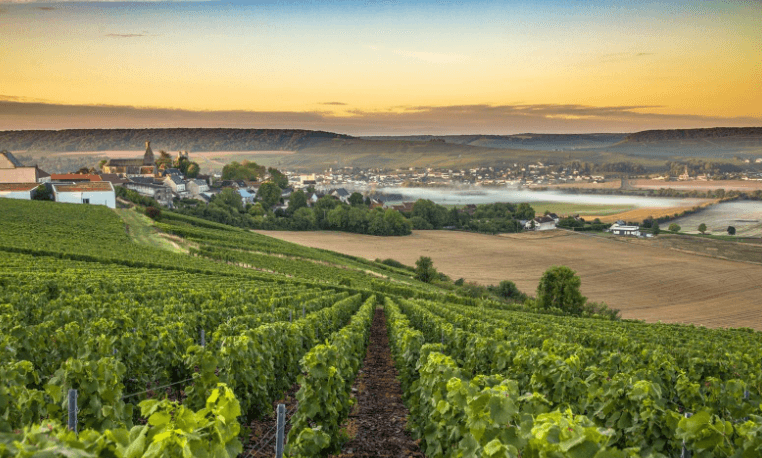
Champagne's méthode traditionnelle, chalky soils, and cool climate combine to produce the world's most celebrated sparkling wines. Discover offerings from iconic producers like Moët & Chandon and Veuve Clicquot.

Collections/Countries/France/Champagne/Champagne

About Champagne

Champagne, the epitome of sparkling wine, is defined by its méthode traditionnelle, where secondary fermentation occurs in the bottle, creating its signature effervescence. This region, located in northeastern France, is home to prestigious producers such as Moët & Chandon, Veuve Clicquot, and Bollinger, each contributing to the appellation's esteemed reputation. The dominant grape varieties in Champagne are Chardonnay, Pinot Noir, and Pinot Meunier. Chardonnay brings elegance and finesse, Pinot Noir adds structure and depth, while Pinot Meunier offers fruitiness and roundness. These grapes thrive in Champagne's chalky soils, which provide excellent drainage and impart a distinct minerality to the wines. Champagne wines are renowned for their complexity, with flavors ranging from citrus and green apple to brioche and almond, often accompanied by a creamy texture and vibrant acidity. Whether you're exploring entry-level options or investing in premium cuvées, Champagne offers a range of styles to suit every palate. For those seeking the best Champagne wines, consider exploring the offerings from producers like Champagne Gosset, Champagne Laurent-Perrier, and Pol Roger. These houses are known for their meticulous craftsmanship and adherence to tradition, ensuring a high-quality experience with every bottle. Price points for Champagne vary widely, with everyday bottles starting around $40, while prestigious vintages and special cuvées can reach several hundred dollars. Regardless of budget, Champagne remains a symbol of celebration and luxury, making it a worthy addition to any collection.

Regulations & Standards

Champagne is governed by strict AOC regulations that ensure the quality and authenticity of its wines. Only sparkling wines produced in the Champagne region using the méthode traditionnelle can be labeled as Champagne. The primary grape varieties permitted are Chardonnay, Pinot Noir, and Pinot Meunier. The wines must undergo a minimum of 15 months of aging on the lees for non-vintage Champagnes, while vintage Champagnes require at least three years. These regulations also dictate yield limits, vineyard practices, and pressing methods to maintain the high standards associated with the Champagne name.

Grape Varieties

Champagne is primarily crafted from three grape varieties: Chardonnay, Pinot Noir, and Pinot Meunier. Chardonnay, a white grape, contributes elegance and a crisp acidity, often associated with citrus and floral notes. Pinot Noir, a black grape, adds body, structure, and flavors of red fruits, while Pinot Meunier, also a black grape, offers fruitiness and roundness, often bringing a softer, more approachable character. These varieties are perfectly suited to the cool climate and chalky soils of Champagne, which help maintain acidity and impart a distinct minerality. The blend of these grapes is crucial in creating the balanced and complex profiles that Champagne is celebrated for.

Soil Composition

The soils of Champagne are predominantly chalk, a key factor in the region's unique terroir. This chalky subsoil, derived from ancient marine fossils, provides excellent drainage and retains heat, which is essential in the cool climate of Champagne. The chalk also imparts a distinctive minerality to the wines, contributing to their finesse and longevity. In addition to chalk, the region features limestone and marl, which further enhance the complexity and depth of the wines. This unique soil composition is integral to the production of high-quality sparkling wines that Champagne is renowned for.

Climate Characteristics

Champagne's climate is classified as cool continental, characterized by cold winters and mild summers. This climate is crucial for maintaining the high acidity levels that are essential for sparkling wine production. The region's northerly latitude means that grapes ripen slowly, allowing for the development of complex flavors while preserving freshness. The risk of frost and rain during the growing season poses challenges, but it also contributes to the distinctive character of Champagne wines. The cool climate, combined with the region's unique soils, results in wines with vibrant acidity, delicate aromas, and a refined structure.

Production Standards

The production of Champagne follows the méthode traditionnelle, a meticulous process that involves a second fermentation in the bottle. This method is essential for creating the fine bubbles and complex flavors that define Champagne. After the initial fermentation, a mixture of yeast and sugar is added to the bottle, initiating the second fermentation. The wines are then aged on the lees, which enhances their texture and flavor. Riddling, or the gradual turning of bottles, and disgorgement, the removal of sediment, are key steps in this process, ensuring clarity and quality in the final product.

On this page

  • About Champagne
  • Regulations & Standards
  • Grape Varieties
  • Soil Composition
  • Climate Characteristics
  • Production Standards

Frequently Asked Questions

What makes Champagne different from other sparkling wines?
Champagne is a sparkling wine that comes exclusively from the Champagne region of France. It is produced using the traditional method, which involves a secondary fermentation in the bottle, and is made primarily from Chardonnay, Pinot Noir, and Pinot Meunier grapes.
How should I store Champagne before opening?
Champagne should be stored in a cool, dark place with a consistent temperature, ideally between 45-65°F (7-18°C). It should be kept on its side to keep the cork moist and prevent air from entering the bottle.
What is the best way to serve Champagne?
Champagne is best served chilled, ideally between 47-50°F (8-10°C). Use a flute or tulip-shaped glass to concentrate the aromas and bubbles, and pour gently to preserve the effervescence.
How long can I keep an opened bottle of Champagne?
Once opened, a bottle of Champagne should be consumed within 3-5 days. Use a Champagne stopper to preserve the bubbles and store it in the refrigerator.
What food pairs well with Champagne?
Champagne pairs well with a variety of foods, including seafood, poultry, and creamy cheeses. Its acidity and effervescence complement rich and salty dishes, making it a versatile choice for many meals.