-
Capital Spirits Logo

FOR THE THIRSTY

Raise a glass with us #Cheers

FacebookInstagramTikTokYouTube
concierge@capitalspirits.com
AboutLocationsEventsTrack OrderPrivacy PolicyTerms & ConditionsShipping PolicyReturn Policy
VisaMastercardAmerican ExpressApple PayGoogle Pay
Powered by Stripe
© 2026 Capital Spirits. All rights reserved.
REGION

Champagne Wine

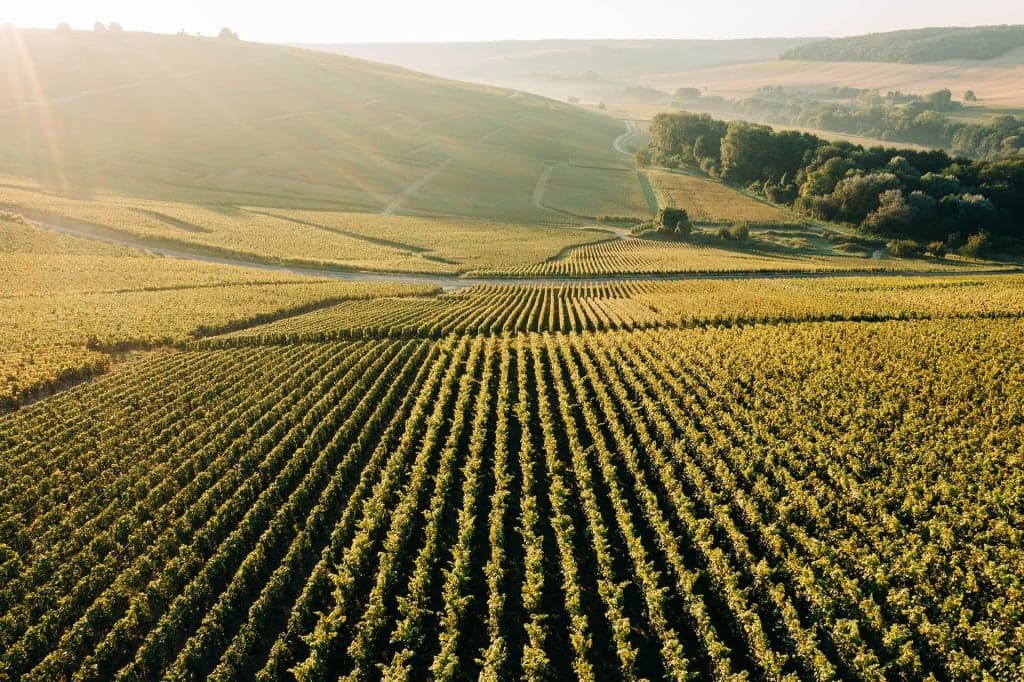
Champagne's chalky soils and cool climate create the perfect conditions for sparkling wine, producing iconic names like Moët & Chandon and Veuve Clicquot. This region's unique terroir ensures a distinct minerality and finesse in every bottle.

Collections/Countries/France/Champagne

About Champagne

Champagne, the epitome of sparkling wine, is a region where tradition meets exceptional terroir. The chalky soils and cool climate are integral to the production of its world-renowned sparkling wines. Predominantly crafted from Chardonnay, Pinot Noir, and Pinot Meunier, Champagne wines are celebrated for their elegance, complexity, and effervescence. Producers like Moët & Chandon, Veuve Clicquot, and Bollinger have set benchmarks for quality and prestige. Each house brings its own style, from the rich and full-bodied expressions of Bollinger to the refined and delicate notes of Champagne Billecart-Salmon. Champagne's allure lies not only in its bubbles but in its versatility. Whether you're toasting a special occasion or enjoying a casual brunch, the region's wines offer a spectrum of flavors—from crisp green apple and citrus to toasty brioche and almond. This makes Champagne a staple for both connoisseurs and casual enthusiasts alike. With a rich history and a commitment to excellence, Champagne continues to captivate the world. Its wines are not just a beverage but an experience, a testament to the artistry of winemaking.
Climate & Terroir of Champagne

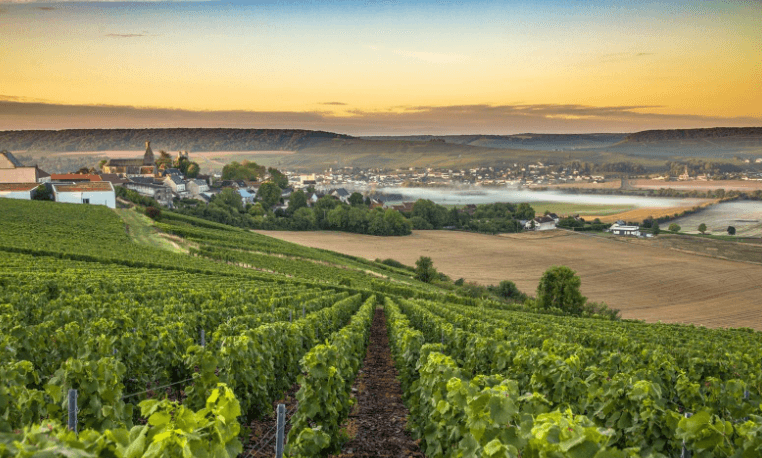
Champagne's climate is marked by its cool temperatures, which are crucial for maintaining the acidity and freshness in its wines. The region's chalky soils, rich in limestone, provide excellent drainage and contribute to the distinct minerality found in Champagne wines. The rolling hills and varied topography create microclimates that allow for the nuanced expression of its primary grape varieties: Chardonnay, Pinot Noir, and Pinot Meunier.

Winemaking Traditions

The traditional method, or 'méthode champenoise', is the hallmark of Champagne production. This labor-intensive process involves a secondary fermentation in the bottle, which creates the signature bubbles. Aging on lees adds complexity and depth, resulting in the characteristic brioche and nutty flavors. Champagne houses, such as Veuve Clicquot and Pol Roger, have honed these techniques over centuries, ensuring each bottle reflects the region's dedication to quality and tradition.

Notable Producers in Champagne

Champagne is home to some of the most esteemed producers in the world. Moët & Chandon and Veuve Clicquot are synonymous with luxury and celebration. Bollinger and Champagne Taittinger offer rich, full-bodied styles, while Champagne Billecart-Salmon is known for its finesse and elegance. Each producer, from Champagne Gosset to Armand de Brignac, brings a unique interpretation of the region's terroir, contributing to Champagne's diverse and prestigious landscape.

Food Pairings

Champagne's versatility makes it an ideal partner for a wide range of dishes. Its high acidity and effervescence complement rich and creamy foods like brie and camembert. Seafood, particularly oysters and caviar, are classic pairings that highlight Champagne's minerality. For a more adventurous match, try it with fried chicken or spicy Asian cuisine, where the bubbles and acidity cut through the richness and heat.

History of Champagne

The history of Champagne is as effervescent as the wine itself. Dating back to the Roman era, the region's winemaking traditions have evolved over centuries. The méthode champenoise was perfected in the 17th century, revolutionizing sparkling wine production. Champagne became synonymous with celebration and luxury, favored by royalty and the elite. Today, it remains a symbol of elegance and festivity, with producers like Champagne Laurent-Perrier and Champagne Louis Roederer continuing to uphold its storied legacy.

On this page

  • About Champagne
  • Climate & Terroir of Champagne
  • Winemaking Traditions
  • Notable Producers in Champagne
  • Food Pairings
  • History of Champagne

Frequently Asked Questions

What makes Champagne different from other sparkling wines?
Champagne is unique because it is produced in the Champagne region of France using specific grape varieties like Chardonnay, Pinot Noir, and Pinot Meunier. It undergoes a traditional method called 'méthode champenoise' which involves a secondary fermentation in the bottle, creating its signature bubbles.
What are the best Champagne brands to buy?
Some of the most renowned Champagne brands include Moët & Chandon, Veuve Clicquot, Dom Pérignon, and Krug. These brands are celebrated for their quality, heritage, and distinctive flavors.
How should Champagne be stored?
Champagne should be stored in a cool, dark place with a consistent temperature, ideally between 45-65°F (7-18°C). It should be kept on its side to keep the cork moist and prevent air from entering the bottle.
What food pairs well with Champagne?
Champagne pairs well with a variety of foods, including seafood like oysters and caviar, light appetizers, and even fried foods due to its acidity and effervescence. It also complements creamy cheeses and desserts like fruit tarts.
How can I tell if a Champagne is of good quality?
Quality Champagne often has a complex aroma, fine bubbles, and a balanced taste with a long finish. Checking for labels like 'Premier Cru' or 'Grand Cru' can also indicate higher quality, as these terms refer to the vineyards where the grapes were grown.

Appellations of Champagne (France)

Champagne wines and spirits

Champagne

660

Champagne's méthode traditionnelle, chalky soils, and cool climate combine to produce the world's most celebrated sparkling wines. Discover offerings from iconic producers like Moët & Chandon and Veuve Clicquot.