-
Capital Spirits Logo

FOR THE THIRSTY

Raise a glass with us #Cheers

FacebookInstagramTikTokYouTube
concierge@capitalspirits.com
AboutLocationsEventsTrack OrderPrivacy PolicyTerms & ConditionsShipping PolicyReturn Policy
VisaMastercardAmerican ExpressApple PayGoogle Pay
Powered by Stripe
© 2026 Capital Spirits. All rights reserved.
PRODUCT SUBCATEGORY

Champagne Sparkling Wine

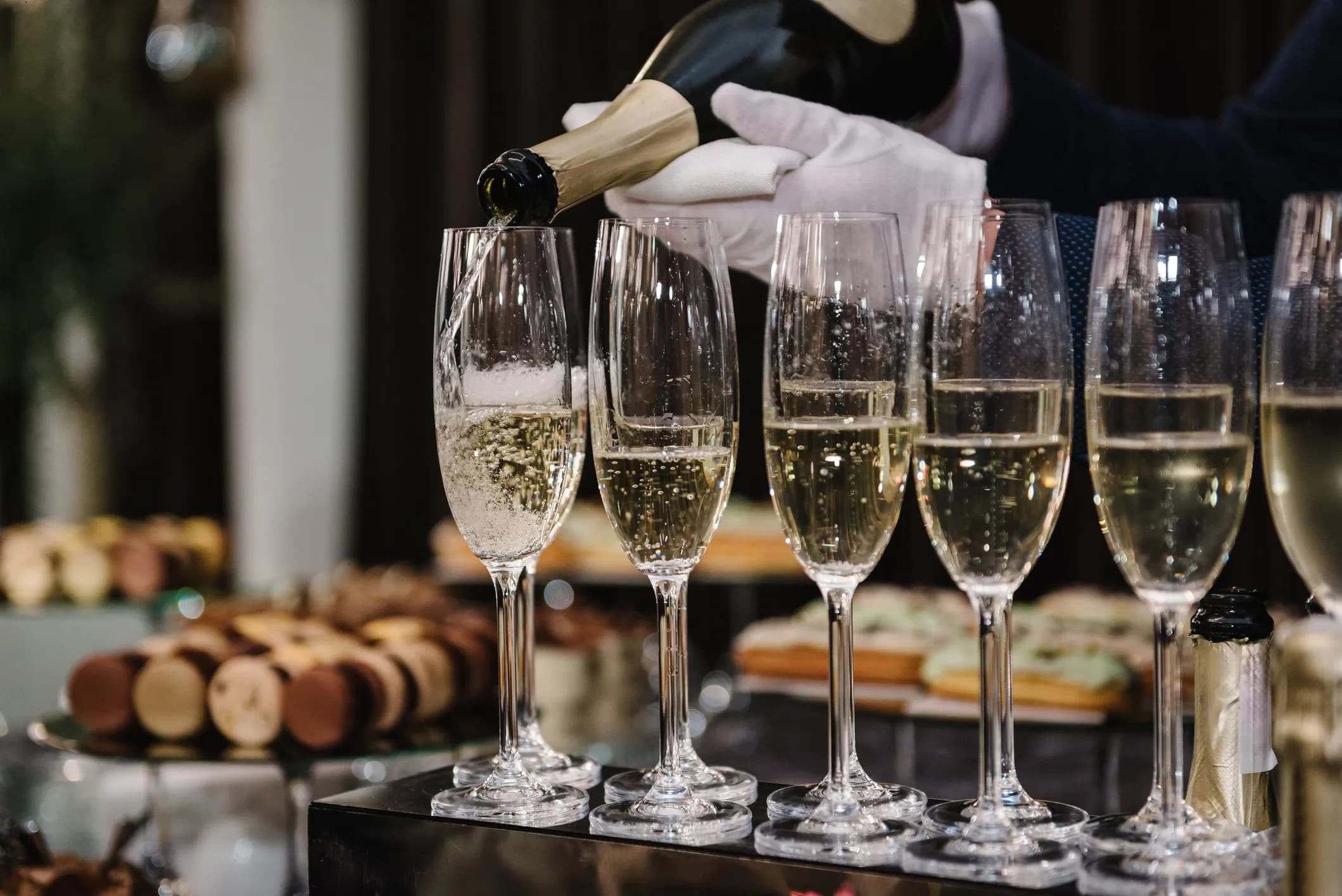
Champagne is exclusively produced in the Champagne region of France using méthode champenoise, which imparts its signature fine bubbles and complex flavors. Known for its elegance and celebratory nature, Champagne is a symbol of luxury and refinement.

Collections/Wine/Sparkling Wine/Champagne

About Champagne

Champagne stands as the epitome of sparkling wines, crafted exclusively in the Champagne region of France. This prestigious wine is defined by its production method, the méthode champenoise, which involves a secondary fermentation in the bottle to create its iconic fine bubbles. Unlike other sparkling wines, Champagne is legally protected, ensuring that only those produced in this specific region can bear its name. Buyers can expect a diverse flavor profile ranging from crisp and citrusy to rich and toasty, often with notes of apple, pear, and brioche. The best Champagne is often associated with the renowned sub-regions of Montagne de Reims, Vallée de la Marne, and Côte des Blancs, each contributing unique characteristics to the wine. When considering food pairings, Champagne's versatility shines; it pairs beautifully with seafood, creamy cheeses, and even fried dishes. Price points vary significantly, with entry-level non-vintage options providing excellent quality, while vintage and prestige cuvées offer a more luxurious experience. For those seeking the best Champagne, understanding these nuances is key to making an informed purchase. Whether celebrating a special occasion or simply indulging in a moment of elegance, Champagne remains a timeless choice.

Tasting Profile

Champagne typically offers a delicate balance of acidity and sweetness, with aromas of green apple, citrus, and freshly baked bread. The texture is often creamy with a fine mousse, leading to a crisp, refreshing finish. Styles range from the bright and zesty non-vintage to the complex and rich vintage offerings.

Serving Guide

Champagne is best served chilled at 8-10°C (46-50°F) in a flute or tulip glass to concentrate its aromas. Avoid over-chilling as it can mute the flavors. No decanting is necessary, but gentle pouring preserves the bubbles.

Region Information

Champagne is produced exclusively in the Champagne region of France, with key areas including Montagne de Reims, Vallée de la Marne, and Côte des Blancs. Each sub-region contributes distinct characteristics, from the Pinot Noir-dominant Montagne de Reims to the Chardonnay-focused Côte des Blancs. This geographical specificity is crucial to Champagne's unique identity.

On this page

  • About Champagne
  • Tasting Profile
  • Serving Guide
  • Region Information

Frequently Asked Questions

What makes Champagne different from other sparkling wines?
Champagne is unique because it must be produced in the Champagne region of France using the méthode champenoise. This traditional method involves a secondary fermentation in the bottle, creating its fine bubbles and complex flavors.
How should I store Champagne before serving?
Store Champagne in a cool, dark place, ideally at a consistent temperature of 10-15°C (50-59°F). Keep the bottles lying flat to ensure the cork remains moist and airtight.
What are the best food pairings for Champagne?
Champagne pairs well with a variety of foods, including seafood like oysters and sushi, creamy cheeses, and even salty snacks like popcorn or potato chips. Its acidity and effervescence complement rich and fatty dishes.
Why is Champagne often more expensive than other sparkling wines?
Champagne's higher price is due to its strict production regulations, the labor-intensive méthode champenoise, and its limited geographical origin. These factors contribute to its premium status and quality.
What is the difference between vintage and non-vintage Champagne?
Vintage Champagne is made from grapes harvested in a single exceptional year and is aged longer, offering more complexity. Non-vintage Champagne blends grapes from multiple years, providing a consistent house style and is typically more affordable.