-
Capital Spirits Logo

FOR THE THIRSTY

Raise a glass with us #Cheers

FacebookInstagramTikTokYouTube
concierge@capitalspirits.com
AboutLocationsEventsTrack OrderPrivacy PolicyTerms & ConditionsShipping PolicyReturn Policy
VisaMastercardAmerican ExpressApple PayGoogle Pay
Powered by Stripe
© 2026 Capital Spirits. All rights reserved.
APPELLATION

Cognac Spirits

Cognac must be distilled twice in copper pot stills and aged in French oak barrels for a minimum of two years. This meticulous process creates a spirit of unparalleled complexity and elegance.

Collections/Countries/France/Cognac/Cognac

About Cognac

Cognac, a distinguished spirit from the Charente region of France, is synonymous with sophistication and craftsmanship. Defined by its strict AOC regulations, Cognac must be produced from specific grape varieties, primarily Ugni Blanc, and undergo double distillation in copper pot stills. The spirit is then aged in French oak barrels, where it develops its signature flavors and aromas. The producers we carry, such as Hennessy, Rémy Martin, and Martell, are renowned for their exceptional quality and heritage. Hennessy, for instance, is celebrated for its balanced and complex blends, while Rémy Martin is known for its emphasis on Fine Champagne Cognac, a designation that guarantees at least 50% of the blend comes from the Grande Champagne region. Cognac offers a diverse range of flavor profiles, from fruity and floral notes in younger expressions to rich, spicy, and nutty characteristics in older, more mature bottles. Whether you're seeking an entry-level VS or a luxurious XO, Cognac caters to all palates and occasions. Prices for Cognac can vary significantly. Entry-level bottles offer excellent value, while premium expressions provide a deeper, more nuanced experience. Choosing Cognac means indulging in a spirit that embodies tradition, quality, and a timeless appeal. Explore our selection to find the best Cognac for your collection or next celebration.

Regulations & Standards

Cognac production is governed by strict AOC regulations. The spirit must be distilled twice in copper pot stills and aged in French oak barrels for at least two years. The distillation process must occur between November 1st and March 31st following the harvest. Only specific grape varieties, primarily Ugni Blanc, are permitted. These regulations ensure the quality and authenticity of Cognac, maintaining its status as a world-class spirit.

Grape Varieties

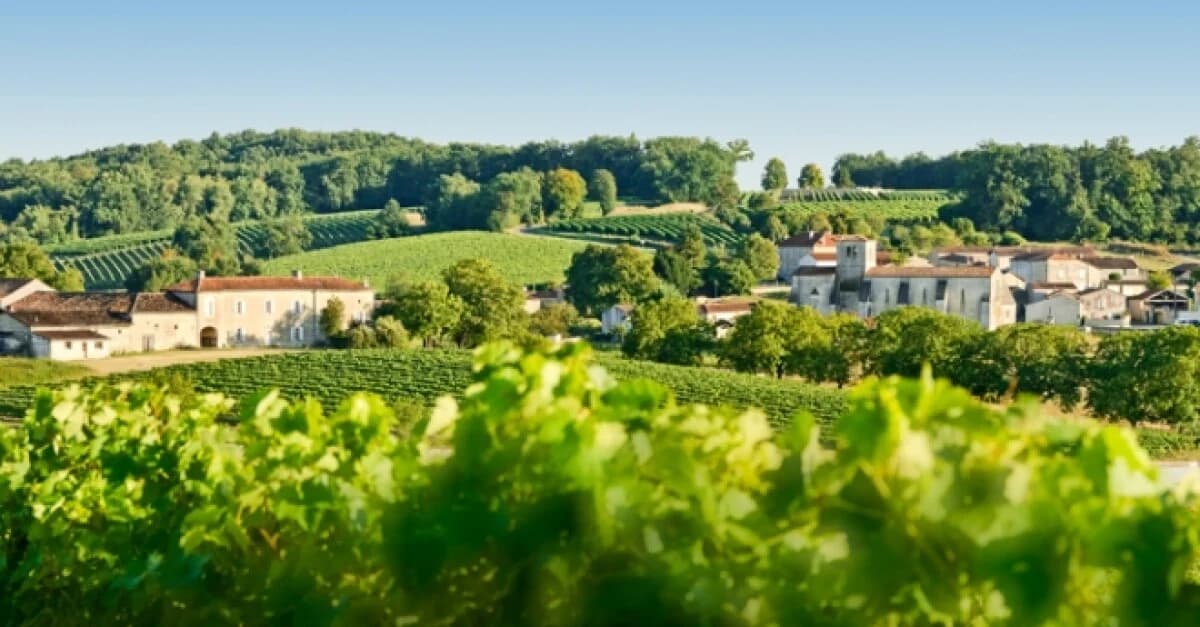
Cognac is primarily made from Ugni Blanc grapes, known for their high acidity and low alcohol content, which are ideal for distillation. This variety contributes to the fresh, fruity base that is essential for creating the complex flavors of Cognac. Other permitted varieties include Folle Blanche and Colombard, though they are used less frequently. These grapes thrive in the chalky soils of the Cognac region, which help retain moisture and provide the necessary nutrients for optimal growth.

Soil Composition

The soils of Cognac are predominantly composed of chalk, which is particularly prevalent in the Grande Champagne and Petite Champagne areas. This chalky terroir is crucial as it retains moisture and reflects sunlight, aiding in the slow and even ripening of the grapes. This results in a balanced acidity and flavor concentration, essential for producing high-quality base wines for distillation.

Climate Characteristics

Cognac benefits from a maritime climate, characterized by mild winters and warm summers, with the Atlantic Ocean moderating temperatures. This climate ensures a long growing season, allowing grapes to develop the necessary acidity and sugar levels for distillation. The region's consistent rainfall supports vine health and grape quality, contributing to the distinctive freshness and complexity of Cognac.

Production Standards

Cognac is produced through a meticulous process involving double distillation in copper pot stills. The resulting eau-de-vie is then aged in French oak barrels, where it acquires its complex flavors and aromas. Master blenders, known as 'maîtres de chai', skillfully blend various eaux-de-vie to create a harmonious and balanced final product, adhering to the highest standards of craftsmanship.

On this page

  • About Cognac
  • Regulations & Standards
  • Grape Varieties
  • Soil Composition
  • Climate Characteristics
  • Production Standards

Frequently Asked Questions

What is the difference between VS, VSOP, and XO Cognac?
VS (Very Special) Cognac is aged for a minimum of 2 years, VSOP (Very Superior Old Pale) is aged for at least 4 years, and XO (Extra Old) is aged for a minimum of 10 years. The aging process affects the flavor profile, with older Cognacs typically offering more complexity and depth.
How should I store Cognac?
Cognac should be stored upright in a cool, dark place away from direct sunlight and temperature fluctuations. Once opened, it can last for several years if properly sealed, though its flavors may slowly change over time.
What are the best ways to enjoy Cognac?
Cognac is traditionally enjoyed neat in a tulip-shaped glass to concentrate its aromas. It can also be used in cocktails or paired with foods like chocolate, cheese, or rich meats to enhance its complex flavors.
What makes Cognac different from other brandies?
Cognac is a type of brandy that must be produced in the Cognac region of France and adhere to strict production methods, including double distillation in copper pot stills and aging in French oak barrels. These regulations ensure a high-quality spirit with distinct characteristics unique to the region.
How do I choose a good Cognac?
When selecting a Cognac, consider the age designation (VS, VSOP, XO) as it indicates the minimum aging period and influences the flavor profile. Personal taste preferences, such as a preference for fruitier or spicier notes, and budget will also guide your choice.