-
Capital Spirits Logo

FOR THE THIRSTY

Raise a glass with us #Cheers

FacebookInstagramTikTokYouTube
concierge@capitalspirits.com
AboutLocationsEventsTrack OrderPrivacy PolicyTerms & ConditionsShipping PolicyReturn Policy
VisaMastercardAmerican ExpressApple PayGoogle Pay
Powered by Stripe
© 2026 Capital Spirits. All rights reserved.
APPELLATION

Grande Champagne Cognac

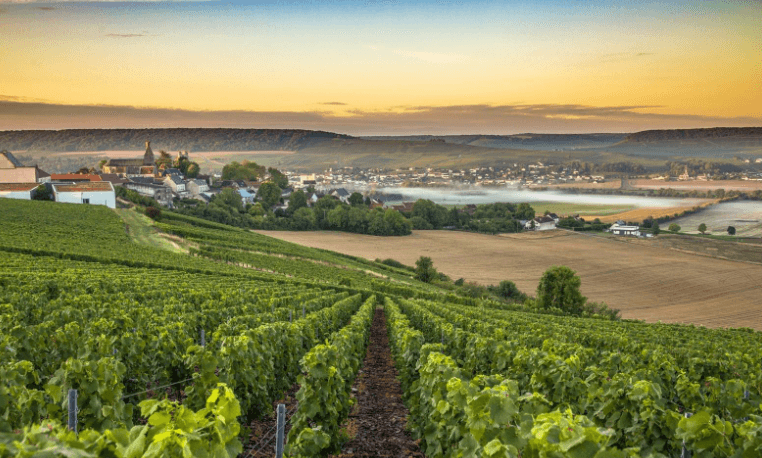
Grande Champagne is the premier cru of Cognac, renowned for its chalky soils that produce spirits with exceptional finesse and aging potential. This appellation is home to esteemed producers like Rémy Martin and Delamain.

Collections/Countries/France/Cognac/Grande Champagne

About Grande Champagne

Grande Champagne stands as the pinnacle of Cognac production, recognized for its unique terroir and the superior quality of its eaux-de-vie. The region's chalky soils and ideal microclimate contribute to the creation of spirits with unparalleled finesse, depth, and aging potential. Grande Champagne Cognacs are often characterized by their floral and fruity notes, with a complexity that evolves beautifully over time. The dominant grape variety in Grande Champagne is Ugni Blanc, which thrives in the region's limestone-rich soils, lending the spirit its signature elegance and structure. This area is home to some of the most revered producers in the Cognac world, including Rémy Martin, Delamain, and Pierre Ferrand, each bringing their unique touch to the art of Cognac making. When purchasing Grande Champagne Cognac, buyers can expect a range of options from accessible, everyday expressions to rare, premium offerings. Entry-level bottles offer a glimpse into the region's characteristic style, while premium selections provide a deeper, more nuanced experience for the discerning palate. Choosing Grande Champagne means opting for a Cognac that embodies the very essence of the region's dedication to quality and tradition. Whether you're a seasoned collector or a new enthusiast, the best Grande Champagne Cognacs promise an exquisite tasting journey.

Regulations & Standards

Grande Champagne is classified as a premier cru within the Cognac region, subject to strict regulations that ensure the highest quality standards. The appellation mandates that Cognac must be distilled twice in copper pot stills and aged for a minimum of two years in French oak barrels. However, most producers in Grande Champagne age their Cognacs for much longer, often exceeding the legal minimum to develop greater complexity and depth. The use of Ugni Blanc as the primary grape variety is also regulated, ensuring consistency in the spirit's profile.

Grape Varieties

In Grande Champagne, the primary grape variety used is Ugni Blanc, known for its high acidity and subtle flavors, which are ideal for distillation. This grape thrives in the region's chalky soils, contributing to the Cognac's refined structure and aging potential. The resulting spirit is renowned for its floral and fruity aromas, with a complexity that deepens with age. While Ugni Blanc dominates, small amounts of Folle Blanche and Colombard may also be used, adding subtle nuances to the blend.

Soil Composition

The soils of Grande Champagne are predominantly composed of soft chalk, similar to that found in the Champagne region of France. This chalky terrain is known for its excellent drainage and ability to retain heat, which helps to ripen the grapes slowly and evenly. The mineral-rich soils impart a distinctive finesse and elegance to the Cognac, contributing to its long aging potential and complex flavor profile.

Climate Characteristics

Grande Champagne benefits from a temperate maritime climate, with mild winters and warm summers. The region's proximity to the Atlantic Ocean ensures a consistent level of humidity, which is ideal for the slow maturation of Cognac. The combination of ample sunshine and moderate rainfall allows the grapes to develop a balanced acidity and sugar content, essential for producing high-quality eaux-de-vie with a refined character.

Production Standards

In Grande Champagne, traditional distillation methods are upheld, with a focus on double distillation in copper pot stills. This process captures the delicate aromas and flavors of the base wine, resulting in a refined and complex spirit. Aging in French oak barrels is a critical component, allowing the Cognac to develop its characteristic depth and richness. Producers in this region often employ extended aging periods, enhancing the spirit's elegance and longevity.

On this page

  • About Grande Champagne
  • Regulations & Standards
  • Grape Varieties
  • Soil Composition
  • Climate Characteristics
  • Production Standards

Frequently Asked Questions

What makes Grande Champagne Cognac unique?
Grande Champagne is renowned for producing the finest Cognac due to its chalky soil, which imparts a distinct floral and fruity character to the spirit. The eaux-de-vie from this region are known for their exceptional aging potential, often resulting in complex and elegant Cognacs.
How does Grande Champagne Cognac differ from other regions?
Grande Champagne is considered the premier cru of the Cognac region, producing spirits with a lighter, more refined profile compared to other areas. The high chalk content in the soil contributes to the delicate and aromatic qualities that distinguish it from Cognacs produced in regions like Petite Champagne or Borderies.
What are the best brands of Grande Champagne Cognac?
Some of the most esteemed brands producing Grande Champagne Cognac include Hennessy, Rémy Martin, and Delamain. These producers are known for crafting high-quality Cognacs that highlight the region's unique terroir and aging potential.
How should I serve Grande Champagne Cognac?
Grande Champagne Cognac is best enjoyed neat in a tulip-shaped glass to concentrate its aromas. It can also be served slightly warmed by holding the glass in your hand, which helps to release its complex bouquet.
What is the aging process for Grande Champagne Cognac?
Grande Champagne Cognac is aged in French oak barrels, which contribute to its rich flavors and smooth texture. The aging process can range from a minimum of two years for VS (Very Special) to several decades for XO (Extra Old) and beyond, allowing the spirit to develop its full complexity and depth.