-
Capital Spirits Logo

FOR THE THIRSTY

Raise a glass with us #Cheers

FacebookInstagramTikTokYouTube
concierge@capitalspirits.com
AboutLocationsEventsTrack OrderPrivacy PolicyTerms & ConditionsShipping PolicyReturn Policy
VisaMastercardAmerican ExpressApple PayGoogle Pay
Powered by Stripe
© 2026 Capital Spirits. All rights reserved.
APPELLATION

Touraine Wine

Touraine is defined by its diverse grape varieties, including Sauvignon Blanc and Gamay, producing wines with vibrant acidity and expressive fruit flavors.

Collections/Countries/France/Loire Valley/Touraine

About Touraine

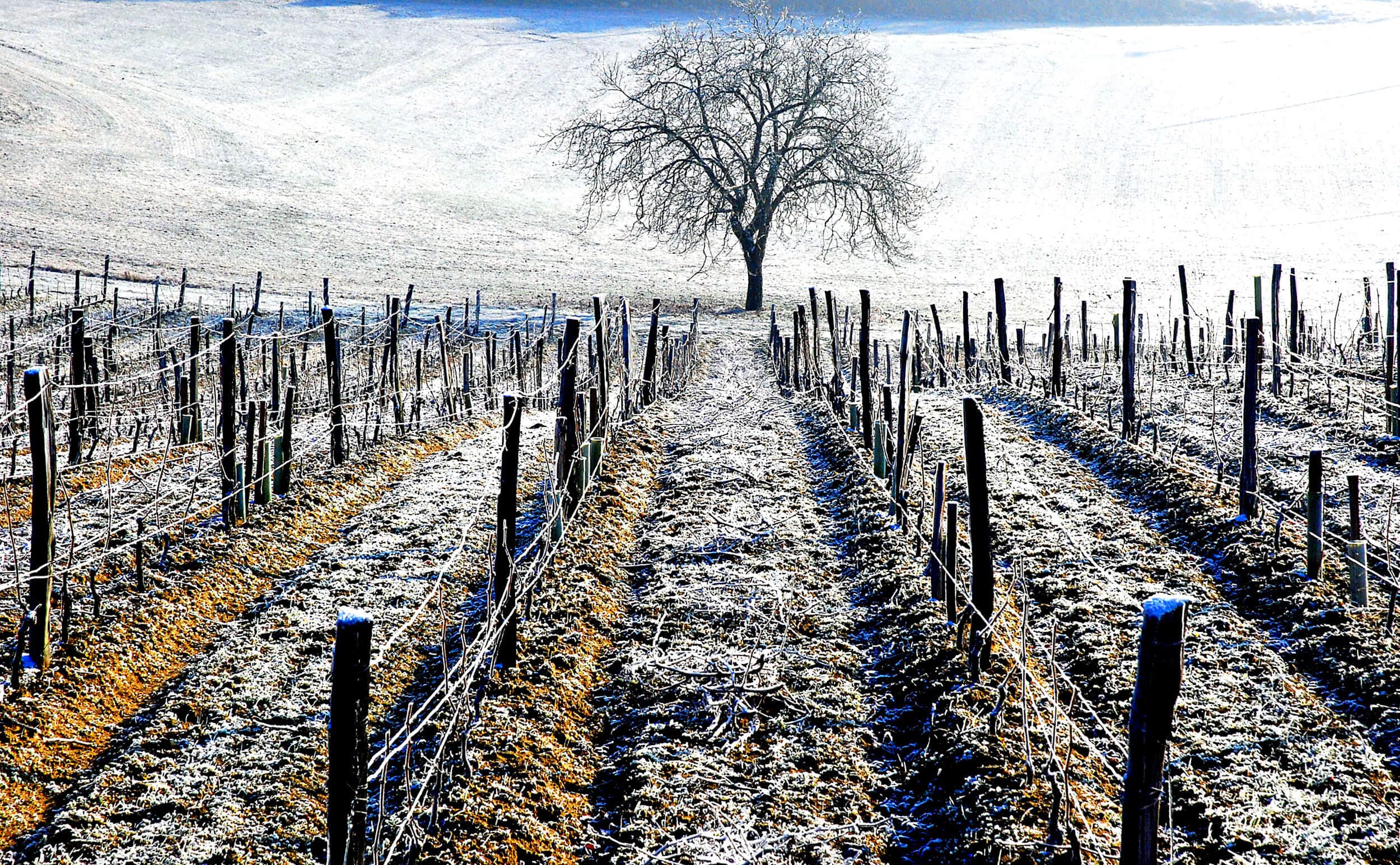
Touraine, located in the heart of the Loire Valley, is renowned for its diverse range of wines that reflect the region's unique terroir. Known for its crisp and aromatic Sauvignon Blanc, Touraine also produces vibrant reds from Gamay and Cabernet Franc. These wines are celebrated for their bright acidity and expressive fruit profiles, making them a favorite among wine enthusiasts. Producers such as J. De Villebois and François Chidaine exemplify the quality and diversity of Touraine wines. Whether you're seeking a refreshing white or a lively red, Touraine offers options for every palate and occasion. The region's wines are accessible, with prices ranging from affordable everyday bottles to more premium selections, ensuring there is something for every budget. Choosing Touraine means embracing wines that are both versatile and distinctive. The appellation's commitment to quality and tradition is evident in every bottle, making it a reliable choice for those looking to explore the best of the Loire Valley. Whether you're a seasoned collector or new to the world of wine, Touraine's offerings are sure to impress.

Regulations & Standards

Touraine wines are governed by strict AOC regulations that ensure quality and authenticity. For white wines, Sauvignon Blanc must constitute at least 80% of the blend, though it is often bottled as a single varietal. Red wines typically feature Gamay or Cabernet Franc, with specific rules regarding yields and vineyard management to maintain quality. The appellation also allows for the production of rosé and sparkling wines, each with their own set of guidelines. These regulations ensure that Touraine wines consistently reflect the region's terroir and winemaking traditions.

Grape Varieties

Touraine is home to a variety of grape types, with Sauvignon Blanc being the most prominent for white wines. This grape thrives in the region's cool climate, producing wines with crisp acidity and notes of citrus and green apple. For red wines, Gamay and Cabernet Franc are the primary varieties. Gamay offers light, fruity wines with floral aromas, while Cabernet Franc provides more structure and complexity with flavors of red berries and herbs. The diversity of grape varieties in Touraine allows for a wide range of wine styles, catering to different tastes and preferences.

Soil Composition

The soils of Touraine are varied, contributing to the complexity of its wines. Predominantly, the region features limestone-rich soils, known locally as 'tuffeau', which impart a distinct minerality to the wines. Additionally, clay and flint soils are present, particularly in areas producing Sauvignon Blanc, enhancing the aromatic qualities and crispness of the wines. These diverse soil types, combined with the region's microclimates, allow for the cultivation of a wide range of grape varieties, each expressing unique characteristics.

Climate Characteristics

Touraine benefits from a temperate climate, influenced by the Atlantic Ocean and the Loire River. This climate provides moderate temperatures and a long growing season, ideal for developing balanced acidity and ripe fruit flavors in the grapes. The region experiences sufficient rainfall, which, coupled with the cooling effects of the river, helps maintain freshness in the wines. This climate is particularly favorable for white grape varieties like Sauvignon Blanc, which thrive in cooler conditions, resulting in wines with vibrant acidity and aromatic complexity.

Production Standards

Winemaking in Touraine adheres to traditional methods, with a focus on preserving the natural expression of the grapes. Many producers, such as Domaine Joël Delaunay and Le Rocher Des Violettes, emphasize minimal intervention in the cellar to maintain the purity of flavors. Stainless steel fermentation is common for whites to retain freshness, while reds may see some oak aging to add complexity. The emphasis on quality and authenticity is a hallmark of Touraine's winemaking standards.

On this page

  • About Touraine
  • Regulations & Standards
  • Grape Varieties
  • Soil Composition
  • Climate Characteristics
  • Production Standards

Frequently Asked Questions

What types of wine are produced in the Touraine appellation?
The Touraine appellation is known for producing a diverse range of wines, including red, white, and rosé. Key grape varieties include Sauvignon Blanc for whites and Gamay, Cabernet Franc, and Malbec for reds.
What is the flavor profile of Touraine Sauvignon Blanc?
Touraine Sauvignon Blanc is typically fresh and vibrant, with notes of citrus, green apple, and sometimes a hint of minerality. It is known for its crisp acidity and refreshing finish.
How does Touraine wine compare to other Loire Valley wines?
Touraine wines are often more affordable than those from more prestigious Loire Valley regions like Sancerre or Vouvray, yet they offer excellent quality. They are versatile and can range from light and fruity to more structured and complex, depending on the grape variety and winemaking style.
What food pairs well with Touraine wines?
Touraine Sauvignon Blanc pairs well with seafood, goat cheese, and salads due to its crisp acidity. Red wines from Touraine, such as those made from Gamay or Cabernet Franc, complement grilled meats, charcuterie, and earthy dishes like mushroom risotto.
Are Touraine wines suitable for aging?
While most Touraine wines are best enjoyed young to appreciate their fresh and fruity characteristics, some reds, particularly those made from Cabernet Franc, can benefit from short to medium-term aging. Aging can enhance their complexity and soften tannins.