-
Capital Spirits Logo

FOR THE THIRSTY

Raise a glass with us #Cheers

FacebookInstagramTikTokYouTube
concierge@capitalspirits.com
AboutLocationsEventsTrack OrderPrivacy PolicyTerms & ConditionsShipping PolicyReturn Policy
VisaMastercardAmerican ExpressApple PayGoogle Pay
Powered by Stripe
© 2026 Capital Spirits. All rights reserved.
APPELLATION

Languedoc Wine Selection

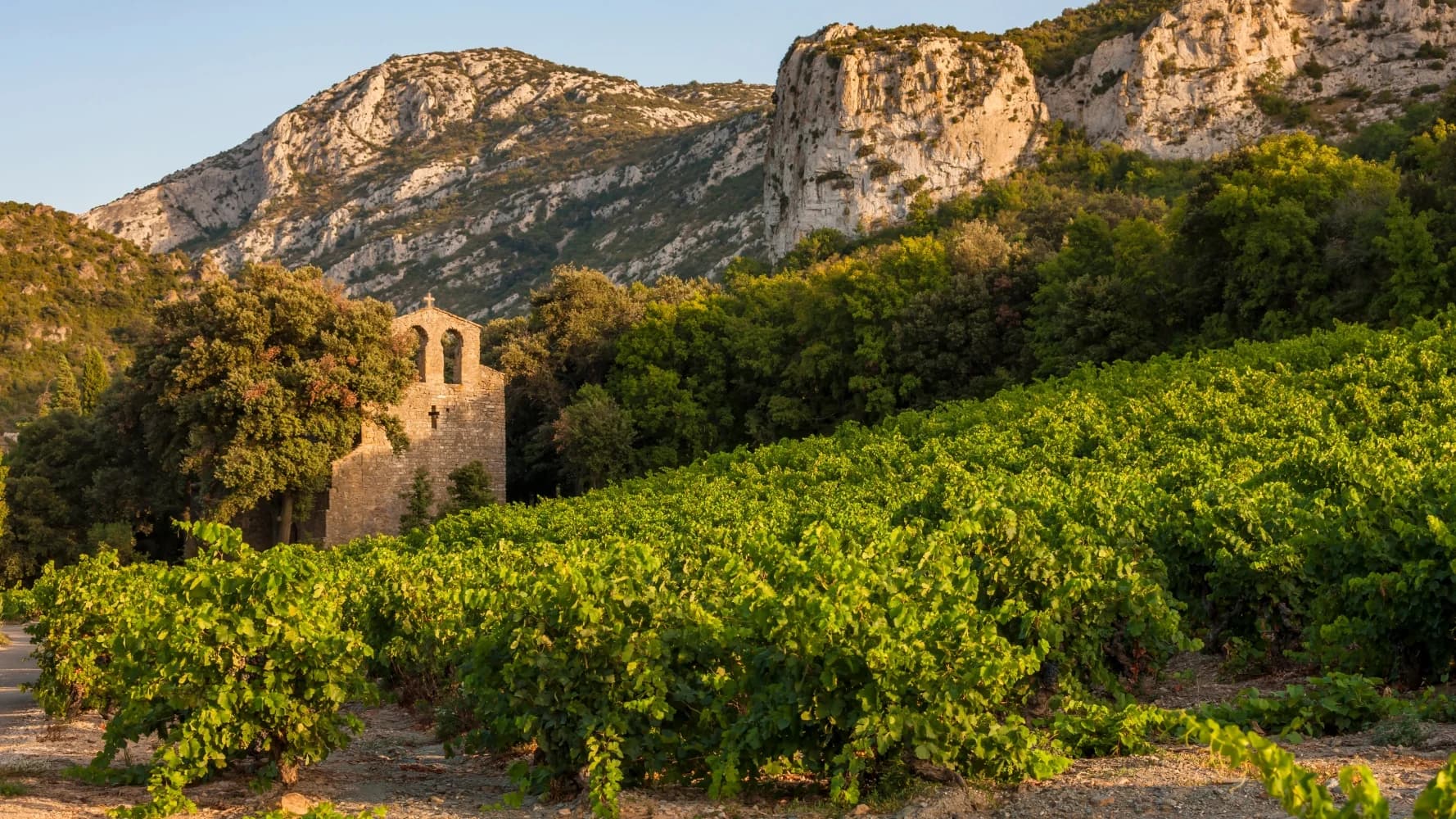
Languedoc's Mediterranean climate and diverse terroirs create wines with rich flavors and complexity. Explore offerings from Gérard Bertrand and Château Puech Redon.

Collections/Countries/France/Languedoc-Roussillon/Languedoc

About Languedoc

Languedoc, located in the sun-drenched region of Languedoc-Roussillon in France, is a treasure trove for wine enthusiasts seeking diversity and quality. Known for its Mediterranean climate, the region produces wines that are both robust and nuanced, making it a compelling choice for buyers. The dominant grape varieties include Grenache, Syrah, and Mourvèdre, which thrive in the varied terroirs of Languedoc, from coastal plains to rugged hillsides. When exploring the best Languedoc wines, consider offerings from esteemed producers such as Gérard Bertrand, known for their commitment to biodynamic practices, and Château Puech Redon, which offers a range of expressive wines. The flavor profiles typically range from bold reds with notes of dark fruit and spice to refreshing whites with citrus and floral undertones. Languedoc wines are accessible to a wide range of budgets, with entry-level bottles offering excellent value and premium selections providing a more complex tasting experience. Whether you're a seasoned connoisseur or a curious newcomer, Languedoc offers something for every palate. Choosing Languedoc means embracing wines that reflect the region's rich history and innovative spirit. With a focus on quality and sustainability, these wines are perfect for those looking to explore new horizons in French wine. Discover why Languedoc is a must-visit appellation for wine lovers worldwide.

Regulations & Standards

Languedoc's wine production is governed by the AOC (Appellation d'Origine Contrôlée) regulations, which ensure quality and authenticity. These regulations dictate permissible grape varieties, yield limits, and winemaking practices. For red wines, blends must predominantly feature Grenache, Syrah, and Mourvèdre, while whites often include Chardonnay and Viognier. The AOC also sets aging requirements, particularly for higher-tier classifications like Languedoc Grand Vin, which require extended maturation periods. These stringent standards help maintain the region's reputation for producing wines of exceptional quality and character.

Grape Varieties

Languedoc is renowned for its diverse range of grape varieties, with Grenache, Syrah, and Mourvèdre being the most prominent. These varieties thrive in the region's warm, Mediterranean climate, producing robust red wines with rich fruit flavors and spicy undertones. Carignan and Cinsault also play significant roles, often used in blends to add complexity and balance. For white wines, varieties like Chardonnay, Viognier, and Picpoul are cultivated, offering fresh, aromatic profiles. The diversity of grape varieties allows for a wide range of wine styles, from full-bodied reds to crisp, refreshing whites.

Soil Composition

The soils of Languedoc are as varied as its wines, ranging from limestone and clay to schist and gravel. This diversity contributes to the complexity and character of the wines produced. Limestone-rich soils are particularly beneficial for growing white grape varieties, imparting a mineral freshness to the wines. Meanwhile, clay and gravel soils are ideal for red varieties, providing good drainage and contributing to the intensity and depth of flavor. The unique soil composition across the region allows winemakers to craft wines with distinct personalities and terroir-driven characteristics.

Climate Characteristics

Languedoc benefits from a Mediterranean climate, characterized by hot, dry summers and mild, wet winters. This climate is ideal for viticulture, as the abundant sunshine ensures grapes reach optimal ripeness, while the cooling sea breezes from the Mediterranean help maintain acidity and balance in the wines. The region's varied topography, from coastal plains to inland hills, also creates microclimates that allow for a wide range of grape varieties to be cultivated successfully. This climatic diversity is a key factor in the production of Languedoc's distinctive and high-quality wines.

Production Standards

Winemaking in Languedoc is characterized by a blend of traditional techniques and modern innovation. Many producers, such as Gérard Bertrand, emphasize sustainable and biodynamic practices to enhance the natural expression of the terroir. Fermentation methods vary, with both stainless steel and oak barrels used to achieve desired flavor profiles and textures. The focus on minimal intervention allows the unique characteristics of the grape varieties and soils to shine through, resulting in wines that are both authentic and expressive.

On this page

  • About Languedoc
  • Regulations & Standards
  • Grape Varieties
  • Soil Composition
  • Climate Characteristics
  • Production Standards

Frequently Asked Questions

What types of wine are produced in the Languedoc region?
Languedoc is known for producing a diverse range of wines, including red, white, and rosé. The region is particularly famous for its red blends, often made from Grenache, Syrah, and Mourvèdre grapes.
What is the best time to visit Languedoc for wine tasting?
The best time to visit Languedoc for wine tasting is during the late spring to early fall, from May to October. This period offers pleasant weather and coincides with the grape harvest season, providing a vibrant atmosphere at the vineyards.
Are Languedoc wines good for aging?
Many Languedoc wines, especially those made from Syrah and Mourvèdre, have good aging potential due to their robust structure and tannins. However, some wines from the region are crafted for early consumption, so it's important to check the specific wine's characteristics.
How do Languedoc wines compare to those from Bordeaux or Burgundy?
Languedoc wines are generally more affordable and offer a broader range of styles compared to Bordeaux or Burgundy. While Bordeaux is known for its prestigious reds and Burgundy for its Pinot Noir and Chardonnay, Languedoc provides a diverse selection, often with a focus on blends and innovative winemaking techniques.
What food pairs well with Languedoc wines?
Languedoc wines pair well with a variety of foods, including grilled meats, Mediterranean dishes, and hearty stews. The reds are particularly suited to lamb and beef dishes, while the whites and rosés complement seafood and lighter fare.