-
Capital Spirits Logo

FOR THE THIRSTY

Raise a glass with us #Cheers

FacebookInstagramTikTokYouTube
concierge@capitalspirits.com
AboutLocationsEventsTrack OrderPrivacy PolicyTerms & ConditionsShipping PolicyReturn Policy
VisaMastercardAmerican ExpressApple PayGoogle Pay
Powered by Stripe
© 2026 Capital Spirits. All rights reserved.
APPELLATION

Alsace Wine

Alsace is distinguished by its aromatic white wines, predominantly crafted from Riesling, Gewürztraminer, and Pinot Gris. This appellation's diverse terroir and strict AOC regulations ensure high-quality, expressive wines.

Collections/Countries/France/Alsace/Alsace

About Alsace

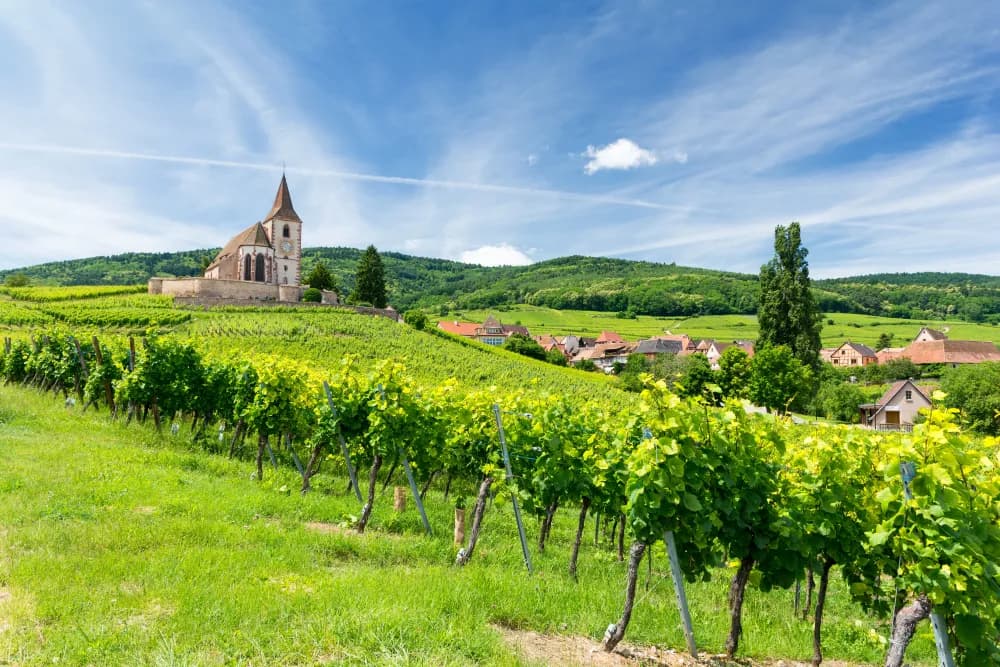
Alsace, located in northeastern France, is renowned for its aromatic white wines, which are crafted under strict AOC regulations to ensure quality and authenticity. The region's unique terroir, characterized by a mosaic of soil types and a cool continental climate, contributes to the distinct flavor profiles that Alsace wines are celebrated for. Dominant grape varieties include Riesling, Gewürztraminer, and Pinot Gris, each offering a unique expression of the region's terroir. Alsace wines are known for their aromatic intensity, vibrant acidity, and ability to age gracefully. Riesling from Alsace is often dry, with notes of citrus, stone fruits, and a characteristic minerality. Gewürztraminer is celebrated for its exotic floral and spice aromas, while Pinot Gris offers rich, full-bodied wines with notes of ripe fruit and honey. The producer landscape in Alsace is diverse, with renowned names such as Domaine Zind-Humbrecht, Trimbach, and Domaine Weinbach - Famille Faller leading the way in crafting exceptional wines. These producers, along with others like Domaine Marcel Deiss and Domaine Paul Blanck, are known for their commitment to quality and tradition, making them a reliable choice for wine enthusiasts. Alsace wines range from accessible, everyday options to premium, age-worthy bottles. This diversity allows buyers to explore a wide spectrum of flavors and styles, whether they are new to Alsace wines or seasoned connoisseurs. Choosing Alsace means embracing a region that offers both tradition and innovation, with wines that are perfect for both casual sipping and special occasions. For those seeking the best Alsace wines, look for producers like Domaine Zind-Humbrecht and Trimbach, known for their meticulous craftsmanship and expressive wines. Whether you're searching for a refreshing Riesling or a complex Gewürztraminer, Alsace offers a wine for every palate.

Regulations & Standards

Alsace wines are governed by strict AOC regulations, which ensure the quality and authenticity of the wines produced. The region is unique in France for labeling wines by grape variety, with each variety having specific guidelines for cultivation and production. Wines must be made from 100% of the labeled grape variety, and yields are strictly controlled to maintain quality. The region also produces Grand Cru wines, which are subject to even more stringent regulations, including lower yields and specific vineyard sites. These regulations help to preserve the traditional winemaking practices and high standards for which Alsace is known.

Grape Varieties

Alsace is predominantly known for its aromatic white grape varieties, with Riesling, Gewürztraminer, and Pinot Gris leading the charge. Riesling is celebrated for its high acidity and minerality, often producing dry wines with citrus and stone fruit notes. Gewürztraminer is distinctive for its floral and spice aromas, offering a richer, more opulent style. Pinot Gris, known for its full-bodied texture, provides wines with flavors of ripe fruit and honey. Other permitted varieties include Muscat, Pinot Blanc, and Sylvaner, each contributing to the region's diverse wine profile.

Soil Composition

The soils of Alsace are incredibly diverse, ranging from granite and limestone to clay and sandstone. This geological variety allows for a wide range of wine styles and expressions. Granite soils, for example, are known to enhance the minerality and acidity in wines, particularly benefiting Riesling. Limestone contributes to the structure and longevity of wines, while clay and marl soils often produce richer, more full-bodied wines. This diversity in soil types is a key factor in the complexity and character of Alsace wines.

Climate Characteristics

Alsace enjoys a cool continental climate, with long, sunny growing seasons that are ideal for ripening aromatic white grapes. The Vosges Mountains provide a rain shadow effect, resulting in one of the driest climates in France. This dry climate, combined with significant diurnal temperature variation, helps to preserve acidity and develop complex aromas in the grapes. The result is wines with vibrant acidity, intense aromatics, and the potential for aging, making Alsace wines both refreshing and complex.

Production Standards

Winemaking in Alsace is characterized by a focus on purity and expression of the grape variety and terroir. Many producers, such as Domaine Zind-Humbrecht and Domaine Marcel Deiss, employ organic and biodynamic practices to enhance the natural expression of their wines. Fermentation is typically carried out in stainless steel or large oak foudres to preserve the aromatic integrity of the wines. Minimal intervention in the cellar allows the unique characteristics of each grape variety and vineyard site to shine through.

On this page

  • About Alsace
  • Regulations & Standards
  • Grape Varieties
  • Soil Composition
  • Climate Characteristics
  • Production Standards

Frequently Asked Questions

What types of wine are produced in Alsace?
Alsace is renowned for its white wines, primarily made from Riesling, Gewürztraminer, Pinot Gris, and Muscat grapes. The region also produces Crémant d'Alsace, a sparkling wine, and some Pinot Noir for red wine.
How does Alsace Riesling differ from other Rieslings?
Alsace Riesling is typically dry, with a pronounced minerality and high acidity, making it distinct from the often sweeter German Rieslings. It often exhibits flavors of citrus, green apple, and stone fruits.
What is the best way to pair Alsace Gewürztraminer with food?
Alsace Gewürztraminer pairs well with spicy dishes, such as Thai or Indian cuisine, due to its aromatic and slightly sweet profile. It also complements rich dishes like foie gras and strong cheeses like Munster.
What is Crémant d'Alsace and how is it made?
Crémant d'Alsace is a sparkling wine made using the traditional method, similar to Champagne. It is primarily produced from Pinot Blanc, but can also include Pinot Gris, Riesling, and Chardonnay.
Are there any notable wine routes or vineyards to visit in Alsace?
The Alsace Wine Route is a famous scenic drive that takes visitors through picturesque villages and vineyards. Notable vineyards include the Grand Cru sites such as Rangen, Schlossberg, and Hengst, known for their exceptional terroir.