-
Capital Spirits Logo

FOR THE THIRSTY

Raise a glass with us #Cheers

FacebookInstagramTikTokYouTube
concierge@capitalspirits.com
AboutLocationsEventsTrack OrderPrivacy PolicyTerms & ConditionsShipping PolicyReturn Policy
VisaMastercardAmerican ExpressApple PayGoogle Pay
Powered by Stripe
© 2026 Capital Spirits. All rights reserved.
APPELLATION

Sancerre Wines

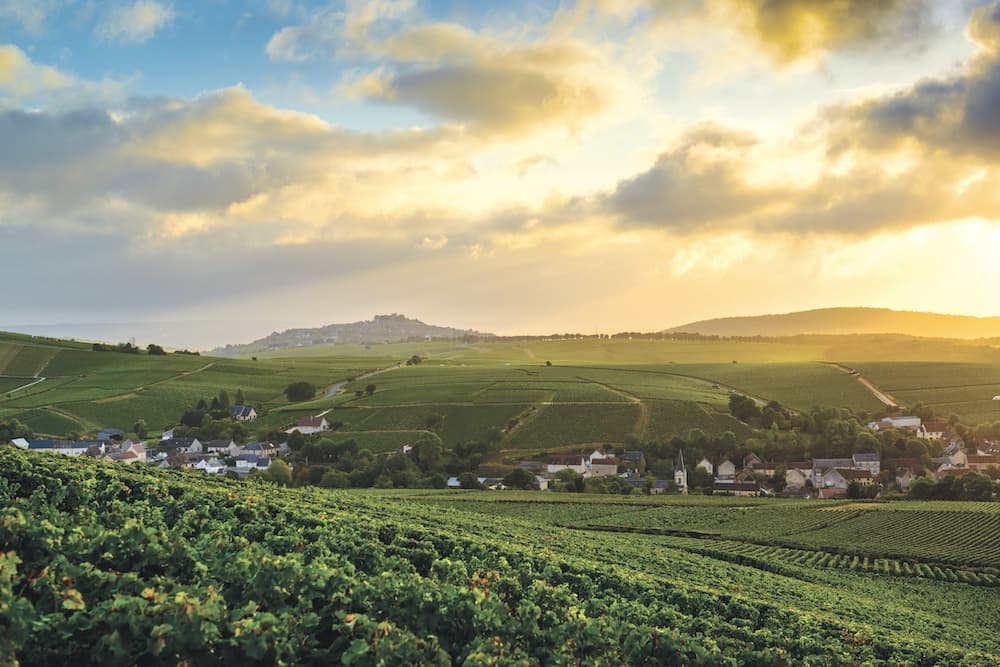
Sancerre's Sauvignon Blanc thrives on its chalky limestone soils, producing wines with crisp acidity and mineral complexity. Known for its purity and precision, Sancerre offers a quintessential expression of Loire Valley terroir.

Collections/Countries/France/Loire Valley/Sancerre

About Sancerre

Sancerre, nestled in the eastern part of the Loire Valley, is synonymous with exceptional Sauvignon Blanc. This appellation is defined by its unique terroir, where chalky limestone soils impart a distinctive minerality to the wines. The cool continental climate further enhances the crisp acidity and vibrant flavors that Sancerre is celebrated for. The region's producers, such as Gérard Boulay, François Crochet, and Henri Bourgeois, are renowned for crafting wines that capture the essence of Sancerre's terroir. These wines range from fresh and zesty entry-level offerings to complex, age-worthy bottles, providing options for every palate and occasion. Sancerre wines are characterized by their bright citrus notes, green apple, and subtle herbaceous undertones, making them a favorite among white wine enthusiasts. The appellation also produces a small quantity of Pinot Noir, offering light, elegant reds with red berry flavors and a hint of earthiness. When considering the best Sancerre wines, look for those that balance acidity with a rich mineral backbone, a hallmark of the region's finest offerings. Whether you're seeking a refreshing aperitif or a sophisticated pairing for seafood and goat cheese, Sancerre provides a versatile and rewarding choice. Explore our curated selection of Sancerre wines, featuring esteemed producers like Domaine Fouassier, Domaine Reverdy-Ducroux, and Alphonse Mellot. Whether you're a seasoned connoisseur or new to the world of Loire Valley wines, Sancerre offers an unparalleled tasting experience.

Regulations & Standards

Sancerre's AOC regulations are strict, ensuring the highest quality standards. Wines must be produced from either Sauvignon Blanc or Pinot Noir, with specific vineyard practices and yield limits in place to maintain quality. White wines must be made from 100% Sauvignon Blanc, while reds and rosés are crafted from Pinot Noir. The appellation also mandates minimum alcohol levels and maximum yields per hectare, ensuring that Sancerre wines maintain their characteristic intensity and flavor profile.

Grape Varieties

Sancerre is predominantly known for its Sauvignon Blanc, which accounts for the majority of the region's production. This grape variety thrives in Sancerre's cool climate and chalky limestone soils, resulting in wines with high acidity, vibrant citrus flavors, and a pronounced mineral character. In addition to Sauvignon Blanc, Sancerre also produces a smaller quantity of Pinot Noir. These red wines are typically light-bodied, with red fruit flavors and a subtle earthiness, offering a different expression of the region's terroir.

Soil Composition

Sancerre's soils are primarily composed of three types: chalky limestone, flint, and clay-limestone. The chalky limestone, known locally as 'caillottes', is particularly prized for imparting a distinctive mineral quality to the wines, enhancing their crispness and complexity. Flint, or 'silex', contributes a smoky note, while clay-limestone soils provide richness and depth. This diverse soil composition allows for a range of expressions within the appellation, each with its unique character.

Climate Characteristics

The climate in Sancerre is continental, characterized by cold winters and warm summers. This climate is ideal for Sauvignon Blanc, as the cool temperatures help preserve the grape's natural acidity, while the warm summers ensure full ripening. The region also benefits from a long growing season, allowing for the development of complex flavors and aromas. The combination of climate and soil results in wines that are both refreshing and expressive, with a balance of fruit and minerality.

Production Standards

Winemaking in Sancerre emphasizes minimal intervention to allow the terroir to shine. Producers often use stainless steel tanks for fermentation to preserve the fresh, vibrant character of Sauvignon Blanc. Some may employ oak aging for added complexity, but the focus remains on purity and expression of the grape and soil. Careful vineyard management and selective harvesting ensure that only the best grapes are used, resulting in wines that are both precise and expressive.

On this page

  • About Sancerre
  • Regulations & Standards
  • Grape Varieties
  • Soil Composition
  • Climate Characteristics
  • Production Standards

Frequently Asked Questions

What type of wine is Sancerre known for?
Sancerre is renowned for its Sauvignon Blanc wines, which are characterized by their crisp acidity, citrus flavors, and mineral notes. The region also produces a smaller quantity of Pinot Noir, which is typically used to make both red and rosé wines.
How does Sancerre Sauvignon Blanc differ from other Sauvignon Blancs?
Sancerre Sauvignon Blanc is distinguished by its vibrant acidity and pronounced minerality, often attributed to the region's limestone-rich soils. These wines tend to have more subtle fruit flavors compared to New World Sauvignon Blancs, with notes of green apple, lime, and flint.
What foods pair well with Sancerre wine?
Sancerre Sauvignon Blanc pairs excellently with seafood, goat cheese, and salads, thanks to its bright acidity and fresh flavors. The region's Pinot Noir complements dishes like roasted chicken, grilled salmon, and charcuterie.
Is Sancerre wine suitable for aging?
While most Sancerre wines are best enjoyed young to appreciate their fresh and vibrant characteristics, some high-quality producers create wines that can age for 5-10 years. Aging can enhance the complexity and depth of flavors, particularly in exceptional vintages.
What is the typical price range for a bottle of Sancerre wine?
The price of Sancerre wine can vary, but most bottles of Sauvignon Blanc range from $20 to $40. Premium selections and older vintages may cost more, reflecting the quality and reputation of specific producers.