-
Capital Spirits Logo

FOR THE THIRSTY

Raise a glass with us #Cheers

FacebookInstagramTikTokYouTube
concierge@capitalspirits.com
AboutLocationsEventsTrack OrderPrivacy PolicyTerms & ConditionsShipping PolicyReturn Policy
VisaMastercardAmerican ExpressApple PayGoogle Pay
Powered by Stripe
© 2026 Capital Spirits. All rights reserved.
REGION

Southwest France Wine

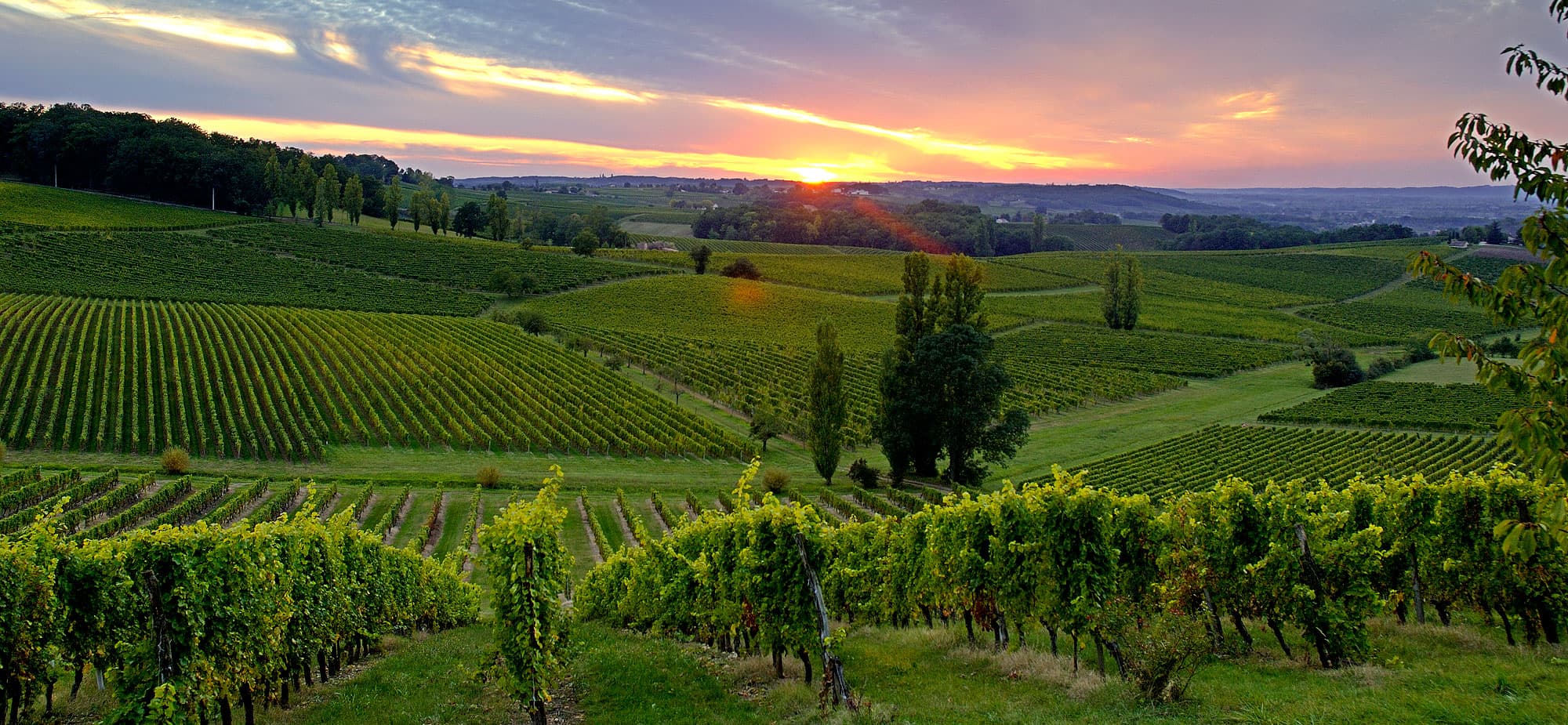
Southwest France boasts a rich tapestry of indigenous grape varieties like Malbec and Tannat, thriving in its diverse terroir. This region's wines are celebrated for their bold flavors and unique character.

Collections/Countries/France/Southwest France

About Southwest France

Southwest France is a treasure trove for wine enthusiasts seeking distinctive flavors and unique grape varieties. Known for its diverse terroir, the region offers a rich palette of wines, from the robust reds of Cahors to the aromatic whites of Gascony. Key grape varieties include Malbec, known locally as 'Côt', and Tannat, which contribute to the region's reputation for producing full-bodied and age-worthy wines. The white wines, often crafted from Colombard and Gros Manseng, are celebrated for their freshness and aromatic complexity. Producers like Château Combel La Serre and Château Les Croisille are at the forefront of this vibrant wine scene, crafting wines that reflect the unique terroir of Cahors. Meanwhile, Domaine Tariquet and Domaine de Guillaman in Gascony are renowned for their expressive white wines. The region's winemakers blend tradition with innovation, ensuring each bottle captures the essence of Southwest France. For wine lovers, Southwest France offers a journey through history and flavor. Whether you're drawn to the bold reds or the crisp whites, this region promises wines that are as diverse as they are delightful. Explore our selection and discover the unique character of Southwest France wines.

Climate & Terroir of Southwest France

Southwest France's climate is a harmonious blend of Atlantic influences and continental warmth, creating ideal conditions for a variety of grape varieties. The region's soils range from limestone and clay in Cahors to sandy and gravelly terrains in Gascony, each imparting distinct characteristics to the wines. This diverse terroir allows for the cultivation of both robust reds and aromatic whites, each with a unique expression of their environment.

Winemaking Traditions

Winemaking in Southwest France is steeped in tradition, with a focus on preserving the unique characteristics of indigenous grape varieties. The region's winemakers often employ traditional methods such as manual harvesting and minimal intervention in the cellar to ensure the wines reflect their terroir. In Cahors, the emphasis is on producing age-worthy Malbecs, while in Gascony, the focus is on crafting fresh and aromatic white wines. This blend of tradition and innovation results in wines that are both authentic and distinctive.

Notable Producers in Southwest France

Southwest France is home to a diverse array of producers, each contributing to the region's rich wine tapestry. Château Combel La Serre and Château Les Croisille are renowned for their robust Cahors wines, while Domaine Tariquet and Domaine de Guillaman excel in crafting aromatic whites in Gascony. Other notable producers include Clos La Coutale and Domaine Ilarria, each bringing their unique touch to the region's wine offerings.

Food Pairings

The wines of Southwest France are versatile and pair beautifully with a range of dishes. The robust reds, such as those from Cahors, complement hearty meals like cassoulet or grilled meats. The aromatic whites from Gascony are perfect with seafood, salads, and light poultry dishes. For a true taste of the region, pair these wines with local specialties such as duck confit or Roquefort cheese.

History of Southwest France

The history of winemaking in Southwest France dates back to Roman times, with a rich tradition that has evolved over centuries. The region's strategic location along ancient trade routes facilitated the spread of its wines throughout Europe. Cahors, in particular, gained fame in the Middle Ages for its 'black wine', a robust Malbec that was highly sought after by European nobility. Over the years, the region has maintained its commitment to quality and tradition, while embracing modern techniques to enhance its wine offerings. Today, Southwest France continues to be a beacon of innovation and tradition in the wine world.

On this page

  • About Southwest France
  • Climate & Terroir of Southwest France
  • Winemaking Traditions
  • Notable Producers in Southwest France
  • Food Pairings
  • History of Southwest France

Frequently Asked Questions

What types of wine is Southwest France known for?
Southwest France is renowned for its diverse range of wines, including robust reds, crisp whites, and sweet dessert wines. The region is particularly famous for its Malbec from Cahors, Tannat from Madiran, and the sweet wines of Monbazillac.
What is the difference between Cahors Malbec and Argentine Malbec?
Cahors Malbec, often referred to as 'the black wine of Cahors,' is typically more tannic and earthy compared to its Argentine counterpart. It offers flavors of dark fruit, leather, and spice, whereas Argentine Malbec is generally fruitier and softer.
Which spirits are produced in Southwest France?
Southwest France is known for producing Armagnac, a distinctive type of brandy. Armagnac is appreciated for its complex flavors, often featuring notes of dried fruit, vanilla, and spices, and is produced in the Gascony region.
What food pairs well with wines from Southwest France?
Wines from Southwest France pair excellently with local cuisine such as duck confit, cassoulet, and foie gras. The robust reds complement hearty dishes, while the sweet wines are perfect with desserts or blue cheeses.
How does the climate of Southwest France affect its wine production?
The climate in Southwest France varies from maritime influences in the west to more continental conditions inland, contributing to the diversity of wine styles. This variation allows for the cultivation of a wide range of grape varieties, each thriving in different microclimates.