-
Capital Spirits Logo

FOR THE THIRSTY

Raise a glass with us #Cheers

FacebookInstagramTikTokYouTube
concierge@capitalspirits.com
AboutLocationsEventsTrack OrderPrivacy PolicyTerms & ConditionsShipping PolicyReturn Policy
VisaMastercardAmerican ExpressApple PayGoogle Pay
Powered by Stripe
© 2026 Capital Spirits. All rights reserved.
APPELLATION

Chateauneuf-du-Pape Wine

Chateauneuf-du-Pape mandates the use of up to 13 grape varieties, creating diverse and complex wines. This Southern Rhone appellation is celebrated for its robust reds and occasional whites, with producers like Domaine De Beaurenard and Château La Nerthe leading the way.

Collections/Countries/France/Rhone Valley/Chateauneuf-du-Pape

About Chateauneuf-du-Pape

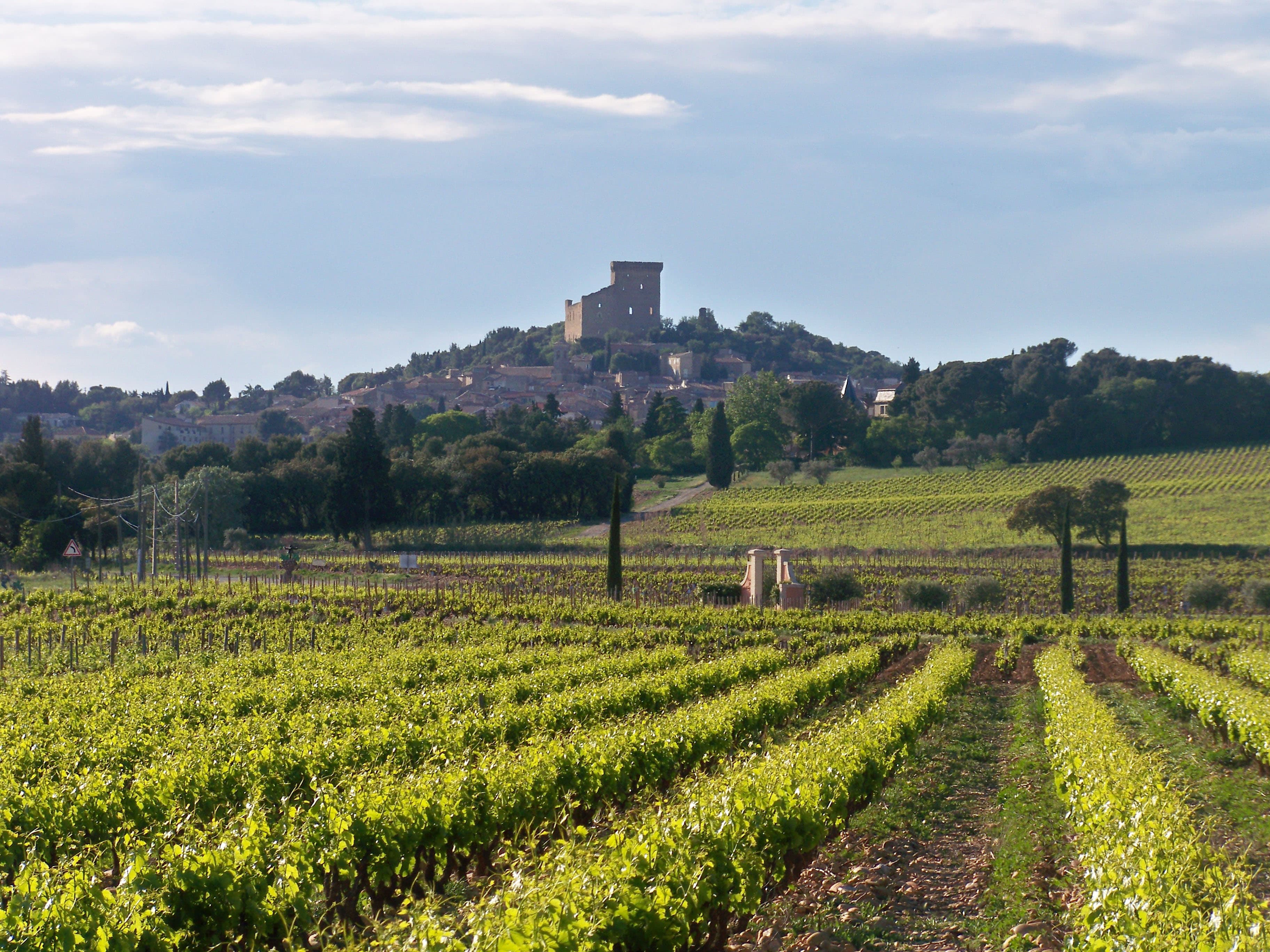
Chateauneuf-du-Pape, a prestigious appellation in the Southern Rhone Valley, is renowned for its robust and complex red wines, with a small production of whites. The appellation allows up to 13 grape varieties, with Grenache, Syrah, and Mourvèdre being the most dominant, contributing to the rich, full-bodied character of the wines. The region's unique terroir, characterized by its iconic galets roulés (rounded stones), aids in heat retention, promoting optimal ripening of the grapes. Producers such as Domaine De Beaurenard, Château La Nerthe, and Château De Beaucastel are celebrated for their meticulous craftsmanship, offering wines that range from approachable to highly collectible. The wines typically exhibit flavors of dark fruit, herbs, and spices, with a balanced structure and aging potential. Prices vary, with entry-level bottles offering excellent value, while premium offerings deliver exceptional depth and complexity. Choosing Chateauneuf-du-Pape means embracing a wine with a storied history and a commitment to quality. Whether you're seeking the best Chateauneuf-du-Pape wines or exploring a comprehensive wine guide, this appellation offers something for every enthusiast.

Regulations & Standards

Chateauneuf-du-Pape's regulations are among the strictest in France, ensuring high quality and authenticity. The appellation mandates a minimum alcohol content of 12.5%, one of the highest in France, reflecting the richness and power of the wines. Up to 13 grape varieties are permitted, with specific guidelines on vineyard practices and yields to maintain quality. The wines must be produced within the designated area, and red wines must undergo a minimum aging period before release, ensuring they are ready for consumption upon purchase.

Grape Varieties

Chateauneuf-du-Pape permits the use of up to 13 grape varieties, with Grenache, Syrah, and Mourvèdre being the most prominent. Grenache, the backbone of many blends, provides body and fruitiness, while Syrah adds color, structure, and spice. Mourvèdre contributes tannins and complexity, especially in wines meant for aging. Other varieties like Cinsault and Counoise are used in smaller quantities to add nuance and balance. This diversity allows winemakers to craft wines with a wide range of flavors and textures, while maintaining the appellation's signature style.

Soil Composition

The soils of Chateauneuf-du-Pape are diverse, with the most famous being the galets roulés, large, rounded stones that cover the vineyards. These stones retain heat during the day and release it at night, aiding in the ripening of the grapes. Beneath the stones, the soil is a mix of clay, sand, and limestone, which provides excellent drainage and contributes to the concentration and intensity of the wines. This unique soil composition is integral to the appellation's ability to produce powerful and complex wines.

Climate Characteristics

Chateauneuf-du-Pape benefits from a Mediterranean climate, characterized by hot, dry summers and mild, wet winters. The Mistral wind, a defining feature of the region, helps to cool the vineyards and reduce humidity, minimizing the risk of disease. This climate ensures that the grapes achieve full ripeness, resulting in wines with rich flavors and balanced acidity. The consistent sunshine and warmth contribute to the development of the deep color and robust structure that Chateauneuf-du-Pape wines are known for.

Production Standards

Winemaking in Chateauneuf-du-Pape adheres to traditional methods, with a focus on expressing the terroir. Many producers employ whole-cluster fermentation, which enhances the complexity and structure of the wines. Aging typically occurs in large oak foudres or concrete vats, allowing the wines to develop without overwhelming oak influence. This approach preserves the natural flavors and aromas of the grapes, resulting in wines that are both powerful and elegant.

On this page

  • About Chateauneuf-du-Pape
  • Regulations & Standards
  • Grape Varieties
  • Soil Composition
  • Climate Characteristics
  • Production Standards

Frequently Asked Questions

What type of wine is Chateauneuf-du-Pape known for?
Chateauneuf-du-Pape is renowned for its robust red wines, which are typically blends of up to 13 different grape varieties, with Grenache being the dominant grape. The region also produces a smaller quantity of white wines, which are known for their richness and complexity.
What food pairs well with Chateauneuf-du-Pape wine?
Chateauneuf-du-Pape red wines pair excellently with hearty dishes such as roasted meats, game, and stews, as well as aged cheeses. The white wines from this region complement seafood, poultry, and creamy sauces beautifully.
How long can I age a bottle of Chateauneuf-du-Pape wine?
Chateauneuf-du-Pape wines are known for their aging potential, with many red wines developing greater complexity over 10 to 20 years. However, some can be enjoyed earlier, depending on the vintage and producer.
What is the average price range for Chateauneuf-du-Pape wines?
The price of Chateauneuf-du-Pape wines can vary widely, typically ranging from $30 to $100 or more per bottle, depending on the producer and vintage. Premium bottles from renowned estates can command higher prices.
What are the key characteristics of Chateauneuf-du-Pape red wine?
Chateauneuf-du-Pape red wines are known for their full-bodied nature, with rich flavors of dark fruit, spices, and herbs. They often exhibit a balanced structure with firm tannins and a long finish, making them highly sought after by wine enthusiasts.