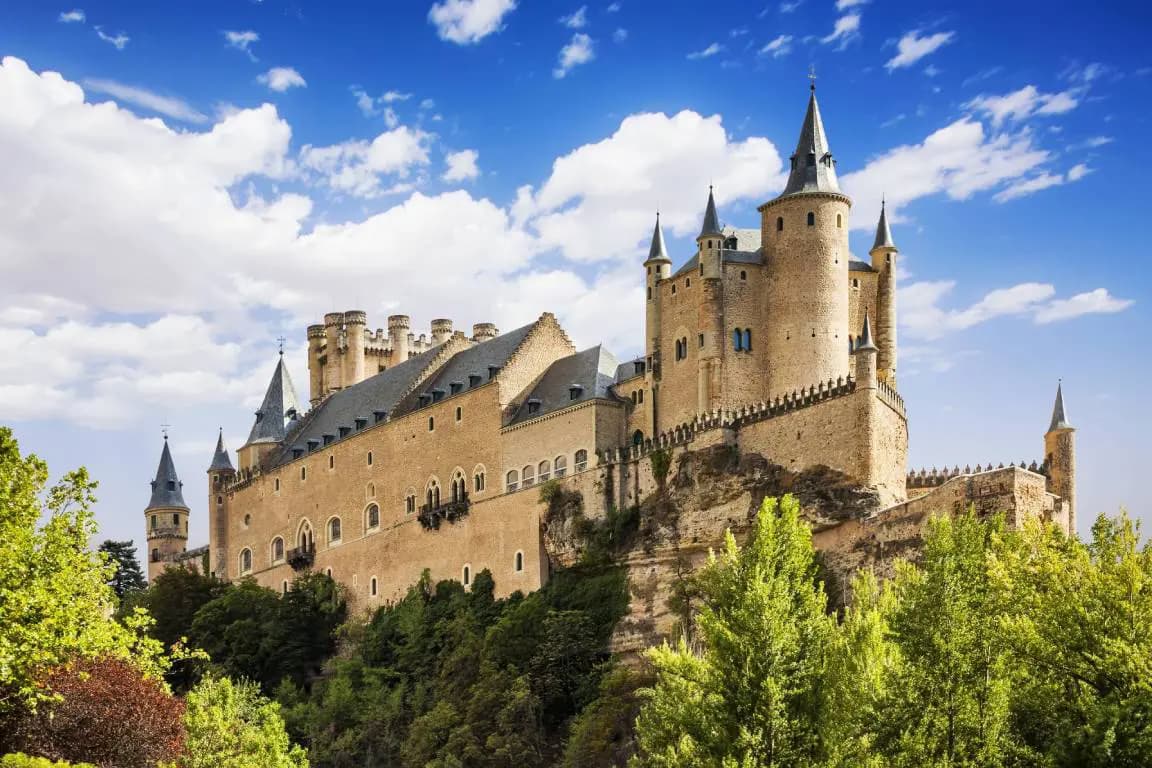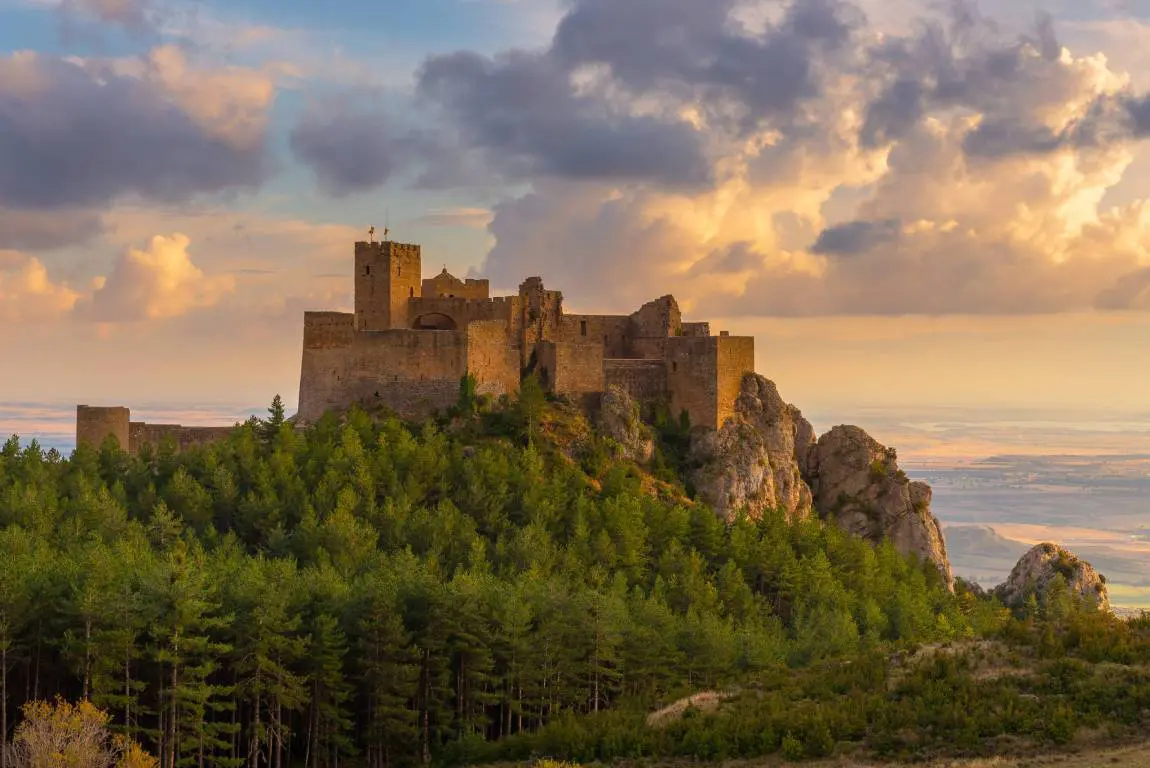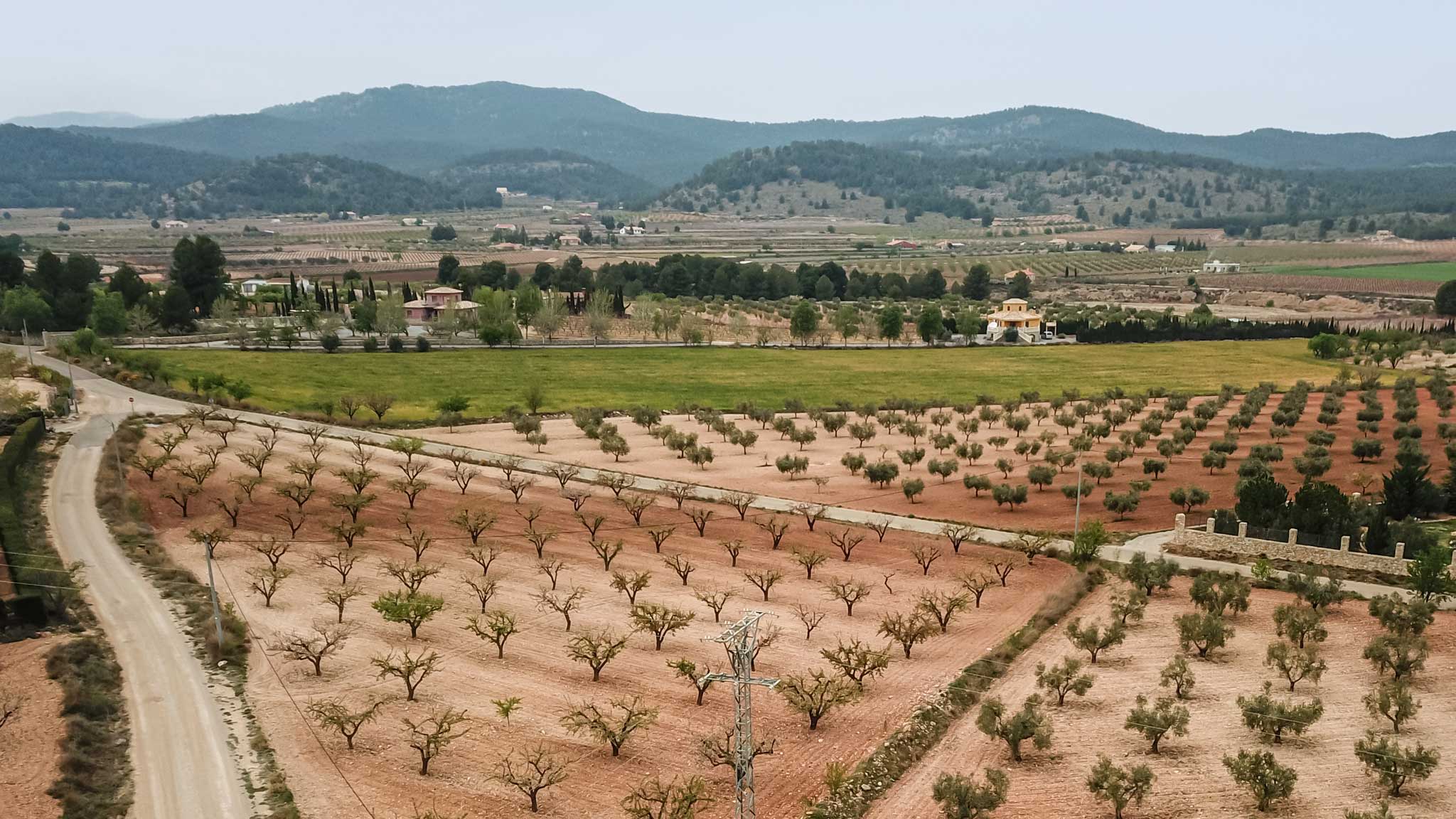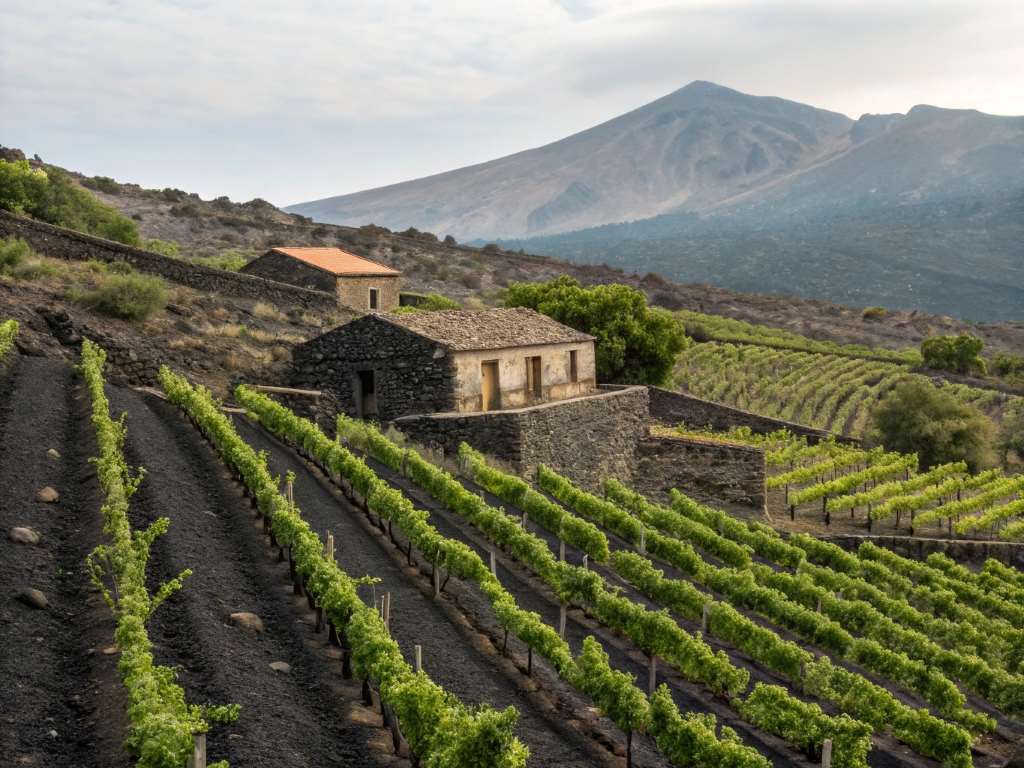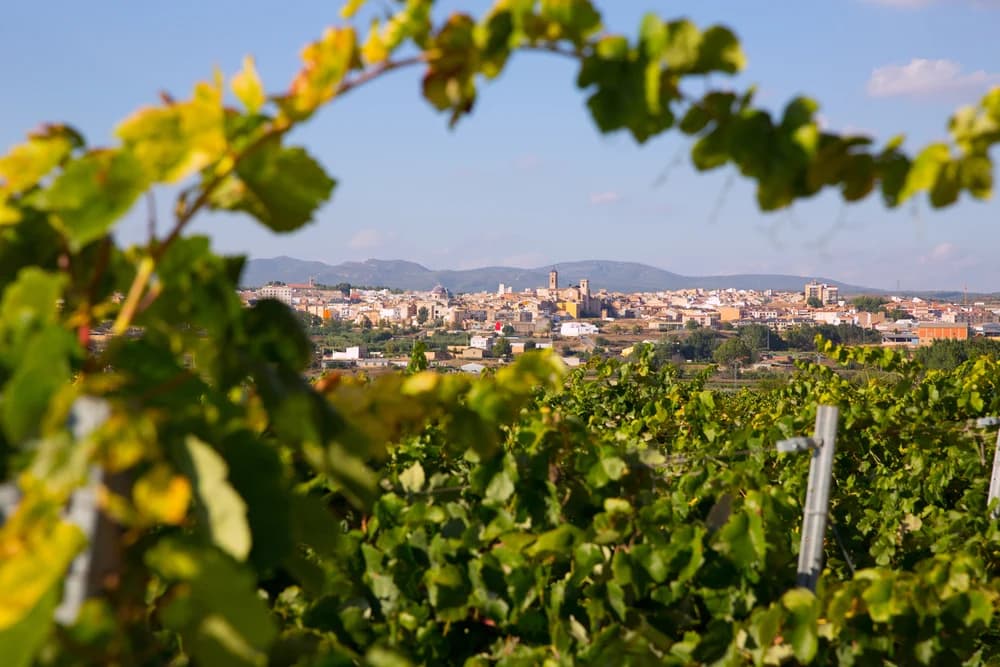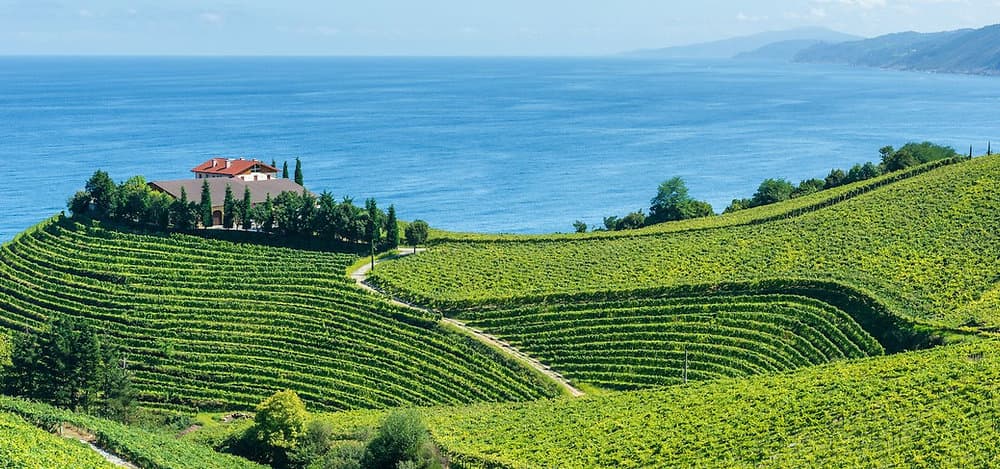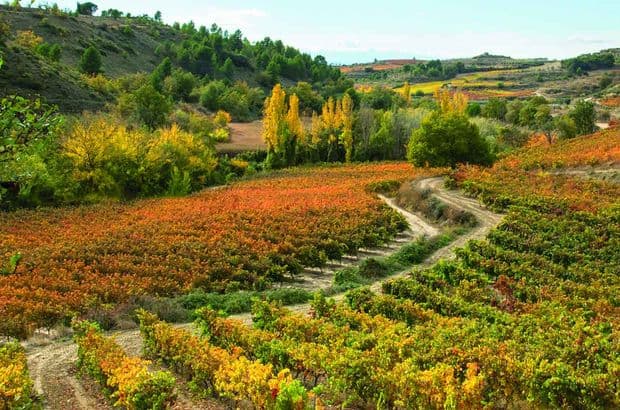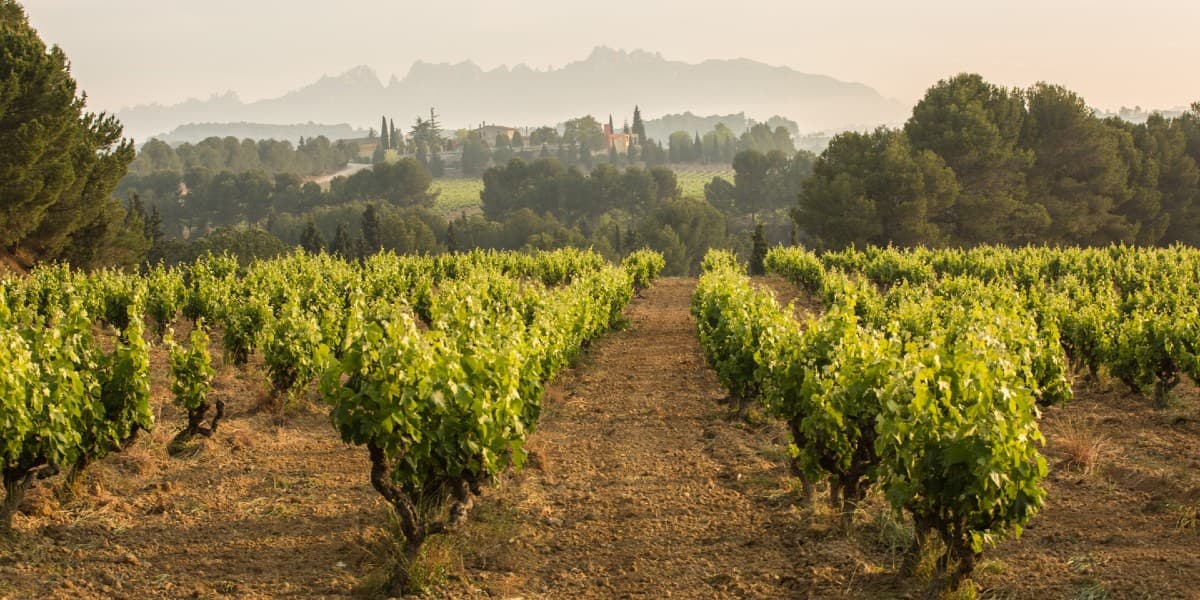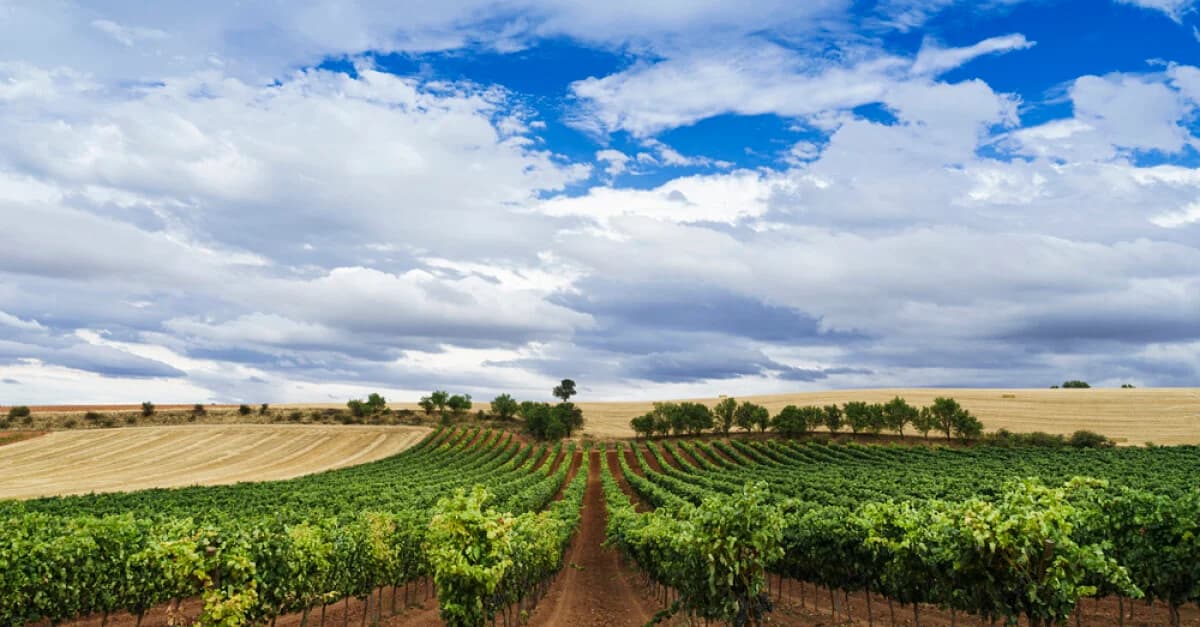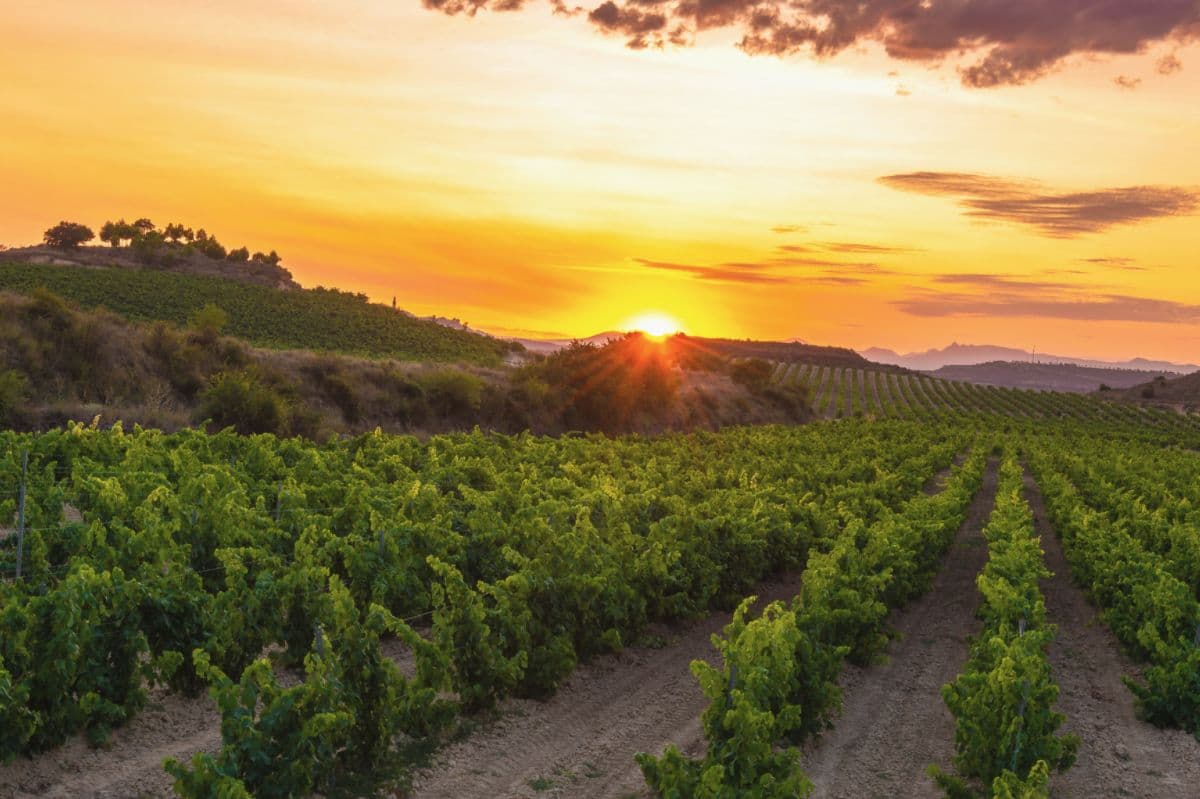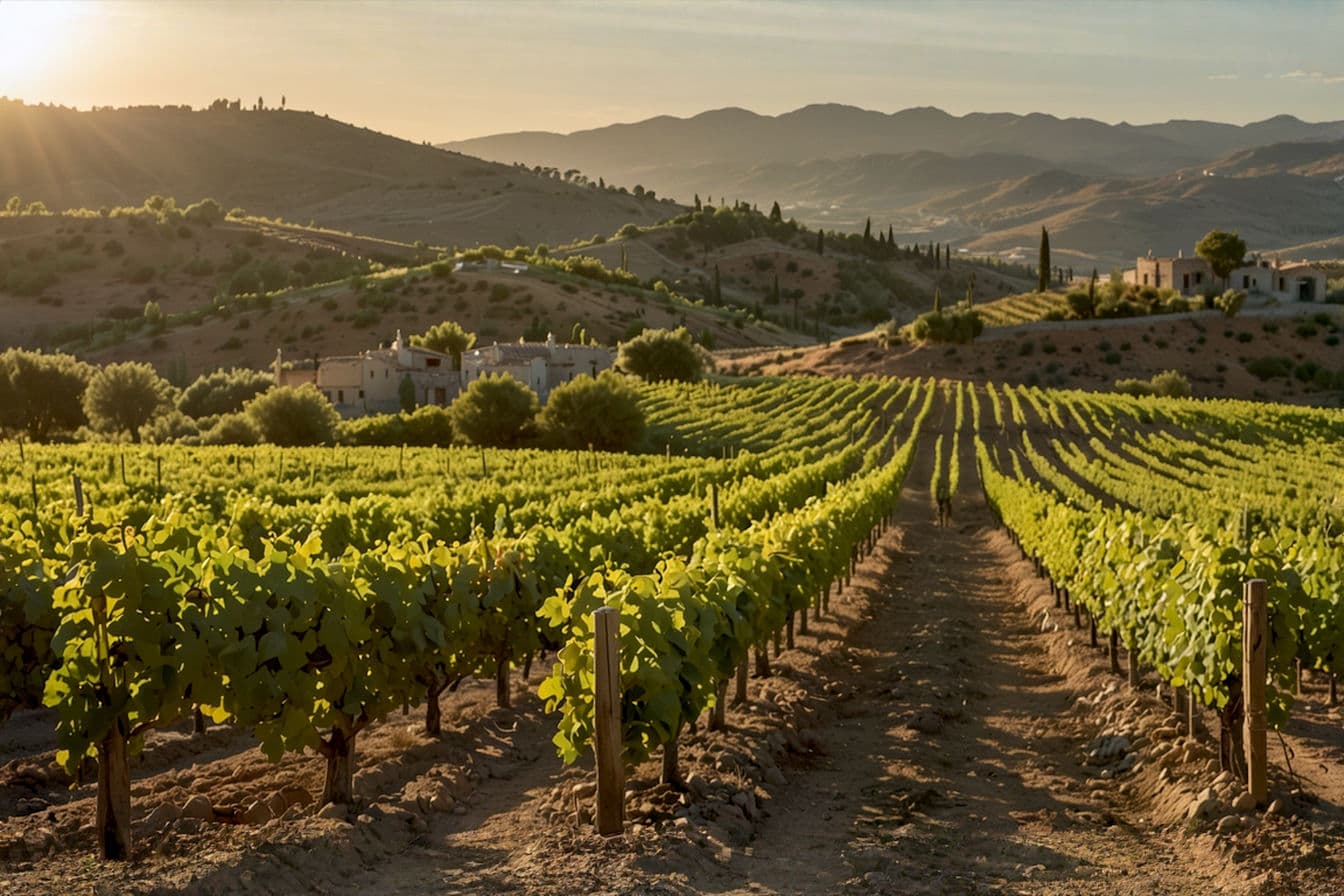
Spain offers a vibrant tapestry of wines and spirits, from the sun-drenched vineyards of Rioja to the sparkling wines of Catalonia. Discover the essence of Spanish viticulture with producers like Familia Torres and Bodegas Faustino.
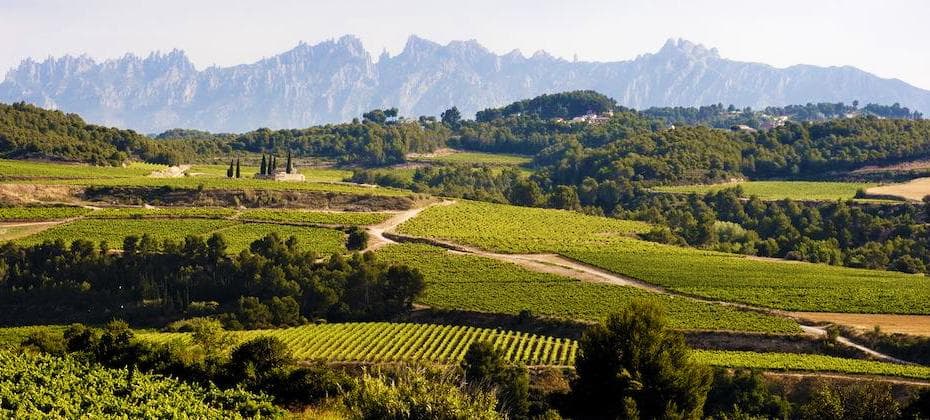
Spain is a land of rich viticultural heritage, offering a diverse range of wines and spirits that reflect its varied landscapes and climates. The country's wine identity is shaped by regions like Rioja, known for its robust reds, and Catalonia, famous for its sparkling Cava. Notable producers such as Familia Torres and Bodegas Faustino have put Spanish wines on the global map, celebrated for their quality and character.
In the south, Andalucia is renowned for its fortified wines, particularly Sherry, with producers like Emilio Lustau and González Byass leading the way. The region's warm climate and chalky soils contribute to the distinct flavors of these wines, making them perfect for pairing with tapas and seafood.
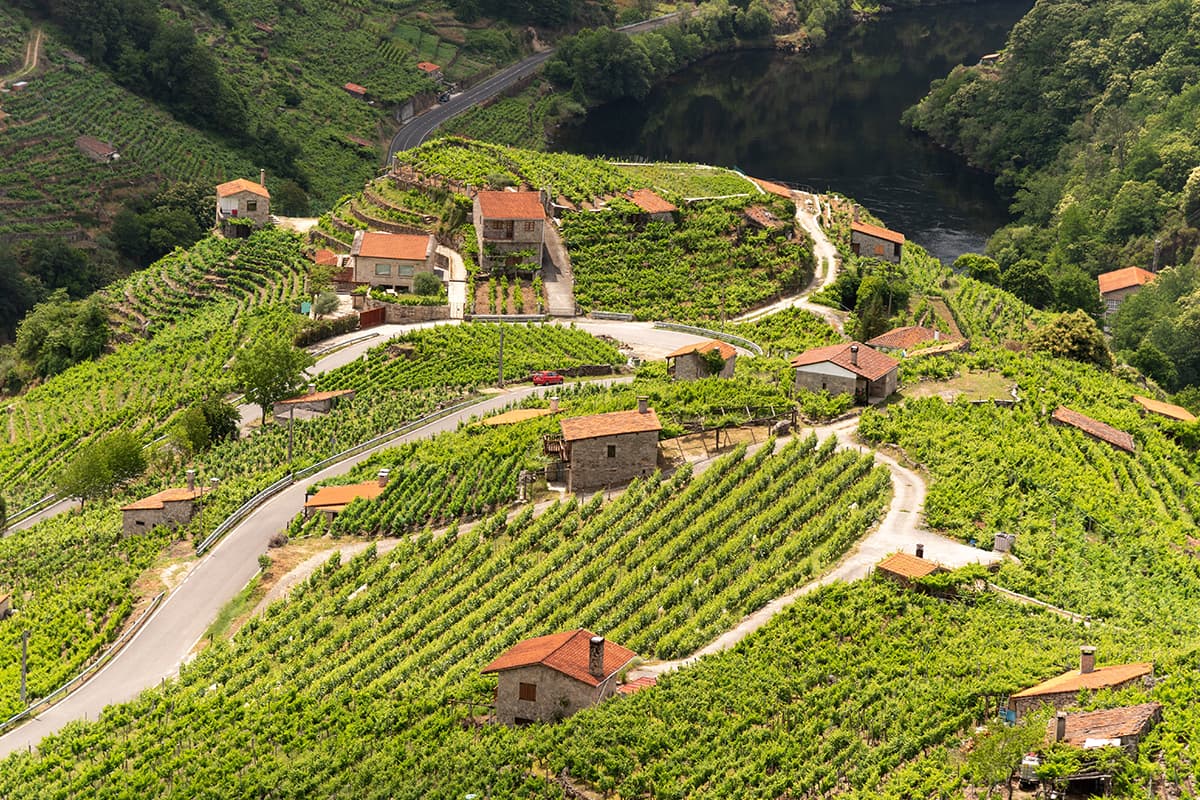
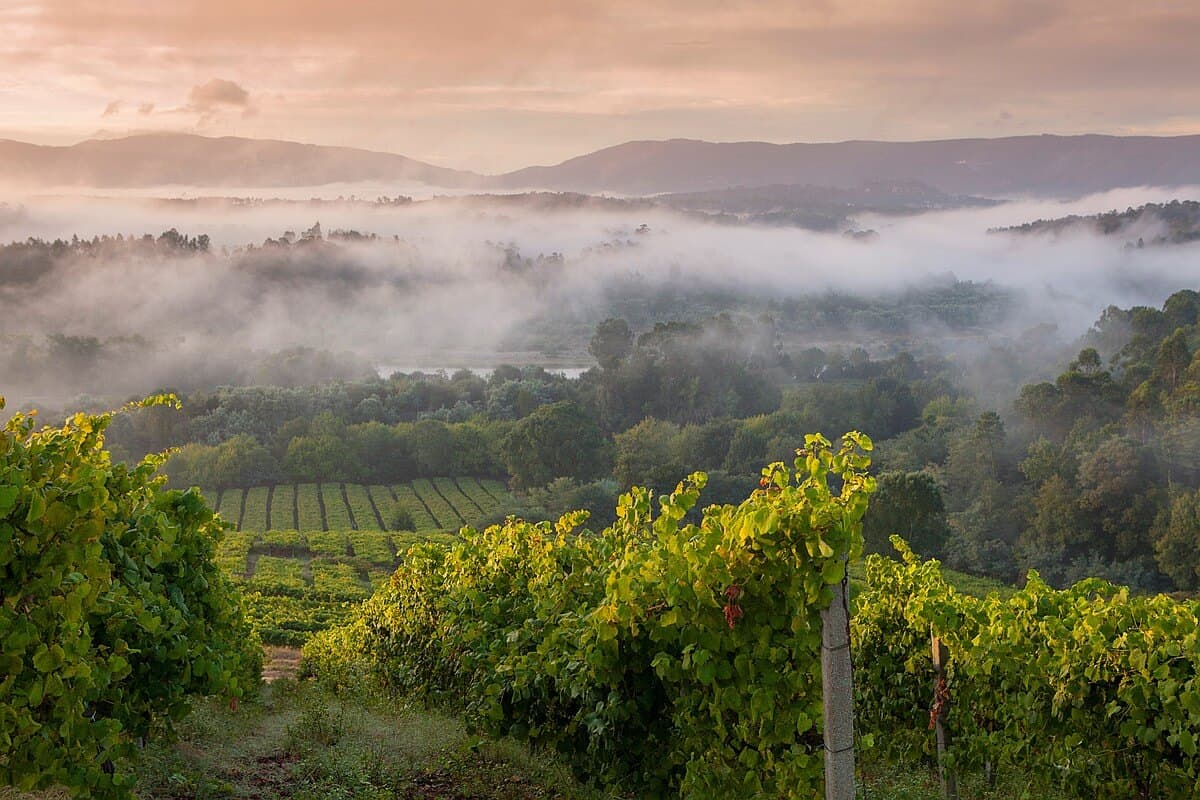
The Canary Islands offer unique volcanic wines, while Galicia's cooler climate produces crisp, aromatic whites from the Albariño grape. Castilla y Leon and Castilla-La Mancha are vast regions producing a variety of styles, from bold reds to elegant whites.
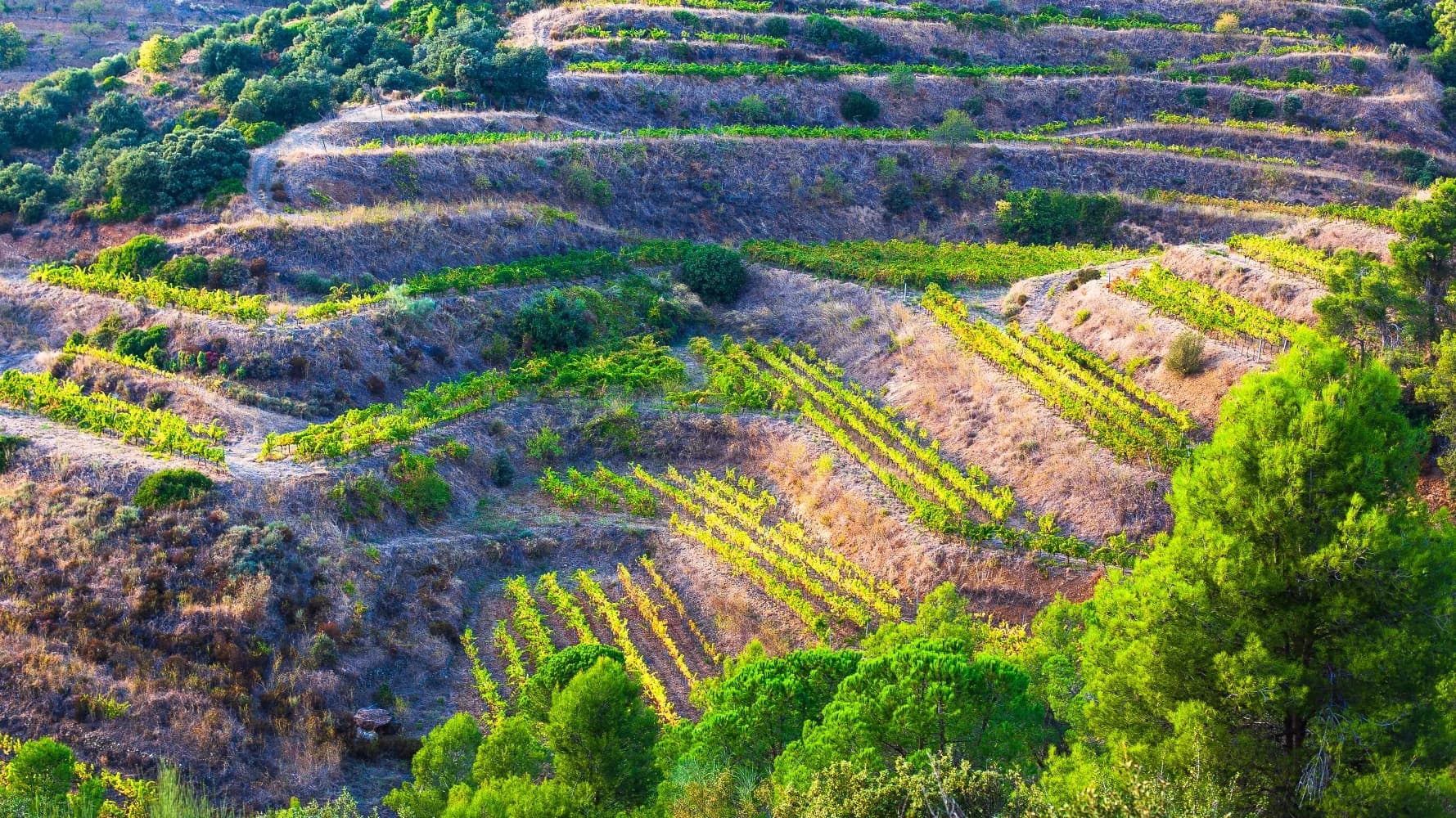
Spain's wine culture is deeply intertwined with its culinary traditions. Wines from Navarra and Valencia complement the country's diverse cuisine, from rich paellas to savory jamón. Whether you're exploring the structured reds of Priorat or the refreshing whites of Rueda, Spanish wines offer something for every palate.
In addition to wine, Spain is known for its distinctive spirits, such as Licor 43, a sweet, citrusy liqueur that embodies the country's vibrant spirit. With a focus on quality and tradition, Spain's wines and spirits continue to captivate connoisseurs and casual drinkers alike.
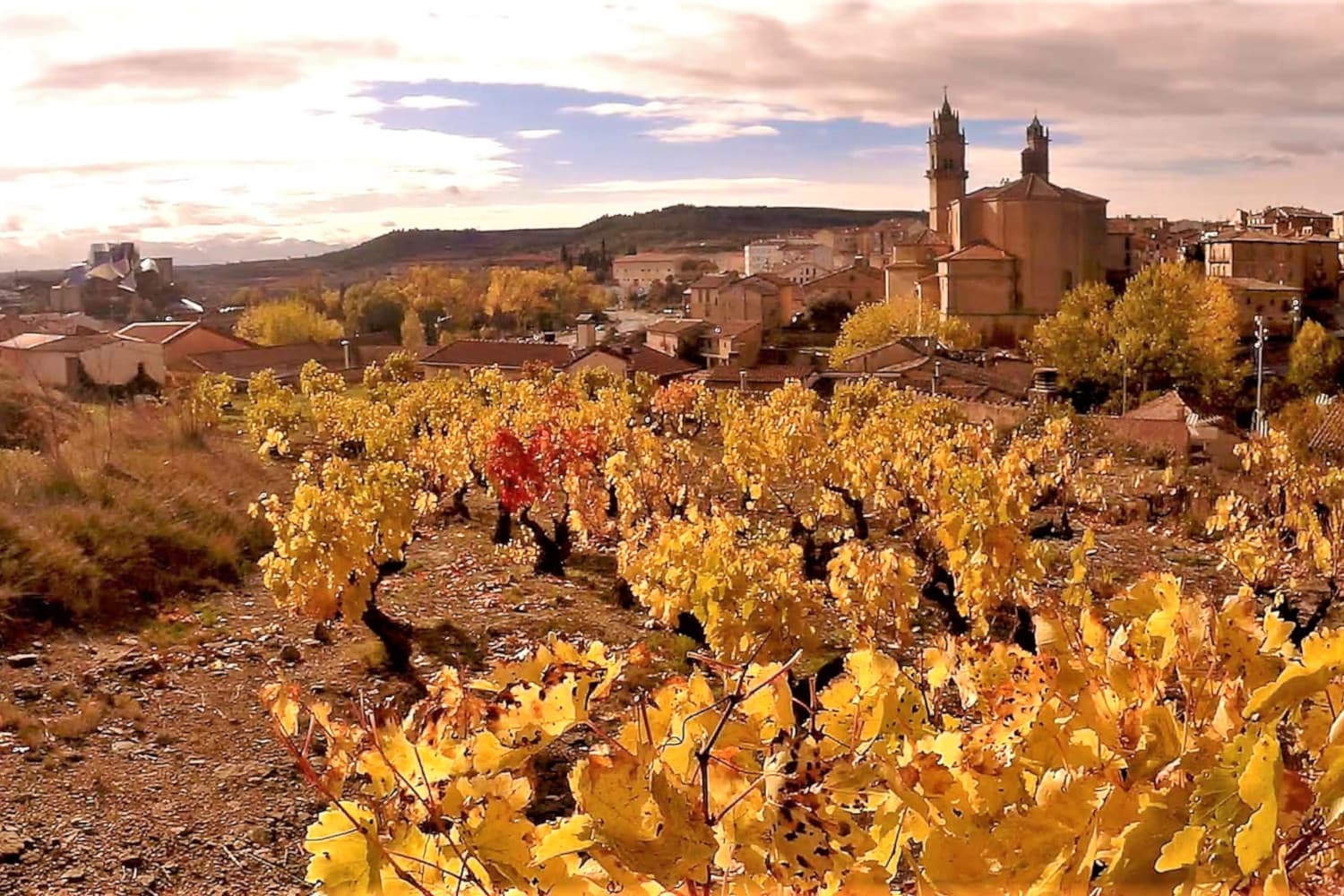
Wine Regions of Spain
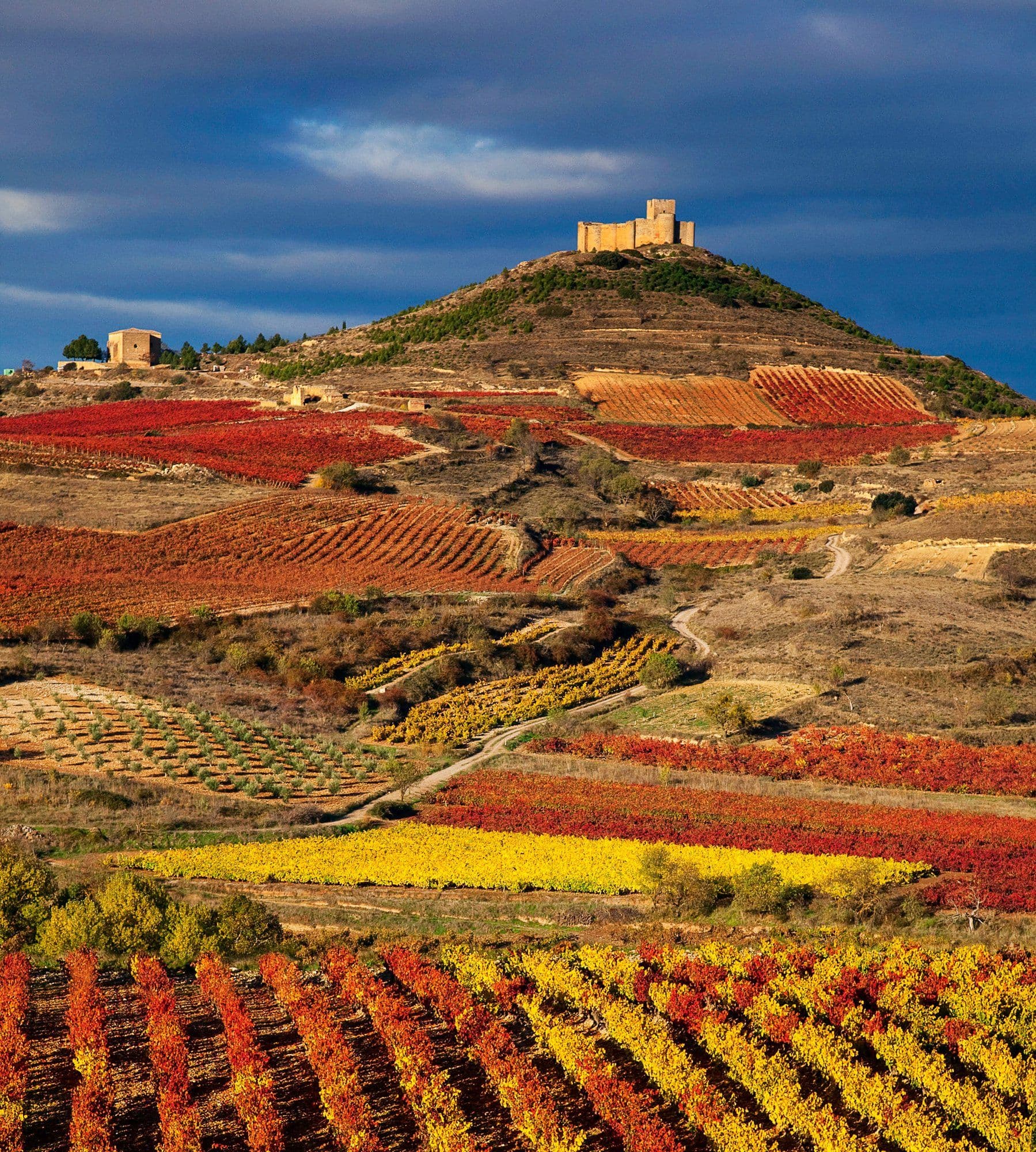
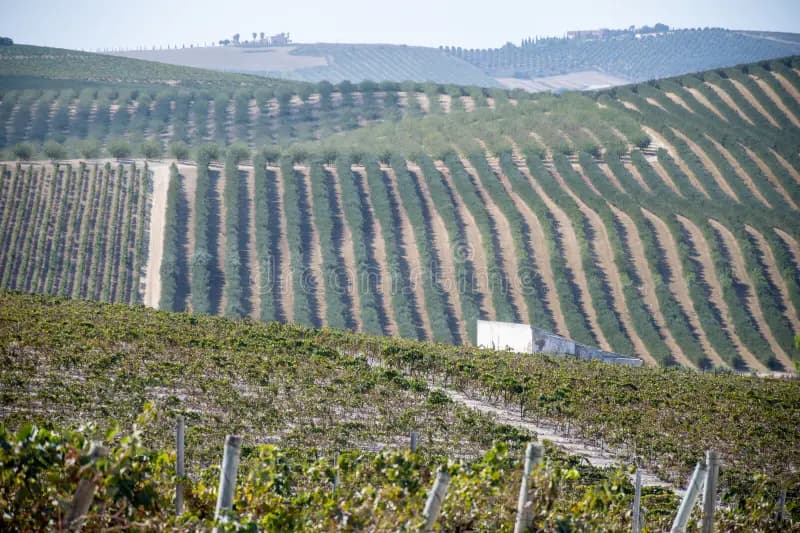
Spain's wine regions are as diverse as its landscapes. Rioja is synonymous with rich, full-bodied reds, while Catalonia is celebrated for its sparkling Cava. The sun-drenched vineyards of Andalucia produce exquisite Sherry, and Galicia's cooler climate is perfect for crisp, aromatic whites. Castilla y Leon and Castilla-La Mancha offer a broad spectrum of styles, from robust reds to elegant whites. Each region contributes to Spain's reputation as a top wine producer.
Spirits from Spain
While Spain is primarily known for its wines, it also produces notable spirits. The most famous is Sherry from Andalucia, a fortified wine with a unique production process. Additionally, Licor 43, a sweet liqueur with hints of vanilla and citrus, is a beloved Spanish spirit. These spirits reflect Spain's dedication to quality and tradition.
Climate & Terroir
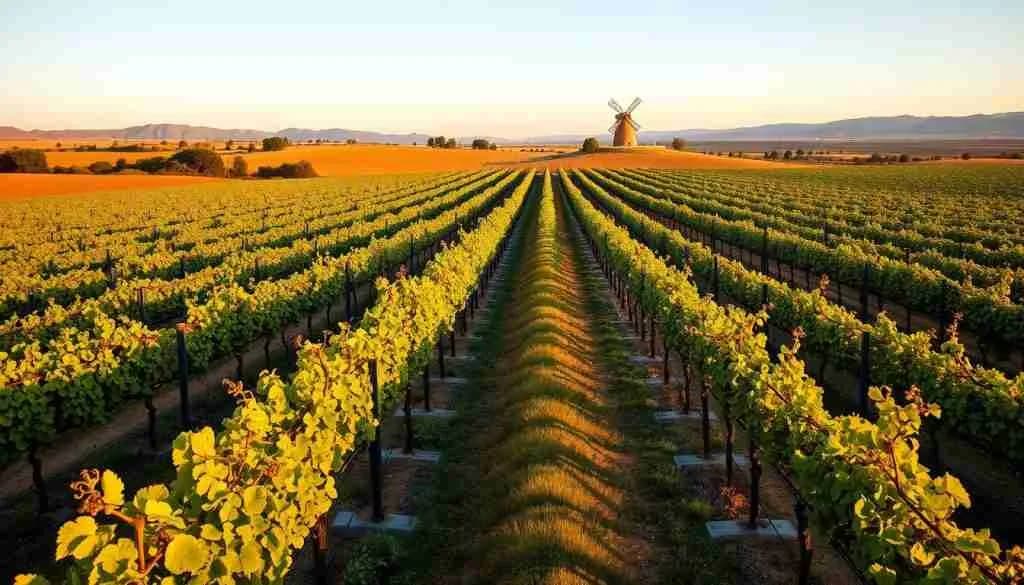
Spain's climate varies significantly across its regions, influencing the style and character of its wines and spirits. The northern regions, such as Rioja and Galicia, benefit from a cooler, Atlantic climate, ideal for producing fresh, aromatic wines. In contrast, the southern regions like Andalucia experience hot, dry conditions, perfect for producing fortified wines like Sherry. The central plateau, including Castilla-La Mancha, has a continental climate with hot summers and cold winters, contributing to the production of robust red wines. This climatic diversity allows Spain to produce a wide range of wine styles.
History of Spain Wine & Spirits
Spain's winemaking history dates back thousands of years, with the Phoenicians and Romans playing key roles in its development. The country has a rich tradition of viticulture, with regions like Rioja and Jerez (Sherry) gaining international acclaim over the centuries. The 19th century saw a significant boost in quality and reputation, particularly with the introduction of modern winemaking techniques. Today, Spain is one of the world's largest wine producers, known for its diverse styles and commitment to quality. Its spirits, particularly Sherry, have also enjoyed a long-standing global presence.
Frequently Asked Questions
What are the most popular Spanish wines to buy?
Spain is renowned for its red wines, particularly those from the Rioja and Ribera del Duero regions, which are made primarily from the Tempranillo grape. Other popular Spanish wines include Cava, a sparkling wine from Catalonia, and Sherry from the Jerez region.
What is the difference between Rioja and Ribera del Duero wines?
Both Rioja and Ribera del Duero wines are primarily made from the Tempranillo grape, but they differ in taste and aging requirements. Rioja wines often have a lighter, more elegant profile with notes of red fruit and vanilla, while Ribera del Duero wines tend to be fuller-bodied with darker fruit flavors and a more robust structure.
How is Spanish Cava different from Champagne?
Cava is a Spanish sparkling wine made using the traditional method, similar to Champagne, but primarily from native Spanish grape varieties like Macabeo, Xarel·lo, and Parellada. While Champagne is produced in the Champagne region of France, Cava is mainly produced in Catalonia and typically offers a more affordable alternative with a slightly different flavor profile.
What makes Spanish Sherry unique?
Spanish Sherry is a fortified wine from the Jerez region, known for its diverse range of styles from dry Fino and Manzanilla to sweet Pedro Ximénez. The unique solera aging process and the influence of the region's climate contribute to Sherry's distinct flavors and complexity.
Are there any notable Spanish beers to try?
Spain is not as famous for beer as it is for wine, but it does have some notable brands like Estrella Galicia, Mahou, and Cruzcampo. These beers are typically light lagers, perfect for Spain's warm climate, and are widely enjoyed across the country.