-
Capital Spirits Logo

FOR THE THIRSTY

Raise a glass with us #Cheers

FacebookInstagramTikTokYouTube
concierge@capitalspirits.com
AboutLocationsEventsTrack OrderPrivacy PolicyTerms & ConditionsShipping PolicyReturn Policy
VisaMastercardAmerican ExpressApple PayGoogle Pay
Powered by Stripe
© 2026 Capital Spirits. All rights reserved.
APPELLATION

Cava Wine from Catalonia

Cava is defined by its traditional method of sparkling wine production, similar to Champagne, but rooted in Catalonia's unique terroir. This appellation mandates a second fermentation in the bottle, creating its signature effervescence and complexity.

Collections/Countries/Spain/Catalonia/Cava

About Cava

Cava, the sparkling wine of Catalonia, is celebrated for its traditional method of production, which mirrors the prestigious Champagne process. This involves a secondary fermentation in the bottle, resulting in the fine bubbles and rich complexity that define Cava wines. Predominantly crafted from native grape varieties such as Macabeo, Xarel·lo, and Parellada, Cava offers a diverse range of flavors from crisp and refreshing to rich and toasty. Renowned producers like Freixenet, Codorníu, and Segura Viudas lead the way in crafting exceptional Cava wines. These producers, along with others like Juvé & Camps and Pere Ventura, offer a spectrum of styles and price points, from accessible everyday bottles to premium vintage selections. Cava's flavor profile typically includes notes of citrus, green apple, and almond, with a creamy texture and a crisp finish. This makes it a versatile choice for various occasions, whether as an aperitif or paired with a meal. For those seeking the best Cava wines, look for labels from top producers and consider the aging designation—Reserva and Gran Reserva indicate longer aging and greater complexity. With its combination of quality, tradition, and value, Cava stands out as a compelling choice for sparkling wine enthusiasts.

Regulations & Standards

Cava is governed by strict regulations to ensure quality and authenticity. The traditional method of production is mandatory, involving a secondary fermentation in the bottle. Cava must be aged for a minimum of 9 months on the lees, while Reserva requires at least 15 months, and Gran Reserva demands a minimum of 30 months. These aging requirements contribute to the complexity and depth of flavors in Cava wines. Additionally, only specific grape varieties are permitted, ensuring the preservation of traditional styles.

Grape Varieties

Cava is primarily made from three indigenous grape varieties: Macabeo, Xarel·lo, and Parellada. Macabeo contributes floral and fruity notes, Xarel·lo adds body and structure, while Parellada imparts a delicate aroma and finesse. These grapes thrive in Catalonia's diverse microclimates, allowing winemakers to craft a range of styles from light and fresh to rich and complex. Additionally, Chardonnay and Pinot Noir are permitted, often used in premium blends to add depth and elegance.

Soil Composition

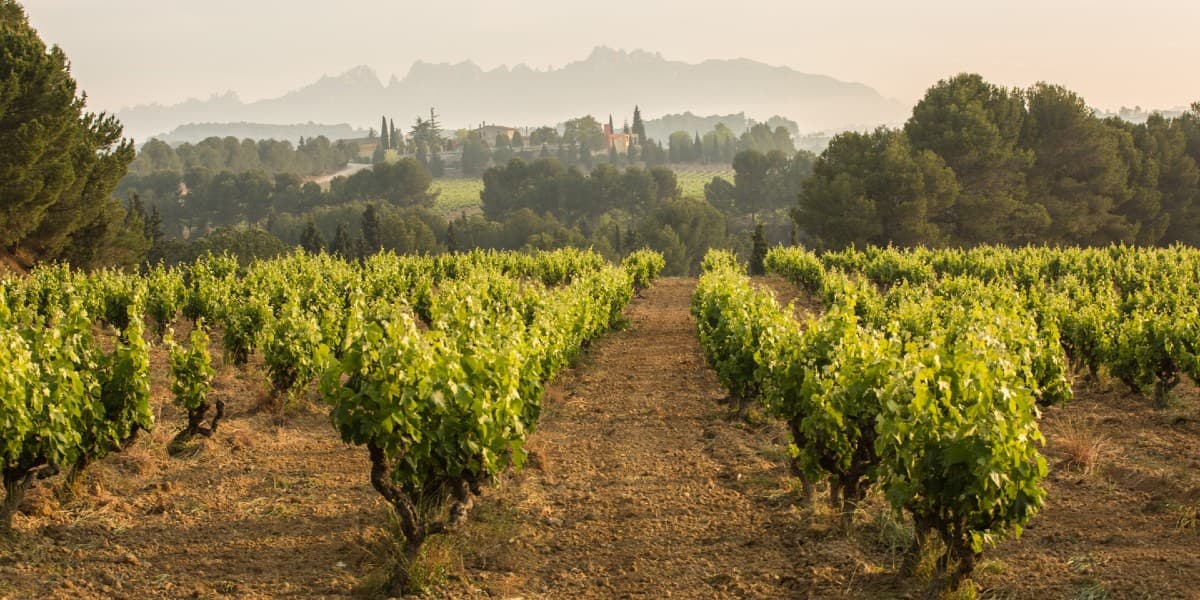
The soils of the Cava region are predominantly limestone-based, which is ideal for growing grapes that produce high-quality sparkling wines. These calcareous soils retain moisture well, providing a consistent water supply to the vines during the dry summer months. This soil composition contributes to the minerality and crisp acidity found in Cava wines, enhancing their freshness and aging potential.

Climate Characteristics

Cava's climate is Mediterranean, characterized by warm, dry summers and mild, wet winters. The region benefits from cooling sea breezes from the Mediterranean Sea, which help maintain acidity in the grapes, crucial for sparkling wine production. This climate ensures a long growing season, allowing grapes to develop full flavors while retaining the necessary acidity for balance and freshness in the finished wine.

Production Standards

Cava production adheres to the méthode traditionnelle, where the secondary fermentation occurs in the bottle, creating natural carbonation. This process is labor-intensive, involving riddling and disgorgement to remove sediment. The use of native yeast strains and extended lees aging are common practices, enhancing the wine's texture and flavor complexity. These standards ensure that Cava maintains its high quality and distinctive character.

On this page

  • About Cava
  • Regulations & Standards
  • Grape Varieties
  • Soil Composition
  • Climate Characteristics
  • Production Standards

Frequently Asked Questions

What is Cava and how is it different from Champagne?
Cava is a sparkling wine from Catalonia, Spain, made using the traditional method, similar to Champagne. The primary difference lies in the grape varieties used; Cava typically uses Macabeo, Parellada, and Xarel-lo, while Champagne uses Chardonnay, Pinot Noir, and Pinot Meunier.
What are the best food pairings for Cava?
Cava pairs well with a variety of foods due to its acidity and effervescence. It complements seafood, tapas, and light salads, and can also be enjoyed with fried foods and creamy cheeses.
How should Cava be served?
Cava is best served chilled, ideally between 42-46°F (6-8°C). It should be poured into a flute or tulip-shaped glass to preserve its bubbles and enhance the aroma.
What are the different types of Cava available?
Cava is categorized by sweetness levels, ranging from Brut Nature (very dry) to Dulce (sweet). It is also classified by aging: Cava, Cava Reserva, and Cava Gran Reserva, with Gran Reserva being aged the longest.
Is Cava a good choice for celebrations?
Yes, Cava is an excellent choice for celebrations due to its festive bubbles and versatility. It offers a high-quality sparkling wine experience at a more accessible price point compared to Champagne.