-
Capital Spirits Logo

FOR THE THIRSTY

Raise a glass with us #Cheers

FacebookInstagramTikTokYouTube
concierge@capitalspirits.com
AboutLocationsEventsTrack OrderPrivacy PolicyTerms & ConditionsShipping PolicyReturn Policy
VisaMastercardAmerican ExpressApple PayGoogle Pay
Powered by Stripe
© 2026 Capital Spirits. All rights reserved.
REGION

Rioja Wine

Rioja's Tempranillo thrives in its clay-limestone soils, producing wines with rich, complex flavors. Explore our selection from top producers like Bodegas Faustino and Marqués de Cáceres.

Collections/Countries/Spain/Rioja

About Rioja

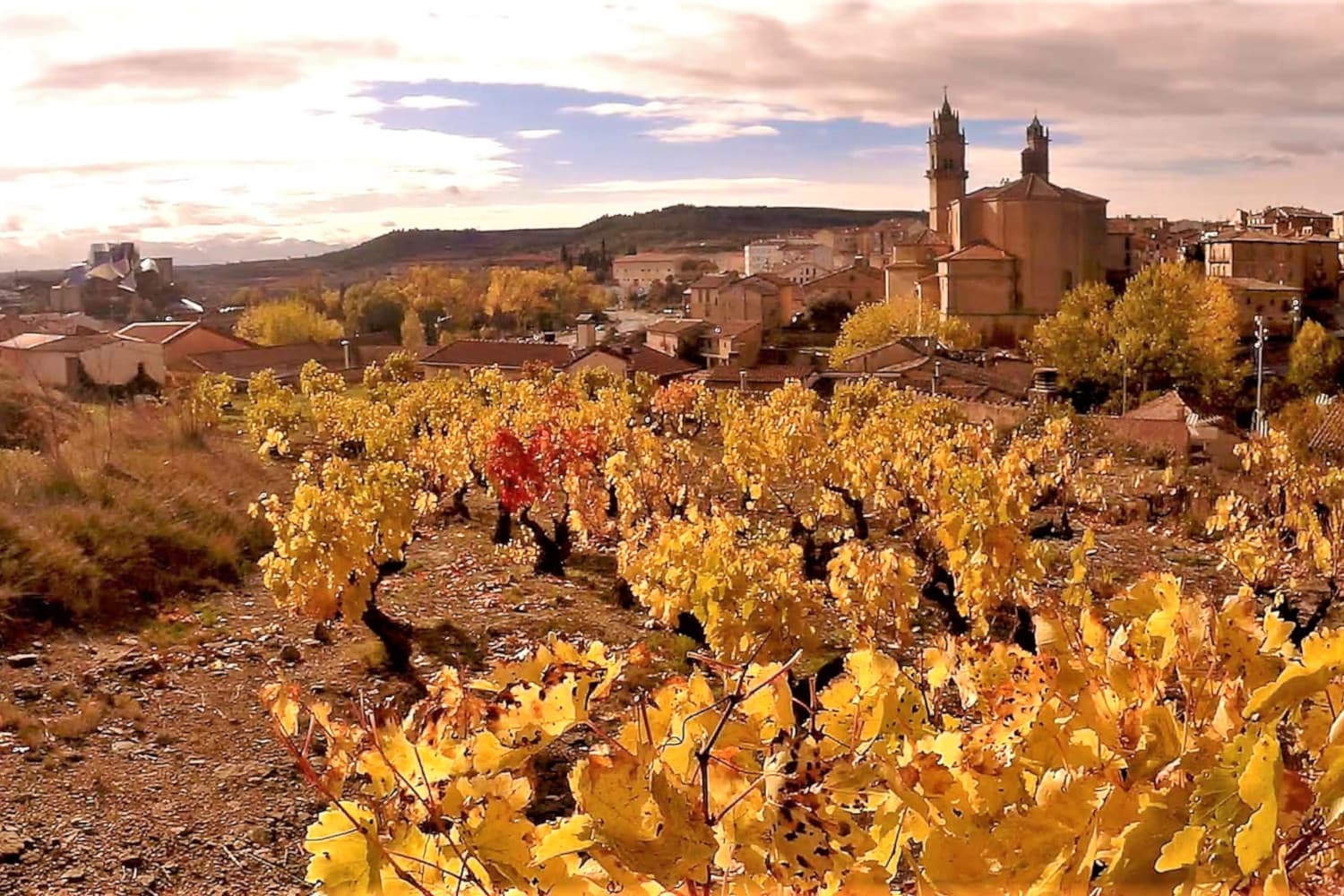
Rioja, Spain's most celebrated wine region, is synonymous with Tempranillo, a grape that finds its ideal expression in the region's clay-limestone soils. This unique terroir, combined with Rioja's diverse climate, allows for the production of wines that are both robust and elegant. The region is divided into three sub-regions: Rioja Alta, Rioja Alavesa, and Rioja Oriental, each contributing distinct characteristics to the wines. Rioja wines are known for their aging potential, with classifications ranging from Crianza to Gran Reserva, each offering a different level of complexity and depth. Producers like Bodegas Faustino and Marqués de Cáceres are renowned for their meticulous craftsmanship, creating wines that capture the essence of Rioja. Bodegas Muga and CVNE bring a modern twist to traditional methods, while Marqués de Murrieta and Viña Herminia offer a taste of history with their classic styles. Whether you're a seasoned connoisseur or a curious newcomer, Rioja wines offer a journey through Spain's rich viticultural heritage. The flavors of Rioja wines are as diverse as the region itself. Expect notes of ripe red berries, vanilla, and spices, with a balanced acidity and smooth tannins. These wines are perfect for pairing with a variety of dishes, from grilled meats to aged cheeses. Explore our selection and discover why Rioja remains a cornerstone of the wine world.
Climate & Terroir of Rioja

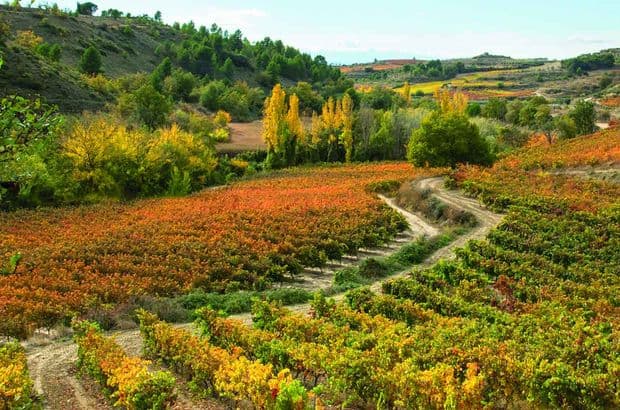
Rioja's climate is a blend of continental and Mediterranean influences, providing ideal conditions for viticulture. The region's clay-limestone soils are particularly suited to Tempranillo, the dominant grape variety, allowing it to develop rich, complex flavors. The varied topography, from the high-altitude vineyards of Rioja Alta to the warmer, drier areas of Rioja Oriental, contributes to the diversity of wine styles. This unique combination of climate and terroir results in wines with excellent aging potential and a distinctive character.

Winemaking Traditions

Rioja's winemaking traditions are deeply rooted in history, with a focus on aging wines in oak barrels. This practice imparts distinctive vanilla and spice notes, enhancing the natural fruit flavors of the grapes. The region's classification system, from Crianza to Gran Reserva, reflects the time wines spend aging, with each level offering a different complexity. Modern winemakers, such as those at Bodegas Muga and Marqués de Riscal, blend traditional methods with innovative techniques to create wines that honor Rioja's heritage while appealing to contemporary palates.

Notable Producers in Rioja

Rioja is home to a diverse array of producers, each contributing to the region's esteemed reputation. Bodegas Faustino and Marqués de Cáceres are renowned for their classic Rioja styles, while Bodegas Muga and CVNE offer modern interpretations. Marqués de Murrieta and Viña Herminia provide a taste of Rioja's rich history, and producers like Baron De Ley and Campo Viejo showcase the region's versatility. With such a wide range of esteemed wineries, Rioja offers something for every wine enthusiast.

Food Pairings

Rioja wines are incredibly versatile when it comes to food pairings. The rich, fruity flavors and balanced acidity of Tempranillo-based wines complement grilled meats, such as lamb or beef, beautifully. The subtle spice and oak notes pair well with dishes featuring roasted vegetables or tomato-based sauces. For a classic Spanish experience, enjoy Rioja with tapas, cured meats, and aged Manchego cheese, allowing the wine's complexity to enhance each bite.

History of Rioja

The history of winemaking in Rioja dates back to Roman times, but it was in the 19th century that the region gained international acclaim. French winemakers, fleeing the phylloxera epidemic, brought their expertise and techniques to Rioja, revolutionizing its wine industry. The introduction of oak aging and the establishment of a classification system helped define Rioja's distinctive style. Today, Rioja continues to be a leader in Spanish winemaking, blending tradition with innovation to produce wines that are celebrated worldwide.

On this page

  • About Rioja
  • Climate & Terroir of Rioja
  • Winemaking Traditions
  • Notable Producers in Rioja
  • Food Pairings
  • History of Rioja

Frequently Asked Questions

What makes Rioja wine unique?
Rioja wine is renowned for its use of Tempranillo grapes, which provide a rich and complex flavor profile. The region's unique climate and soil conditions contribute to the wine's distinct characteristics, often including notes of red fruit, vanilla, and spices.
What are the different classifications of Rioja wine?
Rioja wine is classified into four categories: Rioja, Crianza, Reserva, and Gran Reserva. These classifications indicate the aging process, with Crianza requiring at least two years of aging, Reserva three years, and Gran Reserva five years, including specific periods in oak barrels.
How should I pair Rioja wine with food?
Rioja wines, particularly those made from Tempranillo, pair well with a variety of foods, including grilled meats, lamb, and aged cheeses. The wine's acidity and tannins complement rich and savory dishes, enhancing the overall dining experience.
What is the best way to store Rioja wine?
Rioja wine should be stored in a cool, dark place with a consistent temperature, ideally between 12-15°C (54-59°F). It's important to keep the bottles on their sides to ensure the cork remains moist, which helps preserve the wine's quality over time.
How long can I age Rioja wine?
The aging potential of Rioja wine depends on its classification; Gran Reserva wines can age for decades, while Crianza wines are best consumed within a few years. Proper storage conditions can extend the aging potential, allowing the wine to develop more complex flavors over time.

Appellations of Rioja

Rioja wines and spirits

Rioja

296

Rioja is defined by its strict DOCa regulations, mandating aging periods that create complex and age-worthy wines. This Spanish appellation is renowned for its Tempranillo-based reds, offering a spectrum of flavors from vibrant fruit to deep, earthy notes.