-
Capital Spirits Logo

FOR THE THIRSTY

Raise a glass with us #Cheers

FacebookInstagramTikTokYouTube
concierge@capitalspirits.com
AboutLocationsEventsTrack OrderPrivacy PolicyTerms & ConditionsShipping PolicyReturn Policy
VisaMastercardAmerican ExpressApple PayGoogle Pay
Powered by Stripe
© 2026 Capital Spirits. All rights reserved.
APPELLATION

Rioja Wine

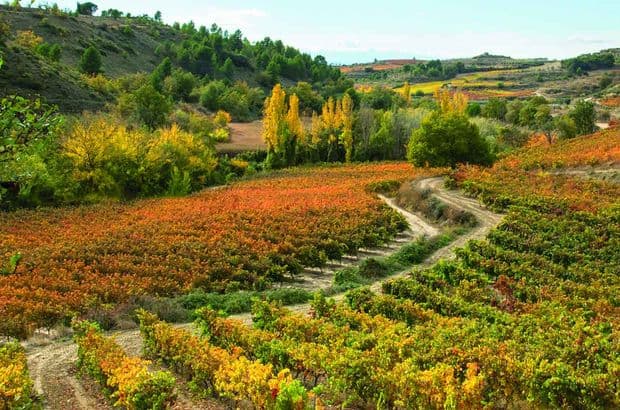
Rioja is defined by its strict DOCa regulations, mandating aging periods that create complex and age-worthy wines. This Spanish appellation is renowned for its Tempranillo-based reds, offering a spectrum of flavors from vibrant fruit to deep, earthy notes.

Collections/Countries/Spain/Rioja/Rioja

About Rioja

Rioja, Spain's most prestigious wine appellation, is celebrated for its rigorous DOCa regulations that ensure quality and authenticity. Known primarily for its red wines, Rioja's dominant grape, Tempranillo, is often blended with Garnacha, Mazuelo, and Graciano to create wines of remarkable depth and complexity. The region's wines are categorized into Crianza, Reserva, and Gran Reserva, each with specific aging requirements that develop their unique profiles. Producers like Bodegas Faustino, La Rioja Alta, and Marqués de Cáceres are renowned for crafting wines that embody the essence of Rioja. These wines range from vibrant, fruit-forward expressions to more mature, oak-influenced styles. For those seeking the best Rioja wines, Bodegas Muga and CVNE offer exceptional selections that highlight the region's diverse terroir and winemaking prowess. Rioja wines are versatile, pairing beautifully with a range of dishes from grilled meats to rich stews. Whether you're exploring entry-level options or investing in premium bottles, Rioja offers something for every palate and occasion. With a rich history and a commitment to quality, Rioja remains a top choice for wine enthusiasts worldwide.

Regulations & Standards

Rioja's DOCa regulations are among the strictest in Spain, ensuring high-quality wines. Red wines are classified into Crianza, Reserva, and Gran Reserva, each with specific aging requirements: Crianza must age for at least two years, with one year in oak; Reserva requires three years, with one year in oak; Gran Reserva demands five years, with two years in oak. These rules guarantee that Rioja wines develop their characteristic complexity and longevity.

Grape Varieties

Rioja's wines are predominantly made from Tempranillo, a grape that thrives in the region's varied climate and soils, offering structure and elegance. Garnacha (Grenache) is often blended to add body and fruitiness, while Mazuelo (Carignan) and Graciano contribute acidity and aromatic complexity. White Rioja wines feature Viura (Macabeo), which provides freshness and floral notes. These varieties are carefully regulated to maintain the appellation's high standards and distinctive character.

Soil Composition

Rioja's soils are diverse, with three main types influencing the wine styles: calcareous clay, alluvial, and ferrous clay. The calcareous clay soils, found in Rioja Alavesa, contribute to wines with finesse and elegance. Alluvial soils, prevalent in Rioja Alta, produce wines with balanced acidity and fruit. Ferrous clay, common in Rioja Oriental, imparts richness and intensity. This diversity allows for a wide range of expressions within the Rioja appellation.

Climate Characteristics

The climate in Rioja is a unique blend of Atlantic, Continental, and Mediterranean influences. This results in warm summers and mild winters, with significant diurnal temperature variations that help preserve acidity and develop complex flavors in the grapes. The region's climate supports a long growing season, allowing grapes to ripen fully while maintaining freshness and balance. These conditions are ideal for producing age-worthy wines with depth and character.

Production Standards

Winemaking in Rioja adheres to traditional methods, with a strong emphasis on oak aging. American and French oak barrels are commonly used to impart flavors of vanilla, spice, and toast. Modern techniques are also employed to enhance fruit expression and balance. The combination of tradition and innovation allows Rioja producers to craft wines that are both classic and contemporary, appealing to a wide range of palates.

On this page

  • About Rioja
  • Regulations & Standards
  • Grape Varieties
  • Soil Composition
  • Climate Characteristics
  • Production Standards

Frequently Asked Questions

What types of wine does Rioja produce?
Rioja is renowned for its red wines, primarily made from the Tempranillo grape. The region also produces white wines from Viura and other varieties, as well as rosé wines. Rioja wines are classified into four categories: Rioja, Crianza, Reserva, and Gran Reserva, each indicating the aging process and quality.
What is the difference between Rioja Crianza and Reserva?
Rioja Crianza wines are aged for at least two years, with a minimum of one year in oak barrels. Reserva wines, on the other hand, are aged for at least three years, with at least one year in oak. Reserva wines generally have more complexity and depth due to the extended aging process.
How should I serve Rioja red wine?
Rioja red wines are best served at a temperature between 16-18°C (60-65°F) to enhance their flavors and aromas. Decanting the wine for about an hour before serving can also help to open up the bouquet, especially for older Reserva and Gran Reserva wines.
What food pairs well with Rioja wine?
Rioja red wines pair excellently with grilled meats, lamb, and hearty stews due to their robust flavors. White Rioja wines complement seafood, poultry, and creamy pasta dishes. The versatility of Rioja wines makes them suitable for a wide range of cuisines.
Where can I buy authentic Rioja wines online?
Authentic Rioja wines can be purchased from premium online alcohol retailers that specialize in Spanish wines. Look for retailers with a wide selection of Rioja wines, including Crianza, Reserva, and Gran Reserva, and ensure they provide detailed information about the wine's origin and aging process.