-
Capital Spirits Logo

FOR THE THIRSTY

Raise a glass with us #Cheers

FacebookInstagramTikTokYouTube
concierge@capitalspirits.com
AboutLocationsEventsTrack OrderPrivacy PolicyTerms & ConditionsShipping PolicyReturn Policy
VisaMastercardAmerican ExpressApple PayGoogle Pay
Powered by Stripe
© 2026 Capital Spirits. All rights reserved.
APPELLATION

Jerez-Xérès-Sherry Wines

Jerez-Xérès-Sherry is defined by its solera aging system, creating complex, layered wines. This appellation in Andalucia, Spain, is home to renowned producers like González Byass and Emilio Lustau.

Collections/Countries/Spain/Andalucia/Jerez-Xérès-Sherry

About Jerez-Xérès-Sherry

Jerez-Xérès-Sherry, located in the sun-drenched region of Andalucia, Spain, is a wine appellation celebrated for its unique solera aging system. This method imparts a distinctive complexity and depth to the wines, making them a favorite among connoisseurs. The appellation primarily produces fortified wines, with styles ranging from the bone-dry Fino to the lusciously sweet Pedro Ximénez. Key grape varieties include Palomino, Pedro Ximénez, and Moscatel, each contributing to the diverse flavor profiles found in these wines. Notable producers such as González Byass, known for their iconic Tio Pepe, and Emilio Lustau, offer a range of expressions that highlight the region's versatility. Whether you're seeking an entry-level bottle for casual enjoyment or a premium selection for special occasions, Jerez-Xérès-Sherry provides options for every palate and budget. The wines from this appellation are characterized by their nutty, saline notes, often accompanied by dried fruit and spice nuances. These flavors make them an excellent choice for pairing with a variety of foods, from tapas to rich desserts. When searching for the best Jerez-Xérès-Sherry wines, consider the reputation of the producer and the specific style that suits your taste. Choosing Jerez-Xérès-Sherry means embracing a tradition of winemaking excellence. Whether you're a seasoned enthusiast or a curious newcomer, these wines offer a journey through history and flavor that is both educational and delightful.

Regulations & Standards

Jerez-Xérès-Sherry wines must adhere to strict regulations to ensure quality and authenticity. The solera system is a hallmark of production, involving fractional blending of younger wines with older ones to achieve consistency and complexity. Wines labeled as Fino or Manzanilla must be aged under flor yeast, while Oloroso is aged oxidatively. Minimum aging requirements vary, with Finos requiring at least two years and other styles often aged much longer. These regulations ensure the distinctive character and quality of Jerez-Xérès-Sherry wines.

Grape Varieties

The primary grape variety used in Jerez-Xérès-Sherry is Palomino, which forms the backbone of most dry styles such as Fino and Manzanilla. Known for its ability to reflect the terroir, Palomino thrives in the chalky albariza soils of the region. Pedro Ximénez and Moscatel are also significant, particularly in the production of sweet wines. Pedro Ximénez grapes are often sun-dried to concentrate their sugars, resulting in intensely sweet and rich wines. Moscatel, although less common, contributes floral and fruity notes to the blend.

Soil Composition

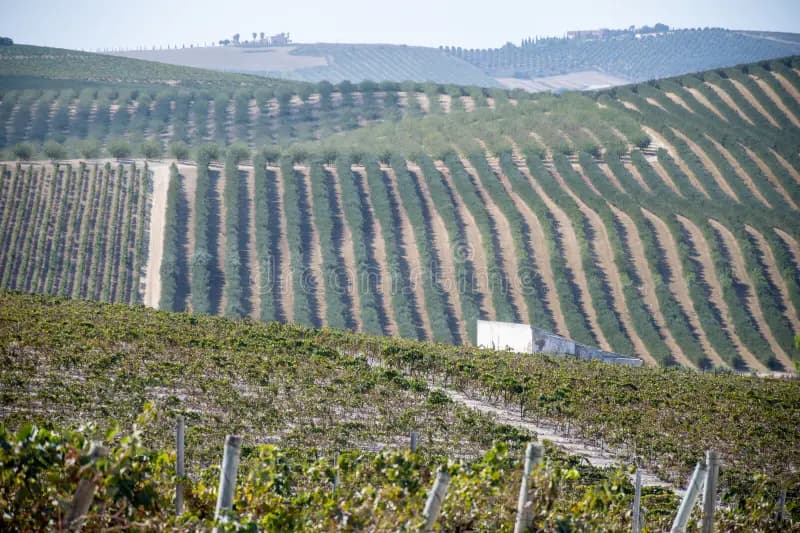
Jerez-Xérès-Sherry is renowned for its albariza soil, a white, chalky limestone that retains moisture and reflects sunlight, crucial for the ripening of grapes in this hot, arid region. This soil type is particularly beneficial for the Palomino grape, enhancing its ability to produce wines with a distinct minerality and salinity. The region also features barros and arenas soils, which are clay and sandy soils respectively, used primarily for growing Pedro Ximénez and Moscatel grapes.

Climate Characteristics

The climate of Jerez-Xérès-Sherry is characterized by hot, dry summers and mild, wet winters, typical of a Mediterranean climate. The region benefits from the cooling Poniente winds from the Atlantic, which help moderate temperatures and maintain humidity levels, essential for the biological aging process of Fino and Manzanilla under flor yeast. This climate allows for the production of wines with balanced acidity and concentrated flavors.

Production Standards

Jerez-Xérès-Sherry production is defined by the solera and criaderas system, a unique aging process that blends wines of different ages to create a consistent product. This method involves stacking barrels in tiers, with younger wines gradually blended into older ones. The use of flor yeast in biological aging adds complexity and distinctive flavors to styles like Fino and Manzanilla. Oxidative aging, used for Oloroso, results in richer, more robust wines.

On this page

  • About Jerez-Xérès-Sherry
  • Regulations & Standards
  • Grape Varieties
  • Soil Composition
  • Climate Characteristics
  • Production Standards

Frequently Asked Questions

What types of Sherry are produced in the Jerez-Xérès-Sherry region?
The Jerez-Xérès-Sherry region produces several types of Sherry, including Fino, Manzanilla, Amontillado, Oloroso, Palo Cortado, and Pedro Ximénez. Each type varies in sweetness, flavor profile, and aging process, offering a diverse range of options for Sherry enthusiasts.
How should I serve and store Sherry from Jerez-Xérès-Sherry?
Sherry should be served chilled, with lighter styles like Fino and Manzanilla best enjoyed at around 7-9°C, while richer styles like Oloroso and Pedro Ximénez can be served slightly warmer. Store Sherry bottles upright in a cool, dark place, and consume them within a week or two after opening for optimal freshness.
What food pairings work well with Jerez-Xérès-Sherry?
Fino and Manzanilla pair excellently with seafood, olives, and light tapas, while Amontillado complements cured meats and aged cheeses. Oloroso and Palo Cortado are ideal with rich stews and game, and sweet Pedro Ximénez is perfect with desserts or as a drizzle over ice cream.
What is the difference between Fino and Oloroso Sherry?
Fino Sherry is a dry, pale wine aged under a layer of yeast called 'flor,' which protects it from oxidation and gives it a crisp, delicate flavor. Oloroso Sherry, on the other hand, is aged without flor, allowing it to oxidize and develop a richer, darker, and more complex profile.
Is Sherry from Jerez-Xérès-Sherry suitable for cocktails?
Yes, Sherry is a versatile ingredient in cocktails, adding depth and complexity. Fino and Manzanilla can be used in refreshing cocktails like Sherry Cobbler, while richer styles like Amontillado and Oloroso are excellent in more robust cocktails such as the Bamboo or Adonis.