-
Capital Spirits Logo

FOR THE THIRSTY

Raise a glass with us #Cheers

FacebookInstagramTikTokYouTube
concierge@capitalspirits.com
AboutLocationsEventsTrack OrderPrivacy PolicyTerms & ConditionsShipping PolicyReturn Policy
VisaMastercardAmerican ExpressApple PayGoogle Pay
Powered by Stripe
© 2026 Capital Spirits. All rights reserved.
APPELLATION

Priorat Wine

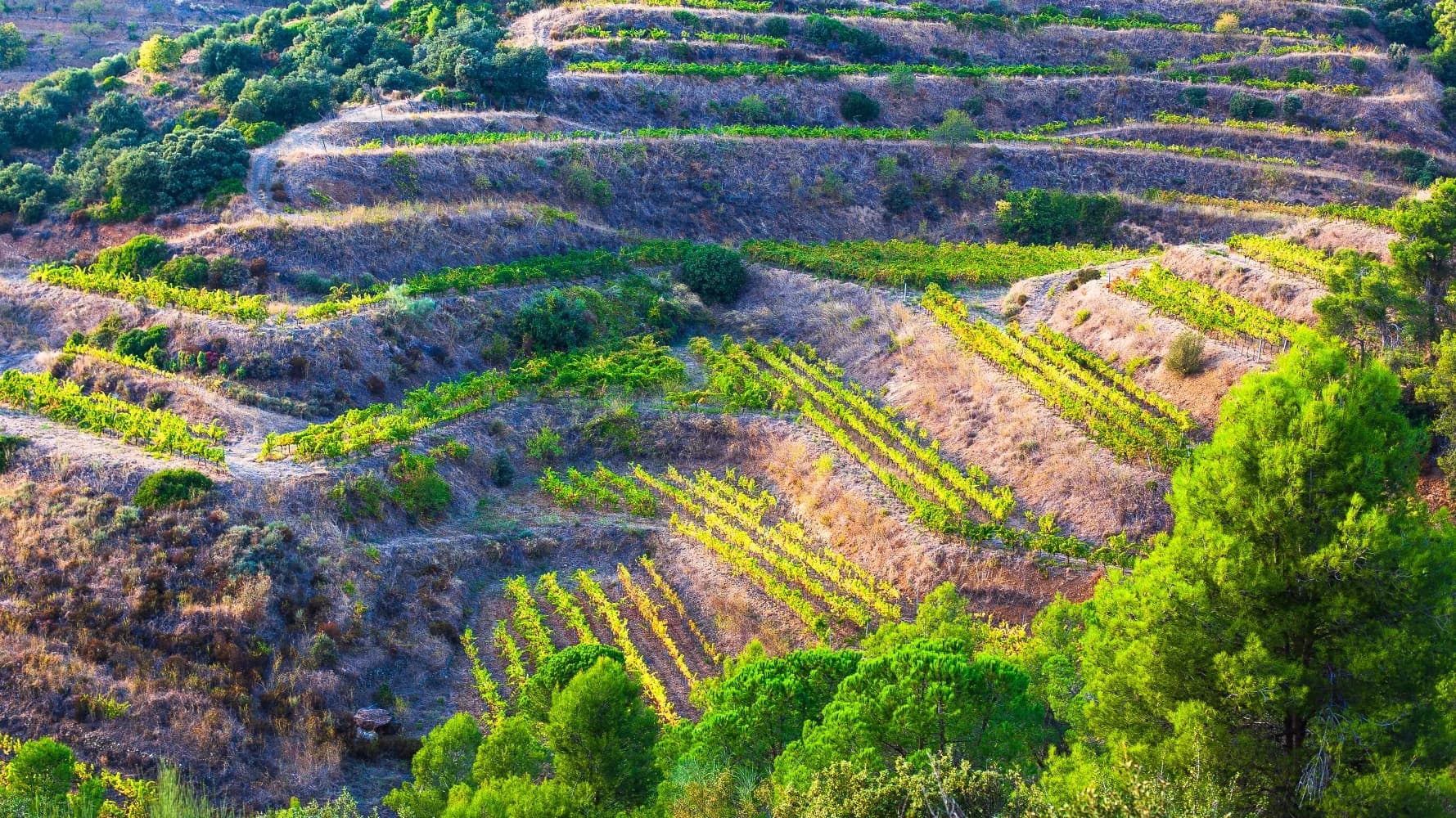
Priorat's distinctive llicorella soils, composed of slate and quartz, impart a unique mineral complexity to its wines. This Catalonian appellation is renowned for its robust reds, primarily crafted from Garnacha and Cariñena.

Collections/Countries/Spain/Catalonia/Priorat

About Priorat

Priorat, a prestigious wine appellation in Catalonia, Spain, is celebrated for its powerful and complex red wines. The region's defining characteristic is its llicorella soils, a unique blend of slate and quartz that contributes to the intense minerality and depth found in its wines. Dominated by Garnacha (Grenache) and Cariñena (Carignan), Priorat wines are known for their rich flavors, robust structure, and age-worthiness. Notable producers such as Alvaro Palacios and Familia Torres have elevated Priorat's reputation on the global stage, offering wines that range from accessible to highly collectible. These wines often exhibit flavors of dark fruit, licorice, and a distinctive earthy minerality, making them a favorite among connoisseurs seeking bold and expressive profiles. The price of Priorat wines can vary significantly, with entry-level bottles providing excellent value and premium offerings showcasing the pinnacle of winemaking artistry. When choosing Priorat, buyers should consider the region's reputation for quality and the unique terroir that defines its wines. Whether you're exploring the best Priorat wines or seeking a comprehensive Priorat wine guide, this appellation offers a compelling choice for those who appreciate depth and complexity in their wines.

Regulations & Standards

Priorat wines are governed by strict DOCa regulations, ensuring high quality and authenticity. Red wines must be made primarily from Garnacha and Cariñena, with a minimum alcohol content of 13.5%. Aging requirements vary, with Crianza wines requiring at least two years of aging, including six months in oak, while Reserva and Gran Reserva wines demand longer periods. These regulations help maintain the appellation's reputation for producing powerful, age-worthy wines.

Grape Varieties

Priorat is predominantly planted with Garnacha (Grenache) and Cariñena (Carignan), which thrive in the region's challenging terroir. These varieties are well-suited to the hot, dry climate and the nutrient-poor llicorella soils, producing wines with concentrated flavors and robust tannins. Garnacha contributes ripe fruit and spice notes, while Cariñena adds structure and acidity, resulting in balanced, age-worthy wines. Other varieties like Syrah, Cabernet Sauvignon, and Merlot are also permitted, often used in blends to enhance complexity and depth.

Soil Composition

The soils of Priorat are famously composed of llicorella, a type of slate mixed with quartz. This soil is poor in nutrients but excellent for drainage, forcing vines to root deeply and struggle, which enhances the concentration and complexity of the grapes. The llicorella imparts a distinctive mineral character to the wines, contributing to their unique identity and appeal. This challenging soil type is a crucial factor in the intensity and longevity of Priorat wines.

Climate Characteristics

Priorat's climate is characterized by hot, dry summers and cool, wet winters, typical of a Mediterranean climate. The region benefits from significant diurnal temperature variation, which helps to preserve acidity in the grapes, balancing the wines' rich fruit flavors. The intense sunlight and limited rainfall contribute to low yields and concentrated fruit, essential for the full-bodied and robust wines that Priorat is known for.

Production Standards

Winemaking in Priorat often involves traditional methods, including hand-harvesting and low intervention in the cellar to preserve the natural expression of the terroir. Many producers use open-top fermentation and extended maceration to extract maximum color and flavor. Oak aging, typically in French barrels, is common, adding complexity and structure to the wines. These practices ensure that Priorat wines remain true to their origins, offering a genuine taste of the region.

On this page

  • About Priorat
  • Regulations & Standards
  • Grape Varieties
  • Soil Composition
  • Climate Characteristics
  • Production Standards

Frequently Asked Questions

What types of wine does Priorat produce?
Priorat is renowned for its powerful red wines, primarily made from Garnacha (Grenache) and Cariñena (Carignan) grapes. These wines are known for their rich flavors, high alcohol content, and excellent aging potential.
What makes Priorat wines unique?
Priorat wines are unique due to the region's distinctive llicorella soil, a type of slate and quartz that imparts mineral complexity to the wines. The region's steep vineyards and old vines also contribute to the intense concentration and depth of flavor.
How much do Priorat wines typically cost?
Priorat wines are often considered premium due to their quality and limited production, with prices typically ranging from $30 to over $100 per bottle. The cost reflects the labor-intensive viticulture and the reputation of the region.
What food pairs well with Priorat red wines?
Priorat red wines pair excellently with hearty dishes such as grilled meats, stews, and aged cheeses. Their robust structure and rich flavors complement the boldness of these foods.
How long can I age a bottle of Priorat wine?
Many Priorat wines have excellent aging potential, often improving over 10 to 20 years. The high tannin and acidity levels, along with the concentrated fruit flavors, allow these wines to develop complexity over time.