-
Capital Spirits Logo

FOR THE THIRSTY

Raise a glass with us #Cheers

FacebookInstagramTikTokYouTube
concierge@capitalspirits.com
AboutLocationsEventsTrack OrderPrivacy PolicyTerms & ConditionsShipping PolicyReturn Policy
VisaMastercardAmerican ExpressApple PayGoogle Pay
Powered by Stripe
© 2026 Capital Spirits. All rights reserved.
APPELLATION

Rias Baixas Wine

Rias Baixas is defined by its Albariño grape, producing crisp, aromatic wines with vibrant acidity. This Galician appellation is a haven for white wine enthusiasts.

Collections/Countries/Spain/Galicia/Rias Baixas

About Rias Baixas

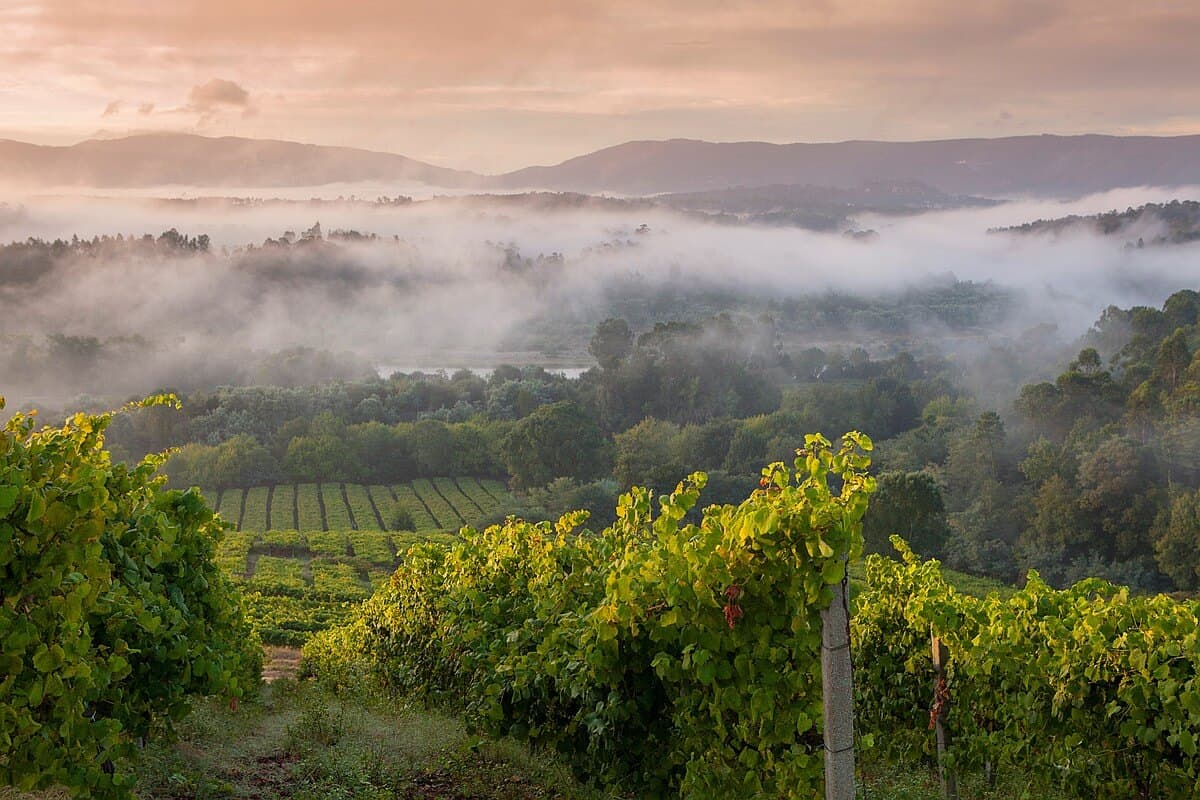
Rias Baixas, located in the verdant region of Galicia, Spain, is synonymous with the Albariño grape, which dominates its wine production. Known for producing some of the world's finest white wines, Rias Baixas offers a unique combination of maritime climate, granitic soils, and traditional winemaking techniques that result in wines with exceptional freshness and aromatic complexity. Buyers seeking the best Rias Baixas wines should explore offerings from esteemed producers like Granbazán, Viña Nora, and Terras Gauda, known for their commitment to quality and expression of terroir. The flavor profile of Rias Baixas wines is characterized by bright citrus notes, stone fruit, and a distinctive minerality, making them perfect for pairing with seafood and light Mediterranean dishes. The price range for these wines varies, with entry-level bottles offering excellent value, while premium selections from producers like Pazo Señorans and Familia Torres provide a more complex and refined experience. Choosing Rias Baixas means embracing a wine region that values tradition and innovation, producing wines that are not only refreshing but also deeply reflective of their coastal origins. Whether you're a seasoned wine enthusiast or new to the world of Albariño, Rias Baixas offers a diverse range of wines that cater to all palates and occasions.

Regulations & Standards

Rias Baixas is a Denominación de Origen (DO) with strict regulations to ensure quality and authenticity. Wines must be produced from grapes grown within the designated subzones, with Albariño being the primary variety. The DO mandates specific yield limits to maintain quality, and wines must meet rigorous tasting panel standards before receiving the Rias Baixas designation. These regulations ensure that each bottle reflects the unique characteristics of the region, maintaining its reputation for producing world-class white wines.

Grape Varieties

Rias Baixas is predominantly known for the Albariño grape, which accounts for over 90% of the region's production. This variety thrives in the cool, damp climate of Galicia, producing wines with high acidity and aromatic intensity. Other permitted grape varieties include Loureiro, Treixadura, and Caiño Blanco, which are often blended with Albariño to add complexity and depth. These grapes contribute to the floral and fruity characteristics that define Rias Baixas wines, making them highly sought after by white wine aficionados.

Soil Composition

The soils of Rias Baixas are primarily granitic, with a sandy top layer that provides excellent drainage, essential for the region's high rainfall. This granitic composition imparts a distinct minerality to the wines, enhancing their crispness and freshness. The combination of these well-drained soils and the maritime climate allows the Albariño grape to develop its characteristic bright acidity and aromatic profile, making Rias Baixas wines uniquely expressive of their terroir.

Climate Characteristics

Rias Baixas enjoys a cool, Atlantic climate with high humidity and significant rainfall, particularly during the winter months. This maritime influence moderates temperatures, preventing extreme heat and allowing for a long growing season. The cool climate is ideal for preserving the natural acidity and aromatic qualities of the Albariño grape, resulting in wines that are fresh, vibrant, and intensely aromatic. This climate also contributes to the development of complex flavors and a balanced structure in the wines.

Production Standards

Winemaking in Rias Baixas emphasizes minimal intervention to preserve the natural characteristics of the Albariño grape. Producers often employ stainless steel fermentation to enhance the wine's freshness and aromatic purity. Some winemakers, such as those at Pazo Señorans and Lagar de Cervera, may use lees aging to add texture and complexity. These techniques, combined with careful vineyard management, ensure that Rias Baixas wines are both expressive and true to their coastal origins.

On this page

  • About Rias Baixas
  • Regulations & Standards
  • Grape Varieties
  • Soil Composition
  • Climate Characteristics
  • Production Standards

Frequently Asked Questions

What type of wine is Rias Baixas known for?
Rias Baixas is renowned for its Albariño wine, a white varietal that thrives in the region's cool, coastal climate. This wine is celebrated for its crisp acidity, vibrant citrus flavors, and aromatic floral notes.
How should I serve Rias Baixas Albariño wine?
Rias Baixas Albariño is best served chilled, ideally between 45-50°F (7-10°C). This temperature enhances its refreshing acidity and allows its delicate fruit and floral aromas to shine.
What foods pair well with Rias Baixas Albariño?
Albariño from Rias Baixas pairs excellently with seafood, which is abundant in the region. It complements dishes like grilled fish, shellfish, and sushi, as well as light salads and tangy cheeses.
How long can I store Rias Baixas Albariño wine?
While Albariño is generally enjoyed young to appreciate its fresh and vibrant character, high-quality bottles from Rias Baixas can age for up to 3-5 years. Proper storage in a cool, dark place will help maintain its quality.
What makes Rias Baixas a unique wine region?
Rias Baixas is unique due to its Atlantic influence, which provides a cool and humid climate ideal for growing Albariño grapes. The region's granitic soils and traditional trellising methods also contribute to the distinctive minerality and freshness of its wines.