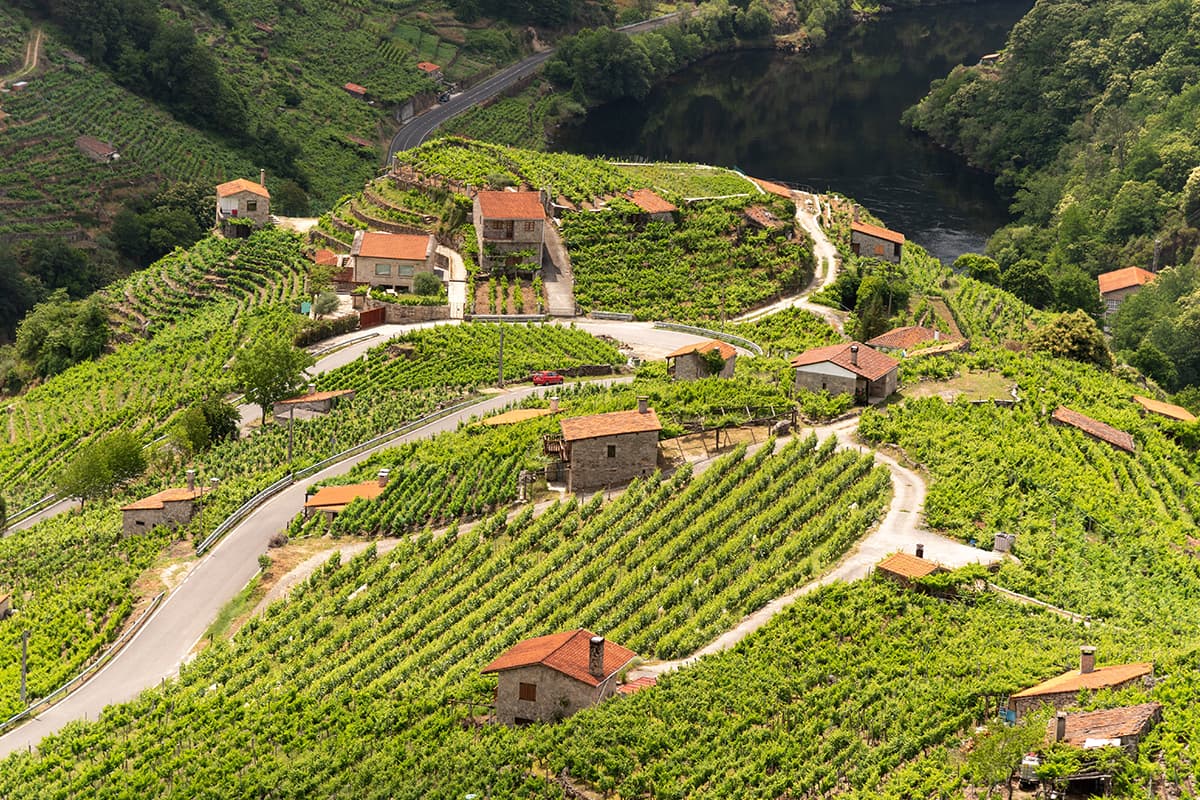
-
Capital Spirits Logo

FOR THE THIRSTY

Raise a glass with us #Cheers

FacebookInstagramTikTokYouTube
concierge@capitalspirits.com
AboutLocationsEventsTrack OrderPrivacy PolicyTerms & ConditionsShipping PolicyReturn Policy
VisaMastercardAmerican ExpressApple PayGoogle Pay
Powered by Stripe
© 2026 Capital Spirits. All rights reserved.
REGION

Galicia Wine

Galicia's Atlantic breezes and granite-rich soils create vibrant Albariño and Godello wines with a distinct minerality. Discover offerings from esteemed producers like Granbazán and Terras Gauda.

Collections/Countries/Spain/Galicia

About Galicia

Galicia, nestled in the northwest corner of Spain, is a region where the Atlantic Ocean's influence is deeply felt in every glass of wine. Known for its lush landscapes and rugged coastline, Galicia produces wines that are as vibrant and refreshing as its scenery. The region's signature grape, Albariño, thrives in the Rías Baixas sub-region, producing wines with bright acidity and citrus notes. Godello, another prominent variety, offers a fuller body and stone fruit flavors, particularly from producers like Bodegas Avancia and Dominio do Bibei. Galicia's unique terroir, characterized by granite and schist soils, imparts a distinctive minerality to its wines, making them a favorite among connoisseurs seeking complexity and elegance. With a rich tapestry of producers such as Granbazán, Terras Gauda, and Martin Códax, Galicia offers a diverse range of wines that reflect the region's maritime climate and winemaking heritage. Whether you're a seasoned wine enthusiast or a curious newcomer, Galicia's wines promise an unforgettable tasting experience.
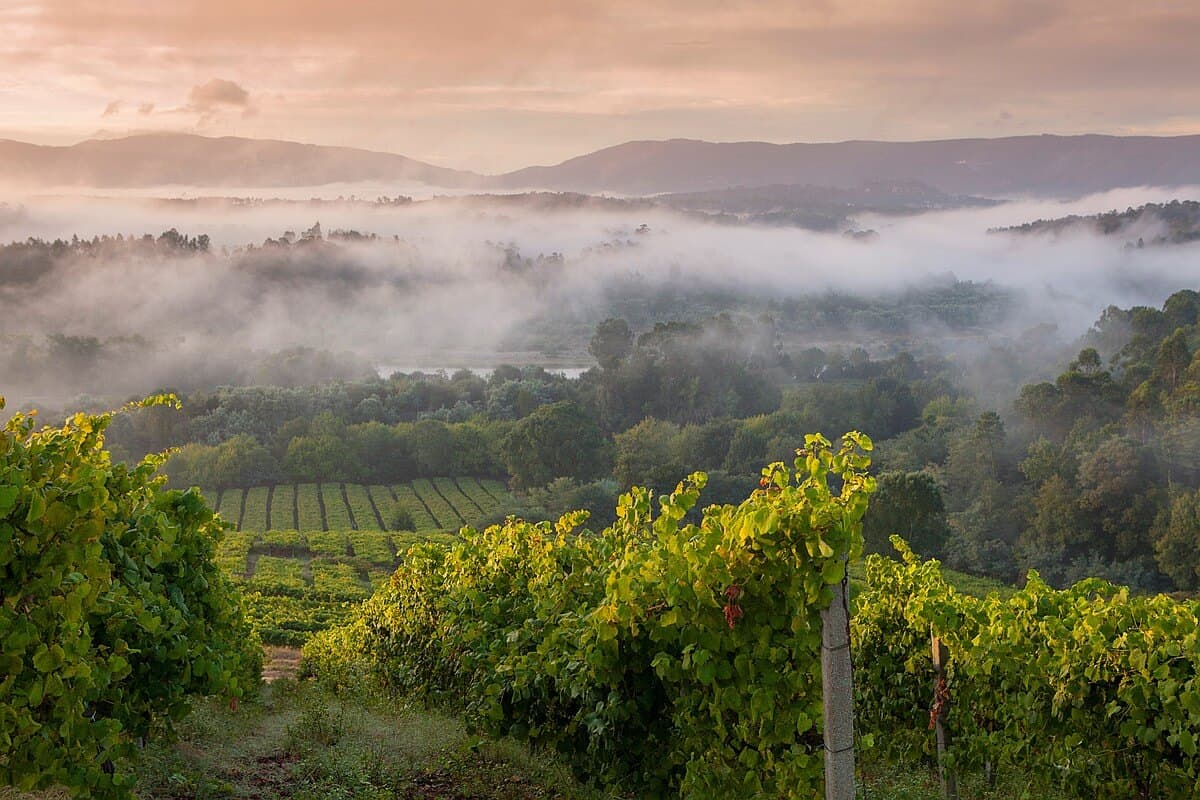
Climate & Terroir of Galicia

Galicia's climate is heavily influenced by the Atlantic Ocean, providing a cool, damp environment that is ideal for growing white grape varieties. The region's soils are predominantly granite and schist, which contribute to the crisp acidity and mineral-driven profiles of its wines. The rolling hills and coastal breezes help maintain a balanced ripening process, ensuring that the grapes retain their natural acidity and aromatic intensity. This unique combination of climate and terroir results in wines that are fresh, vibrant, and expressive of their maritime origins.

Winemaking Traditions

Galicia's winemaking traditions are deeply rooted in its Celtic and Roman past, with viticulture dating back centuries. The region is known for its meticulous vineyard management and traditional winemaking techniques that emphasize the natural characteristics of the grapes. Hand-harvesting is common, allowing for careful selection of the best fruit. Many producers, such as Raul Perez and Bodegas Fulcro, focus on minimal intervention in the winery, letting the unique terroir shine through in the final product. This commitment to quality and authenticity has helped Galicia establish a reputation for producing some of Spain's most distinctive and sought-after wines.

Notable Producers in Galicia

Galicia is home to a vibrant community of producers who are dedicated to crafting wines that reflect the region's unique terroir. Notable names include Granbazán, known for its expressive Albariño, and Terras Gauda, which produces a range of aromatic whites. Bodegas Albamar and Dominio do Bibei are celebrated for their innovative approaches and commitment to quality. Other esteemed producers like Bodegas Avancia and Martin Códax continue to elevate Galicia's reputation on the global wine stage. Each of these producers brings a unique perspective and passion to their craft, contributing to the rich tapestry of Galician wine.

Food Pairings

Galicia's wines are a natural match for the region's seafood-rich cuisine. Albariño, with its bright acidity and citrus notes, pairs beautifully with shellfish, such as oysters and clams. Godello's fuller body and stone fruit flavors complement grilled fish and creamy seafood dishes. For a traditional Galician experience, try pairing these wines with pulpo a la gallega (Galician-style octopus) or empanadas filled with seafood. The wines' refreshing qualities also make them an excellent choice for cutting through the richness of cheeses and charcuterie.

History of Galicia

The history of winemaking in Galicia is a testament to the region's resilience and adaptability. Viticulture in Galicia dates back to Roman times, when the first vineyards were planted. Over the centuries, the region has faced numerous challenges, including phylloxera and economic hardships, but its winemakers have persevered, drawing on a rich heritage of traditional practices. The late 20th century saw a renaissance in Galician winemaking, with a renewed focus on quality and innovation. This period marked the rise of Albariño as the flagship grape of the Rías Baixas, propelling Galicia onto the international wine scene. Today, Galicia's wines are celebrated for their unique expression of terroir and their ability to capture the essence of this rugged, maritime region.

On this page

  • About Galicia
  • Climate & Terroir of Galicia
  • Winemaking Traditions
  • Notable Producers in Galicia
  • Food Pairings
  • History of Galicia

Frequently Asked Questions

What is Albariño wine from Galicia known for?
Albariño wine from Galicia is renowned for its crisp acidity and vibrant citrus flavors, often with hints of peach and apricot. It is primarily produced in the Rías Baixas region, where the cool Atlantic climate contributes to its refreshing character.
Which regions in Galicia are famous for wine production?
Galicia's most famous wine-producing regions include Rías Baixas, known for Albariño, and Ribeiro, which produces a variety of white and red wines. Other notable regions include Ribeira Sacra, Valdeorras, and Monterrei, each offering unique wines that reflect the diverse terroir of Galicia.
What food pairs well with Albariño wine from Galicia?
Albariño wine pairs exceptionally well with seafood, which is abundant in Galicia, such as oysters, mussels, and grilled fish. Its acidity and fruitiness also complement light salads and dishes with citrus-based sauces.
Are there any spirits unique to Galicia?
Yes, Galicia is known for Orujo, a traditional spirit made from the distillation of grape pomace. This potent spirit is often enjoyed as a digestif and can be found in various flavored versions, including herbal and coffee-infused varieties.
How does the climate in Galicia affect its wine production?
Galicia's climate, characterized by its Atlantic influence, provides ample rainfall and moderate temperatures, which are ideal for growing white grape varieties like Albariño. The diverse microclimates across its regions also allow for the cultivation of various grape types, contributing to the complexity and variety of Galician wines.

Appellations of Galicia

Rias Baixas wines and spirits

Rias Baixas

63

Rias Baixas is defined by its Albariño grape, producing crisp, aromatic wines with vibrant acidity. This Galician appellation is a haven for white wine enthusiasts.