-
Capital Spirits Logo

FOR THE THIRSTY

Raise a glass with us #Cheers

FacebookInstagramTikTokYouTube
concierge@capitalspirits.com
AboutLocationsEventsTrack OrderPrivacy PolicyTerms & ConditionsShipping PolicyReturn Policy
VisaMastercardAmerican ExpressApple PayGoogle Pay
Powered by Stripe
© 2026 Capital Spirits. All rights reserved.
REGION

Valencia Wine

Valencia's sandy soils and Mediterranean climate create wines with vibrant fruit flavors and balanced acidity. Known for Bobal and Monastrell, this region offers a unique Spanish wine experience.

Collections/Countries/Spain/Valencia

About Valencia

Valencia, located on Spain's eastern coast, is a dynamic wine region known for its diverse range of wines. The sandy soils and Mediterranean climate provide an ideal environment for cultivating grape varieties like Bobal and Monastrell, which are central to the region's identity. Bobal, in particular, thrives here, producing wines with deep color, rich fruit flavors, and a hint of spice. Monastrell, another key variety, offers robust wines with intense berry notes and a touch of earthiness. Producers like Kiki & Juan and Enrique Mendoza are at the forefront of Valencia's wine scene, crafting wines that reflect the region's unique terroir. These wines are characterized by their vibrant acidity and well-rounded structure, making them a favorite among wine enthusiasts looking for something distinctively Spanish. Valencia's winemaking tradition is a blend of innovation and respect for the past, resulting in wines that are both modern and rooted in tradition. This balance makes Valencia wines a compelling choice for those seeking authentic Spanish flavors. Whether you're a seasoned wine lover or new to Spanish wines, Valencia offers a diverse array of options that are sure to delight.

Climate & Terroir of Valencia

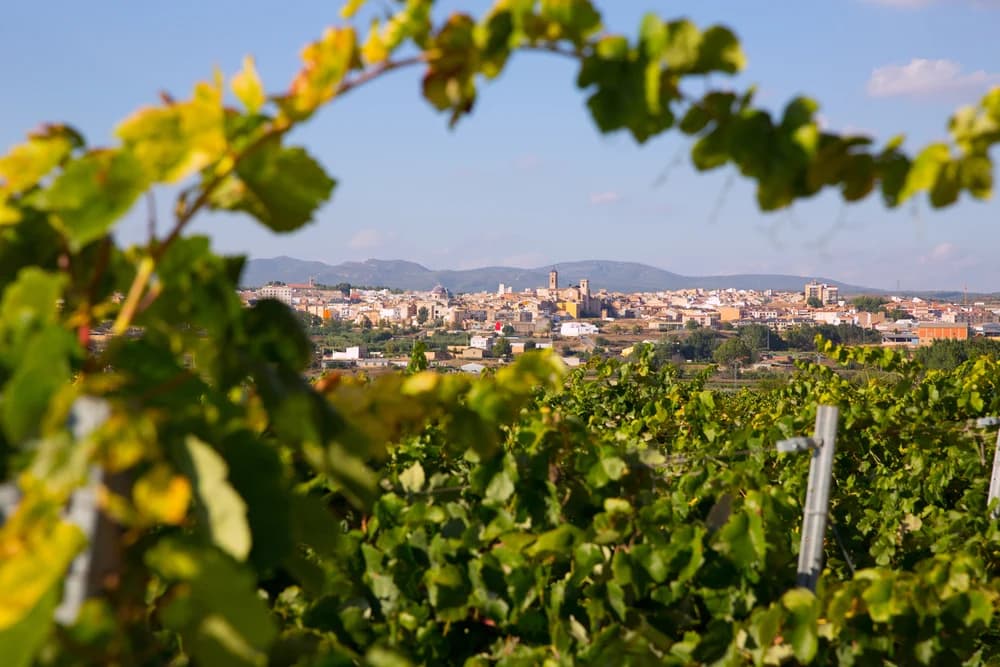
Valencia's climate is predominantly Mediterranean, characterized by warm, dry summers and mild, wet winters. This climate, combined with the region's sandy soils, is ideal for grape growing, particularly for varieties like Bobal and Monastrell. The sandy soils help retain heat, promoting even ripening of the grapes, while the proximity to the sea moderates temperatures, preserving acidity and freshness in the wines. This unique combination of climate and soil contributes to the vibrant fruit flavors and balanced acidity that define Valencia wines.

Winemaking Traditions

Valencia's winemaking traditions are a blend of ancient techniques and modern innovation. Historically, the region has been known for producing bulk wines, but in recent years, there has been a shift towards quality and expression of terroir. Winemakers are increasingly focusing on indigenous grape varieties like Bobal, using both traditional and contemporary methods to enhance the natural characteristics of the grapes. This approach has led to a renaissance in Valencia's wine industry, with a growing reputation for producing distinctive and high-quality wines.

Notable Producers in Valencia

Valencia is home to a number of notable wine producers who are making waves in the industry. Kiki & Juan and Enrique Mendoza are just two examples of producers who are dedicated to showcasing the unique qualities of Valencia's terroir. These producers focus on indigenous grape varieties and employ both traditional and modern winemaking techniques to create wines that are both authentic and innovative. Their commitment to quality and expression of place makes them standout figures in the Valencia wine scene.

Food Pairings

Valencia wines, with their vibrant fruit flavors and balanced acidity, pair beautifully with a variety of dishes. Bobal wines, with their rich berry notes and spice, complement grilled meats and hearty stews. Monastrell's robust character pairs well with roasted lamb and game dishes. For a lighter pairing, try Valencia's white wines with seafood paella or grilled fish, where the wine's acidity and freshness enhance the flavors of the dish.

History of Valencia

The history of winemaking in Valencia dates back to Roman times, with a long tradition of viticulture that has evolved over the centuries. In the past, Valencia was primarily known for producing bulk wines, but the region has undergone significant transformation in recent decades. The focus has shifted towards quality and the expression of local terroir, with an emphasis on indigenous grape varieties like Bobal and Monastrell. This evolution has been driven by a new generation of winemakers who are passionate about showcasing the unique characteristics of Valencia's wines. Today, Valencia is recognized for its vibrant and distinctive wines that reflect both its rich history and modern innovation.

On this page

  • About Valencia
  • Climate & Terroir of Valencia
  • Winemaking Traditions
  • Notable Producers in Valencia
  • Food Pairings
  • History of Valencia

Frequently Asked Questions

What types of wine is Valencia known for?
Valencia is renowned for its diverse range of wines, particularly its robust red wines made from the Bobal grape. The region also produces notable white wines from the Merseguera and Moscatel varieties, offering a unique taste profile that reflects the Mediterranean climate.
Where can I buy authentic Valencian wine online?
Authentic Valencian wines can be purchased from premium online retailers specializing in Spanish wines. Look for platforms that offer a wide selection of wines from the Valencia DO (Denomination of Origin) and provide detailed information about the vineyards and winemaking processes.
What is the best time of year to buy wine from Valencia?
The best time to buy wine from Valencia is typically after the harvest season, which occurs in late summer to early autumn. This is when new vintages are released, offering fresh and vibrant flavors that showcase the year's unique growing conditions.
Are there any unique spirits produced in Valencia?
Yes, Valencia is known for producing a unique spirit called 'Horchata de Chufa,' although it's non-alcoholic. For alcoholic options, the region offers a variety of liqueurs and spirits infused with local ingredients such as herbs and citrus, reflecting the area's rich agricultural heritage.
How does the climate in Valencia affect its wine production?
Valencia's Mediterranean climate, characterized by hot, dry summers and mild, wet winters, significantly influences its wine production. This climate allows for the cultivation of grapes with intense flavors and balanced acidity, contributing to the region's reputation for producing high-quality, aromatic wines.