-
Capital Spirits Logo

FOR THE THIRSTY

Raise a glass with us #Cheers

FacebookInstagramTikTokYouTube
concierge@capitalspirits.com
AboutLocationsEventsTrack OrderPrivacy PolicyTerms & ConditionsShipping PolicyReturn Policy
VisaMastercardAmerican ExpressApple PayGoogle Pay
Powered by Stripe
© 2026 Capital Spirits. All rights reserved.
REGION

Piedmont Wine

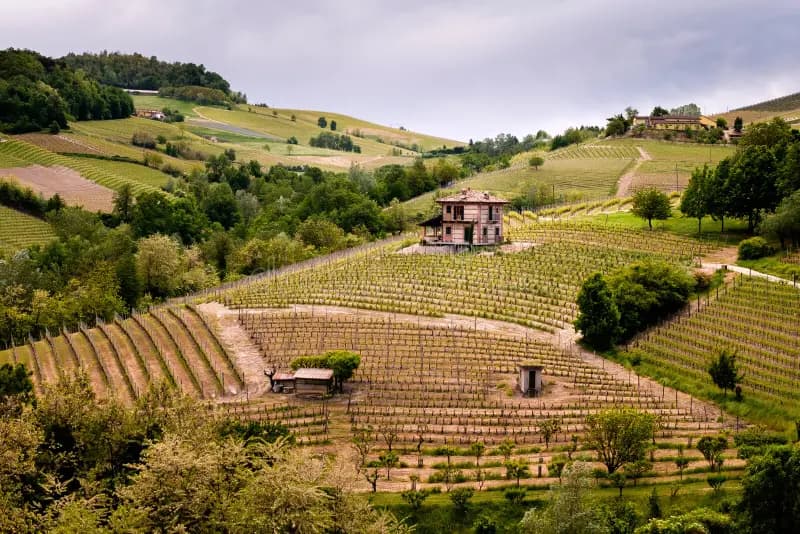
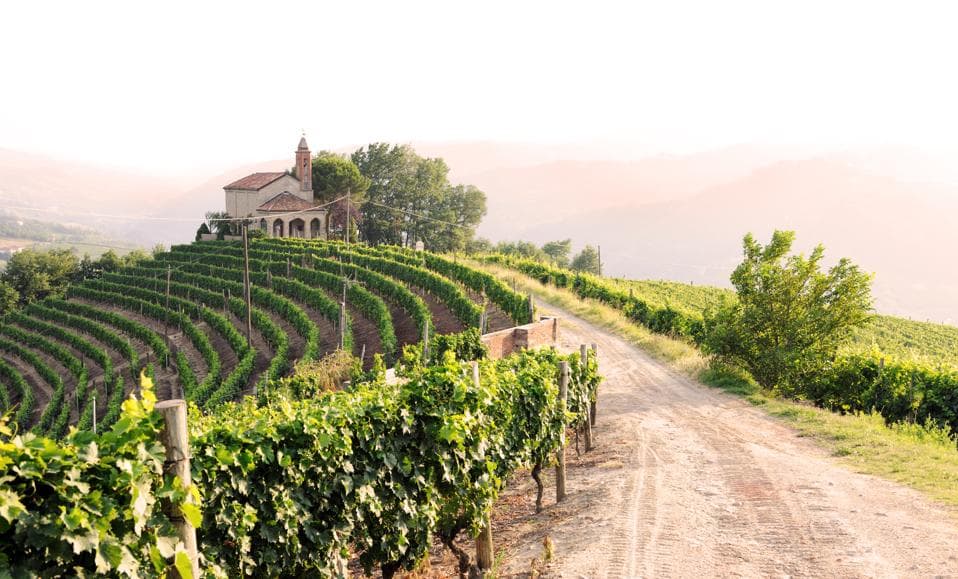
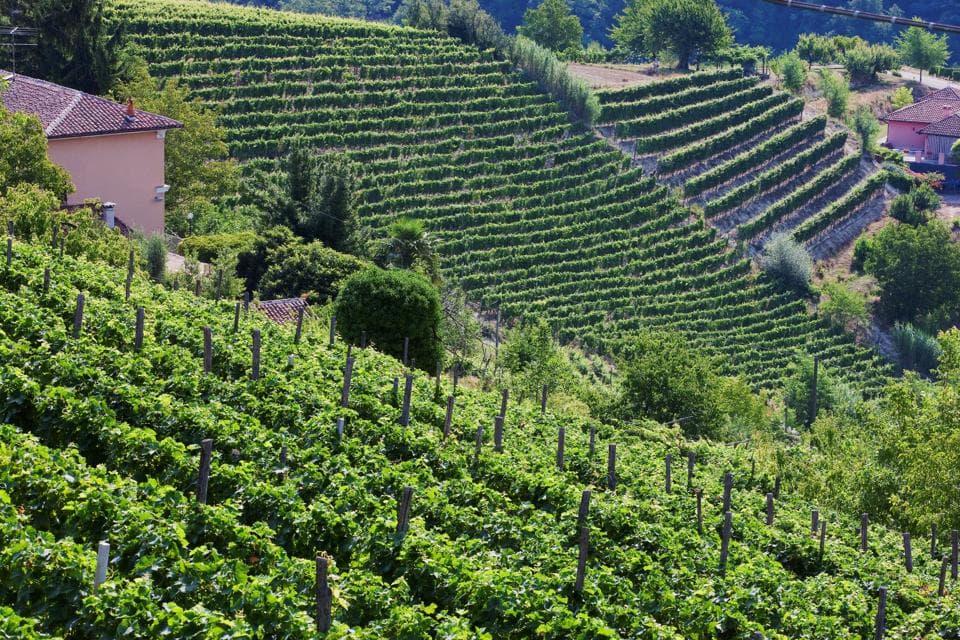
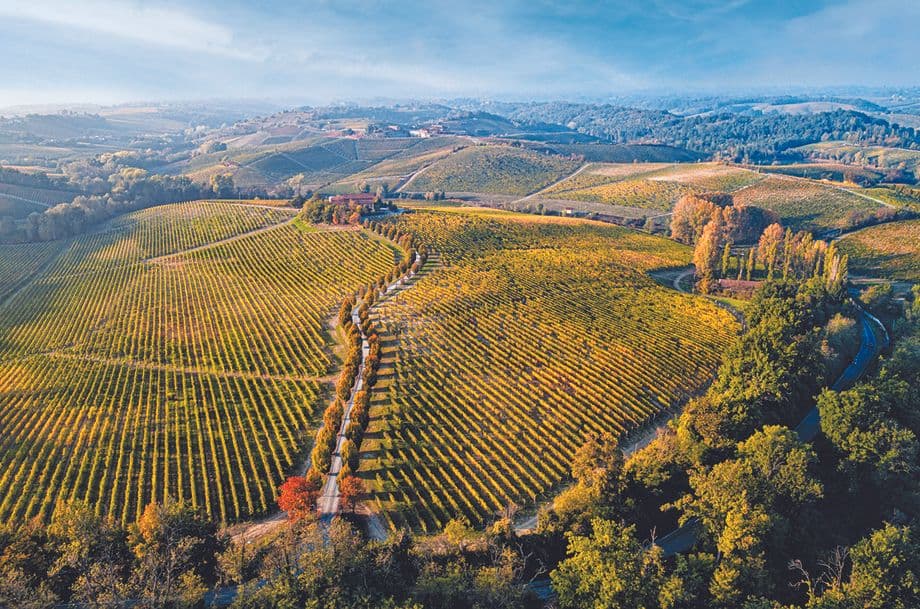
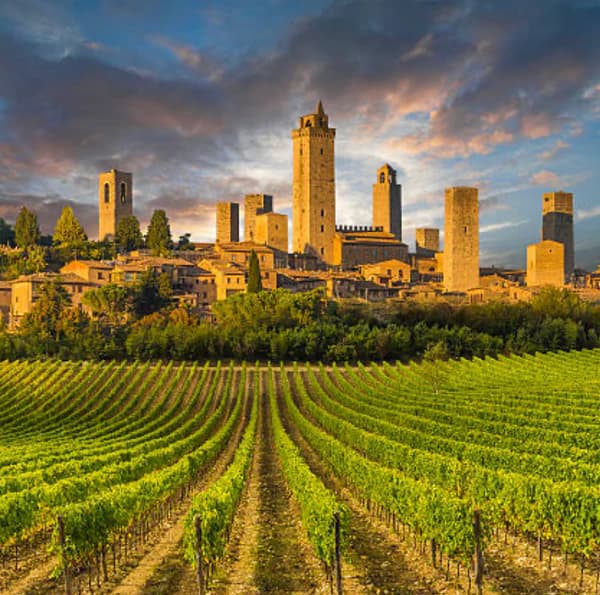
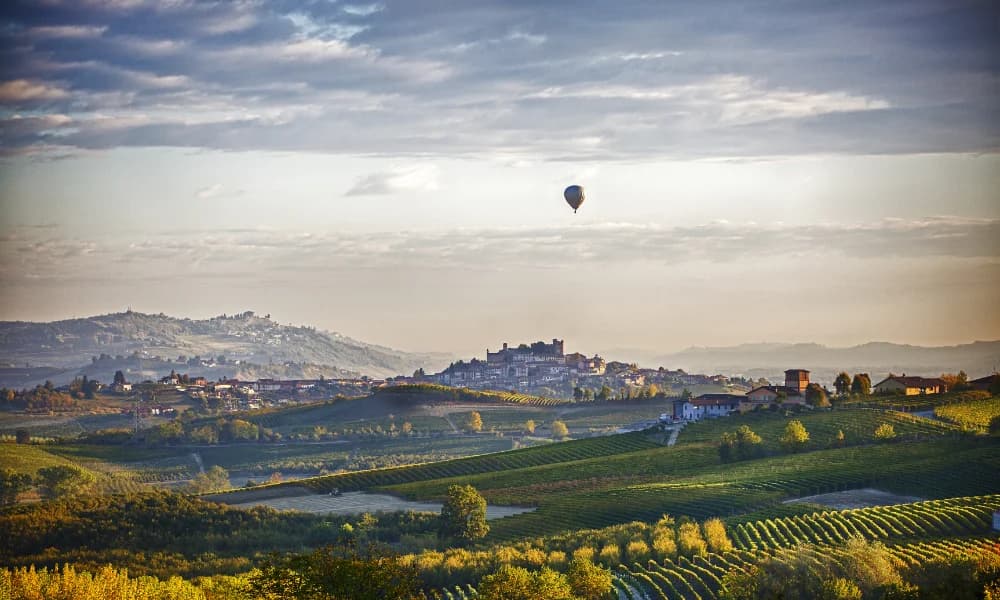
Piedmont's rolling hills and calcareous marl soils are the birthplace of Nebbiolo, producing Barolo and Barbaresco wines of exceptional depth and complexity. Explore offerings from esteemed producers like Gaja and Vietti.

Collections/Countries/Italy/Piedmont

About Piedmont

Nestled in the northwest of Italy, Piedmont is a region celebrated for its exquisite wines, particularly those crafted from the Nebbiolo grape. This grape gives rise to the renowned Barolo and Barbaresco wines, known for their robust tannins, floral aromas, and the ability to age gracefully. Alongside Nebbiolo, Barbera and Dolcetto offer more approachable, everyday drinking options with vibrant acidity and fruit-forward profiles. The region's diverse microclimates and varied topography contribute to the complexity and elegance of its wines. Esteemed producers such as Elvio Cogno, Vietti, and Paolo Scavino continue to uphold the region's reputation for quality. Whether you're a seasoned collector or a curious enthusiast, Piedmont's wines promise a journey through Italy's rich viticultural heritage.
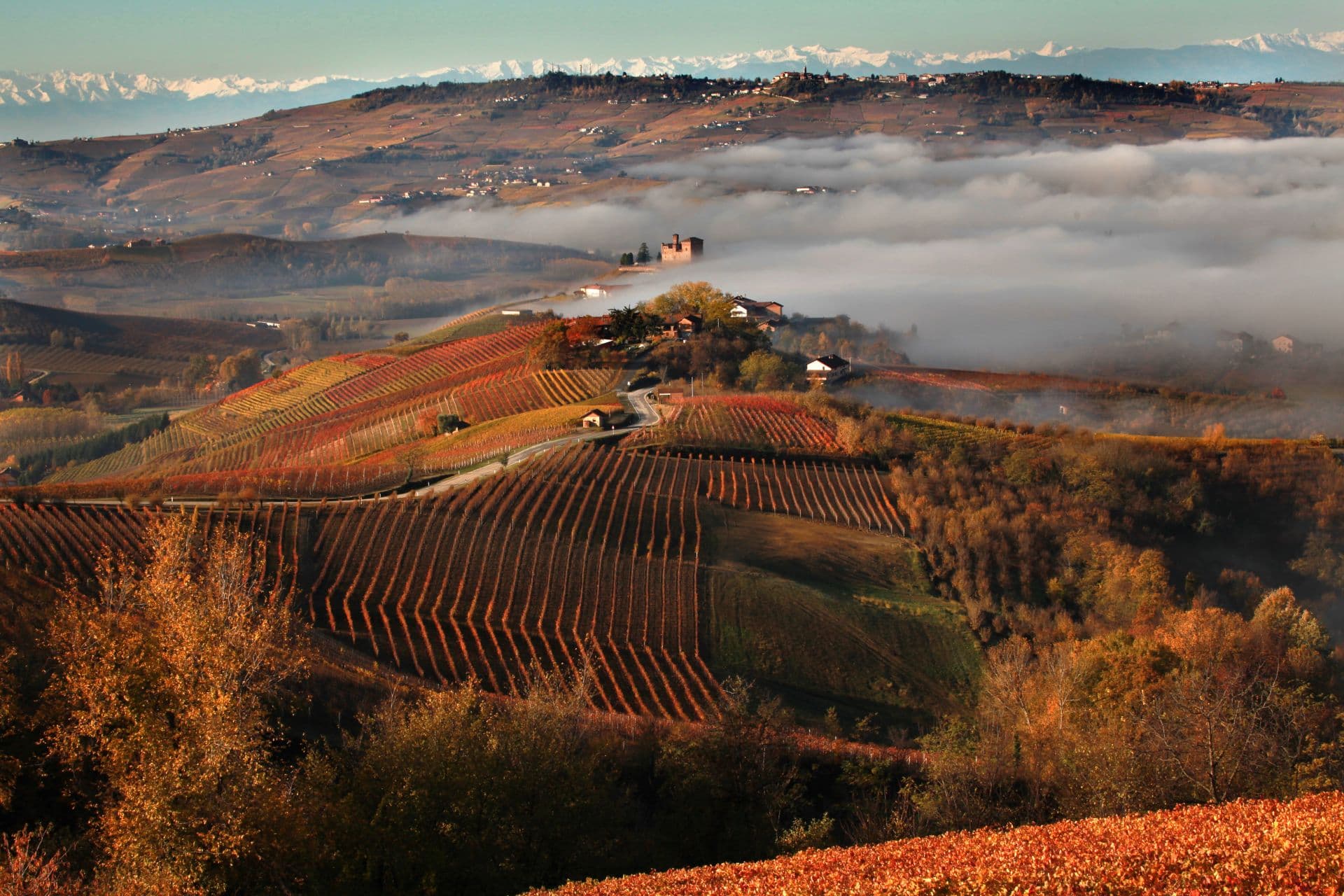
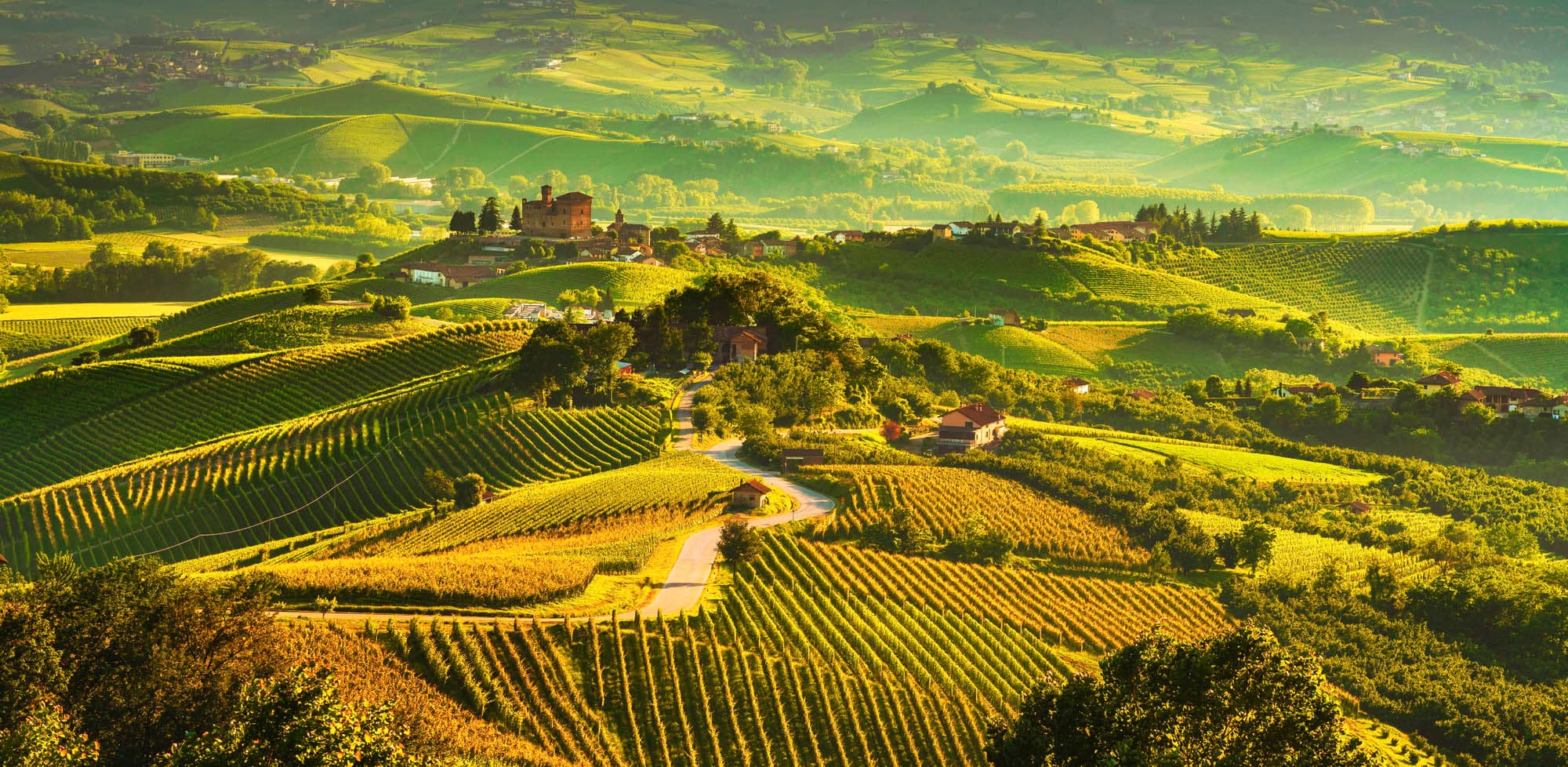
Climate & Terroir of Piedmont

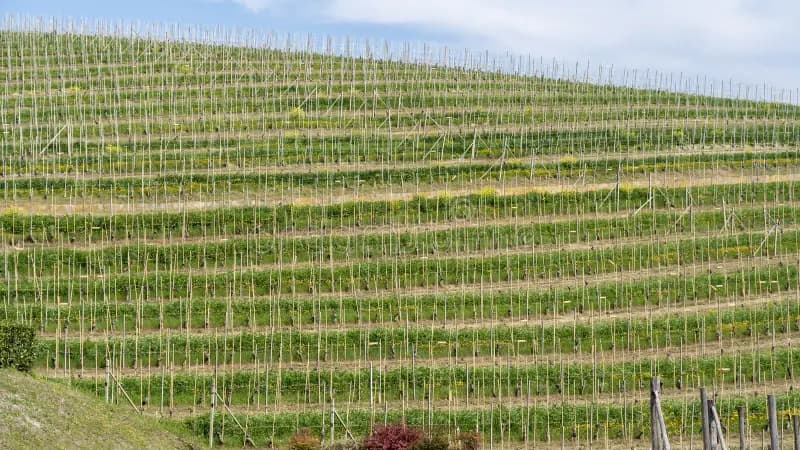
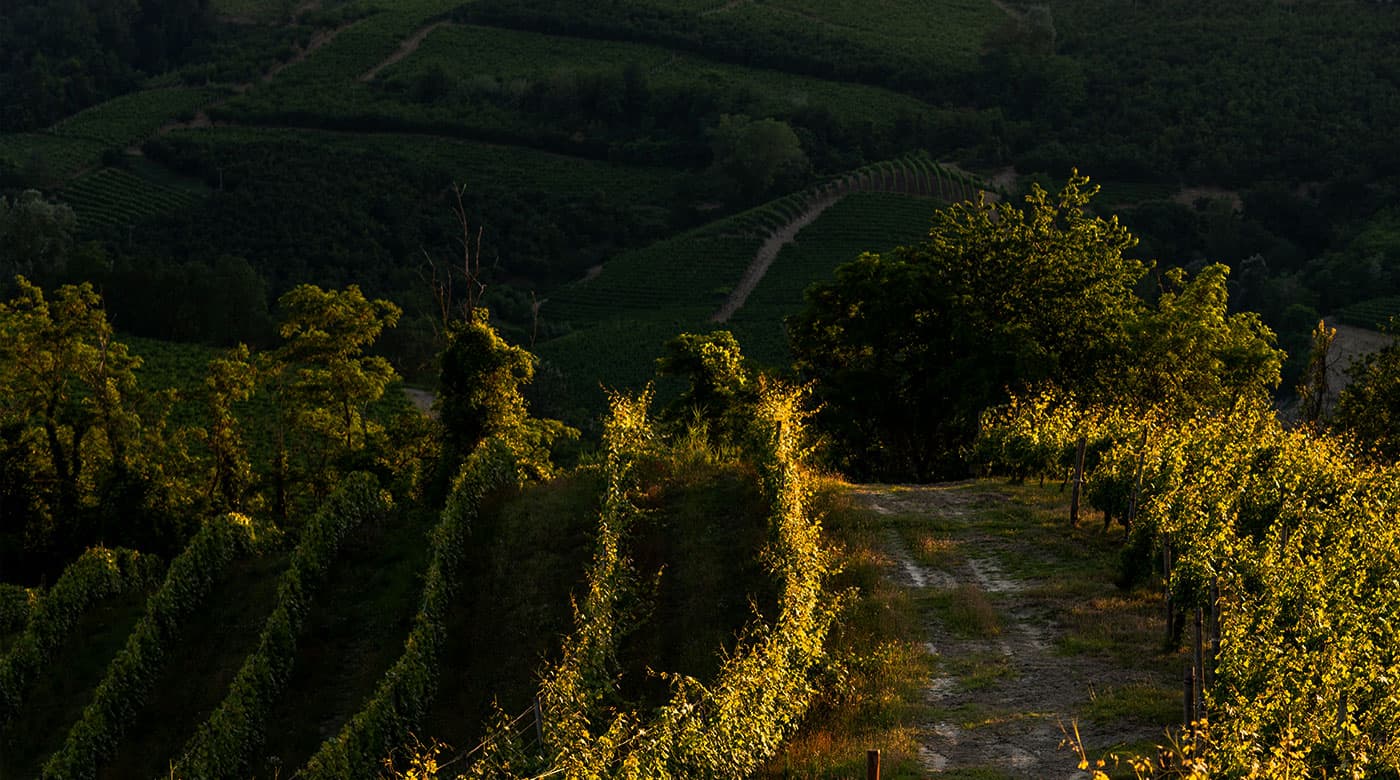
Piedmont's climate is characterized by its continental nature, with hot summers and cold winters. The region's topography, dominated by the Alps to the north and the Apennines to the south, creates a variety of microclimates ideal for viticulture. The calcareous marl and clay soils, particularly in the Langhe and Monferrato areas, are perfect for growing Nebbiolo, Barbera, and Dolcetto. These soils contribute to the wines' structure and complexity, allowing for the production of age-worthy wines with distinctive character.

Winemaking Traditions

Piedmont's winemaking traditions are deeply rooted in its history, with a focus on quality and authenticity. The region is known for its meticulous attention to detail in the vineyard and cellar. Traditional methods, such as extended maceration and aging in large oak casks, are common, particularly for Nebbiolo-based wines. This dedication to tradition ensures that the wines retain their unique identity and express the true essence of Piedmont's terroir. The use of modern techniques alongside traditional practices allows producers to craft wines that are both classic and innovative.

Notable Producers in Piedmont

Piedmont is home to some of Italy's most prestigious wine producers. Names like Gaja, Vietti, and Michele Chiarlo are synonymous with quality and innovation. These producers, along with others like Paolo Scavino and Ceretto, have been instrumental in elevating Piedmont's global reputation. Each brings their own unique style and philosophy, contributing to the region's diverse wine landscape. From the powerful Barolos of Damilano to the elegant Barbarescos of Pio Cesare, Piedmont's producers offer a wealth of choice for wine lovers.

Food Pairings

Piedmont wines are incredibly food-friendly, complementing a wide range of dishes. Barolo and Barbaresco pair beautifully with rich, hearty dishes like braised meats and truffle-infused risottos. Barbera's bright acidity makes it a perfect match for tomato-based pasta dishes and grilled vegetables. Dolcetto, with its soft tannins and fruit-forward nature, is ideal for casual meals like pizza and charcuterie. These wines also pair well with traditional Piedmontese cuisine, enhancing the flavors of local specialties.

History of Piedmont

The history of winemaking in Piedmont dates back to Roman times, with the region's wines gaining international acclaim in the 19th century. The introduction of modern viticultural techniques and the dedication of local producers have played a significant role in shaping Piedmont's wine industry. The region's commitment to quality and tradition has been recognized with numerous DOC and DOCG designations, cementing its status as one of Italy's premier wine regions. Today, Piedmont continues to be a leader in innovation, while honoring its rich heritage.

On this page

  • About Piedmont
  • Climate & Terroir of Piedmont
  • Winemaking Traditions
  • Notable Producers in Piedmont
  • Food Pairings
  • History of Piedmont

Frequently Asked Questions

What are the most famous wines from Piedmont?
Piedmont is renowned for its Barolo and Barbaresco wines, both made from the Nebbiolo grape. These wines are celebrated for their rich flavors, complexity, and aging potential.
What grape varieties are commonly used in Piedmont wines?
Piedmont is famous for the Nebbiolo, Barbera, and Dolcetto grape varieties. Nebbiolo is used in Barolo and Barbaresco, while Barbera and Dolcetto produce more approachable, everyday wines.
How does the climate in Piedmont affect its wine production?
Piedmont's continental climate, with its hot summers and cold winters, contributes to the development of complex flavors in its wines. The region's diverse microclimates and hilly terrain also play a crucial role in the unique characteristics of its wines.
What food pairings are ideal with Piedmont wines?
Barolo and Barbaresco pair well with rich dishes like truffles, game meats, and aged cheeses. Barbera and Dolcetto wines complement pasta, pizza, and grilled meats, offering versatility with everyday meals.
Are there any notable spirits produced in Piedmont?
Piedmont is known for producing Grappa, a traditional Italian spirit made from grape pomace. The region also produces Vermouth di Torino, a fortified and aromatized wine with a long history in Piedmont.

Appellations of Piedmont

10 appellations
Barolo wines and spirits

Barolo

380

Barolo's strict DOCG regulations require aging for a minimum of 38 months, creating wines of remarkable depth and complexity. Known as the 'King of Wines,' Barolo is crafted exclusively from Nebbiolo grapes, offering a unique expression of Piedmont's terroir.

Langhe wines and spirits

Langhe

149

Langhe's diverse terroir allows for a wide range of grape varieties, including Nebbiolo, Barbera, and Dolcetto, producing wines with distinct character and complexity.

Barbaresco wines and spirits

Barbaresco

148

Barbaresco is crafted exclusively from Nebbiolo grapes, showcasing the appellation's unique terroir and aging potential. Known for its elegance and complexity, Barbaresco offers a refined expression of Piedmont's viticultural heritage.

Barbera d'Alba wines and spirits

Barbera d'Alba

85

Barbera d'Alba wines are crafted primarily from the Barbera grape, known for its vibrant acidity and rich fruit flavors. This appellation, nestled in Piedmont, Italy, offers wines that are both approachable and complex, perfect for a variety of occasions.

Moscato d'Asti wines and spirits

Moscato d'Asti

52

Moscato d'Asti is defined by its sweet, aromatic profile, crafted exclusively from the Moscato Bianco grape. This DOCG wine from Piedmont offers a low-alcohol, effervescent delight, perfect for any celebration.

Gavi wines and spirits

Gavi

45

Gavi is defined by its exclusive use of the Cortese grape, producing crisp, mineral-driven wines. This Piedmont appellation is celebrated for its refreshing acidity and delicate floral aromas.

Piemonte wines and spirits

Piemonte

41

Piemonte's Nebbiolo grape is the cornerstone of its prestigious wines, producing Barolo and Barbaresco with complex aromas and robust tannins. This region's diverse microclimates and soils contribute to a wide range of wine styles.

Barbera d'Asti wines and spirits

Barbera d'Asti

39

Barbera d'Asti DOCG mandates at least 85% Barbera grapes, offering vibrant acidity and rich fruit flavors. This appellation, located in Piedmont, Italy, is known for producing wines with a unique balance of freshness and depth.

Dolcetto d'Alba wines and spirits

Dolcetto d'Alba

38

Dolcetto d'Alba wines are crafted from the Dolcetto grape, known for its vibrant fruit flavors and soft tannins. This appellation in Piedmont, Italy, produces wines that are approachable yet complex, offering a delightful drinking experience.

Roero wines and spirits

Roero

33

Roero's sandy soils and unique microclimate foster expressive wines, primarily from Nebbiolo and Arneis grapes. Discover the elegance and complexity of Roero DOCG.