-
Capital Spirits Logo

FOR THE THIRSTY

Raise a glass with us #Cheers

FacebookInstagramTikTokYouTube
concierge@capitalspirits.com
AboutLocationsEventsTrack OrderPrivacy PolicyTerms & ConditionsShipping PolicyReturn Policy
VisaMastercardAmerican ExpressApple PayGoogle Pay
Powered by Stripe
© 2026 Capital Spirits. All rights reserved.
APPELLATION

Dolcetto d'Alba Wines

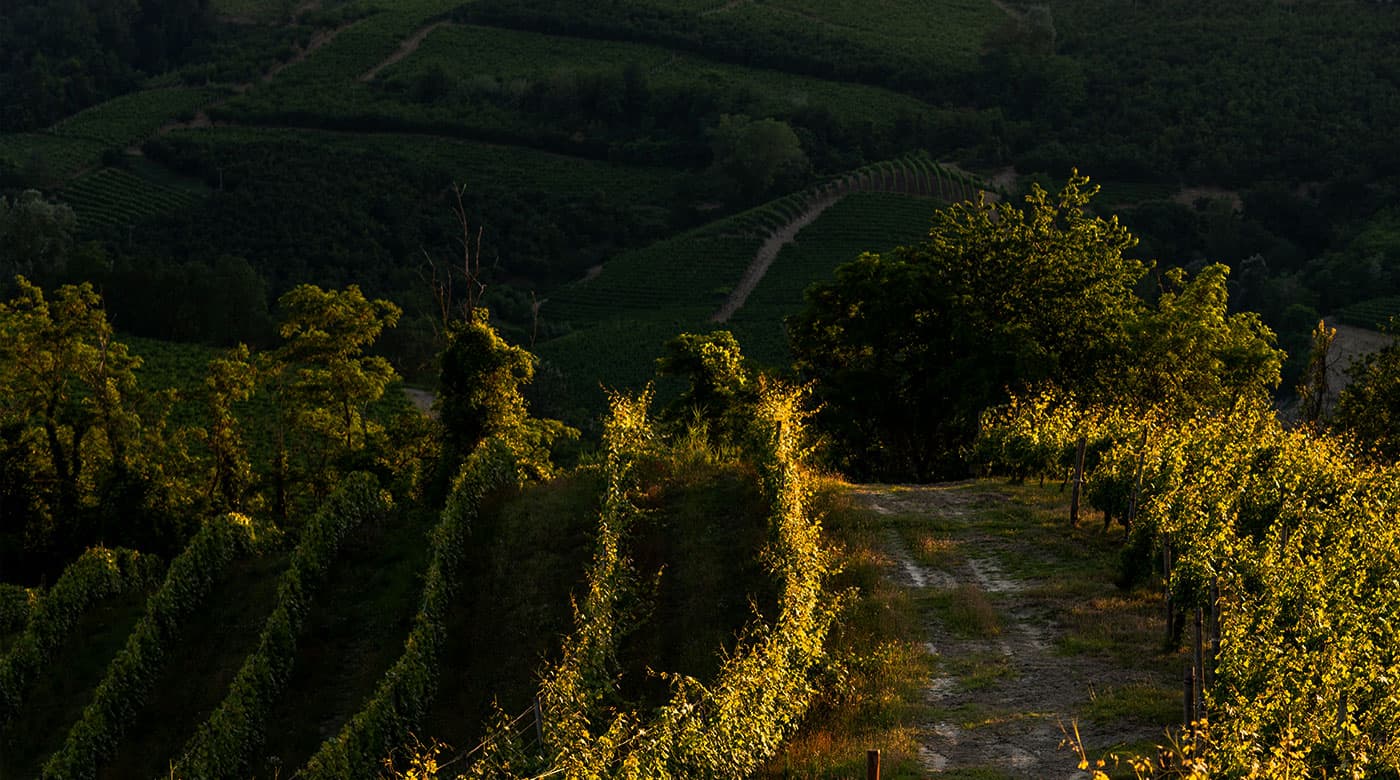
Dolcetto d'Alba wines are crafted from the Dolcetto grape, known for its vibrant fruit flavors and soft tannins. This appellation in Piedmont, Italy, produces wines that are approachable yet complex, offering a delightful drinking experience.

Collections/Countries/Italy/Piedmont/Dolcetto d'Alba

About Dolcetto d'Alba

Dolcetto d'Alba is a celebrated wine appellation in the Piedmont region of Italy, renowned for its use of the Dolcetto grape. This appellation produces wines that are characterized by their deep color, vibrant fruit flavors, and soft tannins, making them both approachable and versatile. The wines from Dolcetto d'Alba are often enjoyed young, showcasing flavors of black cherry, plum, and hints of almond, with a refreshing acidity that makes them an excellent choice for pairing with a variety of foods. The producer landscape in Dolcetto d'Alba is rich and varied, with esteemed names such as Elvio Cogno, G.D. Vajra, and Paolo Scavino contributing to its reputation. These producers are known for their commitment to quality and tradition, offering wines that range from everyday drinking options to more premium selections. The price range for Dolcetto d'Alba wines typically starts at an accessible level, making them an excellent choice for those new to Italian wines, while also offering premium options for seasoned collectors. When choosing a Dolcetto d'Alba wine, buyers should look for the best producers and vintages, as well as consider the wine's aging potential. Whether you're seeking a wine for a casual dinner or a special occasion, Dolcetto d'Alba offers a delightful experience that captures the essence of Piedmont's winemaking heritage.

Regulations & Standards

Dolcetto d'Alba wines must adhere to strict DOC regulations that ensure quality and authenticity. The wines must be made from at least 85% Dolcetto grapes, with the remaining 15% coming from other authorized varieties. The appellation requires that the wines achieve a minimum alcohol content of 11.5%, ensuring a robust and full-bodied profile. Additionally, Dolcetto d'Alba wines are typically aged for a short period, often in stainless steel or neutral oak, to preserve their fresh fruit characteristics.

Grape Varieties

Dolcetto d'Alba is primarily made from the Dolcetto grape, a variety that thrives in the Piedmont region's unique terroir. Known for its early ripening, Dolcetto produces wines with deep color and vibrant fruit flavors. The grape is characterized by its low acidity and soft tannins, making the wines approachable and easy to drink. While Dolcetto is the dominant variety, the appellation's regulations ensure that wines labeled as Dolcetto d'Alba are made predominantly from this grape, preserving its distinctive character and style.

Soil Composition

The soils of Dolcetto d'Alba are predominantly calcareous and clayey, providing excellent drainage and mineral content that contribute to the grape's unique expression. These soil types are ideal for the Dolcetto grape, allowing it to develop its characteristic fruit-forward profile while maintaining a balanced structure. The mineral-rich soils impart subtle nuances to the wines, enhancing their complexity and depth.

Climate Characteristics

Dolcetto d'Alba benefits from a continental climate, with hot summers and cold winters. This climate is moderated by the surrounding Alps, which provide a cooling influence that helps maintain the acidity and freshness in the wines. The diurnal temperature variation is significant, allowing the grapes to ripen fully while preserving their natural acidity. This climate is crucial in developing the vibrant fruit flavors and balanced structure that Dolcetto d'Alba wines are known for.

Production Standards

Winemaking in Dolcetto d'Alba emphasizes minimal intervention to highlight the natural qualities of the Dolcetto grape. Producers often use stainless steel tanks for fermentation to retain the grape's fresh fruit flavors and vibrant acidity. Some may employ neutral oak aging to add subtle complexity without overpowering the grape's inherent characteristics. The focus is on producing wines that are true to the terroir and offer a pure expression of the Dolcetto variety.

On this page

  • About Dolcetto d'Alba
  • Regulations & Standards
  • Grape Varieties
  • Soil Composition
  • Climate Characteristics
  • Production Standards

Frequently Asked Questions

What is Dolcetto d'Alba wine?
Dolcetto d'Alba is a red wine produced in the Piedmont region of Italy, known for its deep color and fruity flavors. It is made from the Dolcetto grape, which is native to this area, and typically features notes of black cherry, licorice, and almonds.
How should Dolcetto d'Alba be served?
Dolcetto d'Alba is best served slightly chilled, around 16-18°C (60-64°F). It pairs well with a variety of foods, including pasta, pizza, and grilled meats, making it a versatile choice for many meals.
What food pairs well with Dolcetto d'Alba?
Dolcetto d'Alba pairs excellently with Italian cuisine, particularly dishes like pasta with tomato-based sauces, risotto, and antipasti. Its moderate tannins and acidity also complement grilled meats and roasted vegetables.
How long can I store Dolcetto d'Alba wine?
Dolcetto d'Alba is generally best enjoyed young, within 2-3 years of the vintage. While it can be stored for a few more years, it is not typically intended for long-term aging.
What is the difference between Dolcetto d'Alba and Barolo?
Dolcetto d'Alba and Barolo are both wines from the Piedmont region but are made from different grape varieties. Dolcetto d'Alba is made from the Dolcetto grape and is known for its fruit-forward and approachable style, while Barolo is made from the Nebbiolo grape and is renowned for its complexity and aging potential.