-
Capital Spirits Logo

FOR THE THIRSTY

Raise a glass with us #Cheers

FacebookInstagramTikTokYouTube
concierge@capitalspirits.com
AboutLocationsEventsTrack OrderPrivacy PolicyTerms & ConditionsShipping PolicyReturn Policy
VisaMastercardAmerican ExpressApple PayGoogle Pay
Powered by Stripe
© 2026 Capital Spirits. All rights reserved.
APPELLATION

Piemonte Wine Selection

Piemonte's Nebbiolo grape is the cornerstone of its prestigious wines, producing Barolo and Barbaresco with complex aromas and robust tannins. This region's diverse microclimates and soils contribute to a wide range of wine styles.

Collections/Countries/Italy/Piedmont/Piemonte

About Piemonte

Piemonte, located in the northwest of Italy, is a revered wine region known for its Nebbiolo-based wines like Barolo and Barbaresco. These wines are celebrated for their intense aromas, robust tannins, and aging potential. The region also excels in producing Barbera and Dolcetto, offering more approachable and fruit-forward profiles. Moscato d'Asti, a lightly sparkling and sweet wine, adds to Piemonte's diverse offerings. Producers such as Fontanafredda and Castello Di Neive are renowned for their commitment to quality, crafting wines that reflect the region's unique terroir. With a range of options from entry-level to premium, Piemonte wines cater to both casual drinkers and serious collectors. When buying Piemonte wines, look for the best Piemonte wines by exploring different styles and producers. The region's wines are characterized by their elegance, complexity, and ability to pair beautifully with food. Whether you're seeking a bold Barolo or a refreshing Moscato, Piemonte offers something for every palate. Choosing Piemonte means embracing a tradition of excellence and a dedication to quality. With a rich history and a focus on indigenous grape varieties, Piemonte remains a top choice for wine enthusiasts worldwide.

Regulations & Standards

Piemonte's wine production is governed by strict DOC and DOCG regulations, ensuring high quality and authenticity. Barolo and Barbaresco, both DOCG wines, must be made from 100% Nebbiolo and aged for a minimum of 38 and 24 months, respectively, with specific aging requirements in oak. Barbera d'Asti and Dolcetto di Dogliani also have defined production standards, focusing on varietal purity and regional expression. Moscato d'Asti, another DOCG wine, is produced with controlled fermentation to retain its natural sweetness and low alcohol content. These regulations maintain Piemonte's reputation for producing world-class wines.

Grape Varieties

Piemonte is renowned for its Nebbiolo grape, which is the foundation of its most prestigious wines, Barolo and Barbaresco. Nebbiolo is known for its complex aromas of roses, tar, and cherries, and its robust tannins. Barbera, another prominent variety, is appreciated for its high acidity and bright red fruit flavors, making it versatile for food pairing. Dolcetto offers a softer, fruit-forward profile with lower acidity, providing an approachable option. Moscato Bianco is used for the region's famous Moscato d'Asti, a sweet, lightly sparkling wine. These varieties thrive in Piemonte's diverse microclimates and soils, contributing to the region's reputation for producing high-quality wines.

Soil Composition

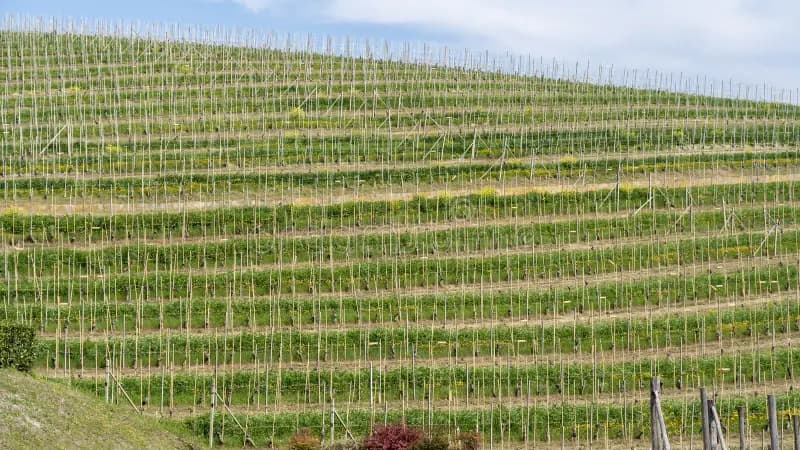
Piemonte's soils are diverse, ranging from calcareous marl to sandy and clay-rich compositions. The Langhe region, home to Barolo and Barbaresco, features calcareous marl, which is ideal for Nebbiolo, imparting structure and complexity to the wines. The sandy soils in Roero produce more aromatic and lighter styles. This diversity allows for a wide range of wine styles, each expressing the unique terroir of its origin. The varied soil types contribute to the distinct characteristics of Piemonte wines, enhancing their complexity and aging potential.

Climate Characteristics

Piemonte's climate is characterized by cold winters and hot, dry summers, with significant diurnal temperature variations. This climate is ideal for grape growing, as the warm days allow for full ripening, while the cool nights help preserve acidity and freshness in the wines. The region's proximity to the Alps provides a protective barrier, reducing the risk of adverse weather conditions. Fog, particularly in the Langhe hills, plays a crucial role in Nebbiolo's development, contributing to the grape's complexity and aromatic profile. These climatic conditions are integral to the quality and style of Piemonte wines.

Production Standards

Winemaking in Piemonte emphasizes traditional methods, with a focus on expressing the region's unique terroir. Barolo and Barbaresco often undergo extended maceration and aging in large oak casks, enhancing their complexity and aging potential. Barbera and Dolcetto are typically vinified to highlight their fruit-forward characteristics, with minimal oak influence. Moscato d'Asti is crafted using the Charmat method, preserving its fresh, aromatic profile. These production standards ensure that Piemonte wines maintain their distinctive qualities and appeal to a wide range of palates.

On this page

  • About Piemonte
  • Regulations & Standards
  • Grape Varieties
  • Soil Composition
  • Climate Characteristics
  • Production Standards

Frequently Asked Questions

What types of wine is Piemonte known for?
Piemonte is renowned for its high-quality wines, particularly Barolo and Barbaresco, which are made from the Nebbiolo grape. The region also produces Barbera, Dolcetto, and Moscato d'Asti, each offering distinct flavors and characteristics.
What food pairs well with Piemonte wines?
Piemonte wines pair excellently with rich and hearty dishes such as truffle risotto, braised beef, and game meats. The region's wines also complement local cheeses and pasta dishes like tajarin with butter and sage.
How does the climate in Piemonte affect its wine production?
Piemonte's climate, characterized by hot summers and cold, foggy winters, contributes to the complexity and depth of its wines. The region's varied microclimates and hilly terrain allow for diverse grape cultivation, enhancing the unique profiles of its wines.
What is the difference between Barolo and Barbaresco wines?
Both Barolo and Barbaresco are made from the Nebbiolo grape, but Barolo is typically more robust and tannic, requiring longer aging. Barbaresco, on the other hand, is often more approachable in its youth, with softer tannins and a slightly lighter body.
Are there any unique wine-tasting experiences in Piemonte?
Piemonte offers unique wine-tasting experiences, including visits to historic wineries and vineyards in the Langhe and Monferrato areas. Many wineries provide guided tours and tastings, allowing visitors to explore the rich heritage and diverse flavors of the region's wines.