-
Capital Spirits Logo

FOR THE THIRSTY

Raise a glass with us #Cheers

FacebookInstagramTikTokYouTube
concierge@capitalspirits.com
AboutLocationsEventsTrack OrderPrivacy PolicyTerms & ConditionsShipping PolicyReturn Policy
VisaMastercardAmerican ExpressApple PayGoogle Pay
Powered by Stripe
© 2026 Capital Spirits. All rights reserved.
APPELLATION

Langhe Wine

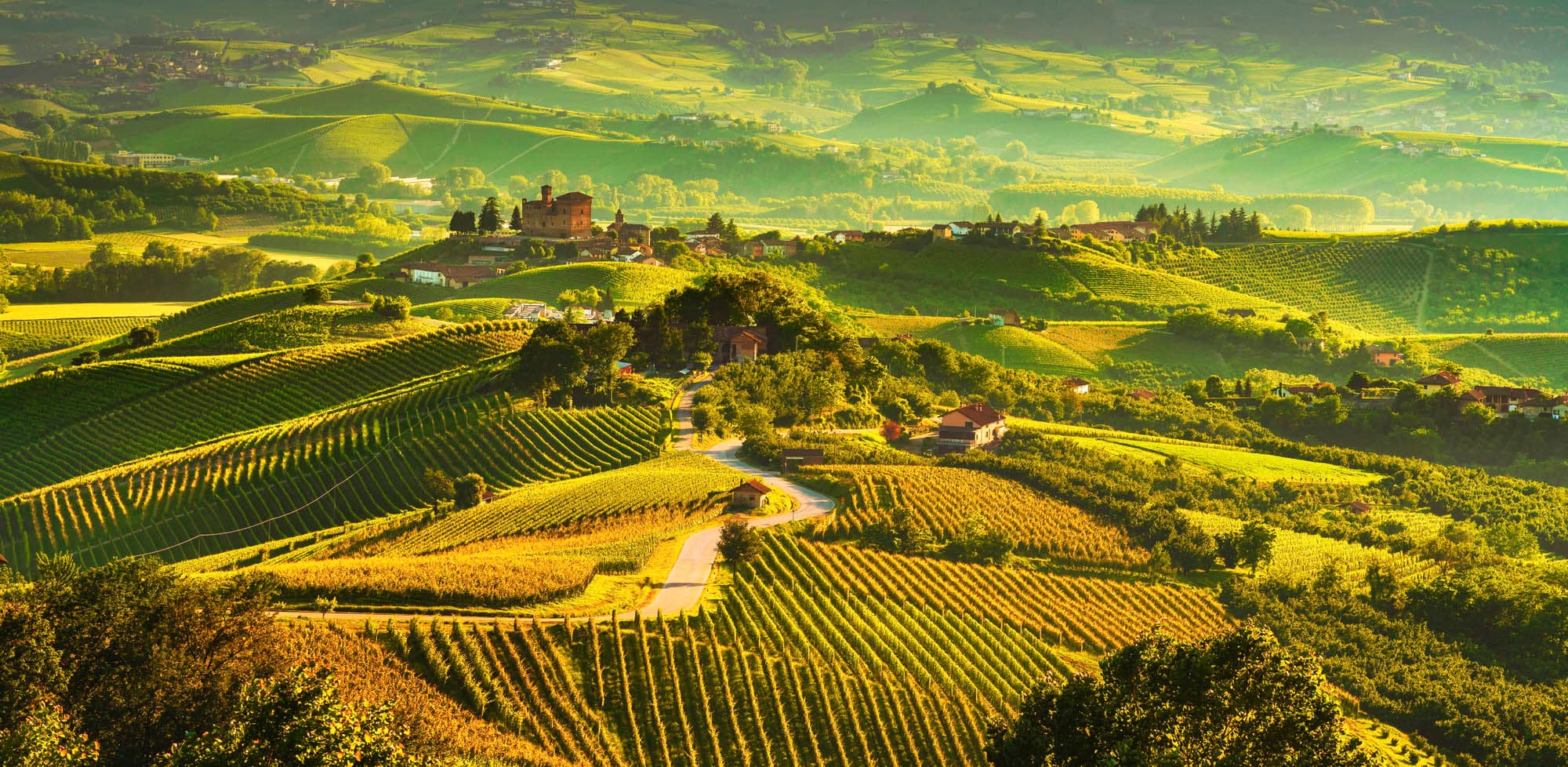
Langhe's diverse terroir allows for a wide range of grape varieties, including Nebbiolo, Barbera, and Dolcetto, producing wines with distinct character and complexity.

Collections/Countries/Italy/Piedmont/Langhe

About Langhe

Langhe, located in the heart of Piedmont, Italy, is a prestigious wine appellation known for its diverse terroir and exceptional wines. This region is home to some of the most celebrated Italian wines, offering a wide range of styles and flavors that cater to both novice and seasoned wine enthusiasts. The appellation permits a variety of grape varieties, with Nebbiolo, Barbera, and Dolcetto being the most prominent. These grapes thrive in Langhe's unique climate and soil conditions, resulting in wines that are rich in character and complexity. Langhe wines are crafted by some of the most esteemed producers, including Gaja, G.D. Vajra, Elvio Cogno, and Paolo Scavino. These producers are known for their commitment to quality and tradition, ensuring that each bottle reflects the true essence of the region. Whether you're seeking an entry-level bottle or a premium selection, Langhe offers a range of options to suit different budgets and preferences. The flavor profiles of Langhe wines are as varied as the landscape itself. Nebbiolo-based wines are known for their robust tannins and complex aromas of rose, cherry, and tar, while Barbera wines offer a more approachable style with bright acidity and flavors of red berries and spices. Dolcetto wines, on the other hand, are characterized by their soft tannins and fruity notes, making them an excellent choice for everyday enjoyment. Choosing Langhe wines means embracing a rich heritage and a commitment to quality. Whether you're looking to expand your wine collection or simply enjoy a glass with dinner, Langhe wines offer a unique and rewarding experience. Explore our selection of the best Langhe wines and discover the distinctive flavors of this renowned Italian appellation.

Regulations & Standards

Langhe DOC regulations permit the production of a wide range of wine styles, including red, white, and rosé. The appellation allows for both single-varietal wines and blends, with specific rules governing the use of grape varieties and production methods. For red wines, Nebbiolo, Barbera, and Dolcetto are the primary varieties, while white wines often feature Chardonnay and Sauvignon Blanc. The regulations also stipulate minimum aging requirements for certain styles, ensuring that wines achieve the desired complexity and balance before release. These standards are designed to maintain the high quality and reputation of Langhe wines.

Grape Varieties

Langhe is renowned for its diverse range of grape varieties, with Nebbiolo, Barbera, and Dolcetto being the most prominent. Nebbiolo, known for its complex structure and aging potential, is the backbone of many prestigious wines in the region. Barbera, with its vibrant acidity and fruity character, offers a more approachable style, while Dolcetto provides softer tannins and a fruit-forward profile. These varieties thrive in Langhe's unique terroir, benefiting from the region's varied microclimates and soil compositions. Additionally, international varieties such as Chardonnay and Sauvignon Blanc are also cultivated, adding to the region's versatility.

Soil Composition

The soils of Langhe are predominantly composed of calcareous marl, clay, and sandstone, which play a crucial role in the development of the region's wines. These soil types provide excellent drainage while retaining essential nutrients, allowing the vines to thrive. The calcareous marl is particularly beneficial for Nebbiolo, contributing to the grape's complex aromas and robust tannins. The diversity in soil composition across the region allows for the cultivation of a wide range of grape varieties, each expressing the unique characteristics of their specific terroir.

Climate Characteristics

Langhe's climate is characterized by its continental influence, with hot summers and cold winters. The region benefits from significant diurnal temperature variation, which is crucial for the development of acidity and aromatic complexity in the grapes. The cooling influence of the nearby Alps helps to moderate temperatures, while the region's varied topography creates distinct microclimates. This climatic diversity allows for the successful cultivation of both early-ripening varieties like Dolcetto and late-ripening varieties such as Nebbiolo, each achieving optimal ripeness and flavor development.

Production Standards

Winemaking in Langhe is characterized by a blend of traditional and modern techniques. Many producers, such as Gaja and Paolo Scavino, employ meticulous vineyard management practices to ensure the highest quality fruit. In the winery, techniques such as temperature-controlled fermentation and extended maceration are commonly used to enhance flavor extraction and structure. Aging often takes place in a combination of large oak casks and smaller barriques, allowing for the integration of oak flavors and the development of complexity. The commitment to quality and innovation is evident in every bottle of Langhe wine.

On this page

  • About Langhe
  • Regulations & Standards
  • Grape Varieties
  • Soil Composition
  • Climate Characteristics
  • Production Standards

Frequently Asked Questions

What types of wine are produced in the Langhe region?
The Langhe region in Piedmont, Italy, is renowned for producing a variety of wines, including Barolo, Barbaresco, Dolcetto, Barbera, and Nebbiolo. These wines are known for their complexity, depth, and aging potential.
What is the difference between Barolo and Barbaresco from Langhe?
Both Barolo and Barbaresco are made from the Nebbiolo grape, but they differ in aging requirements and terroir. Barolo typically requires a longer aging period and is known for its robust and tannic structure, while Barbaresco is often more approachable earlier, with a slightly softer profile.
What food pairs well with Langhe wines?
Langhe wines pair excellently with rich, hearty dishes such as truffle risotto, braised meats, and aged cheeses. The tannic structure of Barolo and Barbaresco complements the umami and fat content in these foods.
How does the climate of Langhe affect its wine production?
The Langhe region benefits from a continental climate with hot summers and cold winters, which helps in developing the complex flavors and aromas in its wines. The diverse microclimates and soil types contribute to the unique characteristics of each wine.
What is the aging potential of Langhe wines?
Langhe wines, particularly Barolo and Barbaresco, are known for their excellent aging potential, often improving over 10 to 20 years or more. The high tannin and acidity levels in these wines allow them to develop complex flavors and aromas over time.