-
Capital Spirits Logo

FOR THE THIRSTY

Raise a glass with us #Cheers

FacebookInstagramTikTokYouTube
concierge@capitalspirits.com
AboutLocationsEventsTrack OrderPrivacy PolicyTerms & ConditionsShipping PolicyReturn Policy
VisaMastercardAmerican ExpressApple PayGoogle Pay
Powered by Stripe
© 2026 Capital Spirits. All rights reserved.
APPELLATION

Barolo DOCG Wines

Barolo's strict DOCG regulations require aging for a minimum of 38 months, creating wines of remarkable depth and complexity. Known as the 'King of Wines,' Barolo is crafted exclusively from Nebbiolo grapes, offering a unique expression of Piedmont's terroir.

Collections/Countries/Italy/Piedmont/Barolo

About Barolo

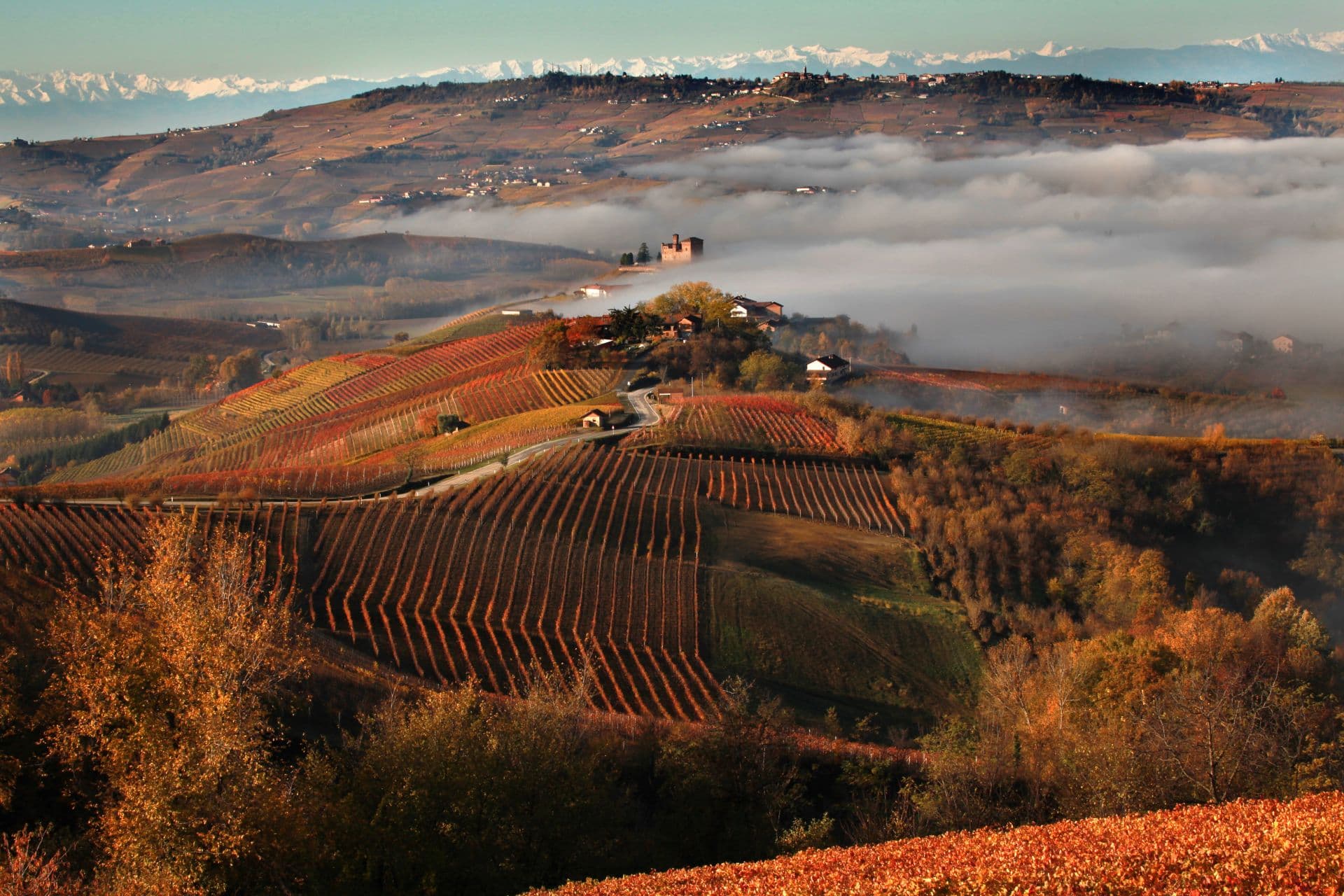
Barolo, often referred to as the 'King of Wines,' is a prestigious DOCG appellation located in the heart of Piedmont, Italy. This region is renowned for producing some of the world's most sought-after red wines, crafted exclusively from the Nebbiolo grape. The appellation's strict regulations mandate that Barolo wines must be aged for a minimum of 38 months, with at least 18 months in wood, ensuring a depth and complexity that is unparalleled. Barolo wines are celebrated for their robust tannins, high acidity, and flavors of tar, roses, and red fruits, making them ideal for aging. The producer landscape in Barolo is rich and diverse, with esteemed names such as Elvio Cogno, Paolo Scavino, Vietti, Gaja, and Damilano leading the charge. These producers are known for their meticulous attention to detail and commitment to quality, crafting wines that reflect the unique terroir of Barolo. Whether you're seeking entry-level offerings or premium selections, Barolo provides a range of options to suit various budgets. For those looking to buy Barolo, understanding the nuances of this appellation is crucial. The best Barolo wines offer a balance of power and elegance, with a potential for long-term cellaring. When selecting a Barolo, consider the producer's reputation, the vineyard site, and the vintage, as these factors significantly influence the wine's character. In summary, Barolo is a must-have for any serious wine collector or enthusiast. Its complex flavor profile, aging potential, and storied history make it a standout choice for those seeking the best in Italian wines. Explore our selection of Barolo wines and experience the pinnacle of Piedmontese winemaking.

Regulations & Standards

Barolo's DOCG regulations are among the strictest in Italy, ensuring the highest quality standards. The wines must be made from 100% Nebbiolo grapes and aged for a minimum of 38 months, with at least 18 months in oak barrels. This aging process is crucial for developing the wine's complex flavors and robust structure. Barolo must have a minimum alcohol content of 13% and adhere to specific yield limits to maintain concentration and quality. Additionally, Barolo Riserva requires an extended aging period of at least 62 months. These regulations ensure that Barolo wines are consistently among the finest in the world.

Grape Varieties

Barolo is exclusively made from the Nebbiolo grape, a variety that thrives in the unique microclimates of Piedmont. Nebbiolo is known for its thin skins, which contribute to the wine's high tannin content and characteristic light color. Despite its pale hue, Nebbiolo produces wines with intense aromas and flavors, often described as tar and roses, with notes of cherry, truffle, and dried herbs. The grape's natural acidity and tannin structure make it ideal for long-term aging, allowing Barolo wines to develop complexity over time. Nebbiolo's ability to express the nuances of Barolo's diverse terroirs is unmatched, making it the quintessential grape of the region.

Soil Composition

The soils of Barolo are predominantly composed of calcareous clay and marl, which are particularly conducive to growing Nebbiolo. These soils, rich in minerals, contribute to the wine's structure and complexity. The two main soil types in Barolo are Tortonian and Helvetian. Tortonian soils, found in areas like La Morra and Barolo, are more fertile and produce wines that are softer and more aromatic. Helvetian soils, found in Serralunga d'Alba and Monforte d'Alba, are less fertile and yield wines that are more robust and tannic, ideal for aging. The soil composition plays a crucial role in defining the style and character of Barolo wines.

Climate Characteristics

Barolo experiences a continental climate with distinct seasonal variations, which significantly influence the characteristics of its wines. The region benefits from warm summers and cold winters, with the Alps providing a protective barrier against harsh weather. The diurnal temperature variation, with warm days and cool nights, is essential for Nebbiolo, allowing the grapes to ripen fully while retaining acidity. This results in wines with balanced structure, vibrant acidity, and complex aromas. The climate, combined with the region's diverse topography, ensures that each vintage of Barolo offers a unique expression of its terroir.

Production Standards

Winemaking in Barolo adheres to traditional methods, with a focus on long maceration periods and aging in large oak casks, known as botti. This approach allows for the gradual extraction of tannins and flavors, resulting in wines with depth and complexity. Some producers, like Elio Altare and Paolo Scavino, have embraced modern techniques, including shorter maceration times and the use of smaller French oak barrels, to create more approachable wines with softer tannins. Regardless of the style, the emphasis remains on expressing the unique terroir of Barolo, ensuring each wine is a true reflection of its origin.

On this page

  • About Barolo
  • Regulations & Standards
  • Grape Varieties
  • Soil Composition
  • Climate Characteristics
  • Production Standards

Frequently Asked Questions

What is Barolo wine and why is it special?
Barolo is a prestigious red wine from the Piedmont region of Italy, made exclusively from the Nebbiolo grape. Known for its rich flavors, high tannins, and aging potential, Barolo is often referred to as the 'King of Wines' due to its complexity and depth.
How should I serve Barolo wine?
Barolo is best served at a temperature of around 60-65°F (15-18°C) to enhance its aromas and flavors. Decanting the wine for at least an hour before serving can help soften its tannins and allow its bouquet to fully develop.
What foods pair well with Barolo wine?
Barolo pairs excellently with rich and hearty dishes such as braised meats, truffle-infused dishes, and aged cheeses. Its robust structure and high acidity complement the flavors of savory and umami-rich foods.
How long can I age a bottle of Barolo?
Barolo is renowned for its aging potential, with many bottles improving over 10 to 20 years or more. The wine's high tannin and acidity levels allow it to develop complex tertiary flavors over time, making it a favorite among collectors.
What is the price range for Barolo wine?
The price of Barolo can vary widely depending on the producer, vintage, and vineyard designation. Generally, you can expect to pay between $50 and $200 for a quality bottle, with rare or highly acclaimed vintages commanding higher prices.