-
Capital Spirits Logo

FOR THE THIRSTY

Raise a glass with us #Cheers

FacebookInstagramTikTokYouTube
concierge@capitalspirits.com
AboutLocationsEventsTrack OrderPrivacy PolicyTerms & ConditionsShipping PolicyReturn Policy
VisaMastercardAmerican ExpressApple PayGoogle Pay
Powered by Stripe
© 2026 Capital Spirits. All rights reserved.
APPELLATION

Barbera d'Alba Wine

Barbera d'Alba wines are crafted primarily from the Barbera grape, known for its vibrant acidity and rich fruit flavors. This appellation, nestled in Piedmont, Italy, offers wines that are both approachable and complex, perfect for a variety of occasions.

Collections/Countries/Italy/Piedmont/Barbera d'Alba

About Barbera d'Alba

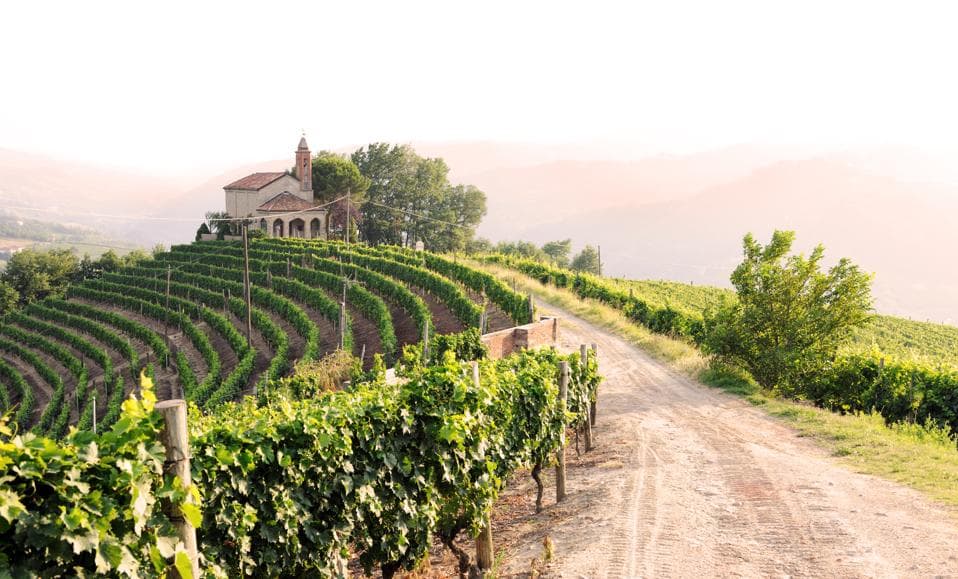
Barbera d'Alba, a prestigious appellation in the heart of Piedmont, Italy, is synonymous with the Barbera grape, celebrated for its high acidity and deep, rich fruit character. This region produces wines that are both approachable and versatile, making them a favorite among wine enthusiasts. The appellation's unique terroir, characterized by calcareous clay soils, imparts a distinct minerality to the wines, enhancing their complexity and depth. Renowned producers such as Elvio Cogno, Vietti, and Paolo Scavino craft exceptional Barbera d'Alba wines that showcase the grape's potential. These wines typically exhibit flavors of cherry, plum, and blackberry, with subtle notes of spice and earthiness. The vibrant acidity of Barbera d'Alba makes it an excellent companion to a wide range of foods, from rich pasta dishes to grilled meats. Barbera d'Alba wines are available in a range of styles and price points, from everyday drinking options to premium selections. Whether you're seeking the best Barbera d'Alba wines or simply looking to expand your collection, this appellation offers something for every palate. Choose Barbera d'Alba for its balance of fruit, acidity, and structure, making it a versatile and rewarding choice for any wine lover.

Regulations & Standards

Barbera d'Alba DOC regulations require that wines be made primarily from the Barbera grape, with a minimum of 85% Barbera in the blend. The remaining 15% can include other non-aromatic red grape varieties permitted in the region, such as Nebbiolo, though this is less common. The wines must be produced within the designated area around Alba in Piedmont, Italy. There are no specific aging requirements for Barbera d'Alba, allowing producers to craft wines that range from fresh and youthful to more structured and age-worthy expressions. These regulations ensure that Barbera d'Alba wines maintain their characteristic vibrancy and fruit-forward profile.

Grape Varieties

Barbera d'Alba is primarily made from the Barbera grape, a variety known for its high acidity and vibrant fruit flavors. This grape thrives in the Piedmont region's calcareous clay soils, which contribute to the wine's distinctive minerality. While Barbera is the dominant grape, regulations allow for a small percentage of Nebbiolo to be included, though this is less common. The high acidity of Barbera makes it an ideal grape for producing wines that are both fresh and age-worthy, offering flavors of cherry, plum, and blackberry with a hint of spice.

Soil Composition

The soils of Barbera d'Alba are predominantly calcareous clay, which plays a crucial role in shaping the wines of this appellation. These soils provide excellent drainage, encouraging deep root growth and contributing to the concentration of flavors in the grapes. The mineral-rich composition of the soil imparts a distinct minerality to the wines, enhancing their complexity and depth. This unique terroir allows the Barbera grape to express its vibrant acidity and rich fruit character, making Barbera d'Alba wines both distinctive and sought after.

Climate Characteristics

Barbera d'Alba benefits from a continental climate, characterized by hot summers and cold winters, with significant diurnal temperature variations. This climate is ideal for the Barbera grape, as the warm days allow for full ripening, while the cool nights help preserve the grape's natural acidity. The region also experiences moderate rainfall, which, combined with the well-draining calcareous clay soils, ensures healthy vine growth and optimal grape development. These climatic conditions contribute to the vibrant acidity and rich fruit flavors that define Barbera d'Alba wines.

Production Standards

Winemaking in Barbera d'Alba often involves a combination of traditional and modern techniques to enhance the grape's natural characteristics. Many producers, such as Vietti and Elvio Cogno, employ controlled fermentation temperatures to preserve the vibrant fruit flavors and acidity of the Barbera grape. Some winemakers choose to age their wines in oak barrels, adding complexity and subtle spice notes, while others prefer stainless steel to maintain a fresher profile. These varied approaches allow for a diverse range of styles within the appellation, catering to different palates and preferences.

On this page

  • About Barbera d'Alba
  • Regulations & Standards
  • Grape Varieties
  • Soil Composition
  • Climate Characteristics
  • Production Standards

Frequently Asked Questions

What is Barbera d'Alba wine?
Barbera d'Alba is a red wine produced in the Piedmont region of Italy, primarily from the Barbera grape variety. Known for its deep color, low tannins, and high acidity, it often features flavors of red and black fruits, with hints of spice and earthiness.
How does Barbera d'Alba differ from Barbera d'Asti?
While both wines are made from the Barbera grape, Barbera d'Alba typically has a fuller body and more intense flavors compared to Barbera d'Asti. This is due to differences in terroir and production methods, with Barbera d'Alba often having a slightly higher alcohol content.
What foods pair well with Barbera d'Alba?
Barbera d'Alba pairs excellently with a variety of foods, including pasta dishes with tomato-based sauces, grilled meats, and hard cheeses. Its high acidity makes it versatile, complementing both rich and lighter dishes.
What is the ideal serving temperature for Barbera d'Alba?
Barbera d'Alba is best served at a temperature between 60-65°F (15-18°C). This allows the wine's flavors and aromas to be fully expressed, enhancing the tasting experience.
How long can I age Barbera d'Alba wine?
Barbera d'Alba wines can typically be enjoyed young, within 3-5 years of the vintage. However, some higher quality versions, especially those aged in oak, can develop more complex flavors if aged for up to 10 years.