-
Capital Spirits Logo

FOR THE THIRSTY

Raise a glass with us #Cheers

FacebookInstagramTikTokYouTube
concierge@capitalspirits.com
AboutLocationsEventsTrack OrderPrivacy PolicyTerms & ConditionsShipping PolicyReturn Policy
VisaMastercardAmerican ExpressApple PayGoogle Pay
Powered by Stripe
© 2026 Capital Spirits. All rights reserved.
APPELLATION

Moscato d'Asti DOCG Wines

Moscato d'Asti is defined by its sweet, aromatic profile, crafted exclusively from the Moscato Bianco grape. This DOCG wine from Piedmont offers a low-alcohol, effervescent delight, perfect for any celebration.

Collections/Countries/Italy/Piedmont/Moscato d'Asti

About Moscato d'Asti

Moscato d'Asti, a DOCG appellation in Piedmont, Italy, is celebrated for its sweet, aromatic wines made exclusively from the Moscato Bianco grape. Known for its low alcohol content and gentle effervescence, Moscato d'Asti offers a refreshing and approachable wine experience. The region's unique terroir, characterized by calcareous and sandy soils, imparts a distinct minerality that complements the grape's natural sweetness. Producers like Michele Chiarlo, La Morandina, and Paolo Saracco are renowned for crafting exceptional Moscato d'Asti wines that capture the essence of this appellation. Buyers can expect flavor profiles bursting with notes of peach, apricot, and orange blossom, making it an ideal choice for those seeking a light, dessert-friendly wine. Moscato d'Asti wines are versatile, pairing beautifully with fruit-based desserts, light pastries, and even spicy cuisine. Prices range from affordable entry-level bottles to premium offerings, ensuring there is a Moscato d'Asti for every palate and occasion. Whether you're a seasoned wine enthusiast or a newcomer, exploring Moscato d'Asti is a delightful journey into the world of Italian sweet wines.

Regulations & Standards

Moscato d'Asti DOCG regulations stipulate that wines must be made exclusively from the Moscato Bianco grape. The production area is limited to specific communes within the provinces of Asti, Alessandria, and Cuneo. Moscato d'Asti wines are characterized by their low alcohol content, typically around 5-6% ABV, and must exhibit a natural sweetness with a slight effervescence. The wines are not subjected to extended aging, allowing them to retain their fresh, fruity character. Strict yield limits are enforced to ensure quality, with a maximum of 10 tons per hectare permitted.

Grape Varieties

Moscato d'Asti is exclusively made from the Moscato Bianco grape, also known as Muscat Blanc à Petits Grains. This variety is renowned for its aromatic intensity and natural sweetness, which are hallmarks of Moscato d'Asti wines. The grape thrives in the Piedmont region's calcareous and sandy soils, which enhance its floral and fruity characteristics. Moscato Bianco is one of the oldest known grape varieties, celebrated for its versatility and ability to produce wines with vibrant flavors of peach, apricot, and orange blossom. Its adaptability to the region's microclimates ensures consistent quality and expression in every vintage.

Soil Composition

The soils of Moscato d'Asti are predominantly calcareous and sandy, contributing to the wine's distinctive minerality and freshness. These soil types are well-draining, which is ideal for the Moscato Bianco grape, allowing the vines to develop deep root systems that access essential nutrients. The calcareous soils impart a subtle chalkiness, enhancing the wine's crispness and balance, while the sandy components add a delicate texture and finesse. This unique soil composition is a key factor in the aromatic complexity and vibrant acidity that define Moscato d'Asti wines.

Climate Characteristics

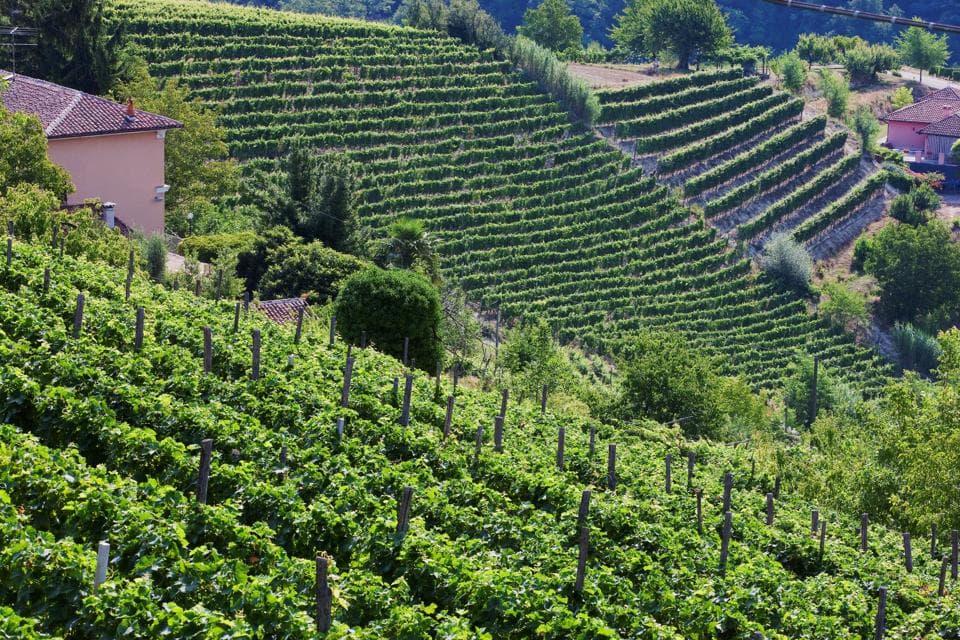
Moscato d'Asti benefits from a continental climate with warm summers and cold winters, typical of the Piedmont region. The area experiences significant diurnal temperature variation, which is crucial for developing the Moscato Bianco grape's aromatic compounds. Cool nights help preserve acidity, while warm days ensure optimal ripening, resulting in wines with a perfect balance of sweetness and freshness. The region's climate, coupled with its hillside vineyards, provides ideal conditions for producing the light, effervescent style that Moscato d'Asti is famous for.

Production Standards

Winemaking in Moscato d'Asti focuses on preserving the natural aromas and flavors of the Moscato Bianco grape. The grapes are harvested early to maintain acidity and freshness. Fermentation is carefully controlled and often halted early to retain residual sugar, resulting in the wine's characteristic sweetness. The slight effervescence is achieved through natural fermentation processes, rather than secondary fermentation, ensuring a gentle, refreshing sparkle. These production techniques highlight the grape's inherent qualities and contribute to the wine's approachable and delightful style.

On this page

  • About Moscato d'Asti
  • Regulations & Standards
  • Grape Varieties
  • Soil Composition
  • Climate Characteristics
  • Production Standards

Frequently Asked Questions

What is Moscato d'Asti wine?
Moscato d'Asti is a sweet, lightly sparkling white wine from the Piedmont region in Italy. It is made from the Moscato Bianco grape and is known for its aromatic qualities and low alcohol content, typically around 5-6% ABV.
How should I serve Moscato d'Asti?
Moscato d'Asti is best served chilled, ideally between 6-8°C (43-46°F). It pairs well with desserts, fruit, and light appetizers, making it a versatile choice for various occasions.
What foods pair well with Moscato d'Asti?
Moscato d'Asti pairs beautifully with sweet desserts like fruit tarts, panna cotta, and pastries. It also complements spicy dishes and can be enjoyed with soft cheeses and fresh fruit.
How is Moscato d'Asti different from Asti Spumante?
Moscato d'Asti is a lightly sparkling wine with a gentle fizz, while Asti Spumante is fully sparkling. Moscato d'Asti typically has a lower alcohol content and is sweeter, making it a more delicate and aromatic option.
How long can I store Moscato d'Asti?
Moscato d'Asti is best enjoyed young and fresh, typically within one to two years of bottling. It should be stored in a cool, dark place and consumed soon after opening to preserve its delicate flavors and effervescence.