About Sake
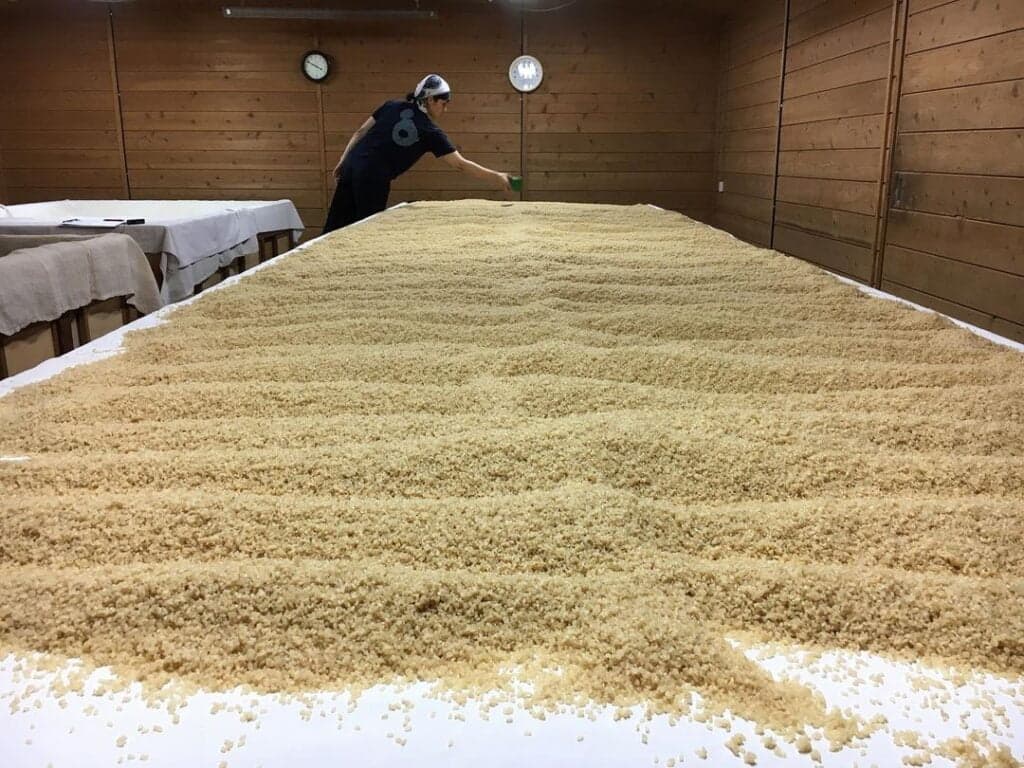
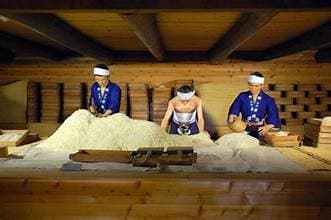
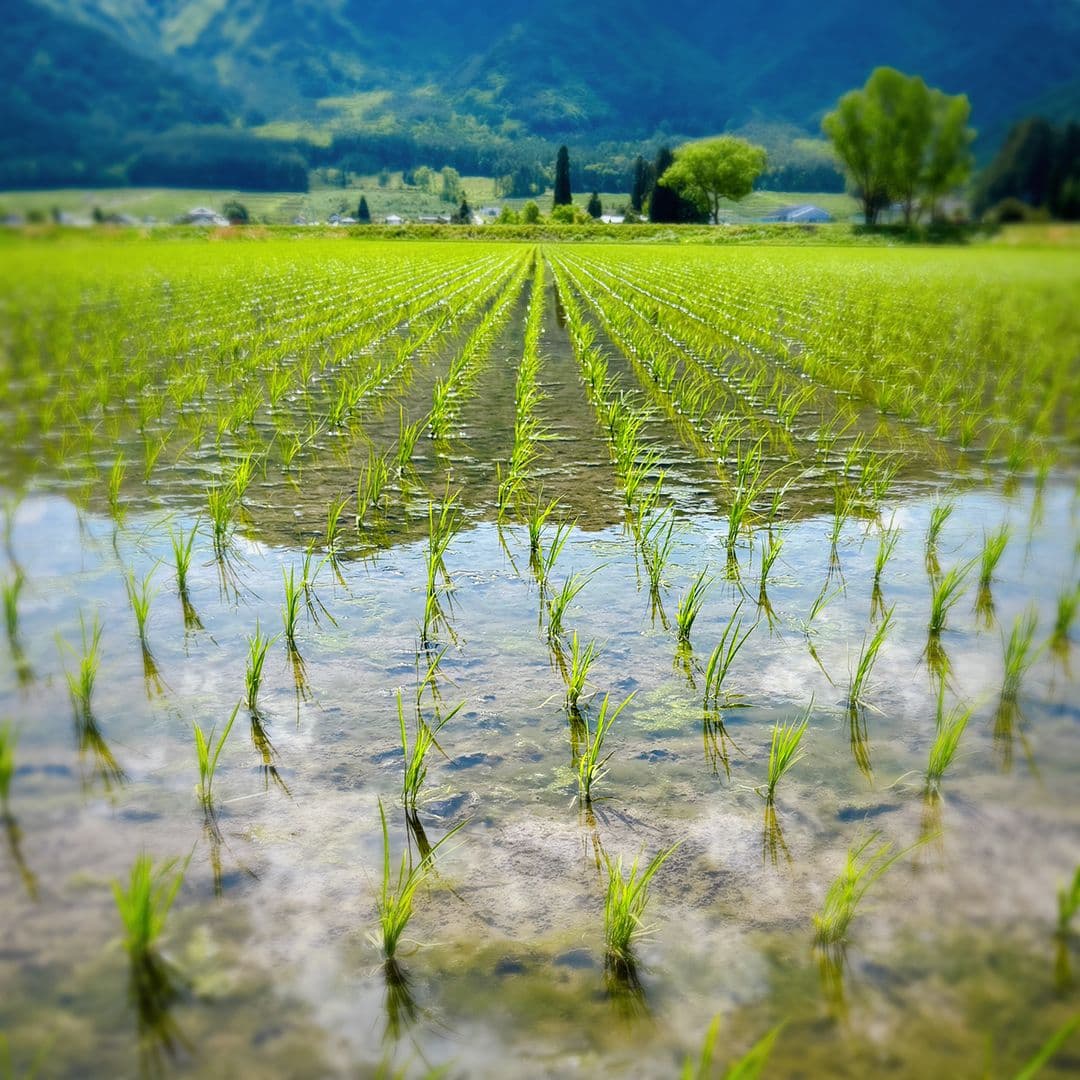
Sake, often referred to as Japanese rice wine, is a storied beverage with a rich cultural heritage. Unlike grape wine, sake is brewed more like beer, yet it holds a distinct place in the world of alcoholic beverages due to its unique fermentation process. The core ingredients of sake are rice, water, yeast, and koji mold, each playing a crucial role in developing its signature taste.
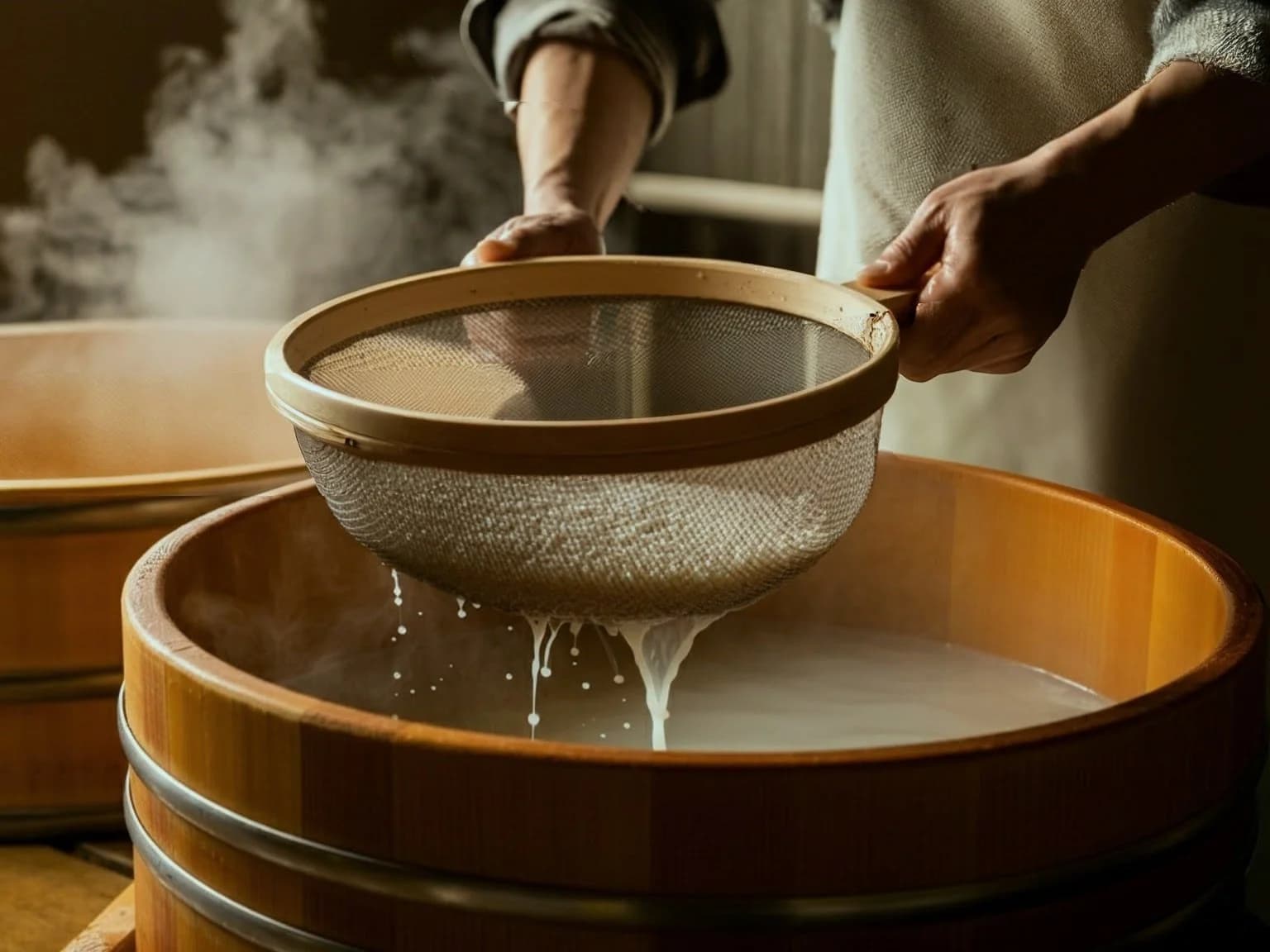
There are several styles of sake, each offering a different experience. Junmai sake, known for its pure rice flavor, does not contain any added alcohol, making it a favorite for purists. Ginjo and Daiginjo sakes are more refined, with a higher degree of rice polishing, resulting in a lighter, more aromatic profile. Nigori sake, with its cloudy appearance, offers a sweeter and creamier taste, appealing to those who prefer a richer texture.
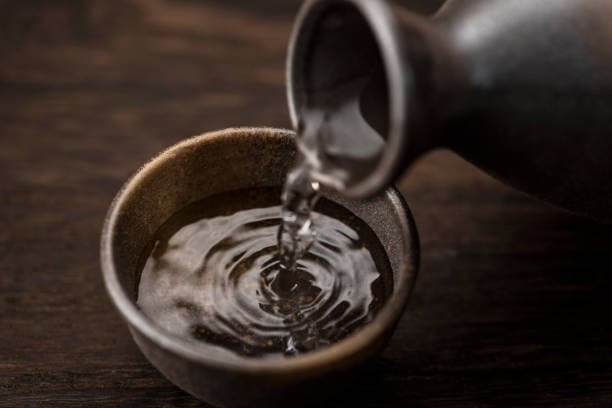
When choosing sake, consider the occasion and your personal taste preferences. For a traditional experience, opt for Junmai or Honjozo, which pair well with a variety of foods. For a more refined palate, Ginjo and Daiginjo are ideal choices, often enjoyed chilled to appreciate their delicate aromas.
Sake is primarily produced in Japan, with regions like Niigata, Hyogo, and Kyoto being renowned for their high-quality offerings. Each region imparts its own characteristics, influenced by local water sources and rice varieties. Prices for sake can vary widely, from affordable everyday bottles to premium selections that rival fine wines in complexity and price.
Exploring the world of sake is a journey into a rich tradition of craftsmanship and flavor. Whether you're a seasoned connoisseur or a curious newcomer, our selection of premium sake is sure to enhance your appreciation of this unique beverage.