-
Capital Spirits Logo

FOR THE THIRSTY

Raise a glass with us #Cheers

FacebookInstagramTikTokYouTube
concierge@capitalspirits.com
AboutLocationsEventsTrack OrderPrivacy PolicyTerms & ConditionsShipping PolicyReturn Policy
VisaMastercardAmerican ExpressApple PayGoogle Pay
Powered by Stripe
© 2026 Capital Spirits. All rights reserved.
PRODUCT SUBCATEGORY

Flavored Sake

Flavored Sake offers a unique twist on traditional sake by infusing it with fruits, herbs, and spices. This innovative style enhances the classic rice-based beverage with vibrant flavors, appealing to both sake enthusiasts and newcomers.

Collections/Wine/Sake/Flavored Sake

About Flavored Sake

Flavored Sake is a modern innovation in the world of sake, where traditional rice wine is infused with a variety of fruits, herbs, and spices to create unique and vibrant flavor profiles. Unlike traditional sake, which is known for its subtle and nuanced taste, Flavored Sake offers a more pronounced and diverse palate, making it an appealing choice for those seeking something different. Predominantly produced in Japan, Flavored Sake has gained popularity worldwide, with key regions like Niigata and Kyoto leading in production. The infusion process involves adding natural flavors during or after fermentation, resulting in a beverage that retains the smooth texture of sake while offering a burst of additional aromas and tastes. Flavored Sake pairs well with a range of dishes, from sushi and sashimi to desserts and spicy foods, enhancing the dining experience with its refreshing and sometimes sweet notes. Price points for Flavored Sake can vary, with entry-level options available for casual enjoyment and premium selections offering more complex flavor combinations. For those looking to buy Flavored Sake, it provides a delightful exploration of taste, perfect for both casual sipping and special occasions.

Tasting Profile

Flavored Sake typically exhibits a harmonious blend of traditional sake's smooth, rice-driven base with added notes of fruits such as yuzu, plum, or peach. Aromas can range from floral to fruity, with a light to medium body and a clean, refreshing finish. The style can vary from sweet to dry, offering something for every palate.

Serving Guide

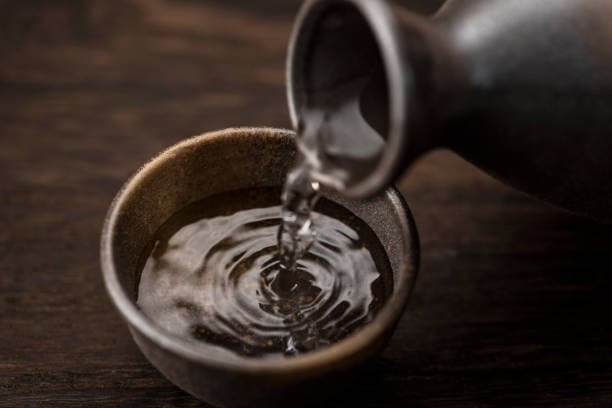
Flavored Sake is best served chilled, between 5-10°C (41-50°F), to enhance its refreshing qualities. Use a traditional sake cup or a white wine glass to fully appreciate its aromas. No decanting is necessary, but gently swirling the glass can help release its vibrant scents.

Region Information

Japan is the primary producer of Flavored Sake, with regions like Niigata and Kyoto known for their high-quality offerings. These areas benefit from pristine water sources and a rich tradition of sake-making, contributing to the distinct regional characteristics found in their Flavored Sake. While Japan leads in production, other countries are beginning to experiment with this style, adding their own local twists.

On this page

  • About Flavored Sake
  • Tasting Profile
  • Serving Guide
  • Region Information

Frequently Asked Questions

What is Flavored Sake?
Flavored Sake is a type of sake that has been infused with fruits, herbs, or spices, offering a unique twist on the traditional rice-based beverage. It combines the smooth texture of sake with vibrant, additional flavors.
How should I serve Flavored Sake?
Flavored Sake is best served chilled, between 5-10°C (41-50°F), to enhance its refreshing qualities. Use a traditional sake cup or a white wine glass to appreciate its aromas.
What does Flavored Sake taste like?
Flavored Sake typically combines the smooth, rice-driven base of traditional sake with added notes of fruits like yuzu or plum, resulting in a light to medium body and a clean, refreshing finish.
What foods pair well with Flavored Sake?
Flavored Sake pairs well with a range of dishes, including sushi, sashimi, desserts, and spicy foods. Its refreshing and sometimes sweet notes complement both savory and sweet flavors.
Where is Flavored Sake produced?
Flavored Sake is primarily produced in Japan, with regions like Niigata and Kyoto being well-known for their high-quality offerings. Other countries are also beginning to experiment with this style.