-
Capital Spirits Logo

FOR THE THIRSTY

Raise a glass with us #Cheers

FacebookInstagramTikTokYouTube
concierge@capitalspirits.com
AboutLocationsEventsTrack OrderPrivacy PolicyTerms & ConditionsShipping PolicyReturn Policy
VisaMastercardAmerican ExpressApple PayGoogle Pay
Powered by Stripe
© 2026 Capital Spirits. All rights reserved.
PRODUCT SUBCATEGORY

Daiginjo Sake

Daiginjo is distinguished by its highly polished rice, resulting in an exceptionally refined and aromatic sake. This style is celebrated for its delicate balance of floral and fruity notes, offering a luxurious tasting experience for sake enthusiasts.

Collections/Wine/Sake/Daiginjo

About Daiginjo

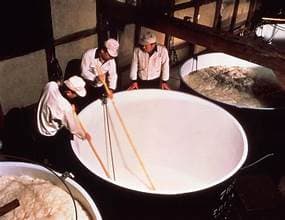
Daiginjo sake is a pinnacle of sake craftsmanship, defined by the meticulous polishing of rice grains to at least 50% of their original size. This extensive polishing process removes impurities and results in a sake that is both refined and aromatic. Unlike other sake styles, Daiginjo is known for its elegant bouquet of floral and fruity aromas, often featuring notes of melon, apple, and pear. The palate is typically smooth and light, with a clean finish that makes it a favorite among connoisseurs. Primarily produced in Japan, Daiginjo sake is crafted with precision and care, often using traditional methods that have been passed down through generations. Key regions such as Niigata, Hyogo, and Kyoto are renowned for producing some of the best Daiginjo sakes, each offering subtle regional nuances. For instance, Niigata's Daiginjo is often lighter and drier, while Hyogo's versions might showcase a richer profile. When it comes to food pairings, Daiginjo's delicate flavors complement a wide range of dishes. It pairs beautifully with sashimi, light seafood, and even certain cheeses, enhancing the dining experience without overpowering the palate. While prices for Daiginjo can vary, entry-level bottles offer an accessible introduction to this premium style, while high-end options provide a luxurious experience for special occasions. Choosing Daiginjo means opting for a sake that embodies elegance and sophistication. Whether you're a seasoned sake enthusiast or new to the world of sake, exploring Daiginjo offers a journey into one of Japan's most revered sake styles.

Tasting Profile

Daiginjo sake typically presents a delicate and refined flavor profile, characterized by floral and fruity notes such as melon, apple, and pear. The texture is smooth and light, with a clean, crisp finish that leaves a refreshing aftertaste. This style of sake is known for its aromatic complexity and balance.

Serving Guide

Daiginjo sake is best served chilled, between 10-15°C (50-59°F), to enhance its delicate aromas and flavors. Use a wine glass to fully appreciate its bouquet, and avoid warming this style as it can diminish its nuanced profile. No decanting is necessary, but gentle handling is recommended.

Region Information

The best Daiginjo sake is predominantly produced in Japan, with key regions including Niigata, Hyogo, and Kyoto. Each region imparts its own subtle characteristics, with Niigata known for its clean, crisp sakes, while Hyogo offers richer, more robust profiles. Kyoto's Daiginjo often balances elegance with complexity, reflecting the region's storied brewing traditions.

On this page

  • About Daiginjo
  • Tasting Profile
  • Serving Guide
  • Region Information

Frequently Asked Questions

What makes Daiginjo sake different from other sake?
Daiginjo sake is distinguished by its rice polishing ratio, with at least 50% of the rice grain polished away. This results in a more refined and aromatic sake, often with floral and fruity notes.
How should I serve Daiginjo sake?
Daiginjo sake should be served chilled, ideally between 10-15°C (50-59°F), in a wine glass to appreciate its delicate aromas. Avoid warming it, as this can diminish its nuanced flavors.
What foods pair well with Daiginjo sake?
Daiginjo sake pairs well with light dishes such as sashimi, seafood, and certain cheeses. Its delicate flavors complement these foods without overpowering them.
Where is the best Daiginjo sake produced?
The best Daiginjo sake is produced in Japan, particularly in regions like Niigata, Hyogo, and Kyoto, each offering unique regional characteristics.
Is Daiginjo sake expensive?
Daiginjo sake can vary in price, with entry-level options providing an accessible introduction and high-end bottles offering a luxurious experience. Prices reflect the craftsmanship and quality involved in production.