-
Capital Spirits Logo

FOR THE THIRSTY

Raise a glass with us #Cheers

FacebookInstagramTikTokYouTube
concierge@capitalspirits.com
AboutLocationsEventsTrack OrderPrivacy PolicyTerms & ConditionsShipping PolicyReturn Policy
VisaMastercardAmerican ExpressApple PayGoogle Pay
Powered by Stripe
© 2026 Capital Spirits. All rights reserved.
PRODUCT SUBCATEGORY

Junmai Sake

Junmai is defined by its pure rice flavor, made without added alcohol, offering a rich and full-bodied sake experience. Known for its depth and umami, Junmai sake is a favorite among purists seeking authentic Japanese flavors.

Collections/Wine/Sake/Junmai

About Junmai

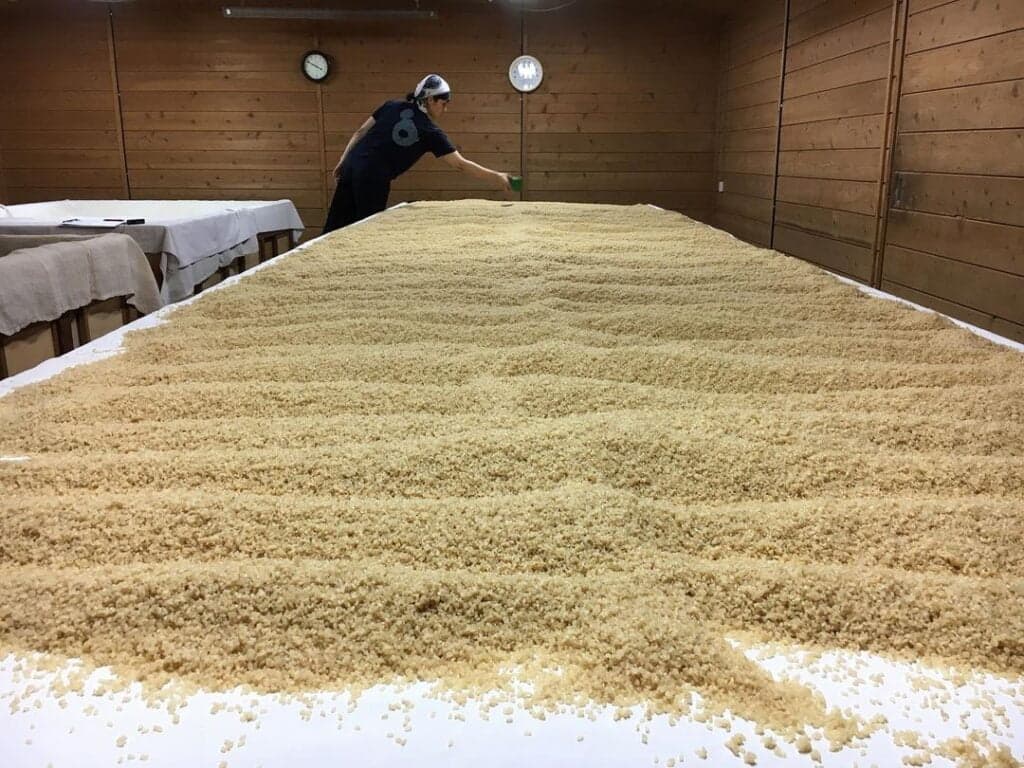
Junmai sake is a celebrated style of sake that stands out for its purity and depth of flavor. Unlike other sake types, Junmai is crafted without the addition of distilled alcohol, relying solely on rice, water, yeast, and koji mold. This results in a sake that is often richer and more full-bodied, with a pronounced umami character. The absence of added alcohol allows the natural flavors of the rice to shine, making Junmai a popular choice for those seeking an authentic sake experience. Typically, Junmai sake offers a flavor profile that ranges from dry to slightly sweet, with aromas of steamed rice, earth, and sometimes subtle notes of nuts or fruit. It pairs exceptionally well with a variety of foods, from sushi and sashimi to grilled meats and hearty stews, enhancing the umami flavors in dishes. Japan is the primary producer of Junmai sake, with notable regions including Niigata, known for its clean, crisp sakes, and Hiroshima, which produces softer, more mellow styles. The production process involves polishing the rice to at least 70% of its original size, allowing for a more robust flavor profile. When considering price, Junmai sake can range from affordable entry-level options to premium bottles, offering something for every budget. Choosing Junmai means opting for a sake that embodies tradition and purity, making it a must-try for sake enthusiasts and newcomers alike.

Tasting Profile

Junmai sake is characterized by its rich, full-bodied texture and pronounced umami flavors. Expect aromas of steamed rice, earth, and subtle hints of nuts or fruit. The finish is typically clean and satisfying, with a balanced acidity.

Serving Guide

Junmai sake is best enjoyed slightly chilled or at room temperature, depending on personal preference. Use a traditional ochoko or a white wine glass to appreciate its aromas. No decanting is necessary, but gently swirl the sake in the glass to release its full bouquet.

Region Information

Japan is the heartland of Junmai sake production, with regions like Niigata and Hiroshima leading the way. Niigata's sakes are known for their clean, crisp profiles, while Hiroshima offers softer, more mellow styles. Each region brings its own unique terroir and techniques, contributing to the diverse expressions of Junmai.

On this page

  • About Junmai
  • Tasting Profile
  • Serving Guide
  • Region Information

Frequently Asked Questions

What is Junmai sake?
Junmai sake is a type of sake made purely from rice, water, yeast, and koji mold, without any added alcohol. It is known for its rich, full-bodied flavor and pronounced umami.
How should Junmai sake be served?
Junmai sake can be served slightly chilled or at room temperature. It is best enjoyed in a traditional ochoko or a white wine glass to fully appreciate its aromas.
What foods pair well with Junmai sake?
Junmai sake pairs well with a variety of dishes, including sushi, sashimi, grilled meats, and hearty stews. Its umami-rich profile complements both delicate and robust flavors.
What is the price range for Junmai sake?
Junmai sake ranges from affordable entry-level options to premium bottles, catering to different budgets. Prices vary based on quality, region, and production methods.
How is Junmai sake different from other sake types?
Junmai sake is distinct because it is made without added alcohol, focusing solely on rice, water, yeast, and koji. This results in a richer, more full-bodied flavor compared to other sake types.