-
Capital Spirits Logo

FOR THE THIRSTY

Raise a glass with us #Cheers

FacebookInstagramTikTokYouTube
concierge@capitalspirits.com
AboutLocationsEventsTrack OrderPrivacy PolicyTerms & ConditionsShipping PolicyReturn Policy
VisaMastercardAmerican ExpressApple PayGoogle Pay
Powered by Stripe
© 2026 Capital Spirits. All rights reserved.
REGION

Sicily Wine

Sicily's volcanic soils and Mediterranean climate create a unique terroir, producing wines with vibrant flavors and distinct minerality. Explore offerings from esteemed producers like Benanti and Planeta.

Collections/Countries/Italy/Sicily

About Sicily

Sicily, the largest island in the Mediterranean, is a treasure trove of viticultural diversity, offering wines that capture the essence of its unique terroir. The island's volcanic soils, particularly around Mount Etna, contribute to the distinctive minerality and complexity found in its wines. Indigenous grape varieties like Nero d'Avola and Nerello Mascalese thrive here, producing robust reds with rich fruit flavors and elegant tannins. White varieties such as Grillo and Carricante offer crisp acidity and aromatic profiles, perfect for pairing with the island's seafood-rich cuisine. Sicily's wine landscape is dotted with renowned producers such as Benanti, known for their expressive Etna wines, and Planeta, whose diverse vineyards showcase the island's full potential. Feudo Montoni and Tenuta delle Terre Nere are celebrated for their commitment to traditional winemaking practices, while innovative producers like Cusumano and Idda - Gaja bring modern techniques to the fore. Whether you're drawn to the bold reds of Feudi del Pisciotto or the refreshing whites of Cantine Nicosia, Sicily offers a wine for every palate. Buyers will find Sicily's wines not only delicious but also a reflection of the island's rich cultural tapestry. The combination of ancient winemaking traditions and a commitment to quality makes Sicilian wines a must-try for any wine enthusiast.
Climate & Terroir of Sicily

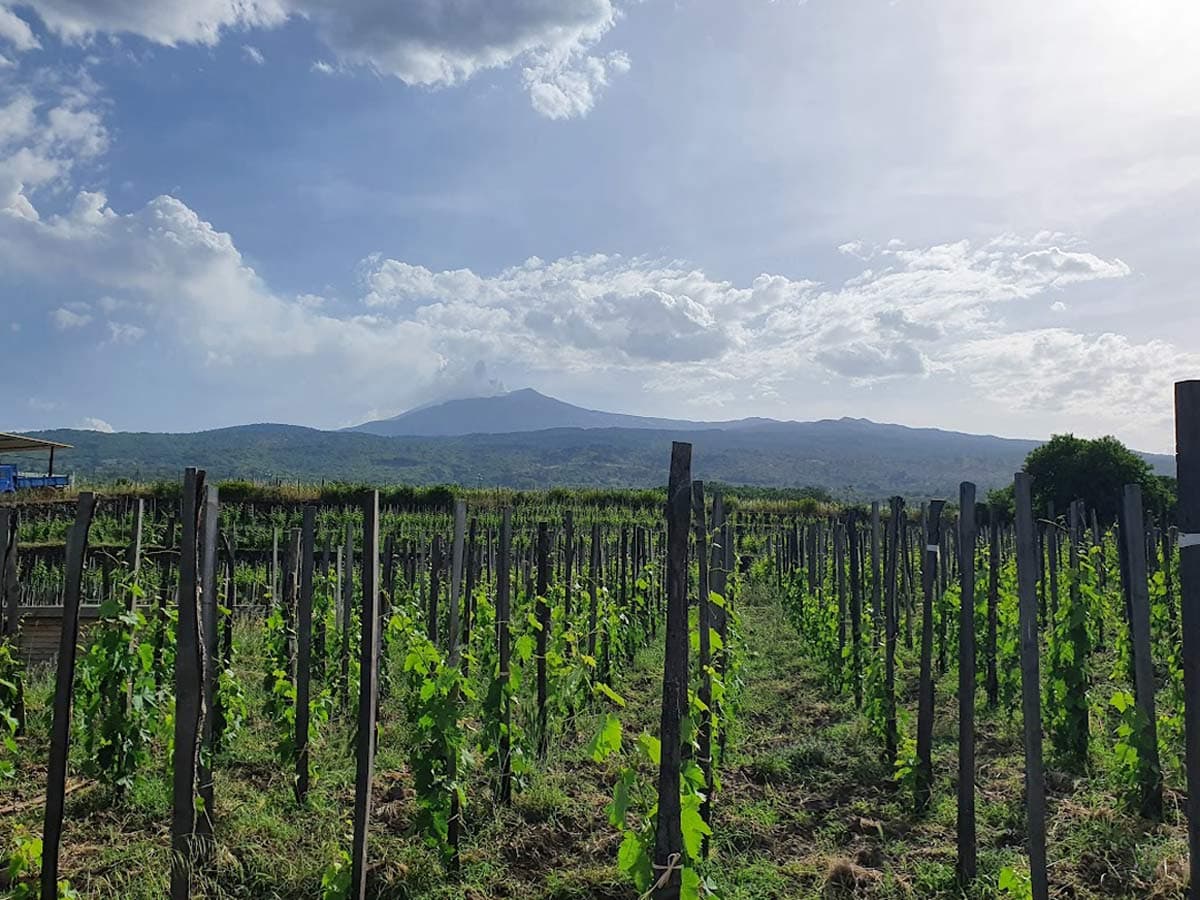
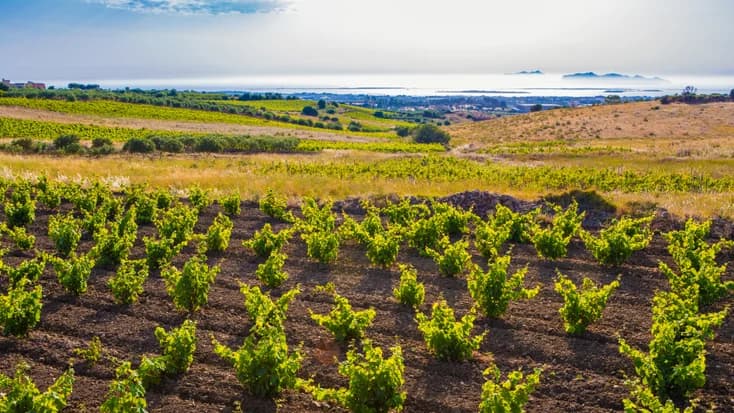
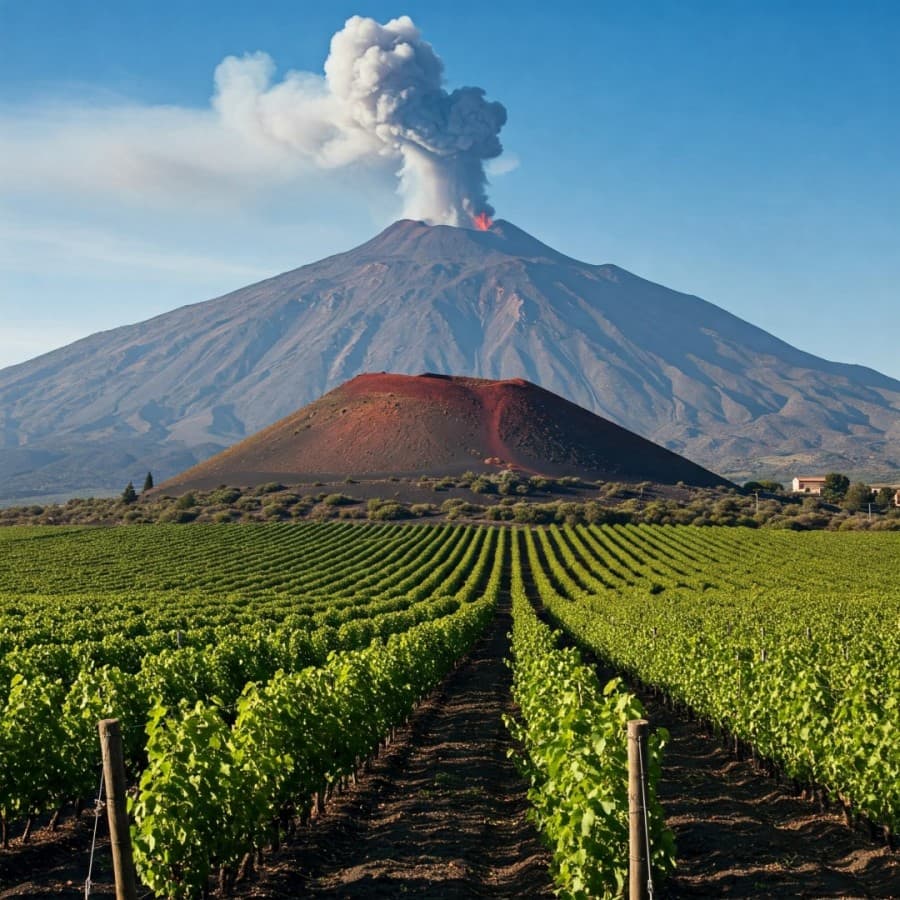
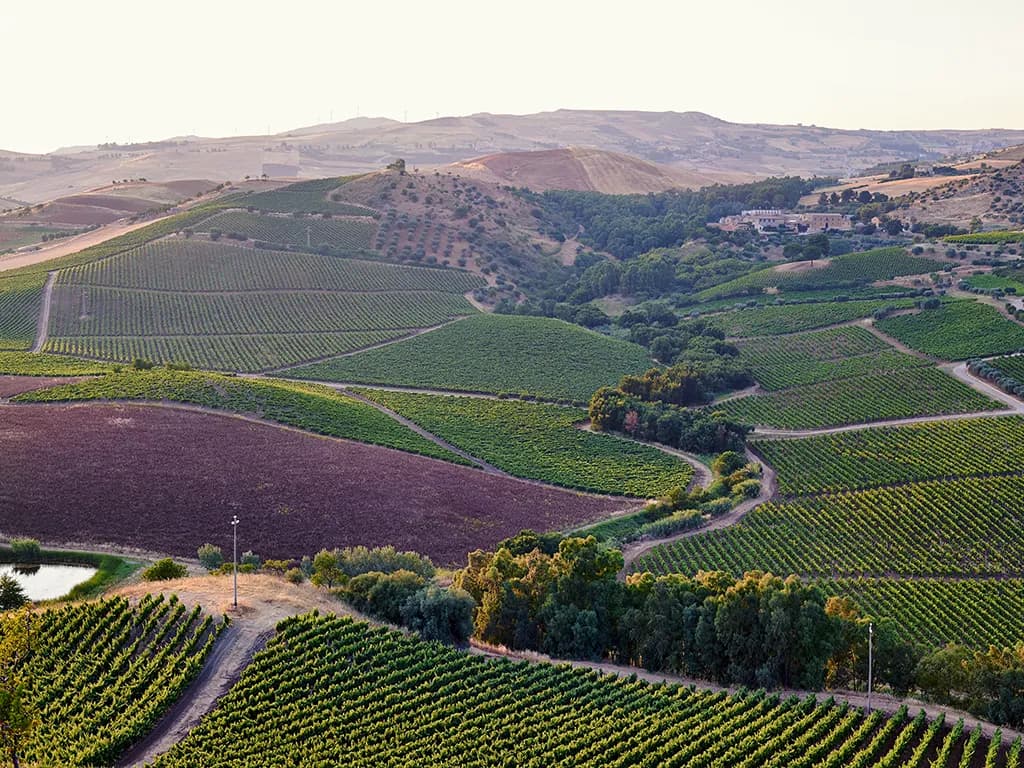
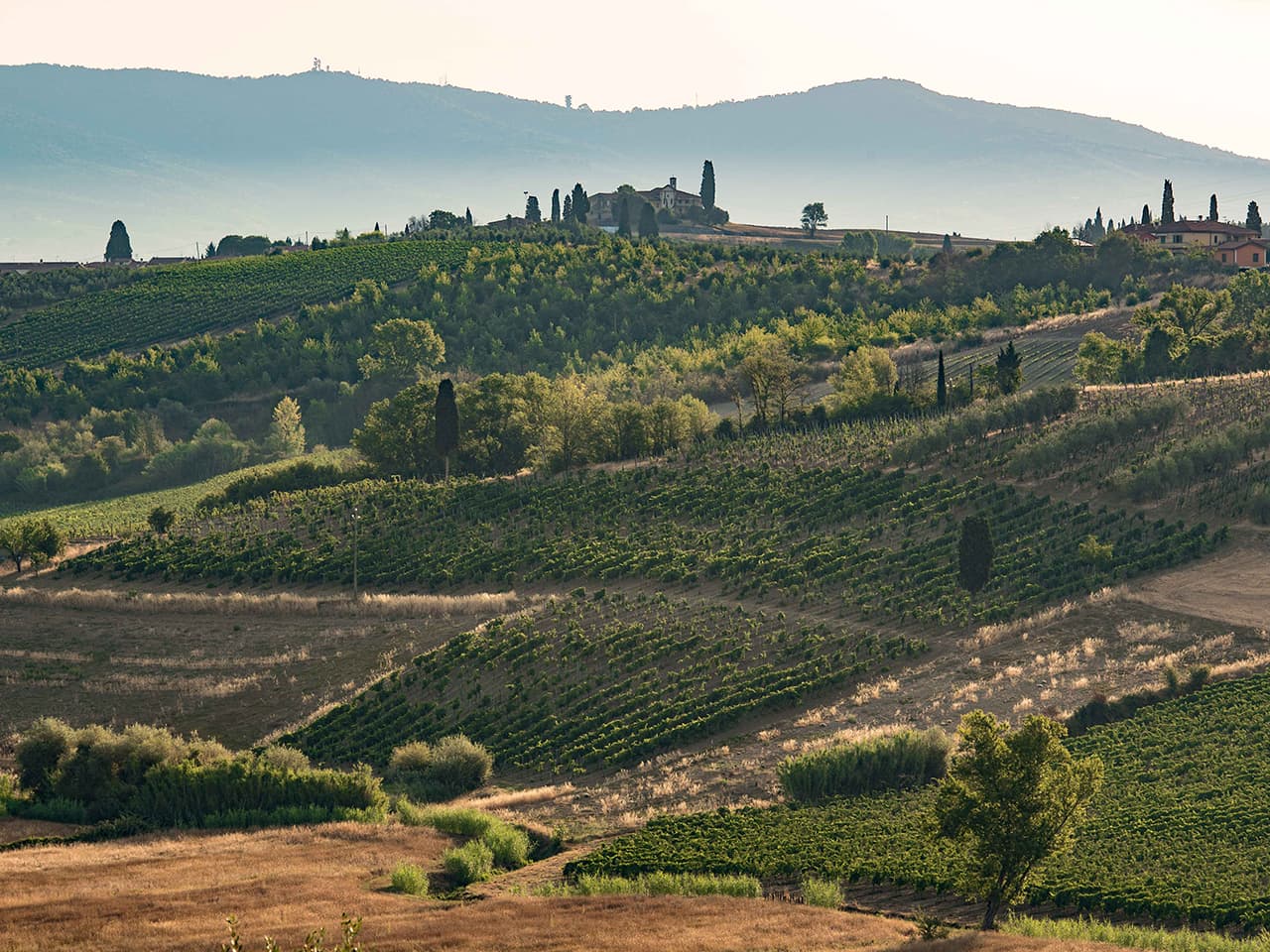
Sicily's climate is predominantly Mediterranean, characterized by hot, dry summers and mild, wet winters. This climate, combined with the island's diverse topography, from coastal plains to mountainous regions, creates a variety of microclimates ideal for viticulture. The volcanic soils, especially around Mount Etna, are rich in minerals, imparting a distinct minerality to the wines. These soils, coupled with the island's abundant sunshine and cooling sea breezes, allow for the cultivation of both indigenous and international grape varieties, resulting in wines with vibrant acidity and complex flavor profiles.

Winemaking Traditions

Sicily's winemaking traditions date back thousands of years, with influences from the Greeks, Romans, and Arabs. The island is known for its use of indigenous grape varieties, which have been cultivated for centuries. Traditional winemaking techniques, such as aging in large oak barrels and using natural fermentation processes, are still prevalent among many producers. However, modern innovations have also been embraced, with temperature-controlled fermentation and stainless steel tanks enhancing the purity and expression of the wines. This blend of old and new techniques ensures that Sicilian wines maintain their unique character while meeting contemporary quality standards.

Notable Producers in Sicily

Sicily boasts a vibrant community of winemakers dedicated to showcasing the island's unique terroir. Esteemed producers like Benanti and Planeta are celebrated for their high-quality wines that capture the essence of Sicily's diverse landscapes. Tenuta delle Terre Nere and Feudo Montoni are known for their commitment to traditional methods, producing wines that reflect the island's rich history. Innovators like Cusumano and Idda - Gaja bring a modern twist to Sicilian winemaking, crafting wines that appeal to contemporary palates. Each producer contributes to Sicily's reputation as a leading wine region.

Food Pairings

Sicilian wines are a natural match for the island's rich culinary heritage. The bold reds, such as those made from Nero d'Avola, complement hearty dishes like grilled meats and rich tomato-based pastas. Whites, like Grillo and Carricante, pair beautifully with seafood dishes, enhancing the flavors of fresh fish and shellfish. For a true taste of Sicily, try pairing a crisp white with a classic caponata or a robust red with a savory eggplant parmigiana. These pairings highlight the harmonious relationship between Sicilian wines and cuisine.

History of Sicily

Sicily's winemaking history is as ancient as it is rich, with viticulture on the island dating back to the Greek colonization in the 8th century BC. The island's strategic location in the Mediterranean made it a crossroads of cultures, each leaving its mark on the local winemaking traditions. The Romans expanded viticulture, and later, the Arabs introduced new agricultural techniques. In the 19th century, the phylloxera epidemic devastated European vineyards, but Sicily's remote location spared many of its vines, allowing the island to preserve its indigenous grape varieties. Today, Sicily is a dynamic wine region, blending ancient traditions with modern innovations to produce wines that are celebrated worldwide.

On this page

  • About Sicily
  • Climate & Terroir of Sicily
  • Winemaking Traditions
  • Notable Producers in Sicily
  • Food Pairings
  • History of Sicily

Frequently Asked Questions

What is Nero d'Avola wine from Sicily?
Nero d'Avola is a popular red wine grape variety native to Sicily, known for its bold flavors and rich color. It often features notes of dark fruit, such as black cherry and plum, with a hint of spice and earthy undertones.
What makes Sicilian Marsala wine unique?
Marsala is a fortified wine from Sicily, famous for its use in cooking and as a dessert wine. It is produced using local grape varieties like Grillo, Inzolia, and Catarratto, and comes in both dry and sweet styles, often aged to develop complex flavors.
What are the characteristics of Sicilian Grillo wine?
Grillo is a white grape variety from Sicily, known for producing crisp and refreshing wines. It typically offers citrus and floral aromas with a balanced acidity, making it a versatile choice for pairing with seafood and light dishes.
How does Etna Rosso differ from other Sicilian wines?
Etna Rosso is a red wine made primarily from Nerello Mascalese grapes grown on the slopes of Mount Etna. It is known for its elegant structure, with flavors of red berries, herbs, and minerality, reflecting the volcanic terroir of the region.
What is the significance of Cerasuolo di Vittoria in Sicilian wine production?
Cerasuolo di Vittoria is the only DOCG wine from Sicily, a blend of Nero d'Avola and Frappato grapes. It is celebrated for its vibrant cherry color and flavors of red fruit, with a smooth and balanced finish, embodying the unique character of Sicilian winemaking.

Appellations of Sicily

Sicilia wines and spirits

Sicilia

120

Sicilia's diverse microclimates and volcanic soils create a unique terroir for wines like Nero d'Avola and Grillo. Discover the essence of Sicily with producers like Planeta and Donnafugata.

Terre Siciliane wines and spirits

Terre Siciliane

87

Terre Siciliane's diverse terroir allows for a wide range of grape varieties, from indigenous Nero d'Avola to international Chardonnay. This appellation offers a unique taste of Sicily's rich viticultural heritage.

Etna Rosso wines and spirits

Etna Rosso

60

Etna Rosso wines are crafted from the indigenous Nerello Mascalese grape, thriving on the volcanic slopes of Mount Etna. These wines are renowned for their elegance, minerality, and complex flavor profiles.

Marsala wines and spirits

Marsala

39

Marsala's fortified wines are defined by their unique aging process and the use of native Sicilian grape varieties like Grillo and Catarratto. Known for their rich, complex flavors, these wines are a staple of Sicilian viticulture.

Etna Bianco wines and spirits

Etna Bianco

31

Etna Bianco is defined by its volcanic soils and the Carricante grape, producing wines with vibrant acidity and minerality. This Sicilian appellation offers a unique expression of terroir, crafted by renowned producers like Tenuta delle Terre Nere and Benanti.