-
Capital Spirits Logo

FOR THE THIRSTY

Raise a glass with us #Cheers

FacebookInstagramTikTokYouTube
concierge@capitalspirits.com
AboutLocationsEventsTrack OrderPrivacy PolicyTerms & ConditionsShipping PolicyReturn Policy
VisaMastercardAmerican ExpressApple PayGoogle Pay
Powered by Stripe
© 2026 Capital Spirits. All rights reserved.
APPELLATION

Sicilia Wine

Sicilia's diverse microclimates and volcanic soils create a unique terroir for wines like Nero d'Avola and Grillo. Discover the essence of Sicily with producers like Planeta and Donnafugata.

Collections/Countries/Italy/Sicily/Sicilia

About Sicilia

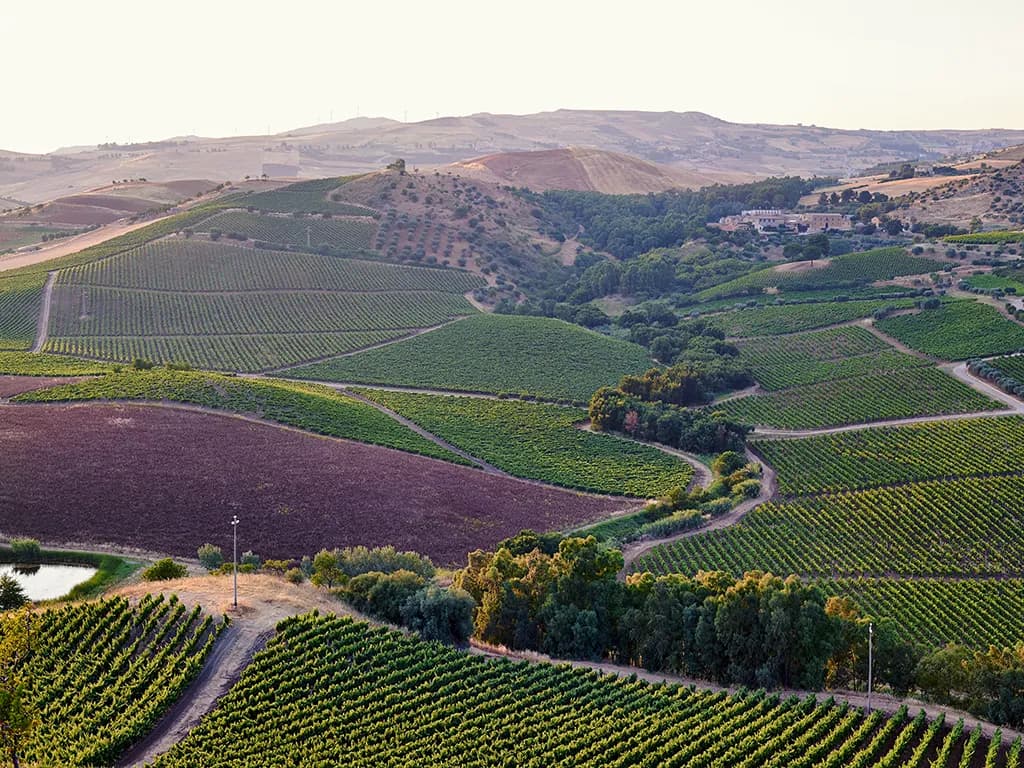
Sicilia, the largest island in the Mediterranean, is a wine appellation defined by its unique terroir and diverse microclimates. This region is renowned for producing wines that reflect the island's volcanic soils and sun-drenched landscapes. Key grape varieties include Nero d'Avola, known for its bold flavors and rich tannins, and Grillo, a white grape offering crisp acidity and floral notes. Producers such as Feudo Montoni, Planeta, and Donnafugata are at the forefront of Sicilia's wine renaissance, crafting wines that range from approachable everyday bottles to premium selections. The island's wines are celebrated for their balance, complexity, and ability to pair with a variety of cuisines. Sicilia wines offer a broad price range, making them accessible to both casual drinkers and serious collectors. Entry-level wines provide excellent value, while premium offerings showcase the depth and character of the region. When searching for the best Sicilia wines, consider exploring the diverse styles and expressions from producers like Tenuta Regaleali - Tasca d'Almerita and Cusumano. Choosing Sicilia means embracing wines that are not only rooted in tradition but also innovative, reflecting the dynamic nature of Sicilian winemaking. Whether you're looking to buy Sicilia wine for a special occasion or to enjoy with everyday meals, this appellation offers something for every palate.

Regulations & Standards

Sicilia DOC regulations allow for a wide range of grape varieties and wine styles, reflecting the region's diversity. Wines labeled under the Sicilia DOC must adhere to specific production standards, including yield limits and minimum alcohol levels. Red wines typically require a minimum aging period to ensure complexity and depth, while white wines are often produced to highlight their fresh, aromatic qualities. The DOC designation guarantees that wines meet strict quality standards, providing assurance to consumers of their authenticity and origin.

Grape Varieties

Sicilia is home to a wide array of grape varieties, with Nero d'Avola being the most prominent red grape, known for its robust structure and dark fruit flavors. Other important red varieties include Frappato and Nerello Mascalese, which contribute to the island's diverse red wine offerings. For white wines, Grillo and Catarratto are key varieties, providing crisp acidity and aromatic complexity. International varieties like Chardonnay and Syrah are also cultivated, adding to the region's versatility. These grapes thrive in Sicilia's varied microclimates, from coastal breezes to mountainous altitudes, allowing for a wide range of wine styles.

Soil Composition

Sicilia's soils are predominantly volcanic, with significant limestone and clay deposits. These soils contribute to the mineral complexity and vibrant acidity found in the wines. The volcanic soils, particularly around Mount Etna, impart a distinctive minerality and depth to the wines, enhancing their aging potential. The diversity of soil types across the island allows for a wide range of grape varieties to be cultivated, each expressing the unique characteristics of their terroir.

Climate Characteristics

Sicilia's climate is predominantly Mediterranean, characterized by hot, dry summers and mild, wet winters. The island's varied topography, from coastal plains to mountainous regions, creates diverse microclimates that influence the style and character of the wines. The warm climate ensures grapes achieve full ripeness, resulting in wines with rich fruit flavors and balanced acidity. The cooling sea breezes and higher altitude vineyards help maintain freshness and aromatic intensity in the wines.

Production Standards

Winemaking in Sicilia often combines traditional techniques with modern innovations. Many producers focus on sustainable practices, emphasizing organic and biodynamic methods to preserve the natural environment. The use of stainless steel and controlled fermentation temperatures is common for white wines to retain their freshness, while red wines may undergo extended maceration and aging in oak barrels to enhance their structure and complexity. This blend of tradition and technology results in wines that are both expressive and of high quality.

On this page

  • About Sicilia
  • Regulations & Standards
  • Grape Varieties
  • Soil Composition
  • Climate Characteristics
  • Production Standards

Frequently Asked Questions

What types of wine are produced in Sicily?
Sicily is renowned for producing a diverse range of wines, including robust reds like Nero d'Avola and elegant whites such as Grillo and Catarratto. The island is also famous for its fortified wine, Marsala, and increasingly popular for its volcanic wines from the slopes of Mount Etna.
What is Nero d'Avola wine from Sicily like?
Nero d'Avola is a bold red wine known for its rich flavors of dark fruit, such as plum and black cherry, often with hints of spice and earthiness. It is Sicily's most famous red grape variety and is appreciated for its full body and smooth tannins.
How does the climate in Sicily affect its wine production?
Sicily's Mediterranean climate, with hot, dry summers and mild, wet winters, is ideal for viticulture, allowing grapes to ripen fully while maintaining acidity. The island's diverse terroir, including volcanic soils, contributes to the unique characteristics of Sicilian wines.
What is Marsala wine and how is it used?
Marsala is a fortified wine from Sicily, available in both dry and sweet styles, often used in cooking to create rich sauces. It is also enjoyed as a dessert wine, with flavors ranging from nutty and caramel to dried fruit, depending on its aging process.
Are there organic wines from Sicily?
Yes, Sicily has a growing reputation for organic wine production, thanks to its favorable climate that reduces the need for chemical interventions. Many wineries on the island focus on sustainable practices, producing organic wines that reflect the natural characteristics of the region.